
The transition to university life is a pivotal moment, marked by new academic challenges, social opportunities, and a significant shift in personal autonomy. For many, this includes a renewed focus on personal style and the development of a wardrobe that is both practical for campus life and reflective of their evolving identity. This article, published on March 17, 2026, delves into the nuances of campus dress codes, offering insights into the prevailing fashion trends, essential wardrobe staples, and the considerations that shape a student’s sartorial choices. We independently evaluate all recommended products and services. Any products or services put forward appear in no particular order. If you click on links we provide, we may receive compensation.
The Evolving Landscape of Campus Fashion
University campuses have long served as microcosms of broader societal trends, and fashion is no exception. The "Dress Code: Campus" directive acknowledges the unique environment of higher education, where comfort, practicality, and a degree of personal expression often take precedence. While there isn’t a universal, codified dress code across all institutions, a general understanding of appropriate attire has emerged, influenced by factors such as climate, academic disciplines, and the prevailing social atmosphere.
Historically, university fashion has mirrored broader cultural shifts. The mid-20th century saw the rise of more casual attire, with students embracing jeans, t-shirts, and comfortable sweaters. The late 20th and early 21st centuries witnessed the influence of streetwear, athleisure, and a growing emphasis on individual branding and sustainable fashion. Today, the campus dress code is a dynamic blend of these influences, with students seeking to balance their desire for self-expression with the practical demands of academic life.

Essential Wardrobe Components for Campus Success
Building a functional and stylish campus wardrobe requires a strategic approach. The focus is often on versatile pieces that can be mixed and matched to create a variety of outfits suitable for lectures, study sessions, social gatherings, and extracurricular activities.
Outerwear: The Foundation of Versatility
A well-chosen jacket is paramount for navigating the unpredictable campus weather. The Les Deux Varsity Jacket ($629) represents a classic choice, offering a blend of sporty aesthetics and sophisticated detailing. Its wool construction provides warmth, while its timeless design ensures it remains a stylish option for years to come. For a more contemporary feel, consider the versatility of a well-fitting bomber jacket or a durable utility jacket. These pieces can elevate a casual outfit and offer protection against the elements.
Tops: Comfort Meets Style
The humble t-shirt and shirt remain cornerstones of any student’s wardrobe. The Polo Ralph Lauren Button-Down Collar Logo-Embroidered Striped Cotton Oxford Shirt is an excellent example of a piece that bridges the gap between casual comfort and a more polished appearance. Its breathable cotton fabric is ideal for long days on campus, and the subtle branding adds a touch of brand recognition. Striped patterns are perennially popular, offering a visual interest that can elevate a simple outfit. For warmer days or layering, a selection of high-quality t-shirts in neutral tones is essential.
Bottoms: From Denim to Dressier Options
The choice of trousers and jeans significantly impacts the overall look and feel of an outfit. The AllSaints Conway Wide-Leg Pleated Pants offer a more sophisticated alternative to traditional denim, providing comfort with a refined silhouette. The wide-leg style is on-trend and offers ample room for movement, making them suitable for a long day of classes. For more casual days, a good pair of dark-wash or black jeans remains a reliable choice. Chinos also present a versatile option, bridging the gap between casual and smart-casual.

Footwear: Comfort and Durability
Campus navigation demands footwear that is both comfortable and durable. The Les Deux Taylor Oil Suede Loafers in a rich Turkish coffee brown offer a stylish and comfortable option for days when a more elevated look is desired. Their slip-on design makes them convenient, and the suede material adds a touch of texture. For everyday wear, a pair of well-made sneakers or sturdy boots are indispensable. Consider brands known for their comfort and longevity, as these will be your constant companions throughout the academic year.
Accessories: The Finishing Touches
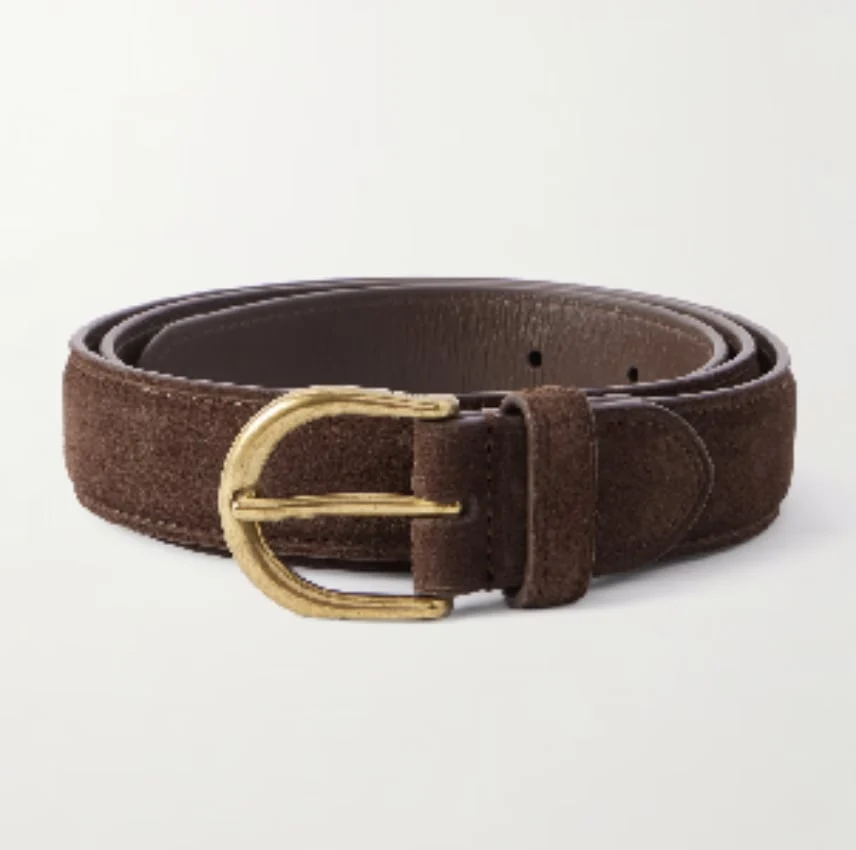
Accessories play a crucial role in personalizing an outfit and completing a look. A Ralph Lauren 3cm Suede Belt adds a touch of understated elegance to any ensemble. Belts not only serve a functional purpose but also help to define the waist and add a cohesive element to an outfit. Other essential accessories include a durable backpack for carrying books and essentials, a reliable watch, and perhaps a stylish beanie or baseball cap for cooler days or bad hair days.
Navigating the Unwritten Rules of Campus Attire
While specific dress codes are rare, understanding the implicit expectations of a university environment is key.
- Lectures and Seminars: Comfort is paramount, but a level of presentability is generally expected. This means avoiding overly revealing clothing, sleepwear, or attire that could be perceived as distracting. A balance between comfort and a smart-casual aesthetic is usually ideal.
- Laboratory and Studio Work: Depending on the discipline, specific safety requirements may dictate attire. For science labs, closed-toe shoes and appropriate protective clothing are often mandatory. Art or design studios might encourage more expressive and practical clothing that can withstand potential spills or paint.
- Social Events and Extracurriculars: This is where personal style can truly shine. Whether it’s a formal club meeting, a casual get-together with friends, or a sporting event, students have more freedom to express their individuality. However, it’s always wise to consider the context and audience.
- Part-Time Work and Internships: If students are engaged in part-time employment or internships, they must adhere to the specific dress code of their workplace. This often requires a more professional or business-casual approach.
Data and Trends in Student Fashion
Analysis of recent student fashion trends reveals a continued emphasis on sustainability and ethical consumption. Data from fashion industry reports indicates a growing preference among Gen Z consumers for brands that demonstrate a commitment to eco-friendly practices and transparent supply chains. This translates to an increased interest in vintage clothing, upcycled garments, and brands that utilize recycled materials.

Furthermore, the influence of social media platforms like TikTok and Instagram continues to shape campus style. Micro-trends emerge and dissipate rapidly, driven by influencers and peer-to-peer sharing. This dynamic environment encourages experimentation and a constant evolution of personal style.
A survey conducted in late 2025 by the University of Fashion Insights found that over 70% of university students consider comfort to be the primary factor when choosing their daily outfits, followed closely by personal style (65%) and practicality (60%). This data underscores the importance of versatile and comfortable pieces that can adapt to various campus activities.
Broader Implications and Student Well-being
The way students dress can have a profound impact on their self-perception and overall well-being. When students feel confident and comfortable in their attire, it can positively influence their academic performance and social interactions. Conversely, feeling self-conscious about their clothing can lead to anxiety and a reluctance to engage in campus activities.
The emergence of inclusive fashion movements has also made a significant impact. Universities are increasingly embracing diversity in all its forms, and this extends to student attire. Styles that celebrate cultural heritage, gender expression, and individual identity are becoming more visible and accepted on campus.

Expert Analysis: The Psychology of Campus Style
Dr. Evelyn Reed, a sociologist specializing in youth culture and fashion, notes, "The campus environment represents a crucial period of self-discovery. Clothing serves as a powerful tool for students to experiment with their identity, signal their affiliations, and navigate their social landscape. The ‘Dress Code: Campus’ concept, while seemingly practical, also touches upon the psychological need for belonging and individuality within a structured academic setting."
She further explains, "The selection of brands like Les Deux and Ralph Lauren suggests an aspiration towards quality and established style, while the inclusion of brands like AllSaints points to an appreciation for contemporary fashion and a willingness to invest in pieces that offer both trend relevance and longevity. The emphasis on versatility in these recommendations reflects a student’s need for a wardrobe that can adapt to the diverse demands of university life."
Timeline of Campus Fashion Evolution
- 1950s-1960s: Rise of casual wear; emergence of the "preppy" look on some campuses.
- 1970s: Influence of bohemian and counter-culture styles; increased adoption of jeans and t-shirts.
- 1980s: Power dressing influences; preppy styles remain strong; emergence of athleisure.
- 1990s: Grunge and hip-hop influences; increased focus on comfort and individuality.
- 2000s: Rise of fast fashion; athleisure becomes mainstream; increased emphasis on branding.
- 2010s-Present: Dominance of streetwear and athleisure; growing awareness of sustainable fashion; influence of social media micro-trends.
Official Responses and Institutional Perspectives
While universities rarely issue explicit dress codes, many offer general guidelines or codes of conduct that indirectly influence student attire. These often focus on maintaining a respectful and safe learning environment. For example, student handbooks may contain clauses regarding appropriate attire for university events, examinations, or when representing the institution. Institutions are increasingly mindful of fostering an environment that is both academically rigorous and inclusive, recognizing that student expression through clothing is an integral part of the university experience.
Conclusion: Dressing for Success in Higher Education
The "Dress Code: Campus" is not about rigid rules but about informed choices. By understanding the interplay of comfort, style, practicality, and personal expression, students can curate a wardrobe that supports their academic journey and enhances their overall university experience. The featured products—from the classic Les Deux Varsity Jacket and Polo Ralph Lauren Oxford shirt to the contemporary AllSaints pants and versatile Les Deux loafers—exemplify the kind of thoughtful selections that can form the backbone of a successful campus wardrobe. As students navigate their academic and social lives, their sartorial choices will continue to evolve, reflecting their personal growth and the dynamic landscape of contemporary fashion.

About the Authors:
FashionBeans Editors are a collaborative team dedicated to providing comprehensive and insightful fashion advice. This article was shaped by the collective expertise of Jamie Millar, a seasoned editor known for meticulous detail and investigative rigor, and Paul Smith, a versatile editor adept at crafting compelling narratives. Their combined efforts aim to deliver articles that are both informative and engaging for the discerning reader.
