
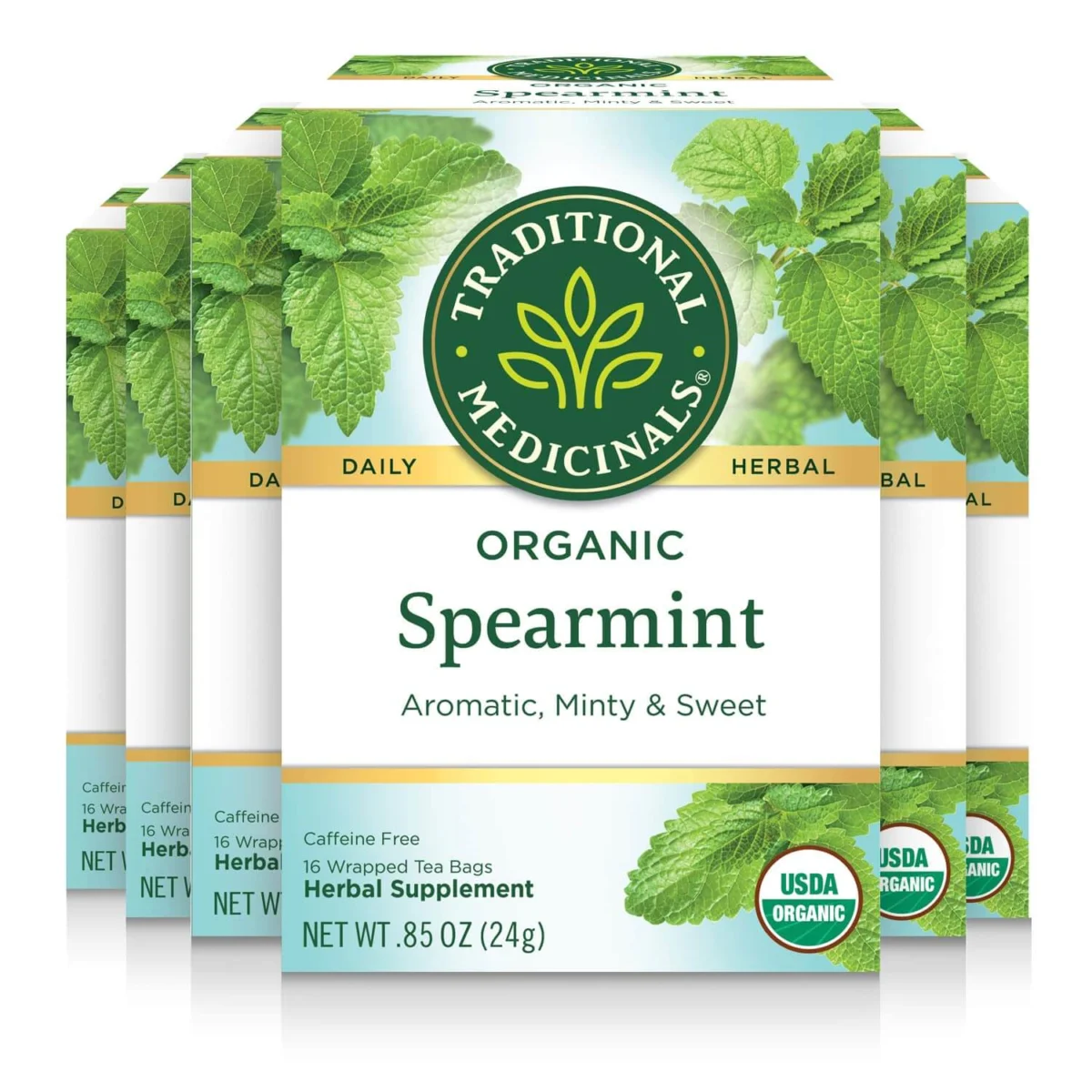
Polycystic Ovary Syndrome (PCOS) remains one of the most common endocrine disorders affecting individuals of reproductive age, impacting an estimated 6 to 12 percent of women globally. Characterized by a complex interplay of hormonal imbalances, insulin resistance, and metabolic dysfunction, the condition frequently presents clinical challenges that require long-term management strategies. While conventional pharmacological treatments such as oral contraceptives, anti-androgens, and insulin sensitizers are widely prescribed, a growing segment of patients and researchers are evaluating complementary, plant-based interventions. Among these, spearmint tea (Mentha spicata) has emerged as a subject of significant scientific inquiry due to its potential anti-androgenic and metabolic properties.
Main Facts and Biochemical Mechanisms
At the core of many debilitating PCOS symptoms—including hirsutism (excessive facial and body hair growth), moderate-to-severe acne, and female-pattern hair loss—is hyperandrogenism, or elevated levels of male sex hormones such as testosterone. Spearmint tea has drawn clinical attention for its documented anti-androgen effects, which function primarily by reducing circulating free and total testosterone levels while supporting the regulation of gonadotropins like luteinizing hormone (LH) and follicle-stimulating hormone (FSH).
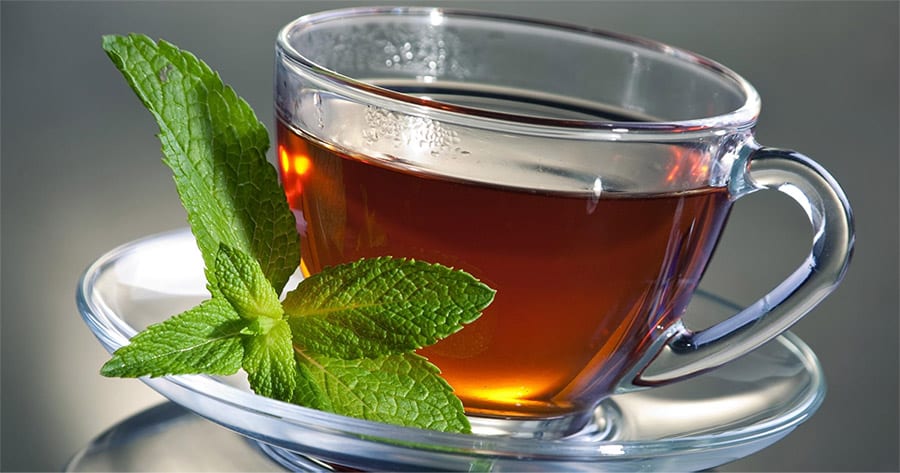
Biochemically, spearmint leaves contain rich profiles of polyphenols and essential oils, most notably carvone and rosmarinic acid. These compounds are theorized to inhibit certain enzymatic pathways involved in androgen synthesis and block androgen receptors. By modulating these endocrine pathways, regular consumption of spearmint tea offers a physiological mechanism capable of mitigating androgen-driven symptoms without the heavy side-effect profiles often associated with synthetic hormone therapies.
Chronology of Clinical Research
The exploration of spearmint as a therapeutic agent for hyperandrogenism began gaining rigorous scientific traction in the late 2000s, driven by a need for accessible, non-invasive therapies for endocrine disorders.
In a landmark randomized controlled trial published in Phytotherapy Research in 2009, researchers sought to quantify the clinical effects of spearmint tea on women diagnosed with PCOS. Over a 30-day trial period, 42 female participants diagnosed with the condition were divided into two cohorts: one consuming spearmint tea twice daily, and a control group consuming a placebo herbal infusion.
The findings provided quantitative validation of the herb’s endocrine activity. Participants in the spearmint intervention group demonstrated statistically significant reductions in both free and total testosterone levels, alongside notable increases in luteinizing hormone and follicle-stimulating hormone. While a 30-day observation window was insufficient to produce measurable clinical reversals of established hirsutism, subjective patient reporting indicated a noticeable reduction in unwanted hair growth. This trial laid the foundational framework for subsequent dermatological and endocrinological studies investigating plant-based anti-androgens.
Supporting Data: Metabolic and Dermatological Implications
Beyond hormonal regulation, clinical literature highlights several secondary benefits associated with spearmint consumption that directly address the multi-systemic nature of PCOS.
Blood Sugar Regulation and Insulin Resistance
Insulin resistance affects a substantial majority of women with PCOS, serving as a primary driver for both metabolic syndrome and an elevated long-term risk of type 2 diabetes. While comprehensive human trials concerning spearmint’s direct impact on human glycemic control remain limited, preclinical animal models—such as a 2017 study published in the Iranian Journal of Pharmaceutical Research—demonstrated that aqueous extracts of Mentha spicata significantly reduced blood sugar levels, improved lipid profiles, and exhibited protective antioxidant properties in diabetic rat models. Translating these findings suggests that spearmint may play a supportive role in enhancing insulin sensitivity, though further human clinical trials are warranted.

Dermatological Outcomes in Acne Management
Acne vulgaris is another persistent manifestation of hyperandrogenism in PCOS patients. A notable clinical study published by the American Academy of Dermatology in 2015 evaluated the efficacy of organic spearmint tea on inflammatory acne lesions. The trial revealed that participants consuming two cups of spearmint tea daily experienced a 25 percent reduction in inflammatory lesions after one month, which increased to a 51 percent reduction after three months of consistent consumption. These results underline the potential for spearmint to serve as a viable adjunct therapy in dermatological care regimens for hormone-mediated skin conditions.
Cognitive Function and Oxidative Stress
Chronic low-grade inflammation and elevated oxidative stress are recognized hallmarks of PCOS pathology, frequently correlating with systemic fatigue and cognitive difficulties commonly described as "brain fog." Clinical investigations into spearmint extract—such as a 2018 study published in the Journal of Alternative and Complementary Medicine focusing on individuals with age-associated memory impairment—demonstrated that standardized spearmint extracts rich in phenolic compounds significantly improved working memory, mental focus, and cognitive performance over a 90-day period. Additionally, as a potent source of dietary antioxidants, spearmint helps neutralize reactive oxygen species, thereby mitigating the oxidative stress burden characteristic of the syndrome.
Menstrual Regularity and Follicular Dynamics
Oligomenorrhea (infrequent menstrual periods) and anovulation are classic diagnostic criteria for PCOS, frequently exacerbated by the accumulation of small, arrested ovarian follicles resulting from hormonal dysregulation. By lowering systemic androgen levels and re-establishing a more balanced hormonal milieu, anti-androgenic agents like spearmint tea can assist in normalizing ovarian function, thereby encouraging more predictable and regular menstrual cycles over extended periods of consistent use.
Official Medical Guidance and Dosage Recommendations

While botanical remedies are widely accessible over the counter, medical professionals emphasize the importance of evidence-based consumption and proper clinical oversight.
Standard preparation protocols derived from clinical evaluations generally involve steeping approximately one gram of dried spearmint leaves—or one standard tea bag—in roughly 12 ounces of freshly boiled water for 10 to 15 minutes. To achieve the physiological outcomes observed in clinical trials, the recommended dosage typically ranges from one to two cups per day.
Endocrinologists and dietitians stress that botanical interventions are not instantaneous. Research indicates that measurable hormonal shifts and visible clinical improvements, such as reductions in hirsutism or acne, generally require a consistent commitment of three to six months. Patients are strongly advised to consult with a qualified healthcare provider prior to incorporating herbal teas or concentrated botanical supplements into their treatment plans, ensuring there are no contraindications with existing pharmaceutical regimens.
Cautions, Side Effects, and Contraindications
Despite its natural classification, spearmint is not entirely devoid of potential adverse effects, particularly when consumed in excessive quantities or concentrated extract forms.
Gastrointestinal sensitivity represents the most commonly reported side effect associated with high doses of mint-family herbs. Individuals diagnosed with gastroesophageal reflux disease (GERD) are generally advised to exercise caution or avoid spearmint, as relaxant properties on the lower esophageal sphincter can exacerbate acid reflux symptoms. Furthermore, pregnant or breastfeeding individuals should seek professional medical guidance before consuming therapeutic doses of spearmint tea, as historical and pharmacological data regarding high-dose safety during gestation remain limited.
Broader Impact and Implications for PCOS Management
The integration of botanical therapies like spearmint tea into contemporary health paradigms reflects a broader shift toward integrative medicine in chronic disease management. For many individuals navigating PCOS, standard pharmacological options can carry undesirable side effects or fail to address the patient’s preference for holistic, sustainable lifestyle modifications.

By offering a scientifically supported, low-cost, and accessible dietary intervention, spearmint tea bridges the gap between traditional herbal knowledge and modern endocrinological science. While it should not be viewed as a standalone cure for a complex metabolic and endocrine condition, its demonstrated capacity to lower testosterone, ameliorate dermatological symptoms, support glycemic control, and reduce oxidative stress validates its place as a valuable complementary tool in comprehensive PCOS care programs. As ongoing clinical research continues to illuminate the mechanisms of plant-based therapeutics, patients and clinicians alike gain expanded pathways for personalized, patient-centered disease management.
