
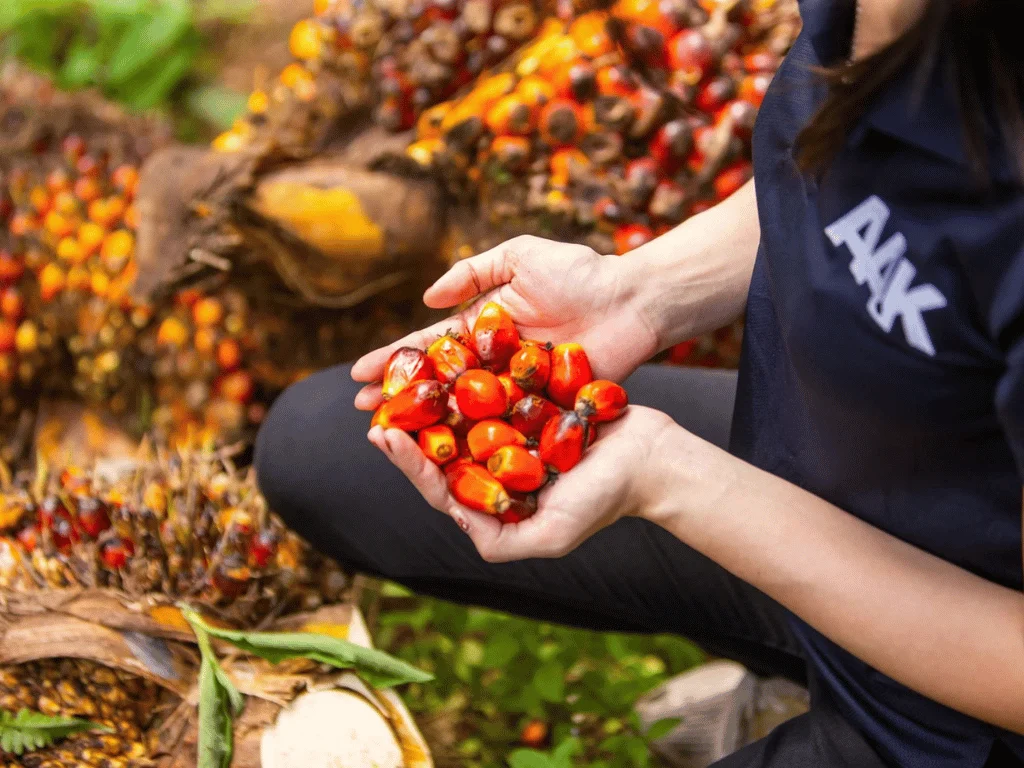
Swedish specialty fats manufacturer AAK is advancing its commercial capabilities in the sustainable production of cocoa butter equivalents (CBEs) through the large-scale deployment of its patented dry fractionation technology in Pasir Gudang, Malaysia. The strategic initiative forms the cornerstone of Nura Specialty Oils and Fats, a joint venture established between AAK and Malaysian agricultural giant KLK (Kuala Lumpur Kepong Berhad). By utilizing advanced fractionation processes at a commercial scale, the facility aims to produce high-purity specialty palm mid-fractions (PMFs)—a critical upstream ingredient required to manufacture premium cocoa butter substitutes for the global confectionery sector.
The project arrives at a critical juncture for the international chocolate industry. Surging production costs, unprecedented climate shocks, and long-term environmental degradation in primary West African cocoa-producing regions have strained traditional supply chains. As food manufacturers search for reliable, functionally identical alternatives to mitigate supply chain volatility, AAK’s multi-million-dollar investment in the Malaysian joint venture represents a calculated effort to fortify its market dominance in functional plant-based fats while offering chocolate makers essential resiliency against agricultural commodities shocks.
Project Chronology and Facility Development
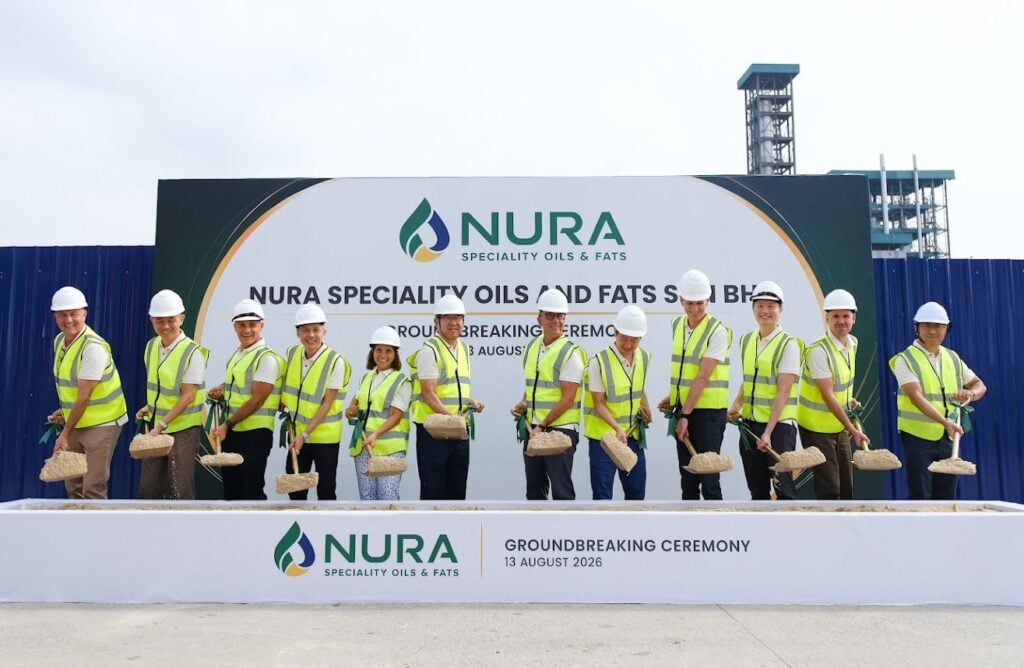
The formal framework for the Nura joint venture was established approximately one year ago, when AAK committed an investment of 300 million Swedish kronor (approximately $30 million USD) to be disbursed over a three-year implementation phase. This capital expenditure is dedicated entirely to the construction and technical equipping of the Pasir Gudang manufacturing plant, designed to secure direct access to sustainable, high-grade palm-derived feedstock.
Physical construction at the Malaysian site commenced in August, initiating a multi-year engineering timeline. According to current project projections, the facility will enter its initial phase of operational ramp-up in 2028. Following a period of testing, calibration, and fine-tuning, the plant is scheduled to reach full-scale, commercial production capacity by 2029.
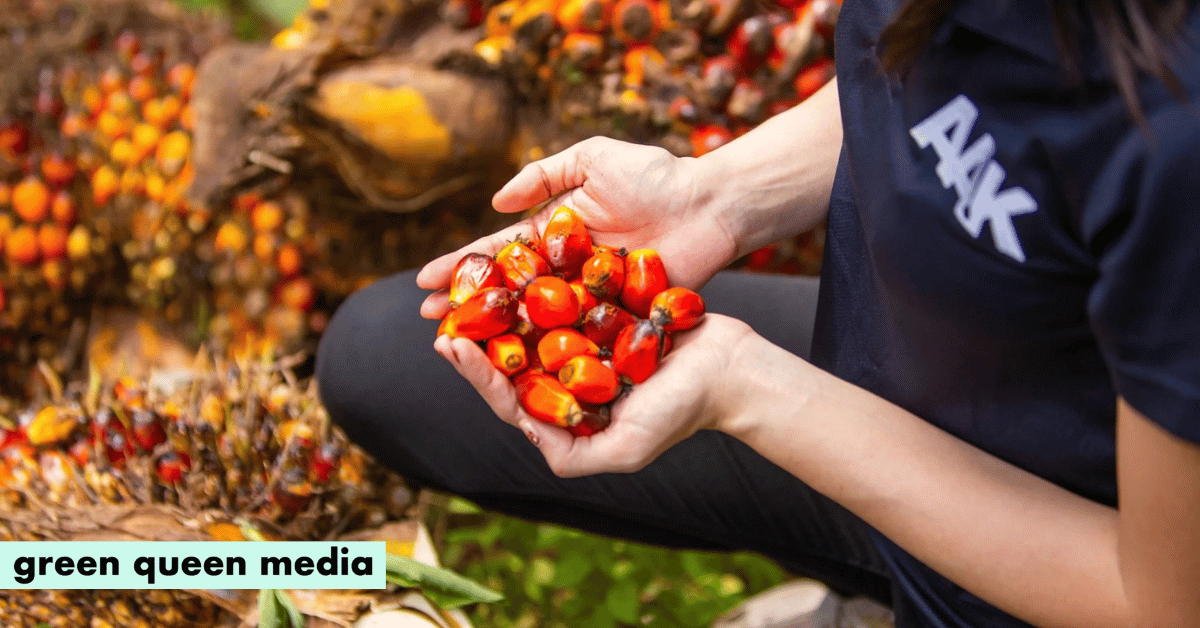
Company executives emphasize that transitioning this proprietary fractionation technology from laboratory and pilot research scales to a high-capacity industrial environment represents a major corporate milestone. The successful execution of the Nura facility is expected to validate AAK’s long-term process development strategy and pave the way for similar technology deployments across other operational sectors within the company.
Strategic and Operational Implications
The integration of dry fractionation technology at the Nura facility is engineered to yield direct financial and operational benefits for AAK’s chocolate and confectionery fats division. By optimizing the extraction of PMFs, the company will enhance its upstream supply chain security, reduce raw material dependencies, and improve overall production efficiency.
Internal projections indicate that the facility will substantially boost the profitability and gross margins of AAK’s CBE portfolio. Company representatives have noted that the technological capabilities established in Malaysia will not only reinforce AAK’s leadership position within the global CBE market but also unlock new commercial opportunities across adjacent product lines that require precise fat structuring and crystallization control.
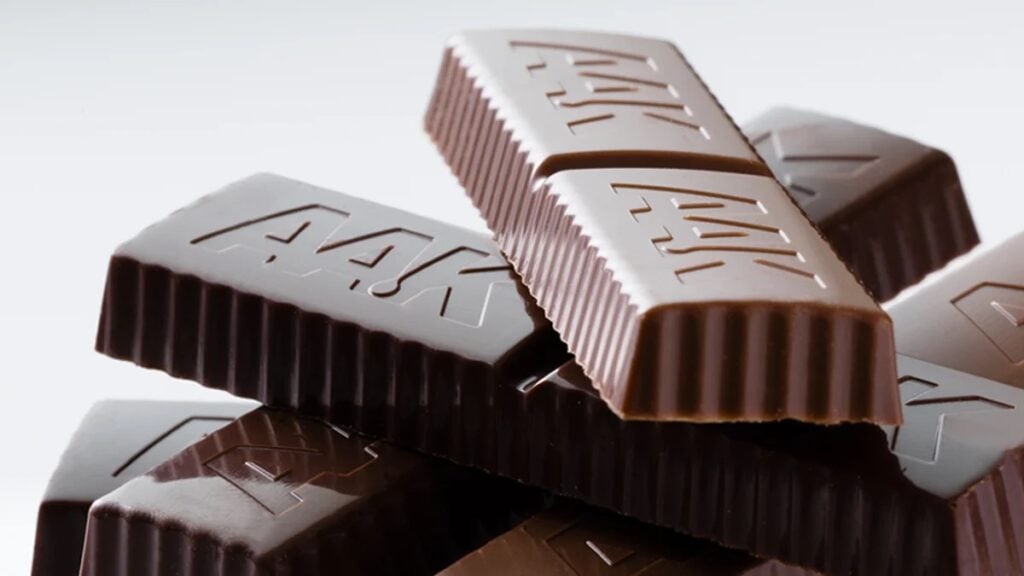
The technical refinement of these fats allows food manufacturers to utilize AAK’s established Illexao product range, which can either partially or entirely substitute traditional cocoa butter in complex recipes. These plant-based fats are engineered to match the precise melting profiles, snap, and mouthfeel of conventional chocolate while delivering superior functional advantages, such as enhanced bloom stability, elevated melting points, and improved flavor release in high-cocoa dark chocolate formulations. Furthermore, these specialty fats offer extended shelf-life capabilities, rendering them increasingly attractive to multinational confectionery brands operating in warm climates.
Macroeconomic and Environmental Drivers
The acceleration of commercial investments in cocoa butter alternatives is primarily driven by mounting structural crises within the global cocoa market. Historically, the confectionery industry has relied heavily on cocoa beans harvested in West Africa, with Ghana and the Ivory Coast accounting for the overwhelming majority of global supply. However, intensive farming practices in these regions have been directly linked to severe environmental degradation, with industry estimates indicating that cocoa production is responsible for roughly 80% to 94% of historical deforestation in Ivory Coast and Ghana, respectively.
Simultaneously, the environmental footprint of chocolate manufacturing remains exceptionally high; carbon accounting studies reveal that the production of dark chocolate generates greenhouse gas emissions second only to beef among major food commodities. These environmental pressures have triggered heightened regulatory scrutiny, including the European Union Deforestation Regulation (EUDR), which requires strict traceability for commodities entering major consumer markets.
Compounding these environmental liabilities, agricultural productivity has been severely undermined by climate change. Erratic precipitation patterns, prolonged droughts, and elevated temperatures have devastated regional harvests and pushed a significant proportion of the world’s existing cocoa trees toward physiological limits and disease vulnerability. Consequently, global cocoa inventories plummeted to a decade-long low, driving international futures prices to unprecedented all-time highs throughout 2024. These sustained price spikes have forced food manufacturers to seek scalable, cost-effective alternatives to safeguard profit margins without compromising product quality.
Industry-Wide Innovation Landscape
AAK’s commercial scaling of palm-derived fractionation is part of a broader, multi-faceted technological race to decouple chocolate production from traditional agricultural constraints. Across the food technology sector, startups and established ingredients giants are pursuing diverse pathways to produce identical or functional alternatives to cocoa butter.
Precision fermentation and microbial synthesis have emerged as prominent avenues for innovation. Companies such as Planet A Foods utilize proprietary fermentation techniques to transform agricultural side-streams into cocoa-free chocolate alternatives sold under the Choviva brand. Similarly, firms like Sun Bear Biofuture and Terra Oleo are engineering specialized yeast and oleaginous microbes to synthesize high-purity fats that mimic the triglyceride profile of cocoa butter. Other innovators, including Smey, are leveraging artificial intelligence alongside yeast fermentation to produce cultivated cocoa butter (cCB) direct replacements, while Abydos Bioscience utilizes specialized oleaginous bacteria to achieve similar functional parity.
Cellular agriculture is also making tangible inroads into the confectionery sector. Israeli biotechnology firm Celleste Bio has developed a proprietary plant cell culture platform capable of producing authentic cocoa-free cocoa butter at scale. The commercial viability of this approach was recently underscored when major multinational food conglomerate Mondelēz International incorporated Celleste’s cell-based cocoa butter into test runs of commercial chocolate bars.
Simultaneously, alternative feedstock initiatives are gaining momentum. AAK itself has diversified its investment strategy by taking a financial stake in Savor, a carbon-transformation startup that manufactures high-grade fats directly from captured carbon dioxide, water, and renewable energy, targeting applications in dairy alternatives and baked goods.
Outlook and Market Trajectory
As the Nura facility in Pasir Gudang advances toward its targeted 2028 operational launch, AAK is positioning itself to capture rising global demand for resilient, sustainably sourced confectionery ingredients. While emerging biological and cellular technologies continue to capture industry attention for their long-term potential, mature industrial processes like advanced dry fractionation remain critical for immediate, high-volume market deployment.
By bridging sustainable agricultural sourcing with proprietary chemical-free fractionation techniques, AAK’s commercial-scale initiative in Malaysia underscores the evolving strategy of the specialty fats sector. As climate volatility and regulatory pressures continue to reshape the global food economy, the capacity to efficiently deliver stable, high-performance alternatives to traditional commodities will increasingly define the competitive landscape of the international confectionery industry.
