
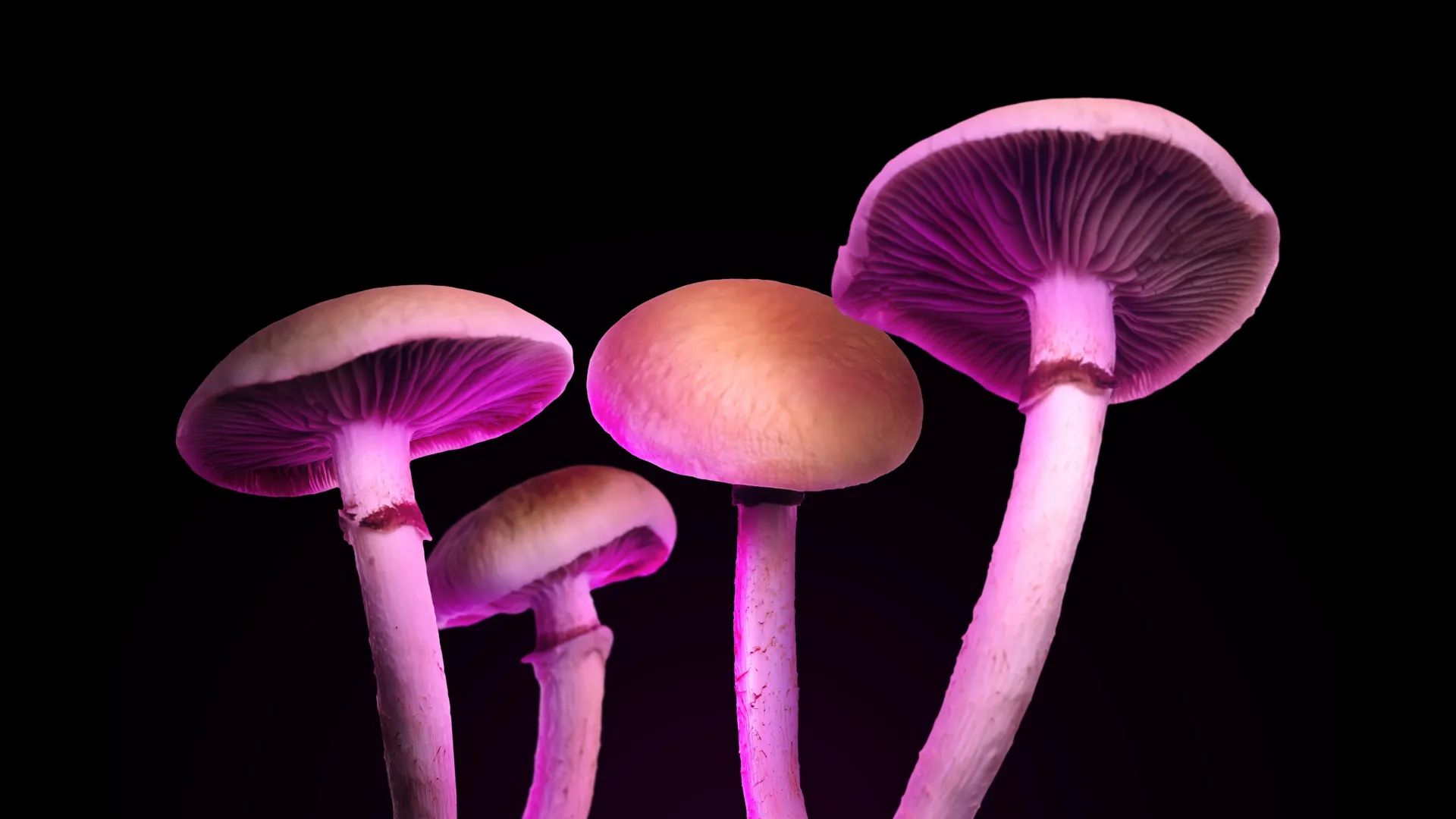
The quest for novel treatments for debilitating mental health conditions and neurodegenerative diseases has taken a significant step forward with the development of modified psilocin molecules that appear to retain therapeutic potential while mitigating the intense hallucinogenic effects associated with their natural counterparts. Psilocybin, the well-known psychoactive compound found in “magic mushrooms,” has garnered substantial scientific attention for its potential to address a range of disorders, including depression, anxiety, substance use disorders, and even certain neurodegenerative conditions. However, the profound psychedelic experiences it induces have historically posed a barrier to widespread clinical adoption. A groundbreaking study, published in the Journal of Medicinal Chemistry by researchers from multiple institutions, details the creation and early evaluation of these innovative psilocin derivatives, offering a tantalizing glimpse into a future of psychedelic-inspired medicines that prioritize patient comfort and safety.
The Promise and Peril of Psilocybin
For decades, scientists have been intrigued by the capacity of psychedelic compounds like psilocybin to influence serotonin pathways in the brain. Serotonin, a crucial neurotransmitter, plays a pivotal role in regulating mood, sleep, appetite, and cognitive functions. Disruptions in serotonergic systems are implicated in a wide array of neurological and psychiatric disorders, including major depressive disorder, generalized anxiety disorder, and even the cognitive decline seen in conditions such as Alzheimer’s disease. Psilocybin, upon ingestion, is converted in the body to psilocin, which then interacts with serotonin receptors, particularly the 5-HT2A receptor, believed to be central to its therapeutic and psychedelic effects.
Early clinical trials exploring psilocybin-assisted therapy have yielded remarkable results. Studies, such as those conducted at Johns Hopkins University, have demonstrated significant and sustained reductions in depressive symptoms in patients with treatment-resistant depression and those with life-threatening illnesses. Similar promising outcomes have been observed in trials targeting anxiety and addiction. However, the intensity of the psychedelic experience remains a significant consideration. For some individuals, the profound perceptual and psychological shifts can be overwhelming, leading to anxiety or distress during the therapeutic session, and can be a deterrent for those seeking treatment. This has spurred researchers to explore ways to decouple the therapeutic benefits from the full-blown hallucinogenic effects.
Engineering a Safer Psychedelic Future
The research team, led by Sara De Martin, Andrea Mattarei, and Paolo Manfredi, embarked on a mission to synthesize and evaluate modified versions of psilocin. Their objective was to design molecules that could still engage with the critical serotonin pathways but do so in a manner that would attenuate the powerful hallucinogenic properties. The strategy involved engineering chemical variants of psilocin with the aim of achieving a slower and more sustained release of the active compound into the brain. This controlled release mechanism is hypothesized to provide a more manageable experience, akin to fine-tuning a complex biological symphony rather than an abrupt, overwhelming crescendo.
"Our findings are consistent with a growing scientific perspective suggesting that psychedelic effects and serotonergic activity may be dissociated," stated Andrea Mattarei, a corresponding author of the study. "This opens the possibility of designing new therapeutics that retain beneficial biological activity while reducing hallucinogenic responses, potentially enabling safer and more practical treatment strategies." This statement underscores the core innovation of their work: the potential to separate the desirable neurochemical actions from the less desirable subjective experiences.
The Development and Testing of Novel Psilocin Derivatives
The scientific endeavor began with the meticulous design of five distinct chemical variants of psilocin. These compounds were synthesized with specific structural modifications intended to influence their pharmacokinetic properties – how the body absorbs, distributes, metabolizes, and excretes them. The researchers then subjected these novel compounds to rigorous laboratory testing. Initial evaluations focused on assessing their stability and release profiles under conditions that mimic human physiological processes, including simulated gastrointestinal absorption and interaction with human plasma.
This preclinical screening process proved instrumental in identifying the most promising candidate from the initial cohort. One particular compound, designated as 4e, emerged as a frontrunner. Its performance in these early tests was particularly encouraging. Compound 4e demonstrated remarkable stability during the simulated absorption phase, a critical factor for ensuring consistent bioavailability. Furthermore, it exhibited a gradual and sustained release of psilocin, a characteristic that the researchers believe is key to tempering the acute psychedelic effects. Crucially, 4e also proved adept at activating key serotonin receptors, including the 5-HT2A receptor, at levels comparable to naturally occurring psilocin, suggesting it could indeed elicit the desired therapeutic signaling.
In Vivo Validation: Mouse Models Provide Early Insights
With compound 4e showing such promise in vitro, the next critical phase involved testing its effects in a living organism. The research team conducted a comparative study using mice, administering equivalent doses of compound 4e and pharmaceutical-grade psilocybin orally. The study meticulously tracked the absorption and distribution of psilocin into the bloodstream and, importantly, into the brain over a 48-hour period.
The results from these animal studies provided compelling evidence for the unique properties of 4e. The compound was efficiently absorbed and successfully crossed the blood-brain barrier, a formidable biological defense system that protects the central nervous system. Once in the brain, 4e led to a lower, yet more prolonged, concentration of psilocin compared to the immediate, higher peak observed with psilocybin. This sustained presence of psilocin, without the rapid surge, is precisely the controlled release mechanism the scientists aimed to achieve.
Beyond pharmacokinetic data, the behavioral observations in the mice offered a direct assessment of psychedelic-like activity. The researchers monitored specific behaviors known to be reliable indicators of such effects in rodents. Notably, mice treated with compound 4e exhibited significantly fewer head twitches – a common behavioral marker for psychedelic activity in mice – than their counterparts that received psilocybin. This difference was observed even though 4e demonstrated strong interaction with serotonin receptors, reinforcing the hypothesis that the rate and extent of psilocin release, rather than simply receptor binding, plays a crucial role in modulating the intensity of the subjective experience.
Implications for Future Therapeutics
The findings from this study carry profound implications for the future of psychedelic-assisted therapies. They suggest a tangible pathway toward developing a new generation of psychedelic-inspired medicines that could offer the therapeutic benefits associated with psilocybin without the challenging and potentially anxiety-provoking hallucinogenic experiences. This could significantly broaden the accessibility and acceptance of these novel treatments, making them a viable option for a larger patient population who may be hesitant to undergo traditional psychedelic therapy due to concerns about the intensity of the experience.
The ability to dissociate therapeutic effects from full hallucinogenic responses could pave the way for more practical treatment protocols. This might involve reduced need for intensive supervision during administration, potentially allowing for outpatient settings or even self-administration under specific medical guidance in the future. Furthermore, for individuals with certain sensitivities or co-occurring conditions that might be exacerbated by intense psychedelic experiences, these modified compounds could offer a safer and more targeted therapeutic approach.
Broader Context and Future Directions
This research aligns with a broader trend in psychopharmacology towards developing more refined and targeted interventions. The concept of "psychedelic-assisted therapy" has moved beyond the simple administration of a compound to a more nuanced understanding of how these substances interact with the brain and how that interaction can be optimized for therapeutic gain. The success of this study could inspire further research into other psychedelic compounds, exploring similar strategies for modifying their molecular structures to enhance their therapeutic utility while minimizing adverse effects.
The path from promising preclinical results to approved human therapeutics is a long and complex one, requiring extensive further research. The authors themselves acknowledge that more investigation is necessary to fully elucidate the mechanisms by which these new molecules operate and to comprehensively assess their biological impact. Rigorous safety and efficacy studies in human clinical trials will be essential to determine their therapeutic potential and to establish appropriate dosing regimens and administration protocols.
The collaboration between academic institutions and therapeutic development companies, as evidenced by the funding from MGGM Therapeutics, LLC, in collaboration with NeuroArbor Therapeutics Inc., highlights the growing interest and investment in this burgeoning field. Several authors declaring themselves as inventors on patents related to psilocin further underscores the proprietary and commercial potential of these innovative compounds.
As the scientific community continues to unravel the complexities of the brain and the intricate dance of neurotransmitters, the development of compounds like 4e represents a significant leap forward. It offers a beacon of hope for millions suffering from mental health and neurological conditions, suggesting a future where the profound healing potential of psychedelics can be harnessed more safely and effectively than ever before. The journey is far from over, but this research marks a crucial milestone in the evolution of psychiatric and neurological medicine.
