
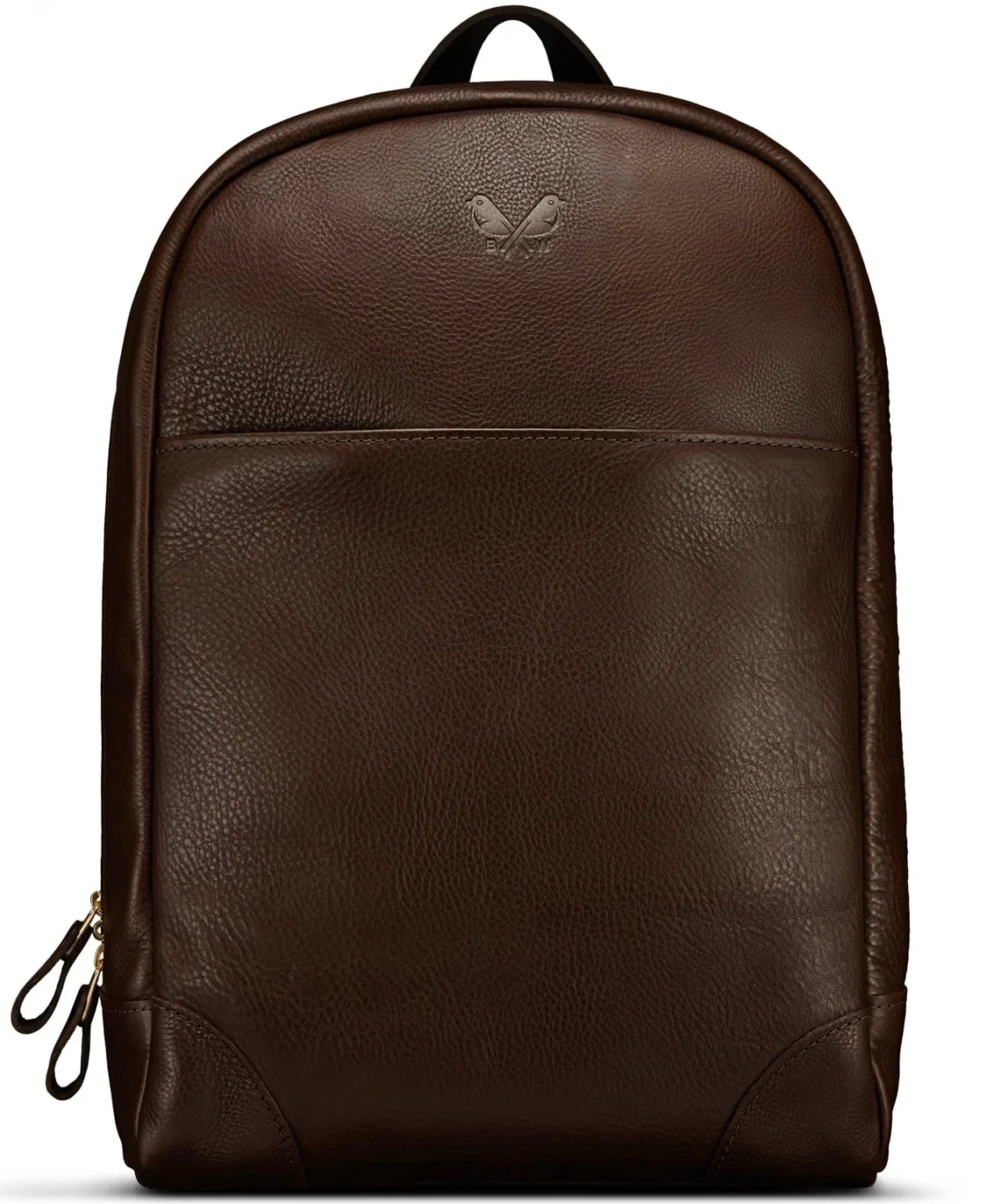
The transition from the utilitarian nylon bookbags of adolescence to the refined, professional aesthetic required in the adult workspace often necessitates an upgrade in accessories. For the modern professional, the leather backpack has emerged as the definitive bridge between functional storage and sartorial elegance. As remote and hybrid work models continue to dominate the corporate landscape, the demand for high-quality, durable, and versatile transit gear has surged. Market analysis indicates that the premium men’s accessories segment is projected to maintain steady growth through 2026, driven by a consumer preference for "quiet luxury" and products that offer long-term investment value.
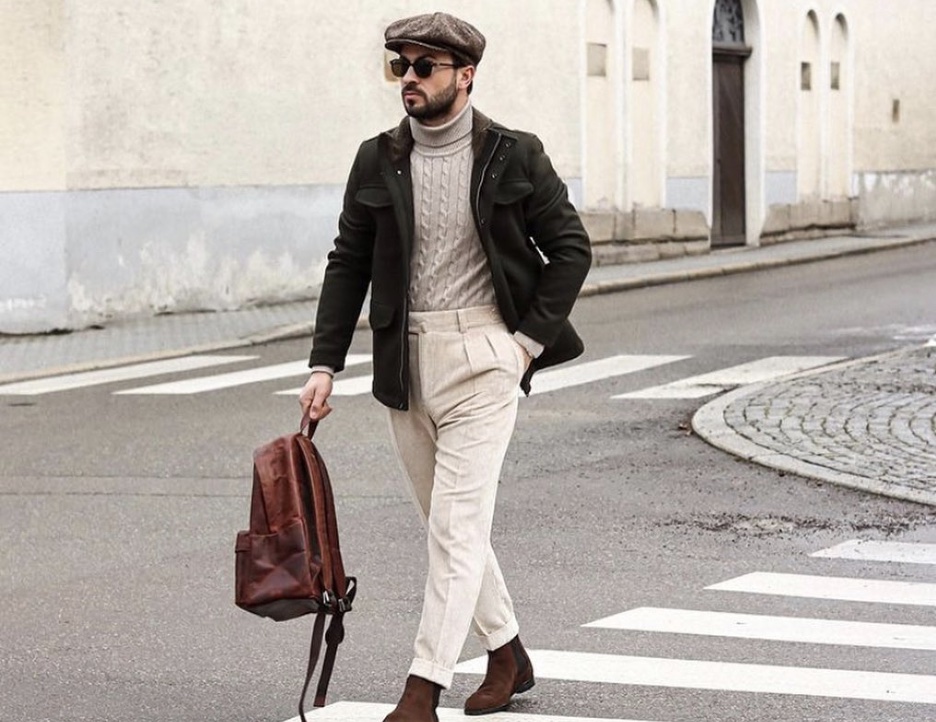
Historical context reveals that the backpack was long relegated to academic or outdoor settings. However, the last decade has seen a dramatic shift in fashion norms. Luxury houses and heritage leather manufacturers have successfully re-engineered the silhouette to cater to the urban commuter. By incorporating vegetable-tanned leathers, ergonomic structural support, and sophisticated hardware, these brands have transformed the backpack into a staple of modern business attire, replacing the traditional briefcase as the preferred method for transporting technology and daily essentials.
The Evolution of the Professional Carry
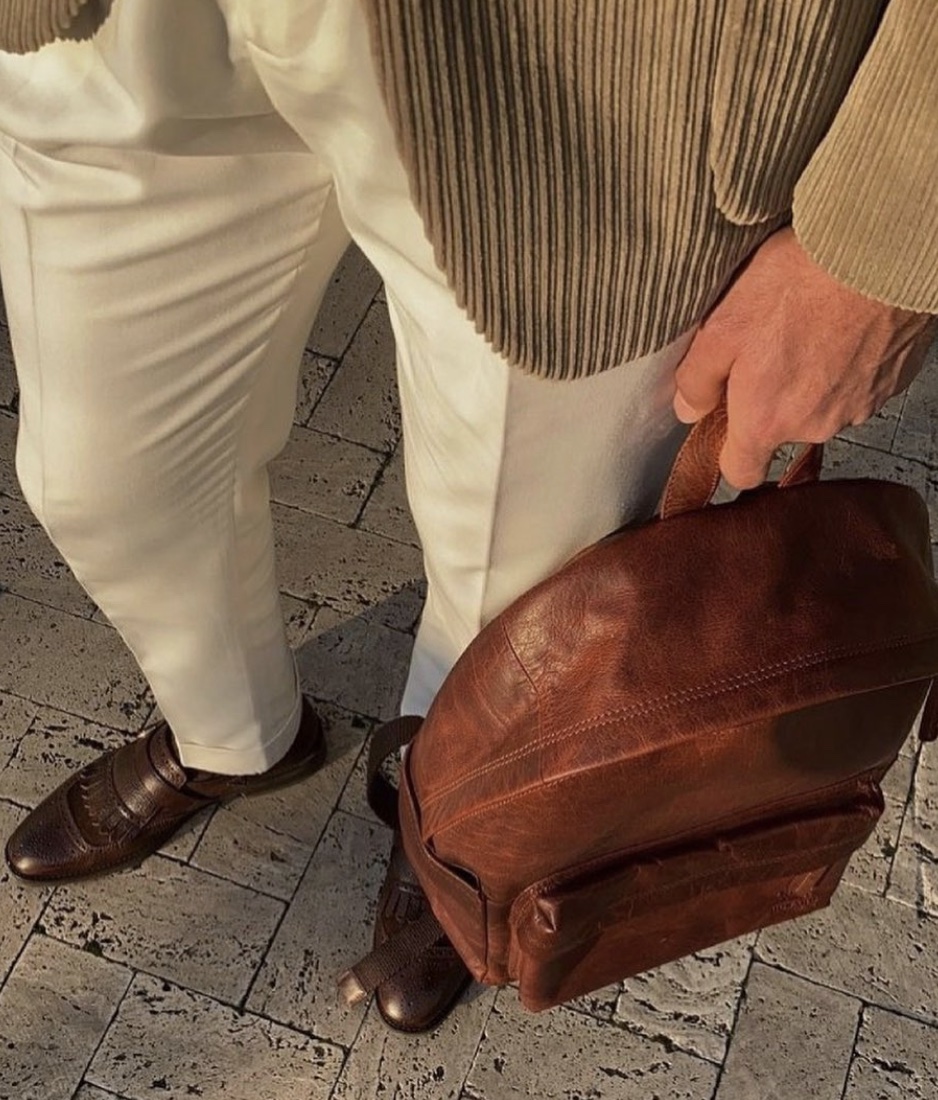
The shift toward leather as a primary material is not merely an aesthetic choice; it is a functional one. Unlike synthetic fabrics that may degrade or lose their shape after years of heavy use, full-grain and vegetable-tanned leathers possess natural resilience. With proper care, these materials develop a patina—a distinct darkening and softening of the hide—that serves as a historical record of the owner’s journeys. This durability factor has become a focal point for consumers who are increasingly prioritizing sustainability and "slow fashion" over the rapid replacement cycles of fast-fashion alternatives.
Top-Tier Selections for the Discerning Professional
The current market offers a diverse array of options, ranging from workshop-handcrafted pieces to high-fashion designer statements. Each selection serves a specific demographic and functional requirement.
1. The Artisan Standard: Bennett Winch Leather Backpack
Handcrafted in England, this piece represents the pinnacle of workshop-led production. Utilizing full-grain Tuscan leather and solid brass hardware, it is designed for longevity. Unlike mass-produced alternatives, the construction process emphasizes structural integrity, making it a reliable companion for international business travel. Its internal organization, featuring a dedicated 16-inch laptop sleeve and a waterproof compartment for gym attire, reflects a deep understanding of the modern professional’s daily logistical needs.
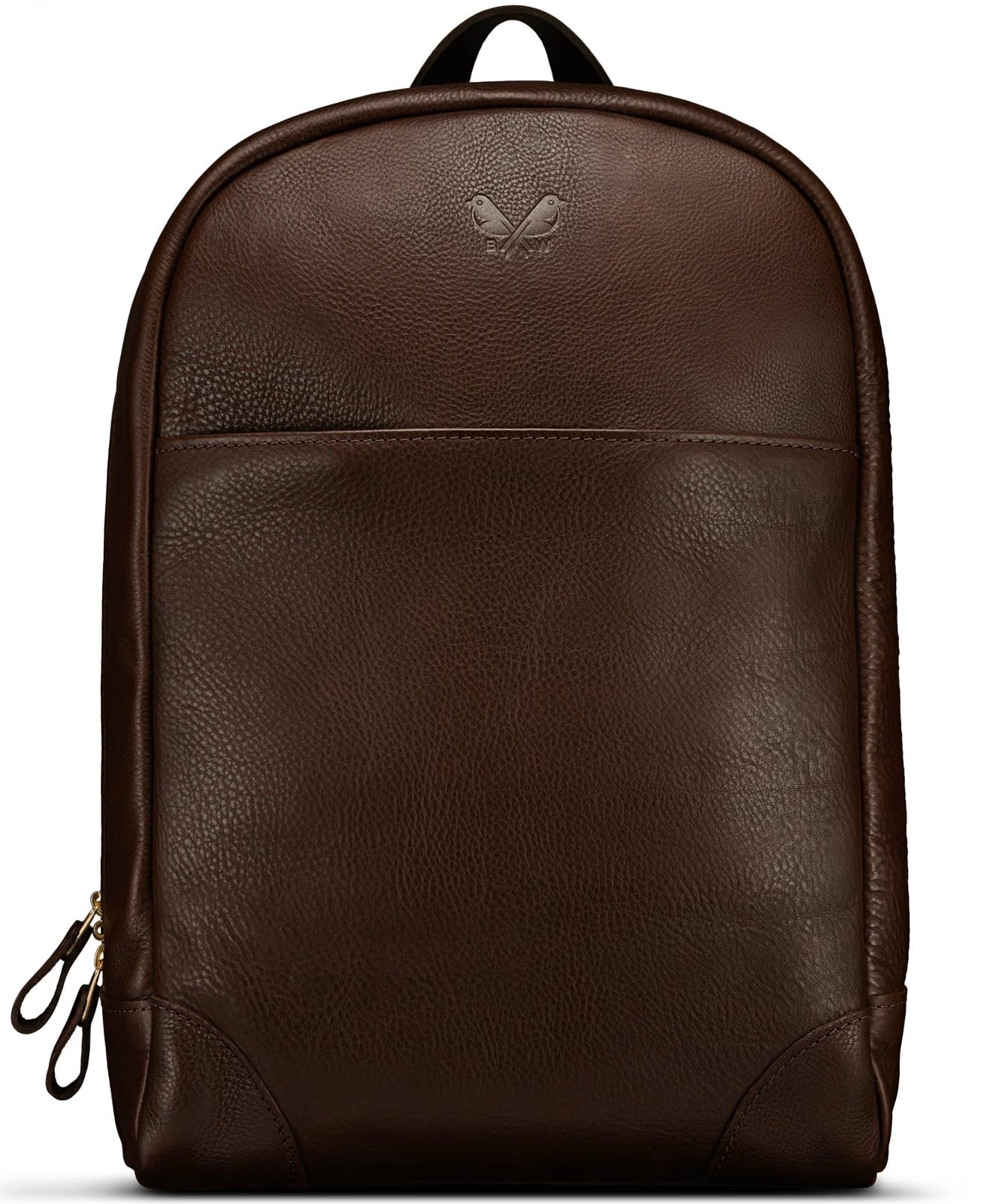
2. The Minimalist Choice: Leatherology Sloan Backpack
For those favoring a understated approach, the Sloan model offers a clean, architectural silhouette. Its appeal lies in the lack of exterior branding and unnecessary ornamentation. The use of soft yet durable full-grain leather ensures that the bag maintains its shape while providing a versatile aesthetic that transitions seamlessly from a corporate boardroom to a casual weekend setting.
3. Luxury Urban Utility: Saint Laurent City Leather Backpack
Saint Laurent has successfully leveraged its brand heritage to create an accessory that appeals to the fashion-forward professional. The City backpack is engineered for urban environments, featuring breathable back panels that mitigate discomfort during summer commutes. Its design language aligns with the "glam-rock" aesthetic for which the house is known, making it a popular choice for creative professionals.

4. The Investment Piece: Shinola The Runwell Backpack
Shinola, based in Detroit, has built its reputation on the concept of permanence. The Runwell backpack is constructed from premium leather that is specifically selected to improve with age. The brand’s commitment to high-quality hardware and reinforced stitching makes this a staple for those who view their accessories as long-term assets rather than seasonal purchases.
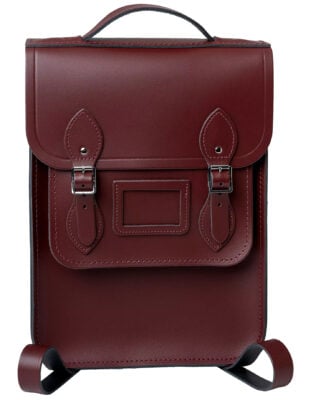
5. Retro-Functionalist: Cambridge Satchel The Portrait Backpack
Drawing inspiration from classic British leatherwork, the Cambridge Satchel Co. offers a design that leans into heritage styling. Its fold-down construction provides a distinct, intellectual aesthetic that distinguishes it from the more common, rounded backpack shapes found in current retail environments.

6. Accessible Professionalism: Samsonite Classic Leather Slim Backpack
Samsonite provides a compelling entry point for those seeking the benefits of leather without the premium markup associated with boutique brands. By leveraging their extensive manufacturing experience, they have produced a bag that balances weight, durability, and essential organizational features, effectively catering to the mid-level corporate professional.
7. Ethical Alternatives: Kenneth Cole On Track Pack
As the luxury market shifts, vegan leather—often derived from high-quality polyurethane or recycled plastics—has gained significant market share. The Kenneth Cole option addresses the demand for animal-free products while integrating modern safety features, such as RFID-blocking pockets, which are becoming a standard requirement for frequent travelers.

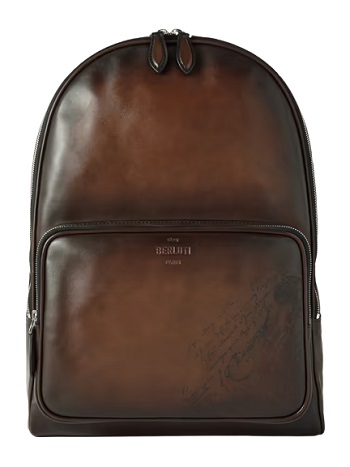
8. Italian Craftsmanship: Berluti Scritto Leather Backpack
Berluti represents the highest tier of the luxury spectrum. The brand’s signature Venezia leather is a result of a complex tanning process that allows for unique patinas. This backpack is not merely a utility item; it is a piece of art that reflects the owner’s investment in traditional Italian craftsmanship.
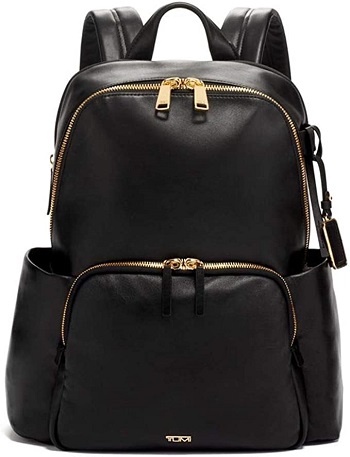
9. The Travel Specialist: Tumi Voyageur Backpack
Tumi remains the industry leader in luggage functionality. The Voyageur’s "Add-a-bag" system is a critical innovation for frequent flyers, allowing the backpack to slide securely over the handles of rolling luggage. This design choice highlights the brand’s focus on user experience and stress-free travel.
10. The Compact Professional: Dents Small Knightsbridge Backpack
Dents, a company with centuries of experience in leatherworking, offers a compact solution for those who prefer to carry only the bare essentials. This model demonstrates that a smaller, more focused bag can offer the same level of sophistication as larger counterparts.
11. The Tech-Optimized: Harber London Slim Laptop Backpack
Designed with the laptop user in mind, Harber London emphasizes internal architecture. By offering multiple sizes, they ensure that the user’s hardware is protected by snug, padded compartments, eliminating the "sloshing" effect common in ill-fitting bags.

12. High-Fashion Texture: Fendi Fendiness Backpack
Suede is often avoided in high-utility bags due to its sensitivity, but the Fendi Fendiness redefines this through luxury material treatment. It serves as a statement piece for professionals who want to introduce tactile variety into their wardrobe.
13. Bold Statement: Christian Louboutin Backparis Backpack
Incorporating the brand’s iconic spiked aesthetic, this bag is designed for those who use their attire to make a statement. It represents the intersection of luxury fashion and functional streetwear.

14. Heritage Business: Allen Edmonds Saddle Leather Tech Backpack
Known primarily for footwear, Allen Edmonds has applied its knowledge of leather durability to the backpack market. This piece is specifically designed to complement their professional shoe lines, providing a cohesive look for the traditional businessman.
15. Sustainable Performance: Von Holzhausen Classic Backpack
This brand addresses the intersection of performance and ethics. By using recycled materials to create a waterproof, high-durability finish, they cater to the modern, eco-conscious consumer who refuses to sacrifice style for functionality.
Analytical Framework: Selecting the Right Investment
When evaluating these options, professionals should prioritize three specific criteria: material composition, hardware quality, and internal geometry.
Material composition dictates the bag’s lifespan. Full-grain leather is the gold standard, as it remains the strongest part of the hide. Conversely, while faux leathers have improved in quality, they rarely possess the ability to age or be repaired in the same manner as natural hides.
Hardware—zippers, buckles, and clasps—is frequently the first point of failure. Brands that utilize solid brass or high-grade stainless steel hardware demonstrate a commitment to longevity. A backpack with a faulty zipper is a useless accessory; therefore, checking the gauge and origin of the hardware is a necessary step in the procurement process.
Finally, internal geometry must align with the user’s specific daily load. A bag that is too small will result in stretched seams, while one that is too large will lead to item migration and potential damage to electronics.
The shift toward premium leather backpacks is a reflection of the evolving nature of the professional identity. As the boundaries between work and personal life blur, the tools we carry must reflect a higher standard of both form and function. Investing in a high-quality leather backpack is, in essence, an investment in one’s own professional presentation and long-term utility.
