
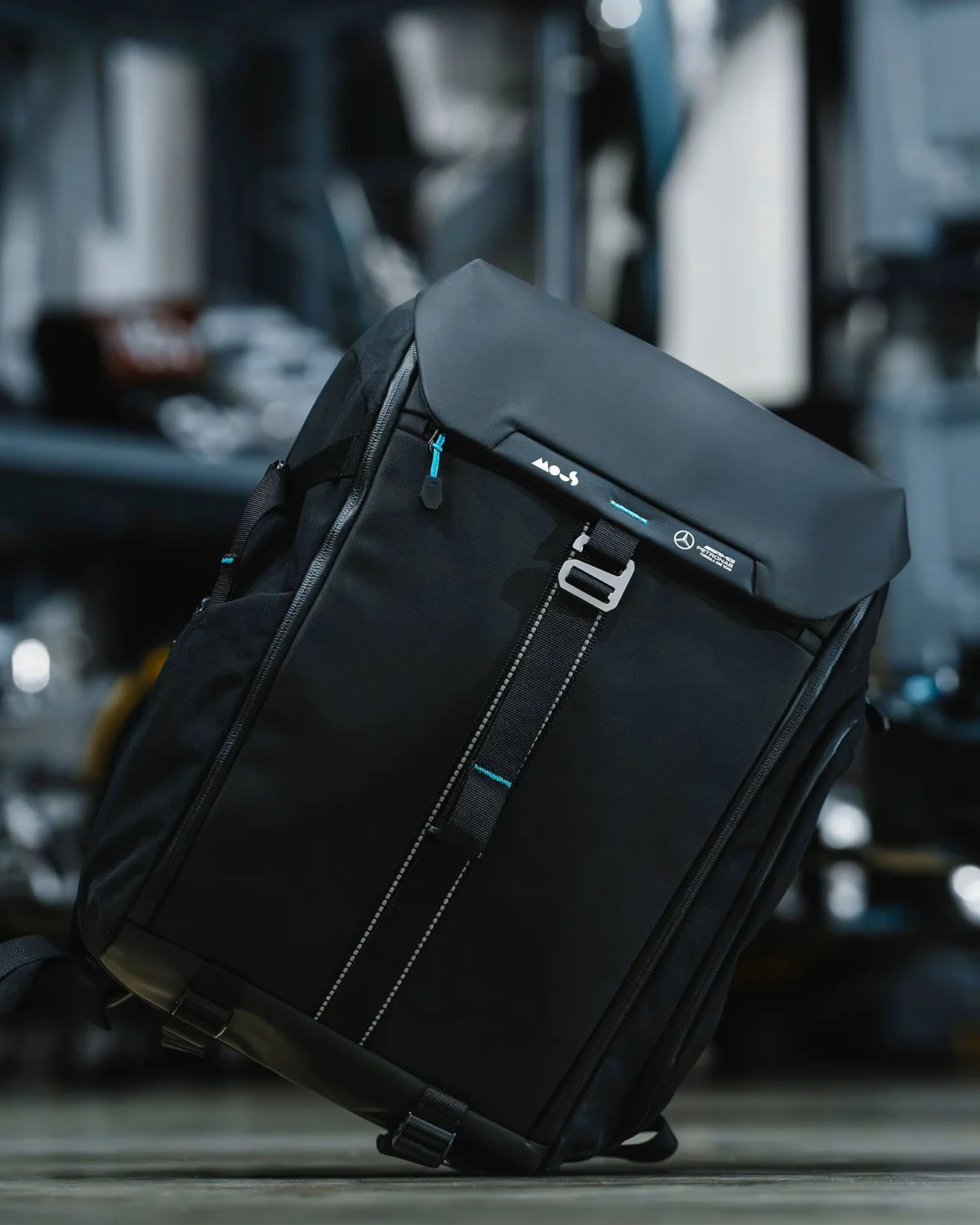
The intersection of high-octane motorsport and premium consumer carry-goods has reached a new milestone with the release of the Optimal Protective Lid Backpack, a collaboration between the tech-protection specialists at Mous and the Mercedes-AMG PETRONAS Formula 1 Team. Designed to meet the grueling logistical demands of the F1 circus, the bag serves as a case study in industrial design, blending high-impact material science with the aesthetic requirements of a professional, mobile-first workforce.
The Context of High-Performance Travel
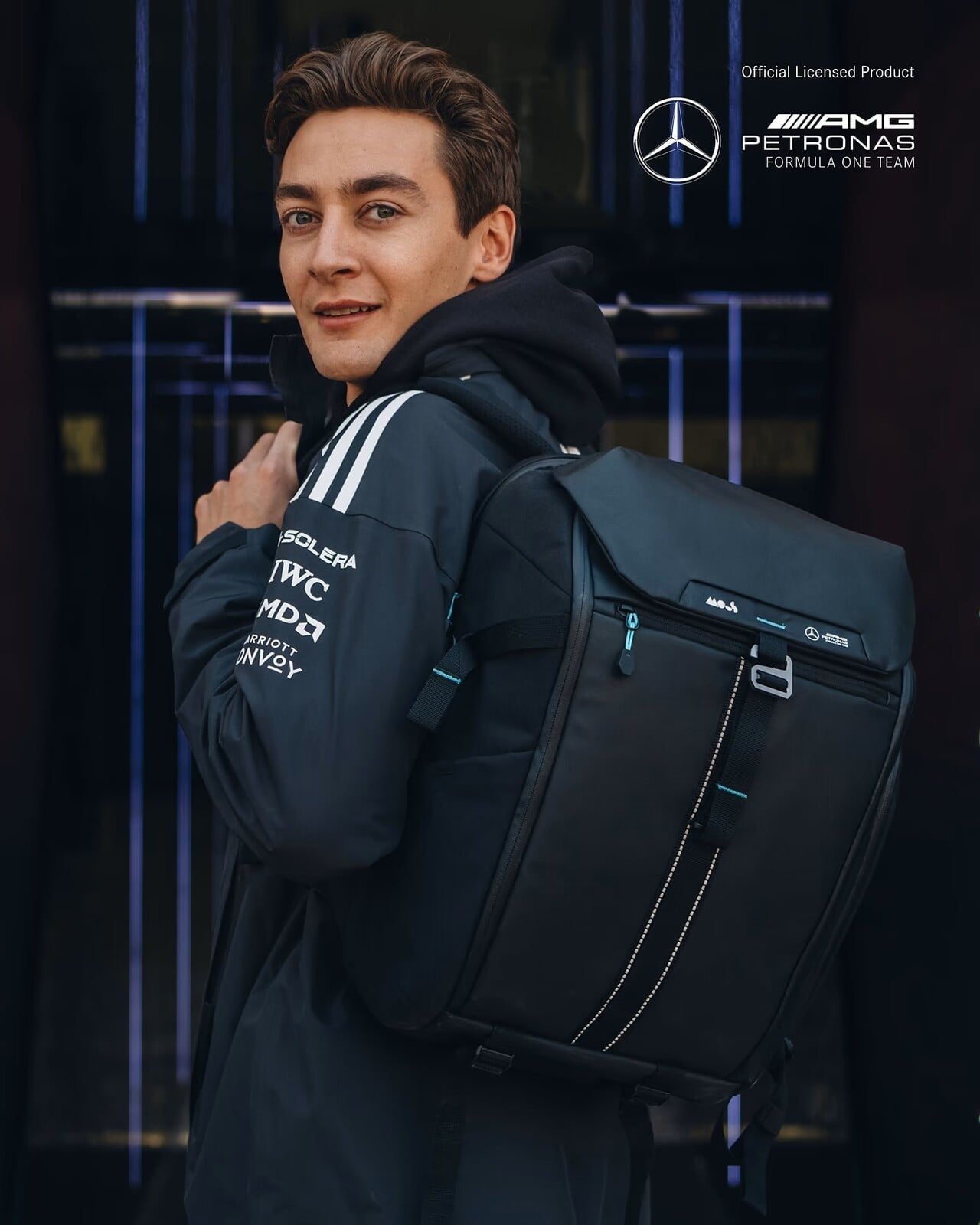
Formula 1 is arguably the most logistically complex sport on the planet. With a calendar spanning 24 Grands Prix across five continents, the Mercedes-AMG PETRONAS team members—ranging from trackside aerodynamicists and data engineers to communications staff—spend upwards of 200 days a year in transit. This environment necessitates gear that can withstand the physical rigors of constant travel while ensuring that mission-critical electronics, such as high-performance laptops and diagnostic tablets, remain pristine.
Prior to this collaboration, the standard-issue gear for many F1 teams was functional but lacked a cohesive design language. Mous was tasked with addressing the "compromise" inherent in most technical backpacks: the tendency for high-durability gear to be overly bulky or aesthetically unrefined. By pivoting from their core competency in mobile phone protection to soft goods, Mous aimed to integrate their proprietary AiroFoam technology into a form factor that fits seamlessly into both a carbon-fiber-clad paddock and a corporate boardroom.
Engineering the Optimal Carry
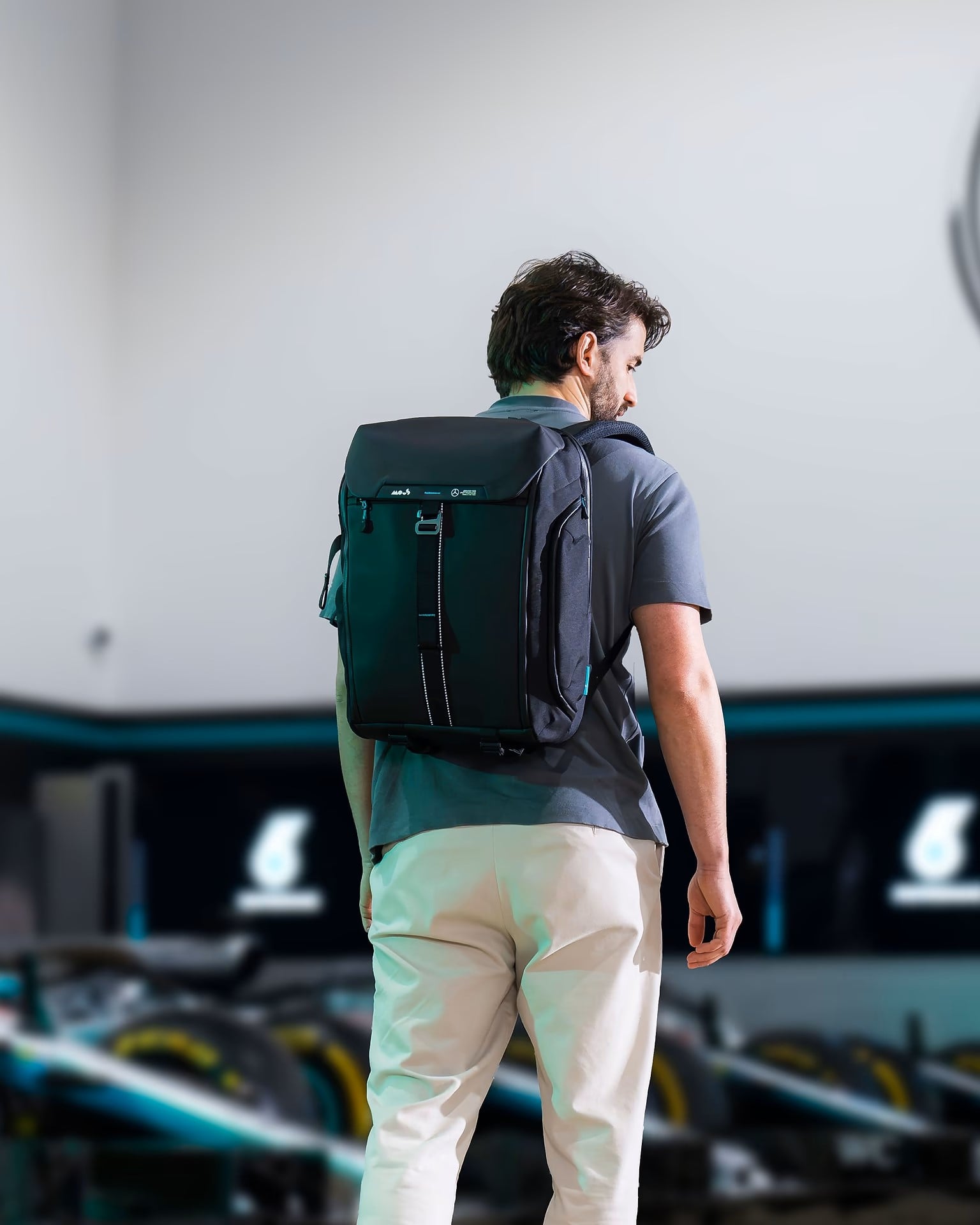
The development process for the Optimal Protective Lid Backpack began with a direct consultation period between Mous designers and the Mercedes-AMG F1 personnel. The brief was centered on three key pillars: weight reduction, high-density organization, and modular protection.
The bag features a 25-litre capacity, a size statistically favored for cabin-compliant luggage. At 1.55kg, the construction utilizes 840D ballistic nylon, a high-tenacity fabric known for its resistance to abrasion and tearing. To address the weight concerns of the F1 staff, the engineering team removed redundant foam padding, opting instead for a structural geometry that maintains shape integrity without unnecessary mass.
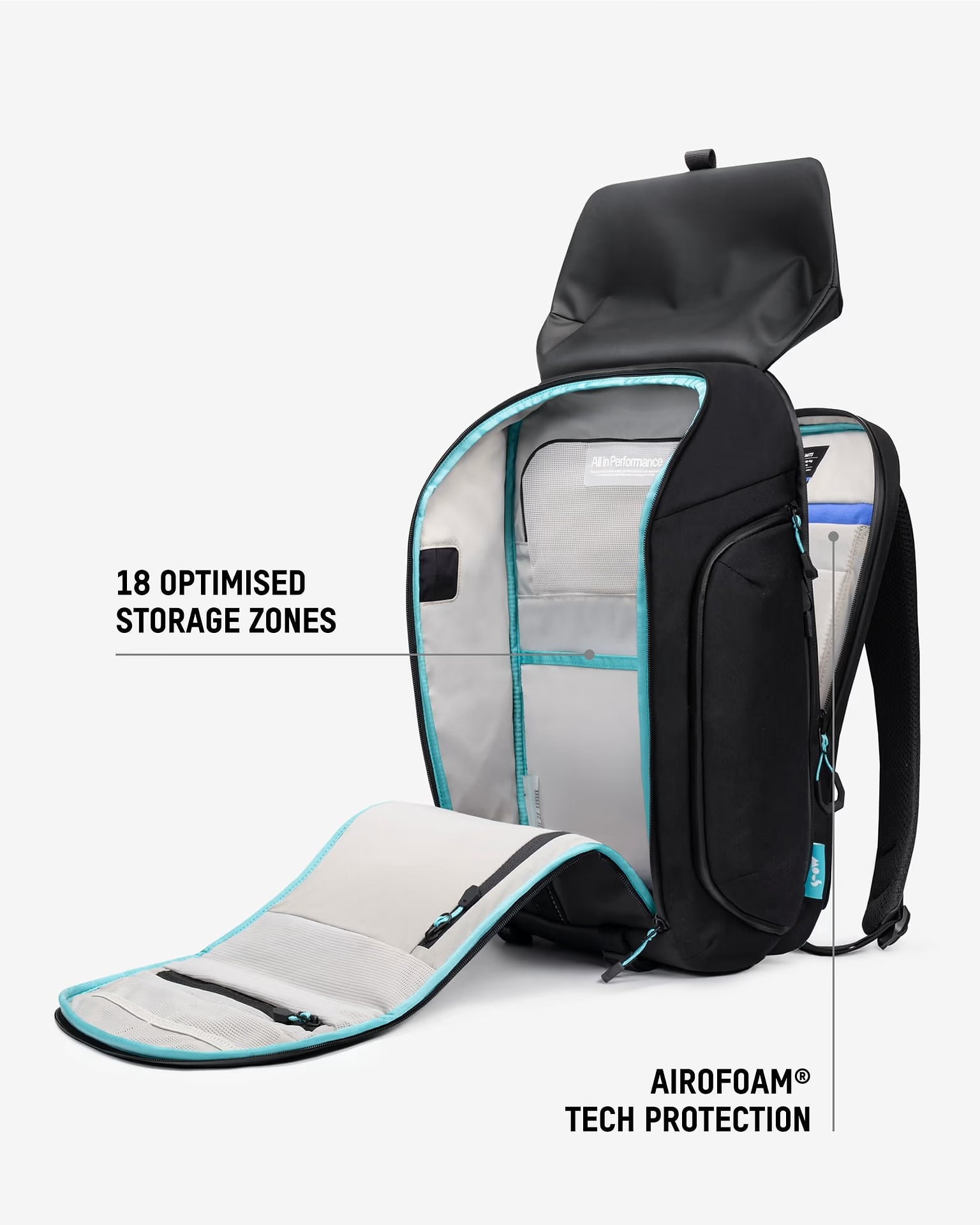
Central to the bag’s architecture is the integration of AiroFoam in the primary tech compartment. This non-Newtonian material is engineered to remain malleable under normal conditions, allowing for a comfortable fit against the back, but it undergoes a molecular transition upon impact to absorb and dissipate kinetic energy. Internal testing reports indicate the bag provides protection for electronic devices against drops of up to 1.2 meters, a critical metric for professionals transporting high-value equipment.
Structural Design and User Interface
The organization of the backpack is characterized by a "logical hierarchy" of 18 distinct compartments. The design philosophy focuses on reducing the cognitive load of the user during high-stress travel sequences, such as airport security checkpoints.
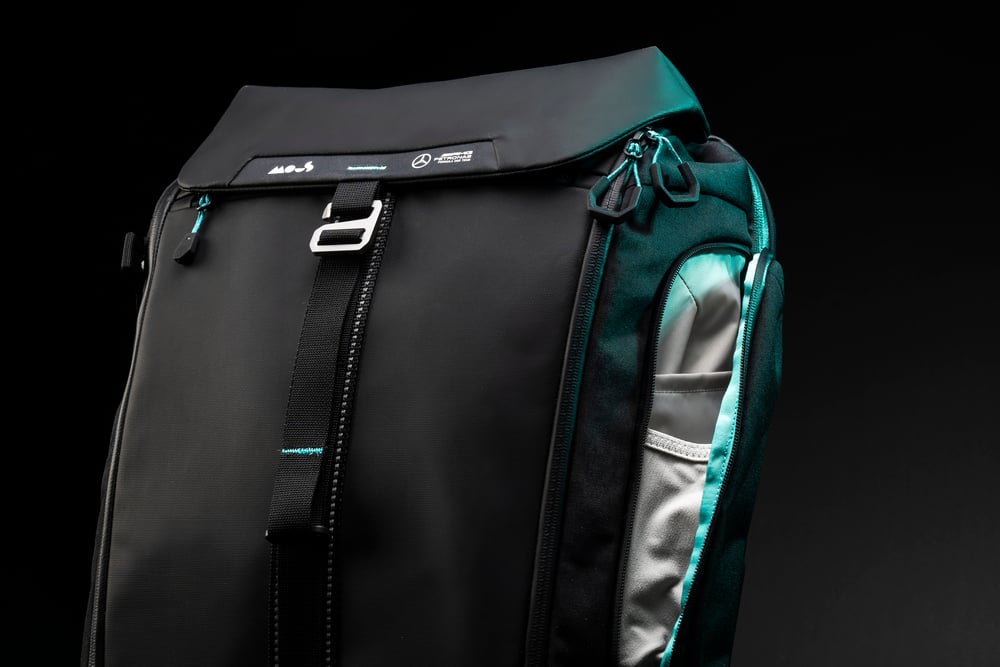
The exterior layout prioritizes quick-access points:
- A dedicated lid pocket for travel documents and boarding passes.
- A base-level pocket for chargers or high-capacity power banks.
- Dual side pockets, one of which is optimized for hydration vessels.
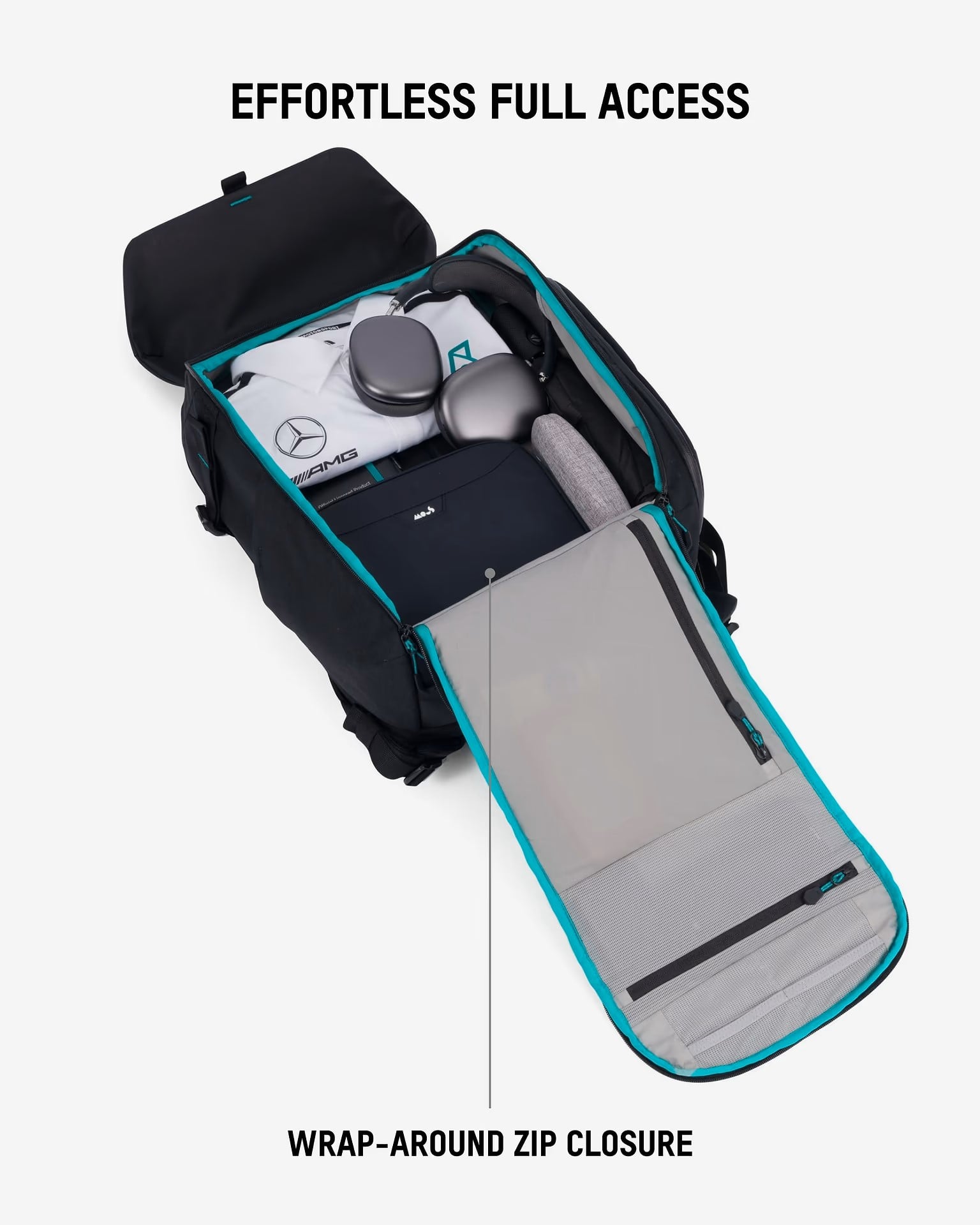
Internally, the bag features a full-clamshell opening mechanism. This allows for a horizontal packing configuration, facilitating easier access to items without the need to "dig" through the pack. The back panel includes a discreetly integrated passport pocket, secured with a low-profile YKK zipper designed to remain flush against the body, minimizing the risk of unauthorized access or discomfort during extended wear.
Material Science and Environmental Durability
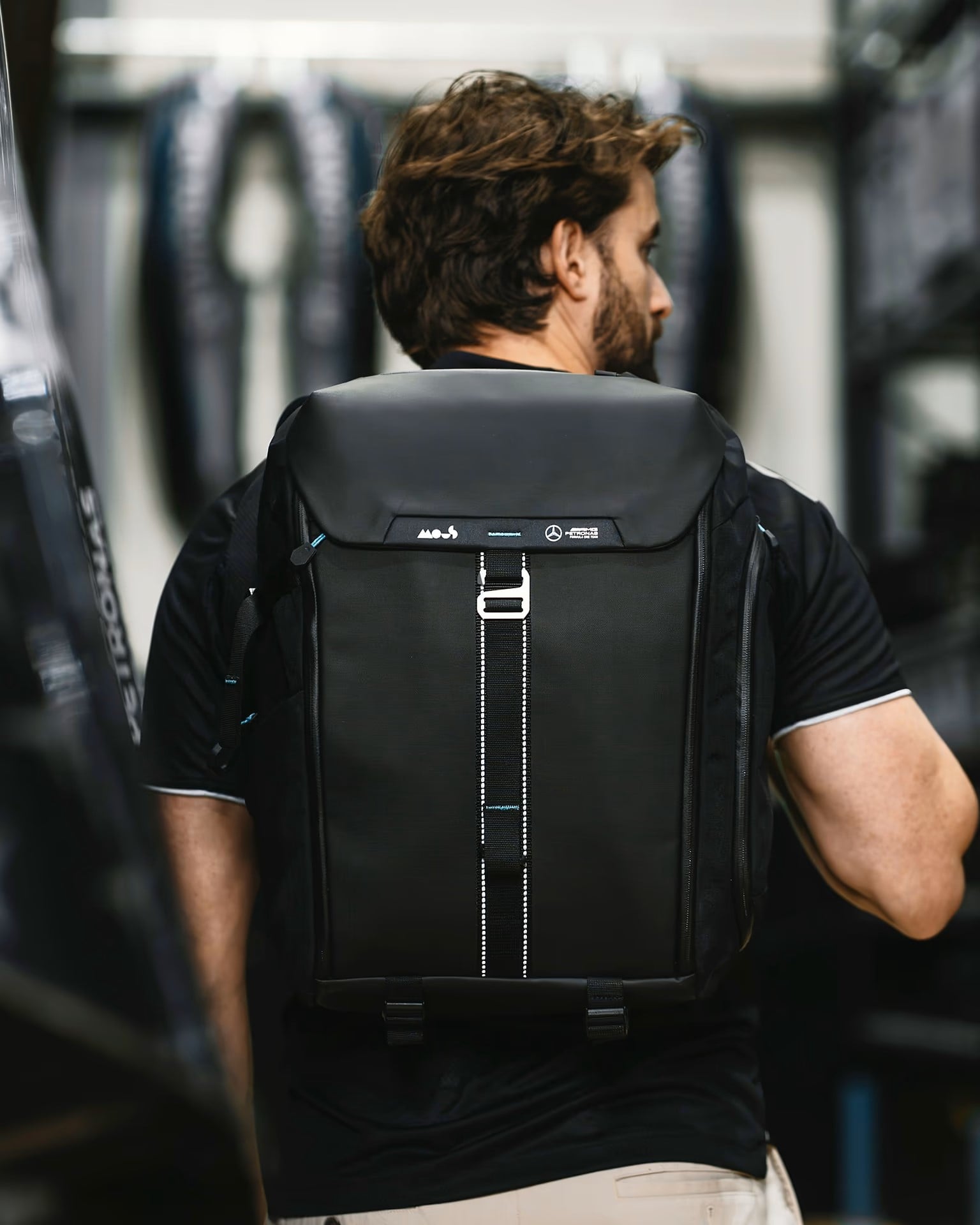
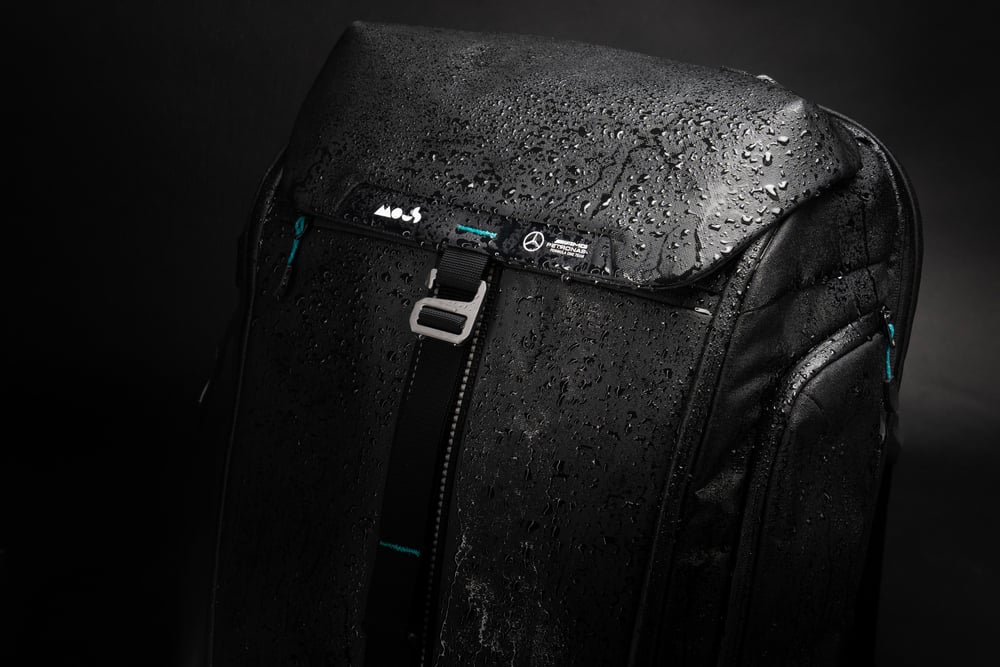
The exterior shell is treated with a specialized water-resistant coating, complemented by PU-coated YKK zippers. While the product is not rated as submersible, it is designed to withstand significant exposure to environmental elements, such as heavy rain during outdoor transit. The use of reinforced 500D panels in high-wear areas indicates a focus on longevity, a factor further supported by the 25-year limited lifetime warranty offered by the manufacturer.
The back panel is constructed from a high-airflow, breathable mesh. This is a direct response to the heat-retention issues common in technical packs. The shoulder straps have been ergonomically contoured to distribute weight across the trapezius and deltoid muscles, mitigating fatigue during long periods of movement through transit hubs.
The Aesthetics of Professional Collaboration
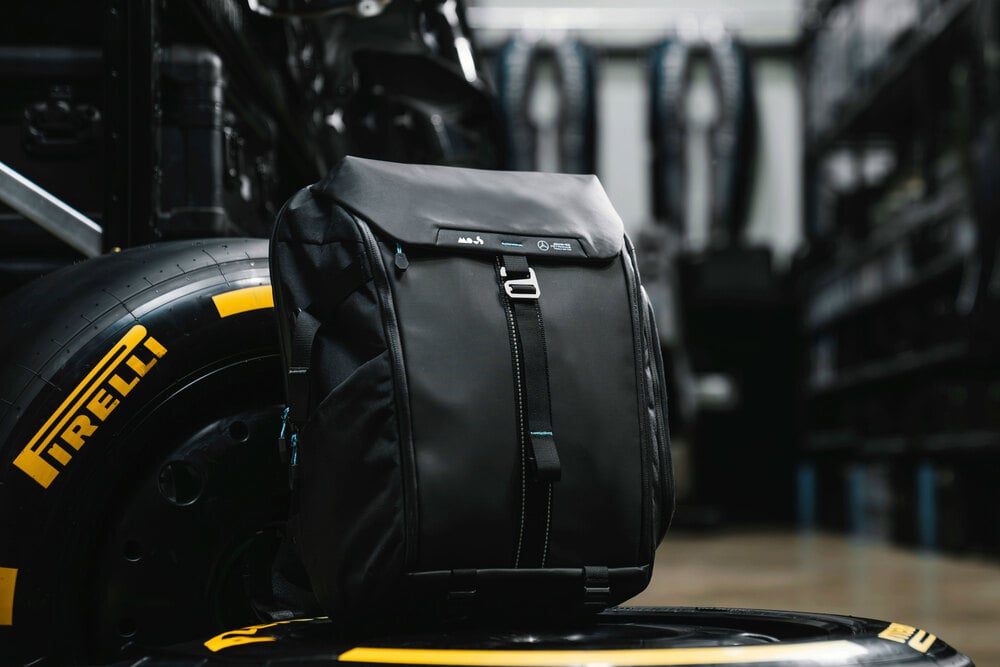
In the current market, brand collaborations often rely on maximalist branding—oversized logos and aggressive colorways. The Mous x Mercedes-AMG partnership takes a restrained approach. The branding is subtle, utilizing the Mercedes-AMG F1 mark in a muted application that emphasizes the silhouette and texture of the bag rather than the partnership itself.
A unique element of this collaboration is the personalization feature. Each team-issued bag includes embroidery representing the individual member’s ID number. This detail, while ostensibly functional for inventory and identification purposes within the team, has become a point of connection for the consumer, allowing for a tangible link between the user and the professional racing environment.
Market Implications and Future Outlook
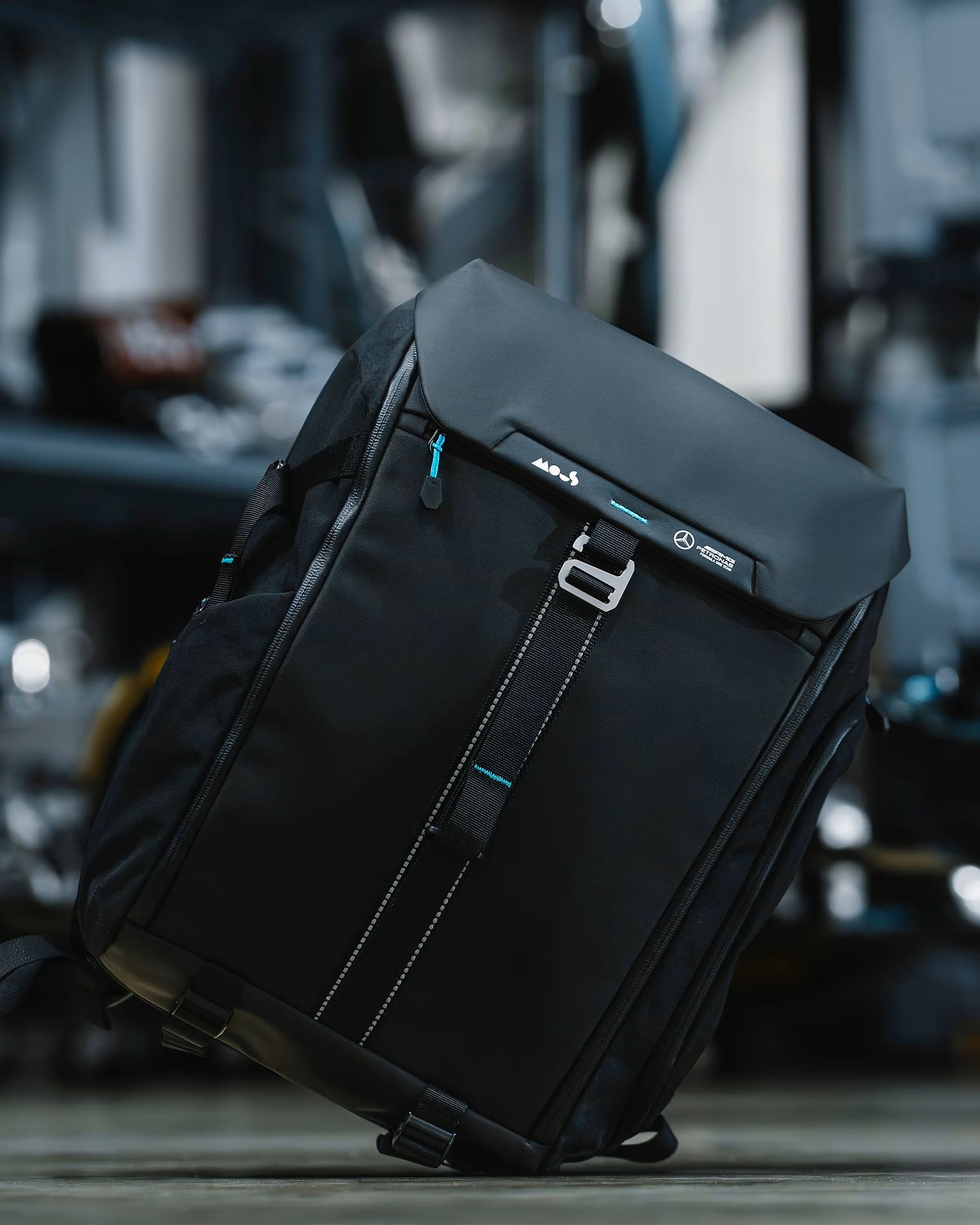
The release of this backpack reflects a broader trend in the lifestyle and fashion industry: the "professionalization" of everyday carry. As mobile technology continues to dominate the workflow of the modern workforce, the demand for gear that functions as a bridge between travel luggage and office equipment is projected to grow.
Market data suggests that premium, high-durability backpacks are increasingly capturing market share from traditional briefcases. The success of the Optimal range, as evidenced by user feedback scores and the longevity of the partnership between Mous and Mercedes-AMG, suggests that the "technical-luxury" segment is maturing. Consumers are no longer willing to sacrifice performance for aesthetics, and the success of this product serves as a validation of that shift.
Comparative Analysis: The ULTRATEX Variant
For users whose primary constraint is weight rather than extreme impact protection, Mous has introduced an ULTRATEX variant. This iteration utilizes advanced textile engineering to provide a lighter-weight alternative while maintaining the core structural integrity of the standard model. This diversification of the product line demonstrates an understanding of the varying needs within the mobile professional market, from the frequent flyer who prioritizes weight to the field engineer who requires maximum protection.
Conclusion and Practical Utility
The Mous x Mercedes-AMG F1 Team Backpack functions as a high-utility tool that successfully navigates the tension between form and function. By stripping away extraneous design elements and focusing on the core mechanics of travel and protection, the manufacturers have produced a product that is, above all, reliable.
Whether for the professional navigating the global racing calendar or the corporate commuter managing a high-frequency travel schedule, the bag offers a refined solution to the common anxieties of transit. It represents a synthesis of data-driven design and material innovation, setting a new benchmark for how collaborative products can elevate the standards of consumer performance gear. Through its blend of understated branding, logical organizational structure, and sophisticated impact technology, it stands as a testament to the benefits of professional-grade design applied to everyday life.
