
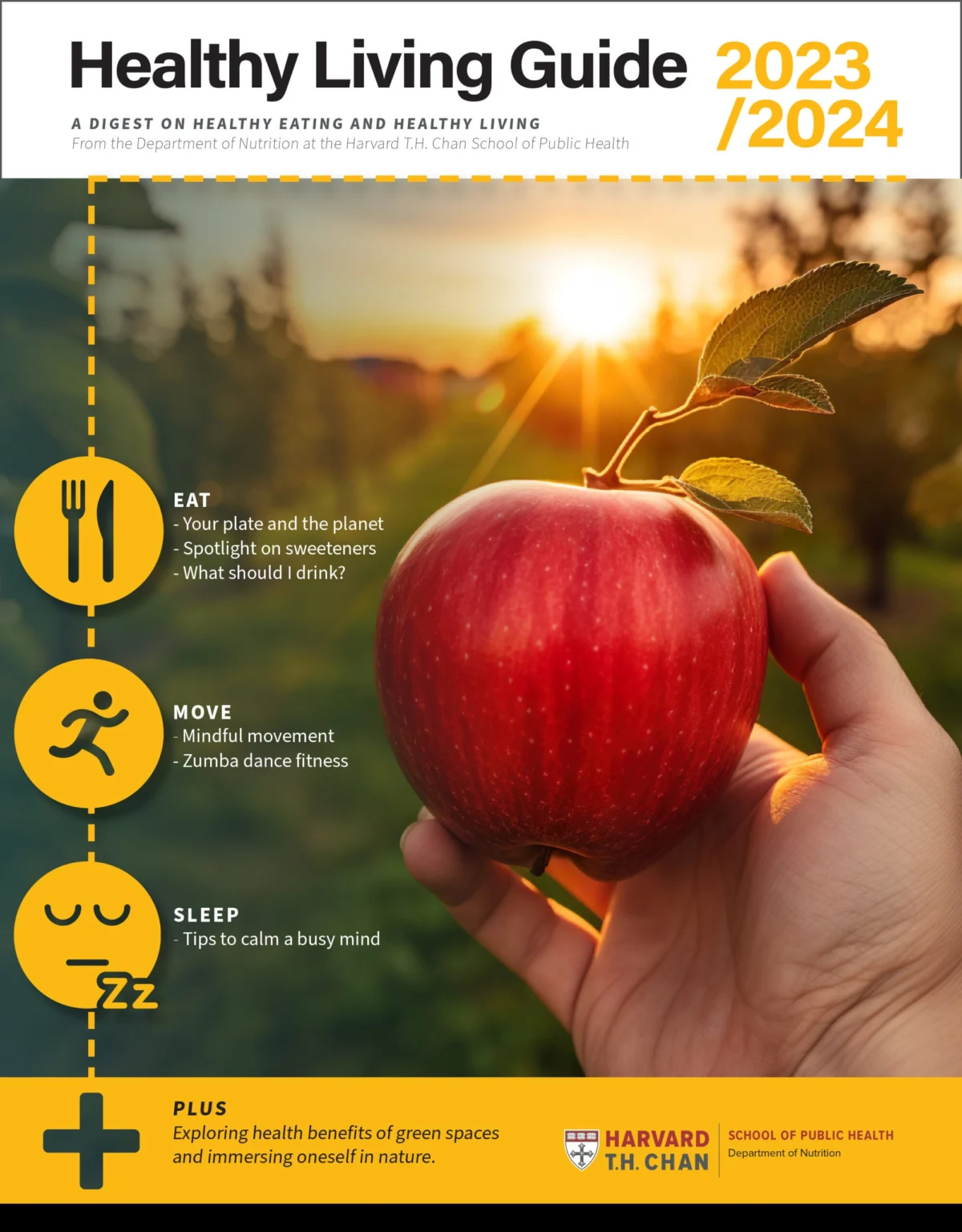
The Department of Nutrition at Harvard T.H. Chan School of Public Health has unveiled its fourth annual Healthy Living Guide, a comprehensive resource designed to equip individuals with evidence-based strategies for enhanced well-being. This latest edition, released at the dawn of 2024, marks a significant evolution, integrating the principles of mindfulness into the discourse on nutrition, physical activity, and sleep. The guide’s thematic shift is largely inspired by the establishment of the Thich Nhat Hanh Center for Mindfulness in Public Health, a new initiative within the department dedicated to exploring and promoting the application of mindfulness for improved health outcomes at both individual and population levels.
The Rise of Mindfulness in Public Health: A New Frontier
The launch of the Thich Nhat Hanh Center for Mindfulness in Public Health in 2023 represents a landmark development in the field of public health. Named in honor of the revered Zen master and peace activist, the Center is strategically positioned to bridge the gap between contemplative practices and actionable public health interventions. Its core mission is to investigate how mindfulness, a practice characterized by present-moment awareness without judgment, can be leveraged to foster healthier lifestyles and mitigate the burden of chronic diseases across diverse communities.
A central tenet of the Center’s research agenda is the exploration of mindful eating and its multifaceted impact on personal health and the sustainability of global food systems. This focus aligns seamlessly with the overarching goals of the Healthy Living Guide, ensuring that the principles of intentional and aware consumption are woven into the fabric of the guide’s recommendations. The Center’s work acknowledges that individual dietary choices have profound implications not only for personal health but also for environmental sustainability, a growing concern in the global public health discourse.
Key Pillars of the 2024 Healthy Living Guide
The 2024 Healthy Living Guide continues to build upon the foundational elements of nutrition, physical activity, and sleep, while incorporating the newly emphasized mindfulness dimension. This year’s edition presents a wealth of updated research and practical advice across these critical domains:
1. Nutrition: Beyond the Plate
This year’s guide delves deeply into the complex relationship between diet and mental health, with a particular spotlight on the growing body of research concerning ultra-processed foods (UPFs). Studies have increasingly linked high consumption of UPFs – foods that are typically formulated with additives and ingredients not commonly found in home kitchens – to a range of adverse mental health outcomes, including increased risks of depression and anxiety. For instance, a significant meta-analysis published in the journal Psychological Medicine in 2023 reviewed multiple studies and found a consistent association between UPF intake and a higher likelihood of developing depressive symptoms. The Guide offers practical strategies for identifying and reducing UPF consumption, advocating for a return to whole, minimally processed foods as a cornerstone of both physical and mental well-being.
Furthermore, the guide explores the concept of mindful eating, encouraging individuals to cultivate a more intentional and appreciative relationship with food. This involves paying attention to hunger and fullness cues, savoring the sensory experience of eating, and understanding the origins of one’s food. By fostering these mindful practices, individuals can move away from mindless or emotional eating patterns, leading to better weight management and improved digestive health.
2. Physical Activity: Finding Joy in Movement
Recognizing that sustained engagement with physical activity is often contingent on enjoyment, the Healthy Living Guide highlights innovative approaches to exercise. This year, the guide features insights into the benefits of engaging with rhythmic and social forms of movement, such as Zumba. Research has demonstrated that group fitness activities like Zumba not only promote cardiovascular health and calorie expenditure but also contribute significantly to psychological well-being through social connection and the release of endorphins. A study published in the Journal of Sports Science and Medicine in 2022 found that participants in Zumba programs reported lower levels of stress and improved mood compared to those engaging in solitary exercise.
The guide also emphasizes the importance of incorporating physical activity into daily routines, moving beyond structured workouts. This includes advocating for increased incidental activity, such as taking the stairs, walking during breaks, and engaging in active hobbies. The integration of mindfulness into physical activity encourages individuals to be present during their movements, enhancing the overall experience and promoting a more sustainable commitment to an active lifestyle.
3. Sleep: Understanding Your Chronotype
The crucial role of sleep in overall health is a perennial focus of the Healthy Living Guide. This year’s edition sheds light on the concept of "chronotypes" – individual differences in the timing of our natural sleep-wake cycles. Chronotypes, often categorized as early birds (larks) and night owls, are influenced by a combination of genetics and environmental factors. Understanding one’s chronotype can be instrumental in optimizing sleep schedules, improving sleep quality, and consequently, enhancing cognitive function, mood regulation, and metabolic health.
The guide presents evidence that aligning daily activities, including meal times and exercise, with one’s chronotype can lead to better health outcomes. For instance, research published in Sleep Medicine Reviews in 2023 indicated that misalignment between social schedules and biological chronotypes, often referred to as "social jetlag," is associated with an increased risk of obesity, diabetes, and cardiovascular disease. The Guide provides actionable advice for individuals to identify their chronotype and make necessary adjustments to their routines to promote more restorative sleep.
A Broader Context: The Evolution of Public Health Guidance
The shift towards integrating mindfulness into public health strategies is not an isolated phenomenon. It reflects a growing recognition within the scientific and public health communities that mental and emotional well-being are inextricably linked to physical health. The COVID-19 pandemic, in particular, underscored the vulnerability of global populations to stress, anxiety, and social isolation, prompting a greater emphasis on holistic approaches to health that address the mind-body connection.
The Thich Nhat Hanh Center for Mindfulness in Public Health, with its commitment to population-level interventions, is poised to contribute significantly to this evolving landscape. By translating the principles of mindfulness into accessible and evidence-based public health programs, the Center aims to foster resilience and well-being on a scale that can impact entire communities and nations. The integration of these principles into the Healthy Living Guide serves as a practical demonstration of this commitment, offering tangible tools for individuals to cultivate healthier lives.
Implications and Future Directions
The implications of this expanded focus on mindfulness in public health are far-reaching. By promoting mindful eating, individuals may not only improve their dietary habits but also develop a greater appreciation for the environmental impact of their food choices, potentially leading to more sustainable consumption patterns. Similarly, mindful movement can transform exercise from a chore into a source of joy and connection, fostering greater adherence and long-term health benefits. Understanding and respecting individual chronotypes can lead to improved sleep, which is fundamental for cognitive function, emotional regulation, and overall physical health.
The Healthy Living Guide serves as a vital resource for the public, offering evidence-based information in an accessible format. The inclusion of printable tip sheets and summaries, alongside links to full online articles, ensures that individuals can engage with the material in ways that best suit their learning preferences. The challenge for public health practitioners and researchers moving forward will be to continue to explore the most effective ways to disseminate these principles and integrate them into public health policy and practice.
Looking Ahead: A Mindful Path to Well-being in 2024
As the Department of Nutrition at Harvard T.H. Chan School of Public Health releases this updated Healthy Living Guide, it extends a hopeful vision for 2024. The integration of mindfulness practices alongside established pillars of nutrition, physical activity, and sleep offers a more holistic and integrated approach to well-being. By embracing intentionality, awareness, and connection in our daily lives, individuals are empowered to cultivate not only healthier bodies but also more resilient minds and a deeper connection to the world around them. The guide’s emphasis on both personal and planetary health underscores the interconnectedness of our individual choices with the broader global ecosystem, a crucial perspective for navigating the challenges of the 21st century.
The downloadable PDF version of the Healthy Living Guide provides a tangible starting point for individuals seeking to embark on a journey towards a healthier, more fulfilling, and mindful year. The resource also includes a quiz to test healthy living knowledge, with answers found in the previous year’s guide, encouraging continuous learning and engagement with these vital health principles. The continued commitment to providing accessible, research-backed guidance positions Harvard’s Department of Nutrition as a key contributor to public health education and advocacy.
