
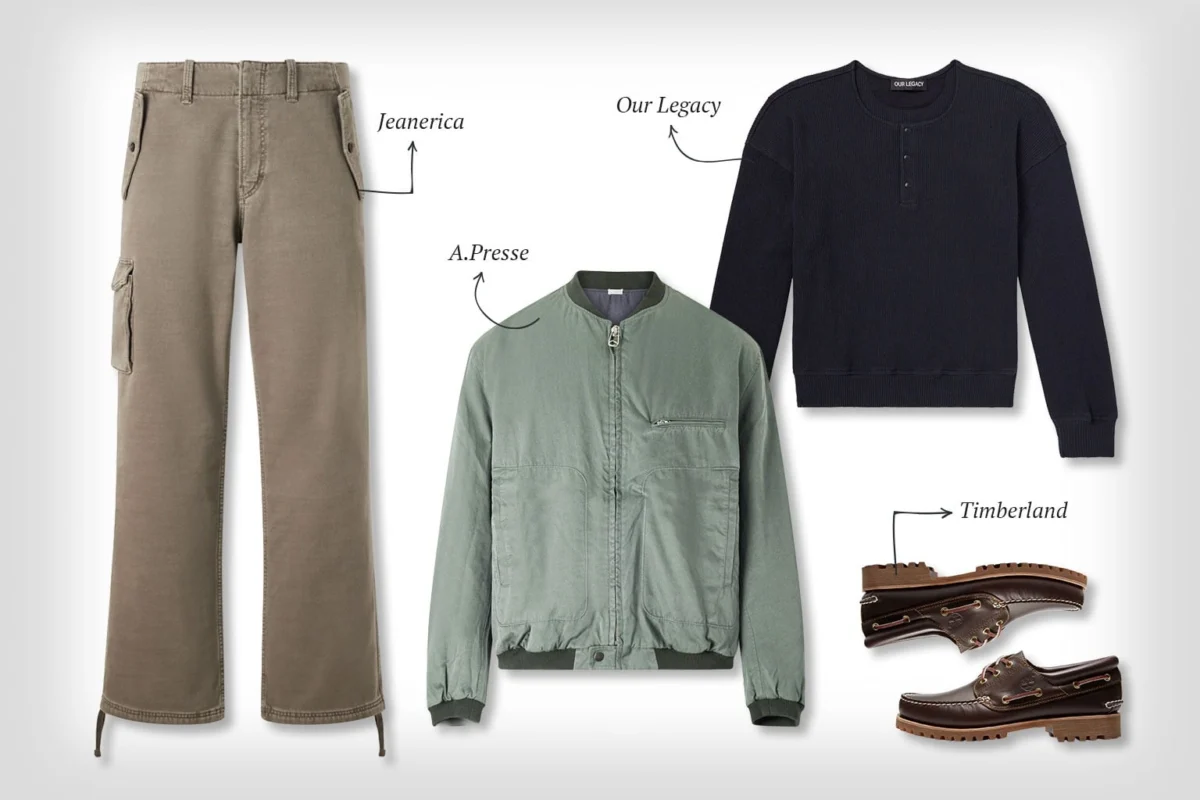
The modern sartorial landscape has shifted significantly as the lines between formal attire and leisurewear continue to blur, leading to the emergence of the “deck” aesthetic. As of October 4, 2026, this style has transitioned from a niche maritime subculture into a broader, sophisticated menswear trend characterized by utility, breathable fabrics, and refined silhouettes. This shift is not merely a seasonal whim but a reflection of the evolving lifestyle requirements of the contemporary professional who demands versatility without sacrificing aesthetic integrity.
The Evolution of Maritime Style in Modern Fashion
Historically, deck-inspired fashion was tethered strictly to the nautical requirements of sailing and coastal living. The functional necessity for non-slip footwear, wind-resistant outwear, and moisture-wicking materials dictated the wardrobe of the mariner. However, contemporary designers have begun to decouple these items from their purely utilitarian roots.
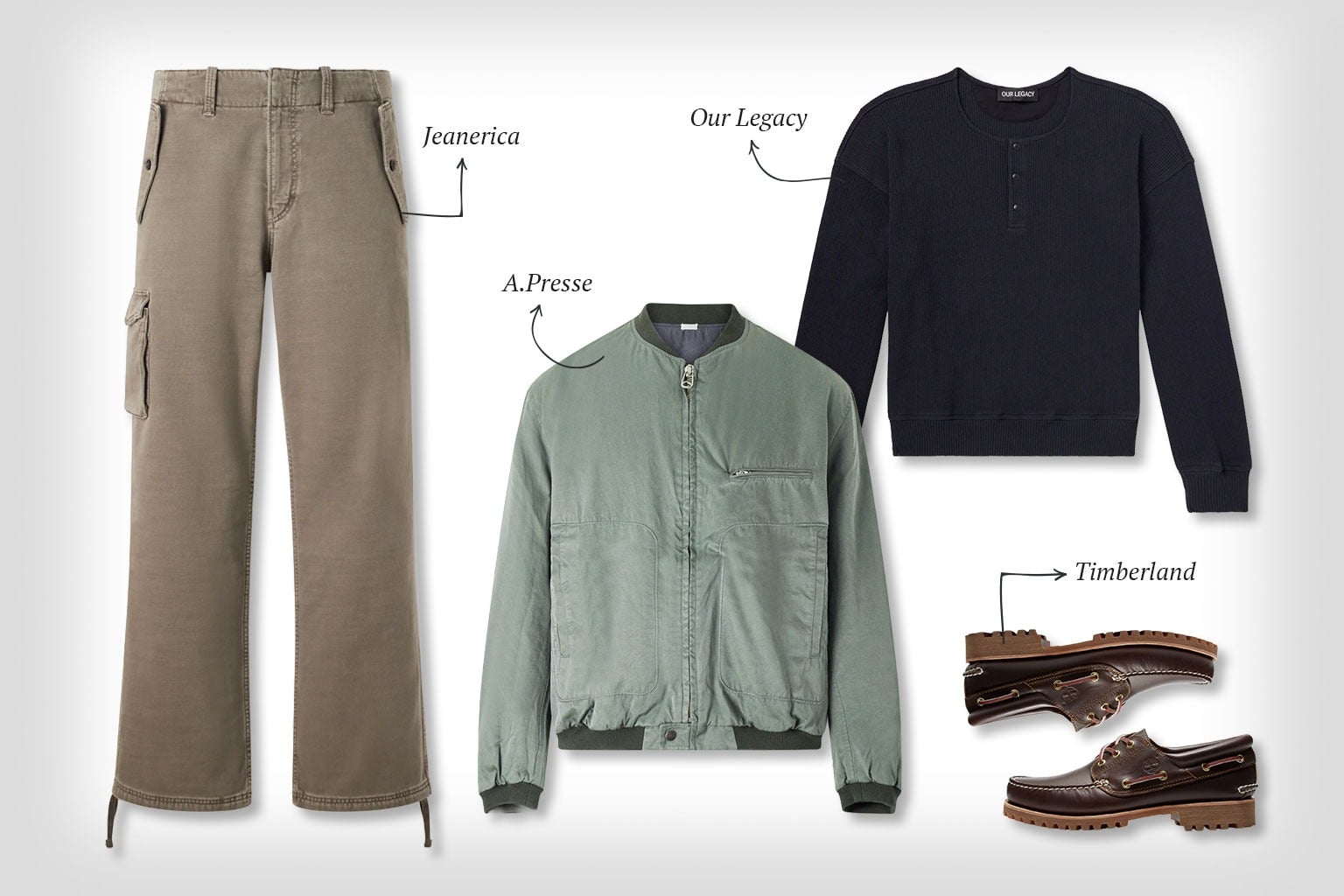
The current trend represents a hybrid approach: incorporating the durable craftsmanship of traditional naval gear while utilizing modern textile technology. Luxury houses have identified a growing consumer demand for “off-duty elegance,” where the comfort of casual wear meets the precision of high-end tailoring. This evolution is evident in the current market, where pieces like the A.Presse bomber jacket—priced at 2,800—are being styled alongside technical trousers and classic leather boat shoes to create a look that is equally appropriate for a seaside club or an urban weekend outing.
Chronology of the Trend’s Ascent
The ascent of deck-inspired fashion can be traced back to the late 2024 fashion cycles, where major runway shows in Milan and Paris began to experiment with nautical palettes—navys, whites, and ochres—paired with oversized, relaxed cuts. By early 2025, the influence of “quiet luxury” had solidified, pushing consumers away from logos and toward high-quality, long-lasting staples.
By the spring of 2026, the retail market saw a significant uptick in the acquisition of “hybrid-wear.” Data from major luxury retailers, including Mr Porter, indicates that the Q2 and Q3 of 2026 saw a 14% increase in searches for boat shoes and cotton-twill trousers. This data points to a broader market shift: consumers are investing in durable, high-utility items that bridge the gap between outdoor functionality and refined indoor aesthetics.
Key Components of the Deck Aesthetic
To understand the current dominance of the deck aesthetic, one must examine the foundational pieces that define the look. Each item serves a specific purpose while contributing to a cohesive, minimalist silhouette.
1. Outerwear: The Bomber Jacket
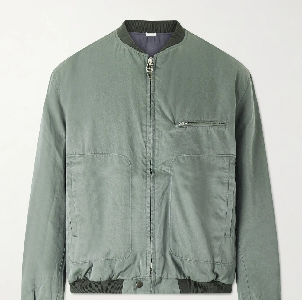
The modern bomber has moved away from its flight-jacket origins to become a staple of contemporary layering. Current iterations, such as those produced by A.Presse, favor silk and cotton blends. These materials offer the necessary thermal protection of a windbreaker while maintaining a sophisticated, soft hand-feel that makes them suitable for upscale environments.
2. The Mid-Layer: The Henley
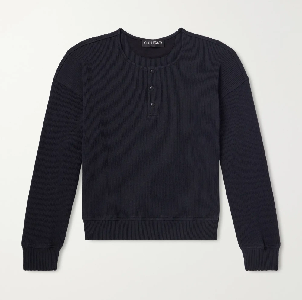
The ribbed, stretch-cotton Henley has emerged as the essential mid-layer. It provides a tactile contrast to the outer shell of a jacket and serves as a base layer that maintains its shape throughout the day. Its heritage in athletic wear lends it an air of informality, yet its structural integrity allows it to be worn under a blazer or a heavy bomber without appearing unkempt.
3. Trousers: Straight-Leg Utility
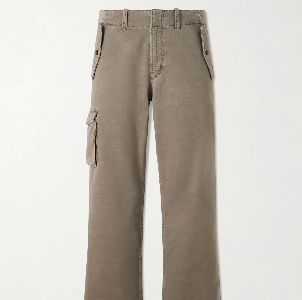
The movement away from slim-fit denim has paved the way for straight-leg, cotton-twill trousers. Brands like Jeanerica have successfully bridged the gap between workwear and luxury by refining the cut of these trousers, making them compatible with both sneakers and loafers. The fabric’s weight is critical; it must be substantial enough to drape correctly while remaining breathable for warmer climates.
4. Footwear: The Lug-Sole Boat Shoe
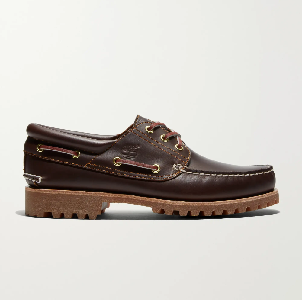
Perhaps the most iconic element of the deck aesthetic is the three-eye lug-sole boat shoe. Originally designed for grip on wet surfaces, the current market iteration, such as the Timberland Classic, has been adopted by fashion enthusiasts for its rugged, masculine silhouette. It provides a grounded look that pairs perfectly with the straight-leg trousers mentioned above.
Supporting Market Data and Consumer Behavior
Market analysis for the current fiscal year highlights a distinct change in consumer spending patterns within the menswear sector. Reports suggest that shoppers are increasingly prioritizing "cost-per-wear" over low-cost, fast-fashion alternatives.
In a recent survey of high-end consumer trends, 62% of respondents indicated that they prefer purchasing fewer, higher-quality items that can be worn across multiple settings. The “deck” trend satisfies this requirement by emphasizing items that are inherently durable—a necessity for items originally meant for life at sea. Furthermore, the average price point for high-quality staples in this category has remained stable, suggesting that manufacturers are betting on the long-term viability of this aesthetic rather than viewing it as a fleeting trend.
Industry Perspectives on the Nautical Shift
Fashion industry analysts note that the return to nautical themes is a cyclical reaction to the over-saturation of hyper-modern streetwear. As consumers become weary of the rapid turnover of trend-based fashion, they are retreating to archetypes that possess historical weight.
"The appeal of the deck look lies in its pedigree," says one retail analyst. "It is not just about looking like you are on a boat; it is about the implicit association with quality materials and classic design. When you wear a high-end cotton-twill trouser or a silk-blend bomber, you are signaling an appreciation for longevity."
Furthermore, designers have noted that the challenge lies in updating these classics without losing their identity. The goal is to keep the proportions current while respecting the traditional design codes that have made these items relevant for decades.
Implications for Future Sartorial Trends
The implications of the deck aesthetic extend beyond simple clothing choices; they represent a fundamental change in how we categorize "occasion" wear. As remote work and flexible schedules continue to redefine the professional environment, the need for rigid, formal dress codes is diminishing.
In their place, we are seeing the rise of a “smart-casual-utility” movement. This movement prioritizes:
- Materiality: A focus on natural fibers (silk, cotton, linen) over synthetic alternatives.
- Modularity: The ability to add or remove layers (bombers, henleys) to accommodate changing environments throughout the day.
- Longevity: A commitment to construction methods that ensure garments can withstand both physical wear and changing fashion cycles.
This trend is likely to persist as long as the modern consumer continues to demand clothing that performs as well as it looks. The “deck” aesthetic is not an arrival point but a reflection of a society that values the intersection of history, functionality, and refined taste.
Conclusion
As we move toward the final quarter of 2026, the influence of maritime-inspired fashion remains a dominant force in menswear. By synthesizing the technical requirements of the deck with the luxury standards of modern tailoring, the industry has provided consumers with a versatile, enduring, and stylish framework. Whether through the investment in a high-end bomber jacket or the selection of the perfect pair of straight-leg trousers, the current trend invites a return to basics—reminding us that true style is found at the intersection of utility and elegance.
The collaborative editorial team at FashionBeans, led by Jamie Millar and Paul Smith, continues to monitor these developments, ensuring that readers remain informed on the intersection of global style shifts and the practical applications of high-end menswear. As the season progresses, we expect to see further refinements of this aesthetic, likely incorporating more sustainable materials and innovative textile blends, further cementing the “deck” look as a cornerstone of the modern man’s wardrobe.
