
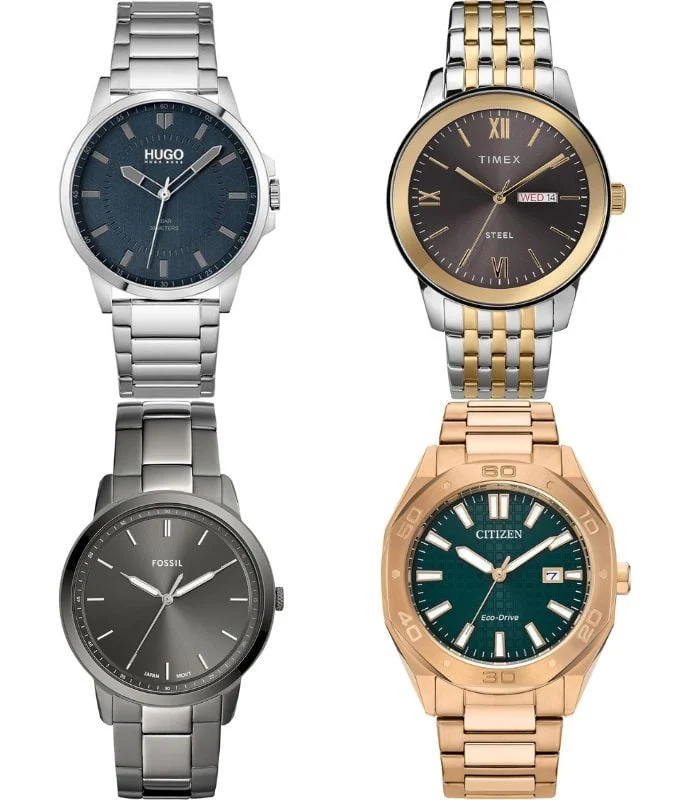
The transition from the academic environment of university to the professional rigors of the workplace represents one of the most significant periods of personal development for young men. During this decade, individuals are tasked with navigating shifting social expectations, financial constraints, and the professional requirement to project competence. Fashion serves as a primary non-verbal communication tool during this evolution, yet many struggle to balance the urge for self-expression with the practical demands of a growing career.

The Economic and Social Context of Style Evolution
For the modern man in his twenties, the challenge of building a functional wardrobe is compounded by a saturated retail market and the rapid turnover of aesthetic trends. According to recent retail data, men aged 20 to 29 spend an average of 15% more on apparel than their predecessors did a decade ago, driven largely by the influence of social media and the increased visibility of high-fashion culture. However, this increased expenditure often leads to a "Frankenstein wardrobe"—a collection of mismatched, trend-driven pieces that fail to provide versatility.

Experts in the menswear industry suggest that this period should be viewed as a "calibration phase." Between the ages of 20 and 29, the male physique typically reaches its final stage of physical maturation, making this the optimal time to establish a reliable understanding of fit, proportion, and personal color palettes.

Establishing a Strategic Wardrobe Foundation
The core philosophy for a twenty-something’s wardrobe should be centered on versatility rather than accumulation. Retail consultants note that the most successful wardrobes are built around a "core rotation" of high-utility items that can be styled for both professional and casual environments.

- The Denim Standard: Dark, slim-cut denim remains the anchor of a functional wardrobe. Unlike heavily distressed or trend-specific washes, a pair of raw indigo or solid black jeans offers maximum adaptability. They are appropriate for casual Fridays in a corporate setting and can be dressed up with a blazer or down with a minimalist sneaker.
- The White Shirt as a Benchmark: A well-fitted, stiff-collared white shirt is non-negotiable. Professional stylists recommend that young men maintain a hierarchy of shirts: one high-quality, formal option for interviews and weddings, and several durable, machine-washable Oxfords for daily office wear.
- The Footwear Hierarchy: The transition from sneakers to formal footwear is a critical milestone. While sneakers have become widely accepted in business-casual environments, a pair of leather Derbies or brogues is essential for formal progression. These shoes signal a level of seriousness that casual footwear cannot convey.
- The Bomber Jacket: Positioned as the ideal bridge between smart-casual and streetwear, the bomber jacket provides a structured silhouette that is less formal than a suit jacket but more refined than a hoodie. Its history in military functional design ensures it remains a perennial staple in menswear.
The Financial Realities of Sartorial Investment
A common error for men in their early twenties is the "buy cheap, buy twice" cycle. While fast-fashion outlets are useful for testing trends, they are often inadequate for staples like suits and outerwear. Financial analysts in the fashion sector suggest a "Quality-to-Frequency" ratio: invest the largest portion of your budget in the items you wear at least three times a week, such as trousers and shoes.

Regarding suiting, the advice from industry veterans like Giles Farnham of River Island Style Studio is consistent: prioritize fit over brand name. A mid-range suit that has been professionally tailored to the wearer’s specific measurements will consistently outperform a high-end designer suit that lacks proper adjustments. Tailoring is, effectively, the most cost-effective way to elevate one’s professional appearance.

Chronology of Style Development
The progression of style throughout the twenties often follows a distinct pattern:

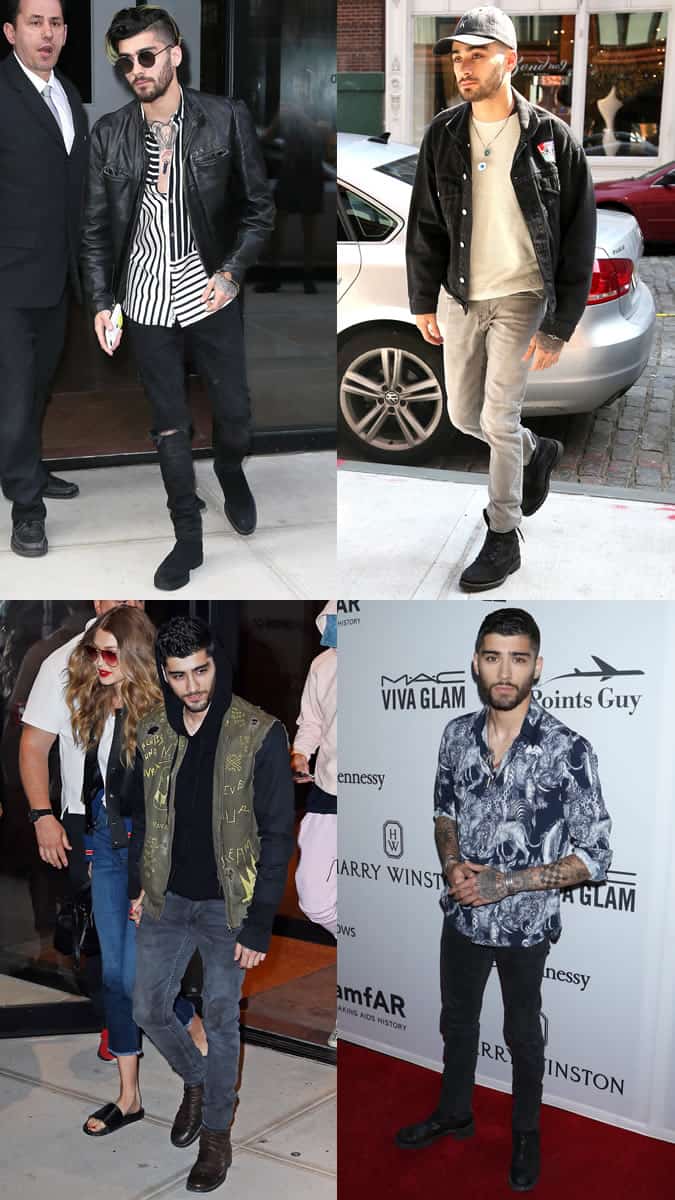
- Age 20–22 (The Experimental Phase): Characterized by trial and error. This period is often marked by the influence of pop culture and the desire to mimic the styles of celebrities or peers. The primary goal here is to identify what does not work.
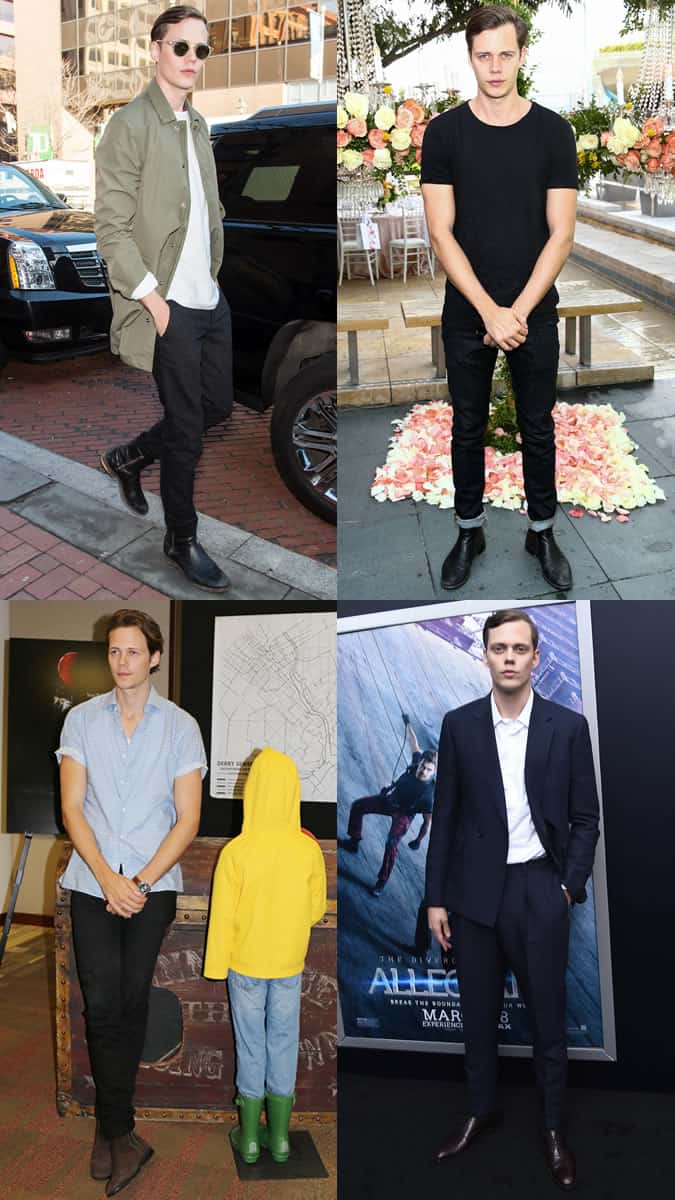
- Age 23–25 (The Professional Integration): As individuals enter the workforce, the focus shifts toward "work-appropriate" attire. This is the period where the "office uniform"—a rotation of reliable shirts, trousers, and sweaters—is solidified.
- Age 26–29 (The Refinement Phase): By the late twenties, the wardrobe should be curated. The focus shifts toward quality over quantity, with an emphasis on timeless pieces that can transition into the thirties.
The Role of Grooming and Maintenance
Style is not solely defined by the garments themselves but by their condition. Professional appearance is as much about the maintenance of clothes as it is about their initial cost. Learning the fundamentals of garment care—such as how to iron a shirt, polish leather shoes, and store suits correctly—is a prerequisite for a mature appearance. Furthermore, personal grooming, including regular haircuts and nail maintenance, acts as a force multiplier for any outfit.
Long-term Implications of Fashion Choices
The decisions made during these formative years carry long-term implications, both professionally and personally. In professional settings, apparel is often perceived as a proxy for attention to detail and organizational skill. A man who understands how to dress for his environment demonstrates an awareness of social cues and professional expectations.
However, the psychological impact is equally significant. Establishing a consistent personal style can reduce "decision fatigue," a common challenge for young professionals managing high-stress workloads. By adopting a "signature" approach to dressing—where the wardrobe is composed of interchangeable, high-quality basics—individuals can free up mental bandwidth for their careers.

The "Uniform" Concept
The most effective strategy for the late-twenties professional is the adoption of a personal uniform. This does not mean wearing the same suit every day, but rather limiting the variables in one’s daily outfit to minimize complexity. For example, a man might settle on a specific cut of chino, a preferred style of knitwear, and a reliable leather shoe. When these elements are consistent, the focus shifts from "what to wear" to "how to perform," allowing the individual’s work to take center stage.
Conclusion
The objective of dressing well in your twenties is not to become a slave to fashion trends, nor is it to spend beyond one’s means. It is a process of curation and self-discovery. By focusing on fit, prioritizing quality in high-frequency items, and learning the basics of garment care, young men can build a wardrobe that supports their professional ambitions and personal identity. Ultimately, the clothes worn during these years should serve as a scaffold for the person one is becoming, rather than a costume for who one is trying to impress. As the decade progresses, the goal is to reach the age of 30 with a collection of clothing that is not only functional and durable but a true reflection of a mature, capable individual.
