
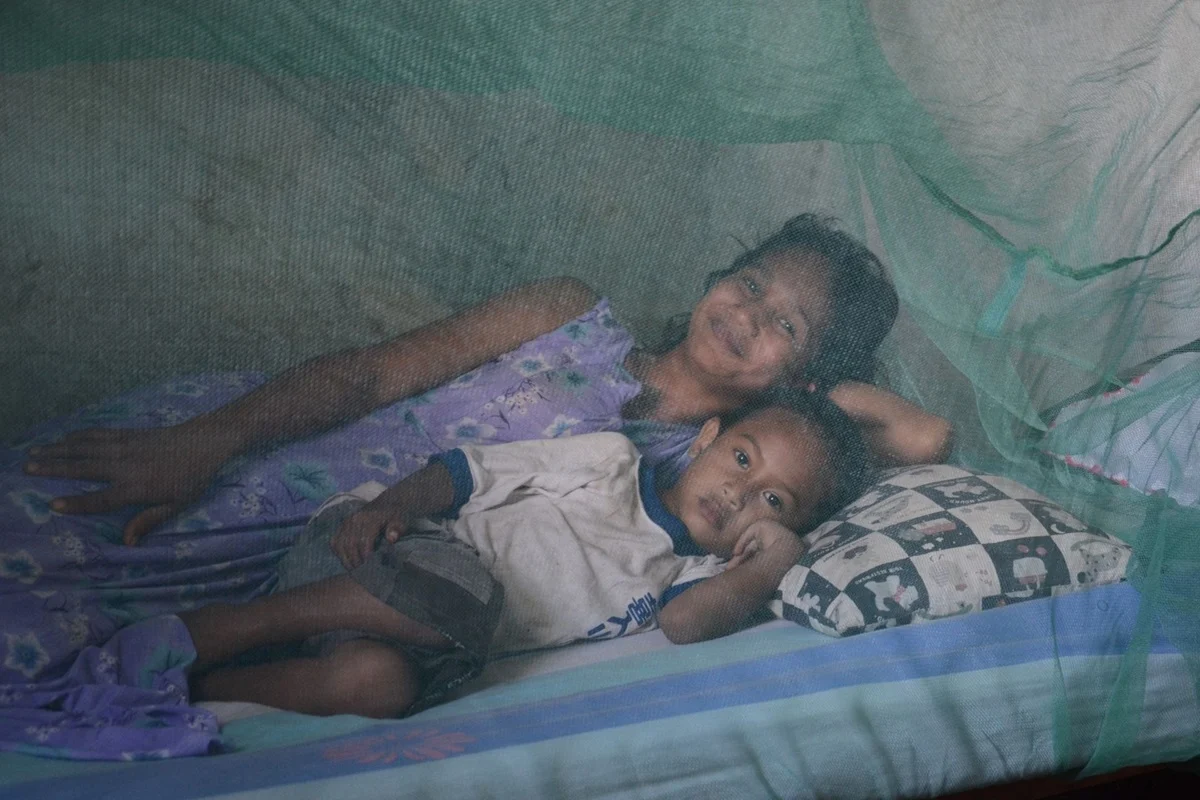
In a landmark achievement for global public health, the World Health Organization (WHO) has officially certified Timor-Leste as malaria-free, recognizing the nation’s successful eradication of indigenous transmission of the parasite. This certification serves as a testament to the country’s resilience and its strategic, long-term commitment to health infrastructure development. For a nation that faced a staggering burden of disease in the immediate aftermath of its independence in 2002, the path to zero cases represents a profound transformation of its health landscape, underscoring the efficacy of sustained political will and community-led interventions.
The WHO certification process is rigorous and objective, requiring a country to prove beyond reasonable doubt that the chain of indigenous malaria transmission has been fully interrupted nationwide for at least three consecutive years. Timor-Leste’s achievement places it among an elite group of 47 countries and one territory that have successfully eliminated the disease. Within the WHO South-East Asia region, Timor-Leste is the third nation to receive this distinction, following the Maldives in 2015 and Sri Lanka in 2016.
A Chronology of Persistence and Progress
The journey to becoming malaria-free was neither quick nor simple. Following the restoration of its independence in 2002, Timor-Leste faced a daunting health crisis. The infrastructure was fragile, and malaria was endemic, acting as a "silent, persistent, and deadly" enemy that claimed numerous lives annually.
In 2003, the government took its first definitive step by establishing the National Malaria Programme (NMP). At its inception, the program was under-resourced, operating with only two full-time staff members. However, these individuals provided the technical leadership and managerial focus required to establish a roadmap for elimination. By 2006, the country reached a grim peak, recording over 223,000 clinically diagnosed cases of malaria. This crisis served as a turning point, galvanizing the Ministry of Health to expedite the integration of international best practices into their national strategy.
Between 2006 and 2010, the government successfully introduced rapid diagnostic tests (RDTs) and artemisinin-based combination therapy (ACT) as the standard for clinical management. Simultaneously, they initiated the widespread distribution of long-lasting insecticide-treated nets (LLINs) to high-risk communities. The 2009 partnership with the Global Fund to Fight AIDS, Tuberculosis and Malaria proved instrumental, allowing for the scaling up of vector control measures, including indoor residual spraying (IRS), which significantly reduced the mosquito population in vulnerable regions.
From 2011 to 2020, the country focused on institutionalizing these gains. By 2021, the nation achieved the milestone of zero indigenous cases, a status it has successfully maintained through rigorous surveillance and community vigilance, culminating in the official certification in 2024.
Structural Pillars of Success
Timor-Leste’s success was not merely a matter of clinical intervention; it was the result of a deliberate, three-tiered restructuring of its national health system. Recognizing that geography and limited infrastructure were major barriers to care, the Ministry of Health implemented a policy that ensured health services were accessible within an hour’s walk for most of the population.
This system comprises:
- National Hospitals: Providing specialized care for complex cases.
- Reference Hospitals: Serving as regional hubs for advanced diagnostics.
- Community Health Centers (CHCs) and Health Posts: The frontline of the battle, ensuring that even remote, rural populations had access to diagnostic testing and early treatment.
The government’s commitment to free universal health care at the point of service removed the financial barriers that often prevent lower-income citizens from seeking medical assistance. Furthermore, the implementation of monthly mobile clinics and community outreach programs ensured that the malaria campaign reached the most isolated mountainous regions. The integration of real-time, case-based surveillance systems allowed health officials to track potential outbreaks with high precision, enabling the rapid deployment of resources to any area where a suspected case might emerge.
Official Statements and International Recognition
The announcement of the certification drew praise from global health leaders. Dr. Tedros Adhanom Ghebreyesus, WHO Director-General, highlighted the collaborative nature of the victory. "Timor-Leste’s success proves that malaria can be stopped in its tracks when strong political will, smart interventions, sustained domestic and external investment and dedicated health workers unite," he stated.
Dr. Élia António de Araújo dos Reis Amaral, Minister of Health of Timor-Leste, emphasized the emotional and social weight of this achievement. "We did it. Malaria has been one of our most relentless enemies—silent, persistent, and deadly. From 223,000 cases to zero—this elimination honors every life lost and every life now saved." She further noted that the victory is not an endpoint but a call to continued vigilance, emphasizing that the country must maintain robust community action to prevent the re-entry of the parasite.
Dr. Arvind Mathur, the WHO Representative to Timor-Leste, noted that the achievement is a "defining national triumph" for a young country. "As a young nation, Timor-Leste stayed focused—testing, treating, and investigating swiftly. Ending transmission and maintaining zero deaths takes more than science; it takes grit. This victory protects generations, present and future."
Data Analysis and Broader Implications
The reduction of malaria cases from over 223,000 in 2006 to zero is a statistically significant achievement that correlates directly with the increased investment in microscopy and point-of-care RDTs. The data suggests that by decentralizing testing—moving it from central laboratories to local health posts—the government effectively shortened the interval between symptom onset and treatment initiation, thereby breaking the transmission cycle.
Beyond the specific success of malaria eradication, this development has broader implications for Timor-Leste’s public health future. The infrastructure developed for this campaign, including the cold chain, the surveillance database, and the training of rural health workers, now provides a foundation for tackling other infectious diseases and non-communicable health challenges.
The "Timor-Leste model" offers a valuable case study for other developing nations. It demonstrates that a vertical health program—one focused on a specific disease—can be successfully integrated into a horizontal system of universal health care. By leveraging external funding from organizations like the Global Fund alongside local government commitment, the country was able to maximize the impact of limited resources.
Looking Ahead: Sustaining the Victory
While the certification is a cause for celebration, the Ministry of Health is well aware of the threat of malaria re-introduction. The movement of people across borders remains a primary concern for public health officials. Consequently, the national strategy now pivots toward "prevention of re-establishment." This involves maintaining high-quality surveillance at border crossings, ensuring health workers remain trained in malaria detection, and sustaining community education programs to ensure that the population remains aware of the risks.
The WHO’s Technical Advisory Group on Malaria Elimination and Certification, which recommended the certification, will continue to monitor the country’s data as part of standard protocol. For now, however, Timor-Leste stands as a beacon of progress in the global fight against neglected tropical diseases. The nation has proven that even in the face of post-conflict recovery and limited initial resources, a systematic, data-driven approach to healthcare can overcome one of humanity’s most persistent biological threats.
This achievement is not just a statistical victory for the World Health Organization; it is a profound demonstration of what can be accomplished when a nation’s health policy is driven by a singular, focused vision for its citizens’ well-being. As the world continues to combat malaria in other high-burden regions, the lessons learned in Dili and throughout the provinces of Timor-Leste will undoubtedly serve as a blueprint for success for years to come.
