
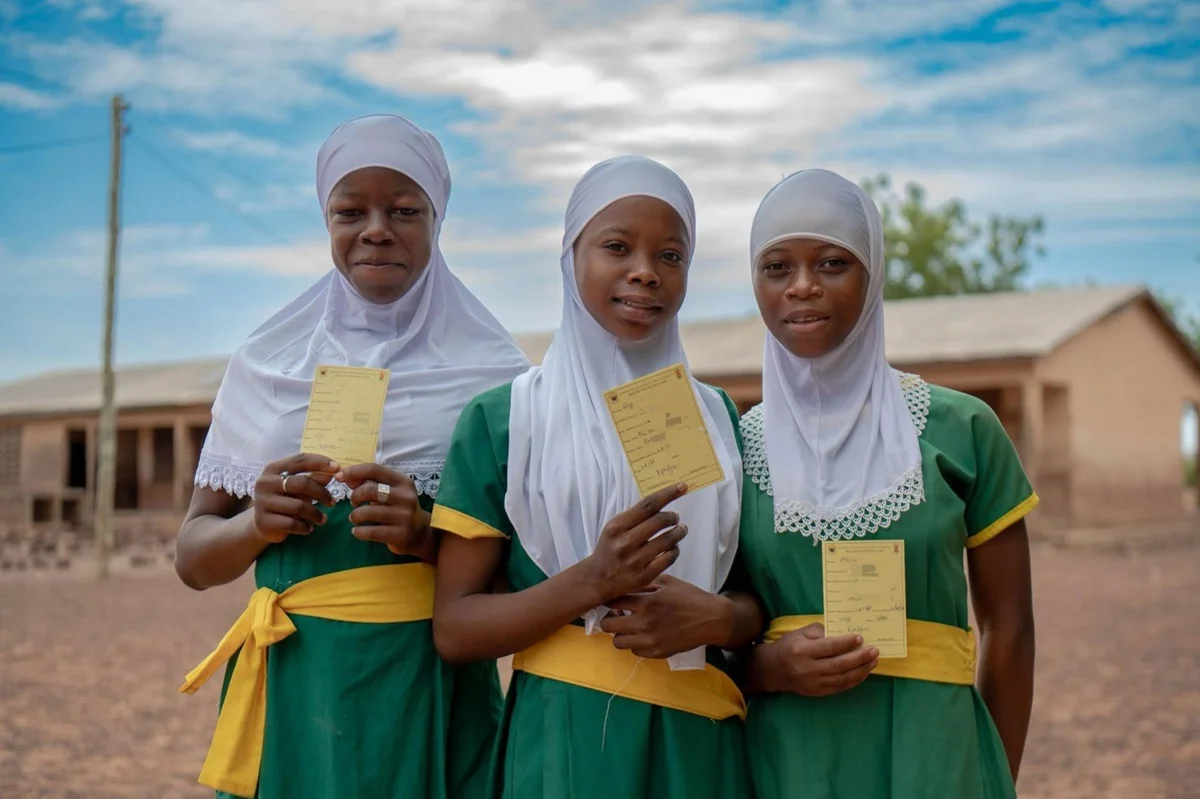
The annual World Health Organization (WHO) and UNICEF Estimates of National Immunization Coverage (WUENIC) released today reveal a global health landscape characterized by fragile recovery and persistent gaps. In 2025, approximately 90% of infants worldwide—totaling nearly 116 million children—received at least one dose of the diphtheria, tetanus, and pertussis (DTP) vaccine. Furthermore, 85%, or 110 million infants, successfully completed the full three-dose DTP series. While these figures represent a marginal one-percentage-point increase from the previous year, they signal a concerning plateau; global coverage remains one point below the benchmarks set in 2019, continuing a trend of stagnation that has largely persisted since 2009.
Behind these aggregate statistics lies a complex reality for the world’s most vulnerable populations. The data indicates that 13.5 million "zero-dose" children—those who did not receive a single vaccine during their first year of life—remain unprotected. Although this figure reflects a reduction of 750,000 children compared to the prior year, the progress is being undermined by a growing "drop-out" rate. An increasing number of children are beginning their immunization schedules but failing to complete them, particularly in nations supported by Gavi, the Vaccine Alliance. This lack of follow-through poses a significant risk to both individual child health and broader community immunity.
The Stalled Fight Against Measles and the Threat of Outbreaks
The most alarming aspect of the 2025 report concerns the stalled progress in measles vaccination. Measles is one of the world’s most contagious viruses, requiring a 95% vaccination coverage rate to achieve herd immunity and prevent community transmission. Currently, the world is far from this goal. Global coverage for the first dose of the measles vaccine (MCV1) stands at 84%, while coverage for the second dose (MCV2) is even lower at 77%.
The report highlights a critical disconnect in healthcare delivery: approximately 7.3 million infants received their initial DTP dose but failed to receive their first measles dose. This gap in the continuity of care has led to devastating real-world consequences. In 2025, 57 countries reported large or disruptive measles outbreaks, a direct result of the failure to reach the 95% threshold. Health experts warn that as long as these coverage gaps persist, measles will continue to serve as a "canary in the coal mine," exposing weaknesses in primary healthcare systems and leading to preventable deaths and long-term disabilities among children.
A Chronology of Global Immunization: From 2019 to 2025
The timeline of global immunization over the last six years reflects the profound impact of the COVID-19 pandemic and the subsequent struggle for stabilization. In 2019, the world saw relatively stable, albeit imperfect, coverage. The onset of the pandemic in 2020 triggered a massive decline in routine vaccinations as health systems were diverted to pandemic response, supply chains were disrupted, and lockdowns limited access to clinics.
By 2023 and 2024, a "bounce back" was observed as governments and international agencies prioritized the restoration of essential health services. However, the 2025 data suggests that the "easy gains" of the post-pandemic recovery have been exhausted. Of the 195 countries analyzed, only 100 have managed to maintain DTP3 coverage above 90% since 2019. While 30 countries showed improvement over the past six years, 65 countries are either stagnating or seeing their coverage rates decline. This group includes 13 countries classified as fragile, conflict-affected, or vulnerable (FCV), where the challenges of delivering healthcare are most acute.
Regional Disparities and the Impact of Conflict
The WUENIC report underscores a widening divide between different regions of the world. The Americas and South-East Asia have emerged as success stories, not only recovering to their 2019 levels but exceeding them. South-East Asia is now the highest-performing region globally, a testament to sustained political will and community engagement.
In contrast, other regions are struggling. Africa, the Eastern Mediterranean, and Europe saw modest gains in the past year, yet they remain below their pre-pandemic performance levels. The most significant decline was recorded in the Western Pacific region, which now sits furthest below its 2019 baseline.
The role of conflict and instability remains a primary driver of these disparities. More than half of all zero-dose children live in FCV settings, despite these areas accounting for only one-third of the global child population. In Syria, for instance, political upheaval and insecurity led to a 6-percentage-point drop in DTP1 coverage and a 12-point drop in MCV1 in just one year. Conversely, Sudan provided a rare glimmer of hope; despite ongoing conflict, the country recorded the largest single-country gain globally, increasing DTP1 coverage by 35 percentage points. This improvement demonstrates that with targeted interventions and improved access, progress is possible even in the most challenging environments.
The Crisis in High-Income Nations: Hesitancy and Structural Barriers
Immunization challenges are not confined to low-income or conflict-ridden nations. In middle- and high-income countries, where vaccines are generally accessible, coverage is slipping due to shifting political priorities, structural inefficiencies, and rising vaccine hesitancy.
South Africa has experienced a troubling trend, with DTP1 coverage falling by 20 percentage points since 2019, a decline that continued into 2025. Similarly, Bosnia and Herzegovina, which had shown significant progress in 2024, suffered a 23-point drop in MCV1 coverage over the past year. These fluctuations suggest that public trust in immunization programs is fraying in various parts of the world, often fueled by misinformation and a lack of consistent government advocacy.
Official Responses: A Call for Renewed Commitment
Leadership from the WHO, UNICEF, and Gavi have expressed both pride in the partial recovery and deep concern regarding the remaining gaps.
"Governments and health workers have helped global vaccination rates bounce back after dropping significantly during the COVID-19 pandemic," stated UNICEF Executive Director Catherine Russell. "But millions of vulnerable children are still being left unprotected due to conflict, displacement, and poverty. We must reach every child, and we must rebuild trust where it is fraying. No child should suffer from a disease that a simple vaccine can prevent."
Dr. Tedros Adhanom Ghebreyesus, WHO Director-General, emphasized the ethical and economic necessity of vaccination. "Every child, whether born into wealth or poverty, peace or conflict, deserves the lifegiving protection that vaccines provide. Immunization is one of the most cost-effective, most equitable, and most reliable interventions for protecting children’s health and well-being. Our greatest security begins with ensuring that everyone, wherever they may live, is protected from deadly diseases."
Dr. Sania Nishtar, CEO of Gavi, the Vaccine Alliance, highlighted the success in lower-income countries but warned of future hurdles. "The historic levels of immunization that we are seeing across lower-income countries shows what can be achieved when all stakeholders work together. Our great challenge now will be to maintain this momentum in the face of funding constraints, geopolitical uncertainty, and increasing outbreaks."
Data Integrity and the Threat of Financing Cuts
A significant concern raised by the 2025 report is the weakening of the data systems used to track immunization. These systems are vital for identifying "pockets" of unimmunized children and responding to outbreaks. However, the number of national immunization surveys undertaken and submitted dropped to just 18 this year, compared to 50 in 2024 and an average of 33 per year between 2015 and 2019.
This decline in data collection coincides with announced cuts to international health financing. While the full impact of these budget reductions has yet to be reflected in the 2025 estimates, experts warn that the erosion of monitoring capabilities will make it harder to prevent future backsliding. Without robust data, health agencies are "flying blind," unable to effectively allocate resources to the areas where they are needed most.
Broader Implications: The Road to IA2030
The current trajectory puts the global community further off track for the goals set by the Immunization Agenda 2030 (IA2030). This strategic framework aims to ensure that vaccines reach everyone, everywhere, at every age, with a specific focus on reducing the number of zero-dose children.
The 2025 WUENIC data serves as a critical wake-up call. The stagnation of global coverage and the rise of outbreaks indicate that the current approach requires a "sharp course correction." To bridge the gap, WHO and UNICEF are calling on governments to increase domestic investment in primary healthcare, strengthen the health workforce, and combat misinformation to rebuild public trust.
The implications of failure are far-reaching. Beyond the immediate tragedy of child mortality, low immunization rates lead to increased healthcare costs, lost economic productivity, and the constant threat of international health emergencies. As the world navigates an era of geopolitical volatility and economic strain, the 2025 immunization data suggests that the protection of the next generation remains one of the most urgent, yet unfinished, tasks of global health.
