
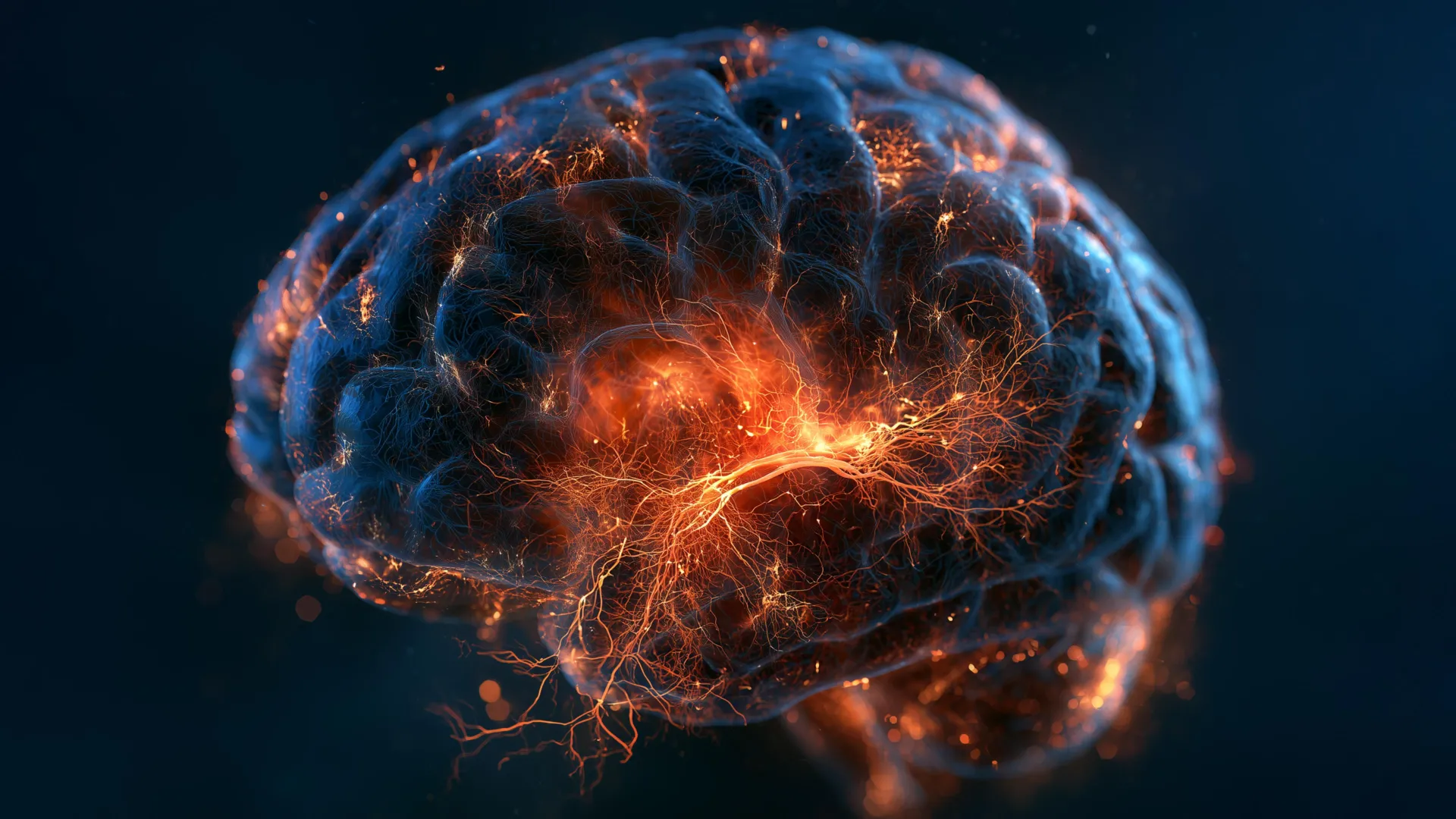
New scientific insights into the biological underpinnings of major depressive disorder (MDD) have emerged from a comprehensive investigation conducted at the Columbia University Vagelos College of Physicians and Surgeons and the New York State Psychiatric Institute. Published on August 21, 2026, in the peer-reviewed journal Nature Medicine, the study titled "Dysregulated adult hippocampal neurogenesis in major depressive disorders" provides the first direct human cellular evidence that the generation of new neurons in the adult brain—known as neurogenesis—stalls significantly in individuals suffering from major depression. This breakdown in cellular regeneration is accompanied by extensive molecular disruptions within the hippocampal circuitry, fundamentally challenging traditional, decades-old models of psychiatric illness and pointing toward a future where depression may be categorized and treated much like modern oncology.
For generations, the predominant medical consensus attributed clinical depression primarily to chemical imbalances, specifically deficiencies in neurotransmitters such as serotonin. While medications targeting these chemical pathways have helped millions of patients since the late 20th century, they remain ineffective for a substantial portion of the population, and their mechanisms of action have long puzzled pharmacologists. The Columbia University research team, led by Dr. Maura B. Dupont, professor of psychiatry, posits that depression is not merely a localized chemical shortage, but a multifaceted systemic failure that impairs the brain’s neuroplasticity—its vital ability to adapt structurally and functionally to stress, trauma, and changing environmental demands.
The Chronology and Scale of the Investigation
To arrive at these groundbreaking conclusions, Dr. Dupont’s laboratory undertook a massive, high-resolution cellular analysis spanning several years. The research project analyzed approximately half a million individual brain cells sourced from post-mortem tissue donations provided by individuals with diagnosed major depressive disorder, alongside carefully matched control subjects.
Using an array of advanced genomic and proteomic technologies, the research team conducted a single-cell census of the hippocampus. They mapped the activity of every single gene within individual cells and evaluated whether specific cellular proteins had undergone pathological alterations. This exhaustive mapping allowed investigators to pinpoint the exact spatial location of distressed cells within the hippocampal architecture. The sequencing phases were executed at the JP Sulzberger Columbia Genome Center, data clustering was managed through Columbia’s Center for Computational Biology and Bioinformatics, and sophisticated proteomics analyses were performed by the Quantitative Proteomics and Metabolomics Center within Columbia University’s Department of Biology.
The culmination of this multi-year effort yielded a dataset of unprecedented granularity, revealing that the biological damage in depressed brains is not restricted to a lack of new neurons, but permeates the entire functional network responsible for emotional memory processing.
Decoding the Hippocampus: Memory, Emotion, and Pattern Separation
The primary focal point of the Columbia study is the hippocampus, an seahorse-shaped structure nestled deep within the brain’s temporal lobes. Historically recognized as a critical hub for episodic memory consolidation, the hippocampus is also one of the exceedingly rare regions in the adult mammalian brain that continues to produce new neurons throughout life.
Despite the brain’s 100 billion neurons being largely established prior to birth, the trickle of neurogenesis occurring within the adult hippocampus has long been suspected to play an outsized role in mood regulation and resilience. The new findings confirm that when this process halts, the cognitive consequences are profound, particularly regarding a function known as pattern separation.
Pattern separation is the neural computation that allows the human brain to distinguish between similar yet distinct experiences, effectively filing away memories while separating their emotional connotations from current realities. When pattern separation functions correctly, an individual can experience a minor social awkwardness—such as a friend being quiet and distracted at lunch—and recognize it as an isolated event.
However, when neurogenesis stalls and the hippocampal circuitry becomes compromised, pattern separation fails. Distinct memories and their associated emotional valences begin to bleed into one another. The isolated lunch incident is automatically synthesized with older, unresolved memories of rejection or failure, triggering a cognitive distortion: "They are upset with me; everyone eventually abandons me."
According to Dr. Dupont, this clinical presentation is exceptionally common among patients suffering from major depressive disorder, who frequently report an inability to retrieve positive or neutral autobiographical information, finding themselves trapped instead in loops of negative cognition. By demonstrating that newborn neurons are uniquely excitable and readily integrated into memory circuits to preserve event boundaries, the research provides a mechanistic explanation for why restoring neurogenesis could theoretically restore cognitive flexibility and emotional resilience.
Beyond Neurogenesis: Widespread Molecular Disruption
While the suppression of adult neurogenesis represents a vital discovery, the Columbia team’s single-cell analysis uncovered that the pathology of depression extends deep into the broader hippocampal architecture. Specifically, the researchers focused on the trisynaptic circuit—the primary neural pathway through which the hippocampus establishes and organizes new emotional memories.
Within this critical circuit, the post-mortem tissue samples from depressed individuals displayed clear markers of cellular stress, chronic inflammation, and transcriptional dysregulation. The affected genes were not randomly distributed; they formed cohesive functional clusters responsible for fundamental cellular maintenance. These included genes tasked with constructing synapses (the physical junctions between neurons), facilitating intercellular communication, optimizing cellular energy production (mitochondrial function), and transporting structural and signaling molecules within individual cells.
Furthermore, the team detected altered activity in several genes whose specific genetic variants have long been flagged by genome-wide association studies (GWAS) as risk factors for major depression. Alongside these genetic markers, the researchers identified widespread epigenetic modifications. Epigenetic changes do not alter the underlying sequence of DNA, but rather act as molecular "dimmer switches"—adding chemical tags that dictate how strongly specific genes are turned up or down in response to environmental stimuli such as chronic psychological stress, early-life trauma, learning, and aging.
Implications for Clinical Practice and Future Treatments
The sheer diversity of molecular and cellular disruptions identified in the study carries profound implications for the future of neuropsychiatry. Most notably, it supports the growing hypothesis within the medical community that major depressive disorder is not a single, monolithic disease entity, but rather an umbrella term encompassing multiple distinct biological subtypes with different root causes.
Just as modern oncology has shifted away from treating cancers based purely on their anatomical location in the body—instead classifying tumors by their specific genetic and molecular signatures to deliver targeted immunotherapies and precision drugs—psychiatry may be standing on the threshold of a similar paradigm shift.
"We want to reclassify depression based on its molecular features, similar to what has been done in cancer," Dr. Dupont emphasized. "Classifying cancers based on their cellular characteristics has led to new and improved treatments. We hope the same will be true for depression and other psychiatric or brain diseases."
By mapping out the exact molecular pathways that stall neurogenesis and induce inflammation within the trisynaptic circuit, pharmaceutical researchers can now begin designing novel therapeutics aimed at specific biological targets. Rather than utilizing broad-spectrum systemic medications that alter global neurotransmitter levels, future interventions could theoretically focus on reactivating endogenous neurogenesis, repairing defective cellular energy pathways, or reversing pathological epigenetic tags within the hippocampus.
Broader Scientific Reception and Collaborative Scope
The publication of the study in Nature Medicine has drawn immediate praise and commentary from international neuroscientists and psychiatric researchers, who view the work as a methodological triumph. Historically, human brain tissue research has been plagued by artifacts related to post-mortem interval, tissue preservation, and the immense cellular heterogeneity of the central nervous system. By leveraging high-throughput single-cell RNA sequencing and advanced proteomics on a half-million-cell cohort, the Columbia team has set a new benchmark for rigor in psychiatric genomics.
The research was made possible through a deeply collaborative institutional effort involving experts across multiple disciplines. The study’s co-authors include Madeleine S. Peng, Jialin Jiang, Lucia Polizzi, Tiancheng Shi, Rakshitha Ramkumar, Victor O. Anosike, Giulia Guasoni, Alexandra M. Wamalwa, Madeline B. Mariani, Cheick A. Sissoko, Alexandria N. Tartt, Camille Fulmore, Gorazd B. Rosoklija, Yung-yu Huang, Victoria Arango, Shujuan T. McDonald, Natasha Bitoljanu of Ss. Cyril and Methodius University in Macedonia, Joseph J. Mann, Phi T. Nguyen, Andrew J. Dwork, Lewis M. Brown, René Hen, Hanga Galfalvy, and Maura B. Dupont.
The breadth of this authorship reflects the convergence of psychiatry, neurobiology, computational biology, and pathology required to decode the human brain at a single-cell resolution.
As the medical community digests the findings, the immediate clinical reality for patients remains unchanged; doctors do not yet possess drugs capable of safely and selectively turning adult neurogenesis back on in living human brains. However, the identification of these precise molecular bottlenecks provides a clear roadmap for drug discovery. By shifting the medical focus from mere symptom management to the structural restoration of neural adaptability, this landmark research heralds a new era in the scientific understanding—and eventual targeted treatment—of major depressive disorder.
