
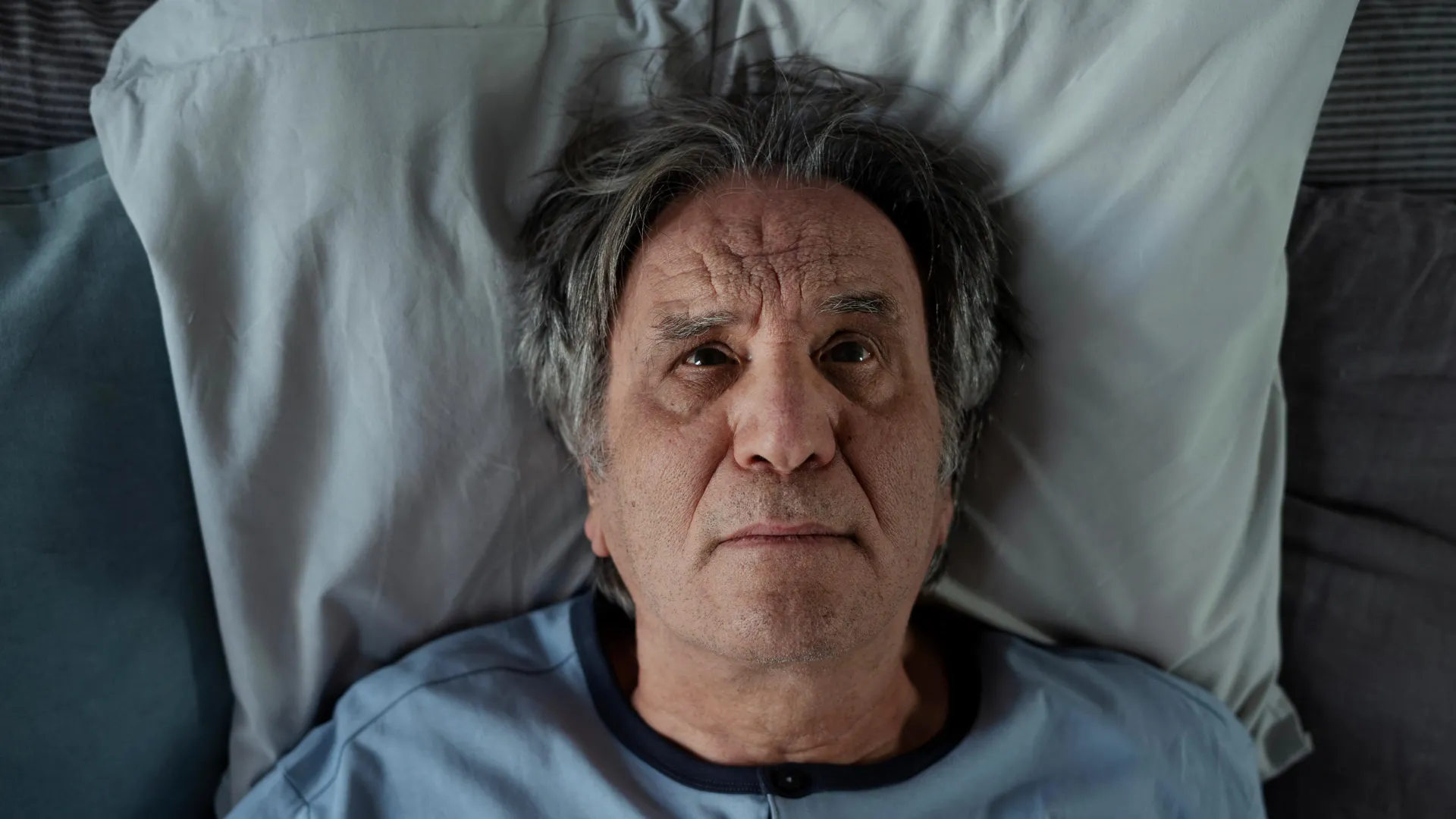
In the ongoing quest to understand the complex machinery of human longevity, researchers have long recognized that sleep is a foundational pillar of health. However, a major new scientific analysis published in the journal Nature has taken this understanding a step further, demonstrating that improper sleep durations—both too little and too much—are directly linked to accelerated biological aging across nearly every major organ system in the human body. Led by investigators at the Columbia University Vagelos College of Physicians and Surgeons, the study utilizes cutting-edge machine learning and organ-specific biological clocks to map how sleep habits manifest physically within the brain, heart, lungs, immune system, and beyond. The findings paint a comprehensive picture of a coordinated brain-body network where rest acts as a vital systemic regulator, and where deviating from the optimal "sweet spot" of sleep can trigger wide-ranging health complications and accelerate the physical deterioration of tissues.
The Evolution of Biological Aging Clocks
To appreciate the significance of the recent Columbia University findings, it is helpful to examine the historical and technological evolution of biological aging research. For decades, chronological age—the number of years a person has been alive—served as the primary metric for medical studies, insurance risk assessments, and epidemiological evaluations. Yet, clinicians frequently observed that individuals of the exact same chronological age could exhibit vastly different physical capabilities, disease susceptibilities, and overall vitality. This realization spurred the development of biological aging clocks.
Early iterations of biological clocks relied predominantly on epigenetics, specifically DNA methylation patterns extracted from blood or saliva samples, to estimate an individual’s physiological age compared to their chronological age. While these holistic measurements provided valuable macro-level insights into mortality risk and systemic health decline, they suffered from a lack of granularity. The human body is not a monolith; different organ systems age at distinctly different rates. For instance, natural biological processes like the decline of ovarian function in women demonstrate that individual physiological compartments follow independent timelines.
Recognizing this limitation, researchers began developing multi-layered, organ-specific aging clocks. By harnessing advanced machine learning algorithms and vast biomedical datasets, scientists can now analyze targeted proteins, structural imaging data, metabolic markers, and molecular signatures unique to specific tissues. This technological leap allows researchers to isolate the liver, heart, brain, or lungs, calculating individual biological ages for each compartment. This unprecedented resolution has opened the door for medical science to investigate how specific lifestyle factors—such as nutrition, physical activity, and sleep—impact individual organs over time, paving the way for personalized preventative medicine and targeted therapeutic interventions.
Methodology and the UK Biobank Dataset
The sheer scale of the recent Nature study distinguishes it from prior sleep and aging research. To construct and validate their comprehensive suite of organ-specific aging clocks, study leader Junhao Wen and his colleagues turned to the UK Biobank, a premier large-scale biomedical database and research resource containing deep genetic, lifestyle, and health information from approximately half a million British participants.
The research team extracted a massive trove of biometric data, utilizing machine learning frameworks to identify subtle biological signatures of aging across 17 distinct organ systems. In total, the investigators constructed 23 unique aging clocks. These models were meticulously built using a multi-omics approach, incorporating structural measurements derived from high-resolution medical imaging scans, organ-specific protein panels, and circulating molecular markers detected through minimally invasive blood tests.
This methodological depth allowed the research team to cross-verify their findings across multiple biological layers. For example, when evaluating the liver, the team utilized distinct aging clocks derived from protein data, metabolic profiling, and imaging metrics. By comparing these multifaceted biological age estimates against self-reported sleep duration data provided by the half-million participants, the researchers were able to test whether sleep disruptions exhibited consistent systemic signatures or remained localized to specific physiological domains. The resulting data provided a robust empirical foundation to evaluate the systemic toll of abnormal sleep patterns on human physiology.
The Sleep Sweet Spot: Data and U-Shaped Patterns
When the research team mapped the biological age estimates against daily sleep durations, a striking and consistent mathematical pattern emerged across virtually all evaluated organ systems: a classic U-shaped curve.
The data revealed that individuals who reported chronically short sleep durations—defined as fewer than six hours per night—and those who reported excessive sleep durations—exceeding eight hours per night—consistently exhibited accelerated biological aging compared to their peers with moderate sleep habits. The lowest levels of biological aging, representing the physiological "sweet spot," were reliably observed among individuals who maintained a daily sleep duration between 6.4 and 7.8 hours.
Epidemiologists and sleep medicine specialists emphasize that while these correlations are robust, the findings do not establish a direct causal pathway wherein altering sleep duration automatically reverses organ aging. Instead, abnormal sleep lengths often function as sensitive downstream indicators of underlying, systemic health distress. Chronic short or long sleep can reflect hidden metabolic dysfunction, chronic systemic inflammation, psychological distress, or early-stage neurodegenerative processes. Consequently, tracking sleep duration offers clinicians a practical, non-invasive vital sign that mirrors the internal wear and tear of the human body’s most critical organ networks.
Systemic Disease Associations and Physiological Reach
The implications of the Columbia University analysis extend far beyond accelerated cellular aging, revealing profound correlations between sleep duration and a vast spectrum of chronic diseases affecting the brain and body.
Short sleep duration was found to be significantly associated with a higher prevalence of mental health disorders, including depressive episodes and severe anxiety—findings that align with and reinforce decades of psychiatric research highlighting the brain’s reliance on restorative sleep for emotional regulation and cognitive maintenance. Furthermore, insufficient rest was heavily correlated with major metabolic and cardiovascular pathologies, including obesity, type 2 diabetes mellitus, hypertension, ischemic heart disease, and various cardiac arrhythmias.
Meanwhile, both short and long sleep durations shared overlapping associations with chronic respiratory conditions, such as chronic obstructive pulmonary disease (COPD) and asthma. Digestive health was similarly implicated, with abnormal sleep patterns showing ties to upper gastrointestinal disorders, including chronic gastritis and gastroesophageal reflux disease (GERD). These widespread associations underscore the concept that sleep is not merely a period of behavioral inactivity, but an active, deeply integrated physiological state that maintains metabolic homeostasis, immune competence, and tissue repair across the entire organism.
Deep Dive: Dissecting Late-Life Depression
To demonstrate the clinical utility of organ-specific aging clocks, Wen and his colleagues applied their methodology to a specific and complex public health challenge: late-life depression. Mental health disorders in older populations often present diagnostic and therapeutic hurdles, particularly when intertwined with comorbid physical decline and sleep disturbances.
Because observational studies cannot easily determine whether chronic sleep abnormalities cause depressive symptoms or if depression alters sleep architecture, the research team employed advanced mediation analysis. This statistical technique allowed them to investigate whether biological aging acts as an intermediary mechanism explaining the link between sleep duration and late-life depression.
The analytical results revealed distinct biological pathways for short versus long sleepers who ultimately developed the same clinical outcome. Short sleep appeared to be more directly coupled with the immediate physiological and psychological burden of late-life depression. Conversely, long sleep appeared to influence depressive outcomes through pathways explicitly reflected in the biological aging clocks of the brain and adipose (fat) tissue.
This discovery carries profound implications for the future of clinical therapeutics and psychiatric management. It suggests that modern medicine should move away from treating all sleep-related depressive symptoms uniformly. Recognizing that short sleepers and long sleepers may arrive at the same pathological endpoint via entirely different biological mechanisms opens the door for precision medicine approaches, where treatments can be tailored to the specific organ-level aging patterns of the patient.
Broader Implications and Future Directions
The publication of these findings in Nature marks a significant milestone in translational gerontology and sleep medicine. By bridging the gap between macro-level lifestyle habits and micro-level organ aging, the study provides a compelling framework for future biomedical research.
Public health experts note that as global populations age, identifying modifiable lifestyle factors that influence biological aging will become increasingly paramount. Sleep is uniquely positioned as a modifiable behavioral factor; unlike genetics or chronological time, sleep hygiene, scheduling, and environmental factors can be actively adjusted through behavioral therapy, medical intervention, and public health campaigns.
As research groups continue to refine organ-specific aging clocks, future studies will likely focus on intervention trials to determine whether clinically correcting sleep durations can slow, halt, or even reverse biological aging within targeted organ systems. For millions of individuals navigating the stresses of modern life, the message from the laboratory is clear: achieving the golden window of seven hours of quality sleep is not just a matter of daily comfort, but a fundamental biological imperative for lifelong systemic health.
