

Polycystic Ovary Syndrome (PCOS) stands as one of the most prevalent endocrine disorders affecting women of reproductive age, impacting an estimated 6 to 12 percent of women globally, or approximately 5 million individuals in the United States alone. Characterized by hormonal imbalances, irregular menstrual cycles, and the presence of small ovarian cysts, PCOS is recognized clinically as a leading cause of female subfertility. For patients diagnosed with the condition, the journey toward conception frequently involves navigating a complex web of metabolic and hormonal disruptions, notably insulin resistance and hyperandrogenism. In recent years, clinical endocrinologists, reproductive endocrinologists, and registered dietitians have increasingly emphasized the critical role of medical nutrition therapy and targeted supplementation in mitigating these symptoms and improving spontaneous ovulation rates.
The clinical landscape of PCOS-related infertility is largely defined by the interplay between insulin and ovarian function. When cells become resistant to insulin, the pancreas compensates by secreting higher volumes of the hormone into the bloodstream. This hyperinsulinemia directly stimulates the ovaries to overproduce testosterone and other androgens, which in turn inhibits normal follicular development and prevents regular ovulation. Consequently, women diagnosed with the condition frequently experience unpredictable cycles, prolonged anovulatory periods, and heightened anxiety regarding their reproductive windows. While assisted reproductive technologies such as in vitro fertilization (IVF) offer pathways to pregnancy, medical guidelines increasingly advocate for lifestyle modifications as a primary foundational intervention to restore physiological homeostasis before or alongside medical treatments.

The Mechanistic Link Between Glycemic Control and Ovarian Function
Dietary management serves as the cornerstone of contemporary PCOS care protocols. Because macronutrients directly influence endocrine signaling, clinical protocols prioritize the stabilization of blood glucose levels to suppress excess insulin secretion. Nutritionists specializing in reproductive health consistently recommend a low-glycemic index (GI) dietary pattern. Low-GI carbohydrates—such as legumes, non-starchy vegetables, and whole intact grains—digest slowly, preventing the sharp glycemic spikes that trigger hyperinsulinemia.
By moderating insulin output, patients can successfully suppress the ovarian synthesis of testosterone. Clinical observations indicate that even modest improvements in insulin sensitivity can lead to a resumption of regular menses. Furthermore, pairing carbohydrate intake with adequate lean proteins and healthy fats further blunts the glycemic response, creating a more favorable internal environment for conception. Despite these established pathways, dietary adherence remains challenging for many patients due to the metabolic alterations inherent to PCOS, which can drive carbohydrate cravings and complicate weight management efforts.
Managing Estrogen Dominance and Environmental Endocrine Disruptors
Beyond insulin dynamics, reproductive endocrinology highlights the significance of estrogen balance in women with PCOS. Estrogen dominance—a state where estrogen levels are disproportionately high relative to progesterone—frequently compromises the uterine lining and disrupts the delicate timing required for successful implantation. This hormonal imbalance is often exacerbated by environmental factors and dietary exposures.

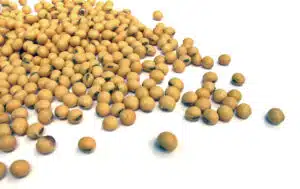
Xenoestrogens, synthetic compounds found in plastics, pesticides, and certain personal care products, mimic natural estrogen within the human body by binding to cellular receptors. Concurrently, conventional animal products may contain exogenous hormones and antibiotics administered during livestock production. To counteract these cumulative endocrine disruptors, clinical recommendations often advise transitioning to organic, pasture-raised animal proteins and minimizing the consumption of processed soy products. Phytoestrogens present in soy, while structurally similar to endogenous estrogen, exhibit weak estrogenic or anti-estrogenic properties that can occasionally interfere with regular ovulation timing, prompting many fertility specialists to advise cautious consumption or temporary elimination for patients actively trying to conceive.
The Clinical Impact of Weight Management on Reproductive Outcomes
Weight management represents another critical dimension of PCOS care. Approximately 40 to 80 percent of women with PCOS are classified as overweight or obese, a status that intensifies insulin resistance and exacerbates systemic inflammation. Adipose tissue is not merely an energy storage site; it functions as an active endocrine organ that converts adrenal androgens into estrogen, further compounding hormonal chaos.
Clinical trial data consistently demonstrate that achieving a modest weight loss of just 5 to 10 percent of total body weight can significantly improve metabolic parameters in women with PCOS. Endocrinologists note that this threshold of weight reduction is frequently sufficient to lower circulating androgen levels, reduce insulin resistance, and spontaneously restore ovulatory cycles. Rather than focusing on aggressive, unsustainable caloric restriction—which can elevate cortisol and further disrupt reproductive hormones—medical guidelines emphasize sustainable metabolic health through balanced nutrition and consistent physical activity.
Evidence-Based Micronutrient Supplementation Protocols
In addition to dietary modifications, targeted micronutrient supplementation plays an adjuvant role in modern PCOS management plans. Women with the condition frequently present with distinct metabolic deficiencies that impair cellular function and oocyte quality.
Chromium and Glucose Metabolism
Chromium is an essential trace mineral that potentiates the action of insulin and facilitates cellular glucose uptake. Clinical studies suggest that chromium supplementation can improve insulin sensitivity, thereby lowering circulating insulin and secondary testosterone levels. However, medical professionals urge caution for patients already utilizing pharmaceutical insulin-sensitizing agents, such as metformin, to prevent hypoglycemic episodes.
Vitamin D and Calcium Synergy
Vitamin D receptor distribution across reproductive tissues underscores the vitamin’s regulatory influence on folliculogenesis and endometrial receptivity. Research indicates that a vast majority of women with PCOS suffer from vitamin D insufficiency. Clinical supplementation utilizing vitamin D combined with calcium has been associated with improved menstrual regularity, enhanced follicular maturation, and optimized metabolic profiles.

B-Complex Vitamins and Folate Requirements
The B-vitamin family, particularly pyridoxine (Vitamin B6) and folate (Vitamin B9), supports endocrine regulation and early embryonic development. Vitamin B6 assists in modulating progesterone production during the luteal phase, while adequate folate intake is universally recognized as critical for preventing neural tube defects during the periconceptional period. A comprehensive B-complex supplement ensures adequate systemic availability for these enzymatic pathways.
Omega-3 Polyunsaturated Fatty Acids
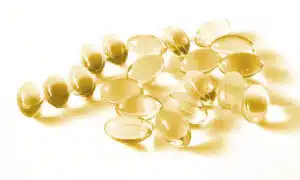
Omega-3 fatty acids, predominantly found in cold-water fish and specific plant oils, possess potent anti-inflammatory properties. Clinical investigations demonstrate that omega-3 supplementation contributes to reduced serum testosterone levels and improved lipid profiles in women with PCOS. By mitigating systemic inflammation, essential fatty acids support overall vascular health and uterine perfusion, creating an optimal setting for embryonic implantation.
Broader Implications and Future Directions in PCOS Care
The integration of medical nutrition therapy, targeted supplementation, and lifestyle optimization marks a significant shift in the management of PCOS-related infertility. Rather than relying solely on pharmaceutical interventions or advanced reproductive technologies, comprehensive care models now emphasize foundational metabolic health as an indispensable first line of intervention.
Healthcare economists and public health officials note that establishing standardized nutritional protocols for endocrine disorders can reduce the long-term incidence of comorbidities such as Type 2 diabetes and cardiovascular disease, which disproportionately affect women with a history of PCOS. As ongoing clinical research continues to illuminate the intricate mechanisms linking metabolism, nutrition, and reproductive success, medical professionals advocate for personalized, multidisciplinary care plans tailored to the unique metabolic profile of each patient. For individuals navigating the emotional and physical complexities of PCOS and conception, these evidence-based strategies offer a structured pathway toward achieving both endocrine balance and reproductive goals.
