
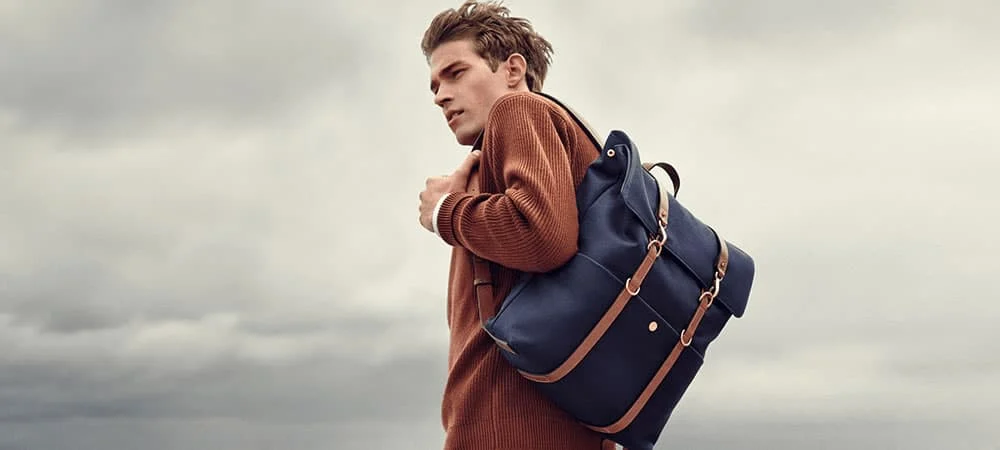
The evolution of the men’s backpack from a niche accessory reserved for K-12 students and rugged wilderness enthusiasts to a staple of contemporary professional and urban fashion represents a fundamental shift in modern commuting culture. Over the past decade, the market for men’s carry-all solutions has undergone a dramatic transformation, driven by changing workplace dress codes, the ubiquity of mobile technology, and an increasing emphasis on ergonomic, hands-free utility. Data from global apparel market research firms indicates that the demand for high-quality, multifunctional backpacks has seen a compound annual growth rate of approximately 6.2% since 2020, as the lines between office attire, gym functionality, and travel convenience have blurred.
Historical Context and the Shift in Men’s Style
For decades, the standard for professional men’s luggage was the briefcase or the leather attaché. These items, while iconic, offered limited capacity and restricted mobility. The transition toward the backpack began in the mid-2010s, as the rise of "Silicon Valley casual" culture permeated broader industries. As offices moved away from rigid suits and ties, the need for a bag that could comfortably house a laptop, tablet, charging peripherals, and gym apparel became paramount.
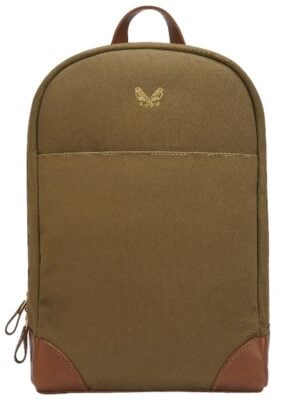
The shift was not merely functional but aesthetic. Luxury fashion houses began incorporating backpacks into their seasonal collections, signaling that the accessory was no longer viewed as juvenile. This legitimization allowed for the development of premium backpacks that utilize heritage materials—such as waxed cotton canvas, vegetable-tanned leather, and high-denacity ballistic nylon—effectively bridging the gap between utilitarianism and high-end design.
Strategic Analysis of the Modern Commuter Market

The current market is defined by a dichotomy: the rise of "technical" gear versus the demand for "minimalist" luxury. Manufacturers are now competing on a granular level, focusing on features that solve specific pain points for the modern urbanite. According to industry experts, key performance indicators for a successful 2026 backpack include modular interior organization, weather resistance (specifically rated for inclement conditions), and sustainable material sourcing.
Lyndon Cormack, co-founder of Herschel Supply Co., has previously noted that the market gap was originally created by a lack of design-forward utility. "People are constantly mobile and navigating a commuting culture that demands more from their accessories," he explained. This sentiment is echoed across the industry, with brands increasingly focusing on the lifecycle of the product. The trend toward "buy-it-for-life" craftsmanship—exemplified by companies offering lifetime repair warranties—reflects a consumer shift toward long-term value over fast-fashion disposability.

Top-Tier Brands and Their Contributions to the Market
The current landscape of backpack manufacturing is dominated by a diverse array of brands, each carving out a distinct segment based on their heritage and design philosophy.

Bennett Winch stands as a leader in the luxury-utilitarian segment. Their manufacturing process, which emphasizes 24oz waterproof British cotton canvas and hand-welded solid brass hardware, sets a high bar for durability. The inclusion of specialized compartments for gym gear and shoes highlights an understanding of the modern professional’s desire for a seamless transition between the office and the training facility.
Conversely, Danish brands such as Mismo and Rains have pioneered the "Scandi-minimalist" aesthetic. Mismo focuses on the marriage of function and form, utilizing bridle leather and premium fabrics to create a silhouette that does not appear out of place in a boardroom. Rains, meanwhile, has addressed the critical issue of weatherproofing in urban environments, utilizing proprietary matte-finish fabrics that provide a distinct, clean look while ensuring the safety of internal electronics.
Heritage and Workwear Integration
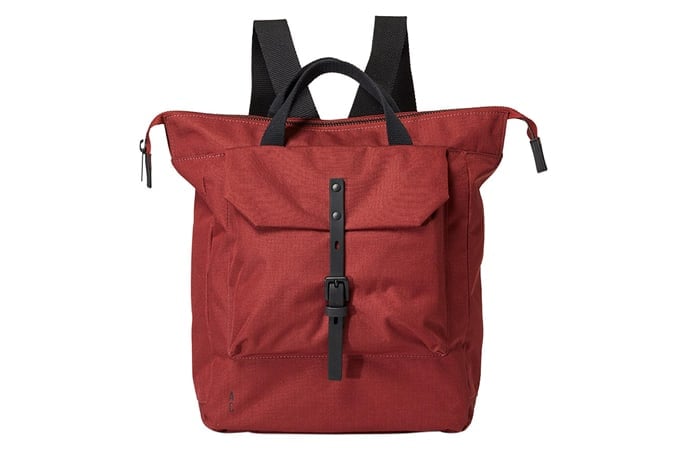
The influence of American workwear brands, such as Carhartt and The North Face, cannot be overstated. These companies have successfully transitioned from providing gear for construction sites and mountain expeditions to becoming pillars of streetwear and daily-carry culture. Their success is rooted in the "bulletproof" nature of their construction; consumers are increasingly gravitating toward these products because they are designed to withstand significant wear and tear without the need for constant replacement.

Technological and Material Advancements
Material science has played a pivotal role in the resurgence of the backpack. The move toward sustainable, recycled, and high-performance synthetic materials—such as G-1000 wax-treated cotton, which provides both a heritage feel and modern weather resistance—is now the industry standard. Furthermore, ergonomic design has seen massive improvements. Air-mesh back panels, contoured shoulder straps, and weight-distribution chest clips are now common features, directly addressing the health concerns of commuters who carry heavy loads of technology on a daily basis.

Navigating the Professional Environment: A Guide for the Modern Worker
A frequent point of debate among professionals is whether a backpack is appropriate for a formal business environment. The consensus in 2026 is that the appropriateness of the bag is determined by its material and design rather than its form factor.

For those operating in highly formal or "stuffy" office environments, industry analysts recommend eschewing nylon or brightly colored sports-oriented packs in favor of structured, leather-based models. Brands like Reiss, Miansai, and The Cambridge Satchel Company offer designs that mimic the professional profile of a briefcase while maintaining the ergonomic advantages of a backpack. These pieces are intended to complement, rather than clash with, formal tailoring.
Categorization and Selection Criteria

When evaluating the market, consumers should consider the following criteria for selecting an everyday-carry (EDC) pack:
- Durability and Materiality: Assess the denier count of the fabric and the quality of the hardware (e.g., YKK zippers, solid brass buckles).
- Interior Architecture: Look for dedicated, padded laptop sleeves that are suspended from the base of the bag to prevent impact damage.
- Ergonomics: Evaluate the padding of the straps and the ventilation of the back panel.
- Sustainability: Research whether the brand utilizes recycled materials or follows ethical manufacturing processes.
Economic and Social Implications

The normalization of the backpack as an essential item has implications for urban planning and corporate office design. As employees increasingly rely on their backpacks to facilitate a mobile work-life balance, office spaces are being redesigned with more secure, individual storage solutions for these larger personal items.
Furthermore, the rise of the "digital nomad" and the hybrid work model has ensured that the backpack will remain a focal point of the accessories market. As we look toward the latter half of the 2020s, the focus is expected to shift further toward "smart" integration, with more bags featuring integrated charging ports and RFID-blocking pockets as standard inclusions.

Conclusion: A Permanent Fixture in Men’s Fashion
The return of the backpack to the forefront of men’s fashion is not a passing trend, but a structural adaptation to the requirements of 21st-century life. Whether through the lens of luxury, workwear, or technical outdoor gear, the market has matured to offer options for every demographic. The modern consumer is now more informed, prioritizing quality, longevity, and versatility over the fleeting nature of seasonal styles. As these products continue to evolve, they will likely remain the most vital tool in the modern man’s daily arsenal, reflecting a culture that values both efficiency and personal expression.
