
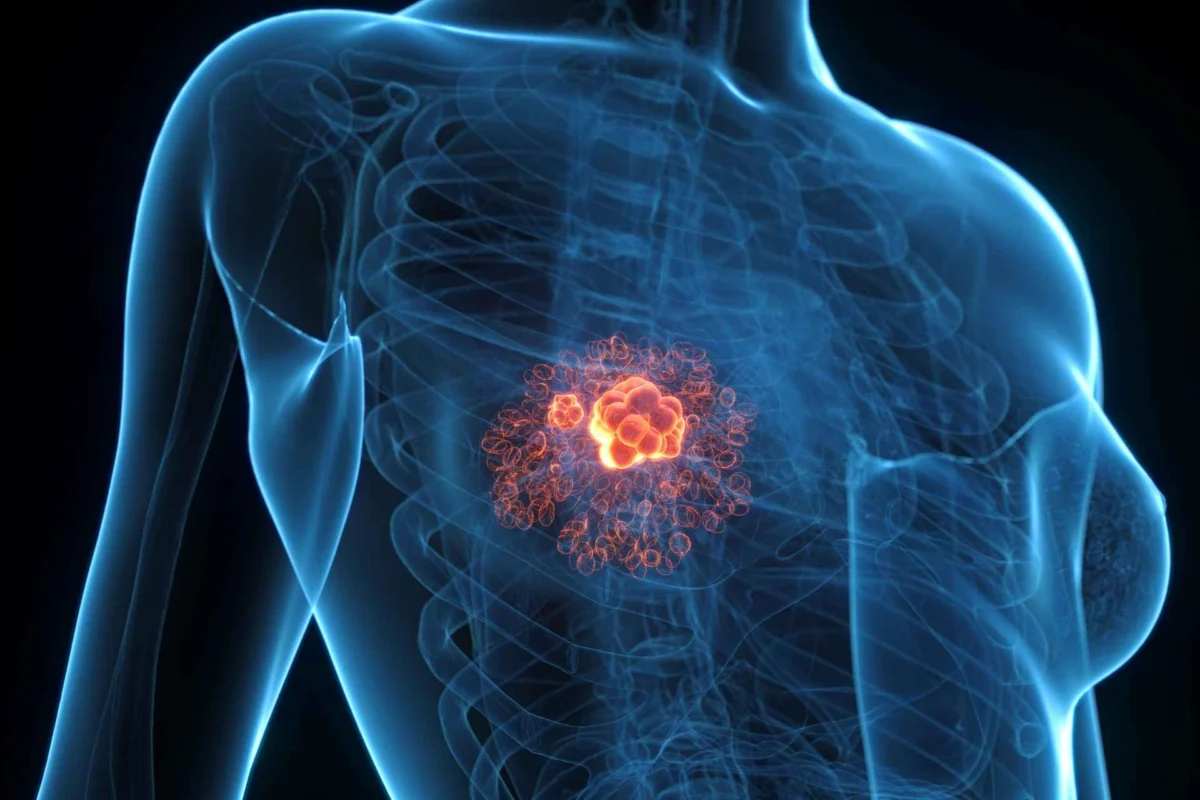
Recent scientific investigations into the complex ecosystem of the human body have brought to light a fascinating yet formidable link between the gastrointestinal tract and oncological diseases. While oncologists have long understood that breast cancer is shaped by systemic factors such as metabolism, immune system functionality, and the surrounding tissue microenvironment, the precise mechanisms governing these interactions have remained elusive. A comprehensive study analyzing both human clinical samples and murine models has now identified specific gut microbiota populations and microbial metabolites that actively accelerate breast cancer progression.
At the center of this discovery is deoxycholic acid (DCA), a secondary bile acid produced through the metabolic activity of specific intestinal bacteria. Researchers have determined that elevated levels of DCA accumulate directly within tumor environments, where they trigger biochemical signaling pathways that recruit immune-suppressive cells, ultimately facilitating unchecked tumor proliferation. This breakthrough not only illuminates a previously unknown pathway in cancer biology but also opens entirely new avenues for therapeutic intervention centered on microbiome modulation.
Background Context of the Microbiome-Cancer Axis
The human gastrointestinal tract harbors trillions of microorganisms, collectively known as the gut microbiota, which play a foundational role in human health. These microbes assist in nutrient absorption, synthesize essential vitamins, and regulate host immunity. In recent years, however, researchers have increasingly recognized the gut microbiome as an active endocrine and metabolic organ capable of influencing distant physiological sites, including the mammary glands.
Historically, cancer research focused primarily on genetic mutations within tumor cells themselves. Over the past two decades, the paradigm has shifted toward understanding the tumor microenvironment—the cellular ecosystem surrounding a tumor, which includes blood vessels, immune cells, fibroblasts, and signaling molecules. Increasingly, scientists have observed that microbial metabolites can enter the bloodstream, circulate systemically, and alter this microenvironment.
Prior epidemiological and preclinical studies hinted at a correlation between dysbiosis (an imbalance in microbial communities) and various malignancies, including colorectal, gastric, and breast cancers. Despite these associations, the specific bacterial strains, the exact metabolic pathways, and the downstream immunological consequences remained poorly defined, particularly in the context of breast carcinogenesis. The new findings bridge this critical knowledge gap by isolating the specific bacterial family and molecular byproduct responsible for driving disease progression.
Chronology and Research Methodology
The journey toward understanding the role of deoxycholic acid in breast cancer began with a systematic multi-phase investigation conducted by an interdisciplinary team of microbiologists, immunologists, and oncologists.
In the initial exploratory phase, researchers analyzed clinical tissue and stool samples from patients diagnosed with various stages of human breast disease, ranging from benign conditions to advanced malignancies. Concurrently, the team utilized well-established murine breast cancer models to track temporal changes in the gut microbiome as tumors developed and metastasized.
By sequencing the microbial DNA from these samples across different stages of disease progression, the researchers noted a distinct shift in microbial composition. Specifically, populations belonging to the Lachnospiraceae family—a diverse group of anaerobic bacteria residing in the human colon—showed a marked increase in abundance correlating directly with the advancement of breast cancer stages.
Further strain-level analysis identified Eubacterium bolteae, a specific species within the Lachnospiraceae family, as being heavily enriched in subjects with progressive disease. The investigators then tracked the metabolic output of these expanded bacterial populations, discovering a parallel surge in secondary bile acids, most notably deoxycholic acid. By utilizing advanced mass spectrometry and tracing techniques, the research team confirmed that DCA was not merely present in the systemic circulation, but was actively accumulating at significantly higher concentrations within the tumor tissue compared to healthy adjacent tissue.
Supporting Data and Biological Mechanisms
The accumulation of DCA within the tumor microenvironment is far from inert. Detailed cellular and molecular assays revealed that DCA acts as a potent signaling molecule capable of altering the behavior of both tumor cells and infiltrating immune cells.
When exposed to elevated levels of DCA, breast cancer cells undergo transcriptional changes that promote survival and proliferation. More critically, DCA stimulates the production and secretion of specific chemokines and cytokines within the tumor microenvironment. These signaling proteins act as a recruitment beacon for immunosuppressive cells, such as myeloid-derived suppressor cells (MDSCs) and regulatory T cells (Tregs).
In a healthy immune response, immune cells actively seek out and destroy malignant cells. However, the presence of MDSCs and Tregs creates a protective immunological shield around the tumor, suppressing cytotoxic T-lymphocyte activity and allowing the cancer cells to evade immune surveillance. Consequently, the bacteria-derived bile acid indirectly paralyzes the host’s anti-tumor immunity, establishing a favorable niche for rapid tumor expansion and metastasis.
Quantitative analysis from the study highlighted a direct dose-dependent relationship: higher concentrations of tumor-associated DCA corresponded with denser infiltration of immunosuppressive cells and accelerated tumor growth rates in the animal models. These data provide a mechanistic explanation for how diet, metabolism, and the gut microbiome can synergistically influence cancer outcomes.
Expert Reactions and Scientific Implications
The academic and clinical communities have responded to these findings with a mixture of enthusiasm and cautious optimism, viewing the study as a significant milestone in translational oncology.
Oncologists note that while the study establishes a compelling correlation and mechanism in preclinical models, validating these pathways in large-scale human clinical trials remains an essential next step. Specialists in nutritional science and gastroenterology have also pointed out that because gut microbiome composition is heavily influenced by diet, lifestyle factors, and pharmacological agents, these findings could eventually translate into accessible, non-invasive supportive therapies for cancer patients.
Rather than relying solely on traditional cytotoxic chemotherapies or targeted receptor antagonists, future breast cancer treatment regimens might incorporate microbiome-targeted strategies. Potential interventions under discussion by researchers include:
- Dietary modifications designed to selectively starve harmful bacterial strains like Eubacterium bolteae.
- Precision prebiotics and probiotics aimed at restoring a healthy, balanced gut microbial ecosystem.
- Targeted antibiotic or anti-microbial therapies that specifically inhibit the enzymatic pathways responsible for secondary bile acid synthesis.
- Pharmacological inhibitors that block the downstream receptors activated by DCA within the tumor microenvironment.
Such combinatorial approaches could potentially enhance the efficacy of existing immunotherapies, many of which depend heavily on a robust and functional immune response that is currently thwarted by mechanisms like the one uncovered in this study.
Broader Impact on Clinical Oncology and Future Outlook
The implications of linking Lachnospiraceae and deoxycholic acid to breast cancer extend far beyond a single malignancy. This research reinforces a growing consensus in modern medicine that human physiology cannot be viewed as a collection of isolated organ systems. Instead, diseases must be understood through a holistic, systemic lens where metabolic and microbial factors play orchestrating roles.
As clinical researchers design the next phase of investigations, attention is turning toward biomarker discovery. Measuring circulating levels of DCA or monitoring the relative abundance of Lachnospiraceae in patient stool samples could eventually serve as a non-invasive prognostic tool, helping clinicians assess disease aggressiveness or monitor therapeutic response over time.
While translational applications will require years of rigorous clinical trials to ensure safety and efficacy, the identification of the DCA pathway marks a crucial turning point. By shifting the clinical gaze toward the gut-tumor axis, medical science moves closer to comprehensive, multi-targeted therapies capable of outsmarting the complex adaptive mechanisms of breast cancer.
