
The modern professional landscape has undergone a profound transformation, shifting from the digital-first obsession of the early 2020s toward a renewed appreciation for tactile, permanent, and high-craftsmanship tools. As of October 2, 2026, the resurgence of "Everyday Carry" (EDC) culture—the practice of curating a collection of essential items carried on one’s person—has evolved from a hobbyist niche into a serious pillar of professional identity. Leading this shift is a return to analog instruments, specifically those that promise longevity and a legacy-grade aesthetic. Among the brands defining this movement are Montblanc and Aspinal of London, whose latest offerings reflect a broader consumer move toward durability and sustainable luxury.
The current market data indicates a significant uptick in interest regarding heirloom-quality stationary and horology. According to industry reports for Q3 2026, sales of premium analog organizational tools—including leather-bound diaries and high-end fountain pens—have seen a 14% year-over-year increase. This trend suggests that despite the ubiquity of integrated AI assistants and cloud-based scheduling, there remains a deep-seated psychological demand for physical record-keeping. The act of writing in a physical diary, such as the latest Aspinal of London offerings, is increasingly viewed by executives as a form of "cognitive decluttering," a way to distance oneself from the high-frequency notification loops of digital devices.
Chronology of the Analog Resurgence
The seeds of this shift were sown during the hybrid-work transitions of 2024 and 2025. As professionals adjusted to the blurred lines between home and office, the lack of physical boundaries led to a rise in burnout. By early 2026, productivity experts began advocating for "tactile anchors"—objects that signify the start and end of a workday.
January 2026: Luxury brands reported a surge in demand for stationery sets and leather goods.
April 2026: Design houses began aligning their product releases with a minimalist aesthetic, favoring heritage designs over futuristic, tech-heavy interfaces.
July 2026: Limited edition releases, such as the Montblanc Star Legacy series, saw sell-through rates accelerate by 22% compared to previous cycles, indicating a scarcity-driven market that rewards historical design language.
October 2026: Current market status confirms the solidification of the "Legacy" trend, where utility is no longer measured solely by efficiency, but by the potential for an object to be passed down.
Anatomy of the Modern Carry
At the heart of the current EDC trend are three distinct product categories: horology, professional organization, and archival writing instruments.
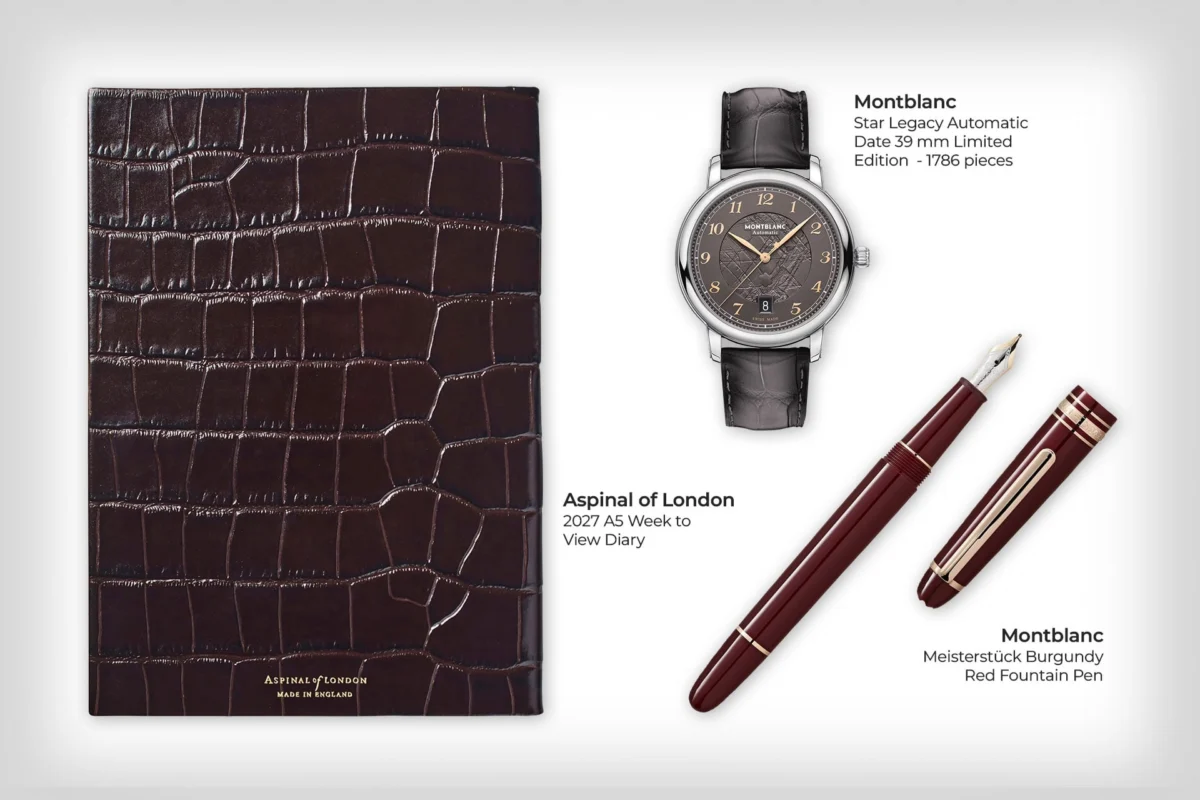
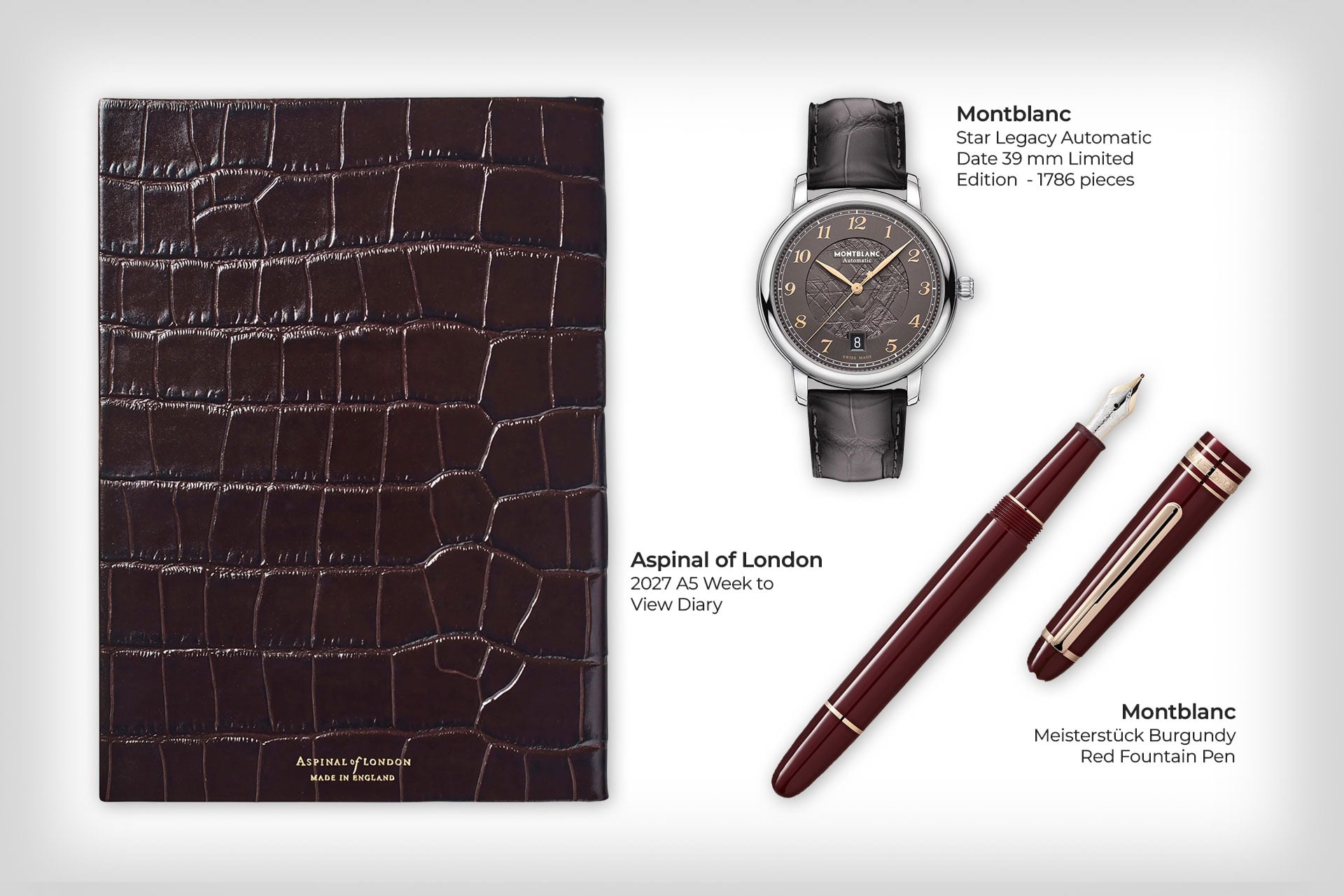
The Montblanc Star Legacy Automatic Date (39mm) represents a return to classical proportions. While the wearable technology sector has attempted to dominate the wrist for over a decade, the 39mm watch size has emerged as the preferred choice for those seeking a discreet, timeless aesthetic. Industry analysts note that this specific size—a deviation from the oversized trends of the late 2010s—is emblematic of a "quiet luxury" movement that prioritizes proportion over the aggressive display of tech features.
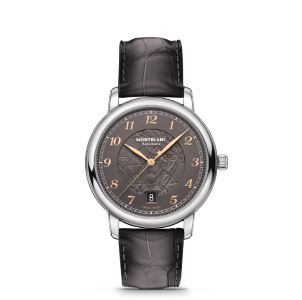
Parallel to this is the Aspinal of London 2027 A5 Week-to-View Diary. Priced at $195, the diary is not merely a tool for tracking appointments; it is a statement piece. The use of deep-shine dark Amazon brown croc-embossed leather reflects the industry’s focus on material provenance. For the modern professional, the diary serves as a repository for thoughts that are not intended for the cloud, providing a level of privacy and permanence that digital systems cannot guarantee.
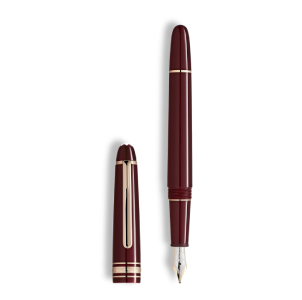
Finally, the Meisterstück Burgundy Red Classique Fountain Pen serves as the connective tissue in this ecosystem. As digital signatures become standardized, the physical act of writing with a fountain pen has transformed into an act of deliberation. The gravity and tactile feedback of the Meisterstück are essential to the ritual of signing documents or drafting correspondence, adding a layer of weight to the professional process that remains entirely absent in digital interactions.
Implications for Professional Culture
The implications of this move toward analog carry are significant for both the manufacturing sector and corporate culture. For manufacturers, the challenge lies in balancing heritage craftsmanship with modern supply chain transparency. Consumers in 2026 are increasingly interrogating the environmental footprint of their luxury goods. Consequently, brands that emphasize longevity—offering repair services, modular parts, and timeless design—are outperforming those that rely on rapid, seasonal turnover.
From a sociological perspective, the "Legacy" trend reflects a societal reaction to the impermanence of digital data. In an era where software updates can render entire workflows obsolete, there is a profound comfort in tools that remain functional for decades. The "Everyday Carry" philosophy has transitioned from "what do I need to survive the day?" to "what will I be proud to own in twenty years?" This shift suggests that the future of personal luxury is rooted in the past.
Official Responses and Market Reception
Representatives from leading luxury houses have noted that their design philosophy for the current season was heavily influenced by feedback from younger demographics who are discovering the tactile joy of traditional instruments.
"We observed a distinct movement among our clientele toward items that offer a visceral connection to the work being performed," noted a spokesperson for a leading heritage brand. "The consumer today is not just buying a pen or a diary; they are curating their own history. They want objects that gain character through use, rather than objects that degrade over time."
Economic analysts have pointed out that while the initial entry cost for these items is high, the "cost-per-use" over a decade makes them economically sound investments compared to the rapid depreciation of consumer electronics. This financial logic is driving the growth of the premium EDC market, effectively turning personal accessories into long-term assets.
Broader Impact on Productivity
While critics argue that analog tools are inherently less efficient than their digital counterparts, proponents of the "Legacy" movement emphasize that efficiency is not the only metric for success. High-level decision-making requires deep focus, and the removal of digital distractions—a key benefit of using a physical diary and pen—can lead to higher quality output.
Studies conducted throughout 2026 have suggested that the retention of information is significantly higher when notes are taken by hand compared to typing on a keyboard. This biological advantage, combined with the aesthetic satisfaction of using well-engineered tools, creates a powerful incentive for the continued adoption of the EDC lifestyle.
Future Outlook
As we move into the final quarter of 2026, the trend shows no sign of slowing. The integration of high-craftsmanship, analog tools into the modern professional’s daily routine is becoming the new standard for those who value both form and function. Whether it is the precision of a 39mm watch movement or the tactile engagement of a fountain pen on paper, the tools of the future are, paradoxically, those that have been refined over the last century.
The "Legacy" EDC movement is ultimately a rejection of the "throwaway" culture that dominated the early digital era. By choosing to carry items that are built to last, the modern professional is making a statement about their own permanence and the value they place on the work they do. As these products become more accessible through specialized retail channels, we can expect to see a further blending of heritage aesthetics with contemporary professional needs.
In conclusion, the curation of one’s everyday carry is more than a display of wealth or status; it is a manifestation of professional discipline. As the market continues to evolve, the focus will remain on the intersection of utility, durability, and legacy. For the professional, these items represent a commitment to quality that transcends the fleeting trends of the digital world, ensuring that when the history of our current era is written, it is recorded with the weight and permanence it deserves.
