
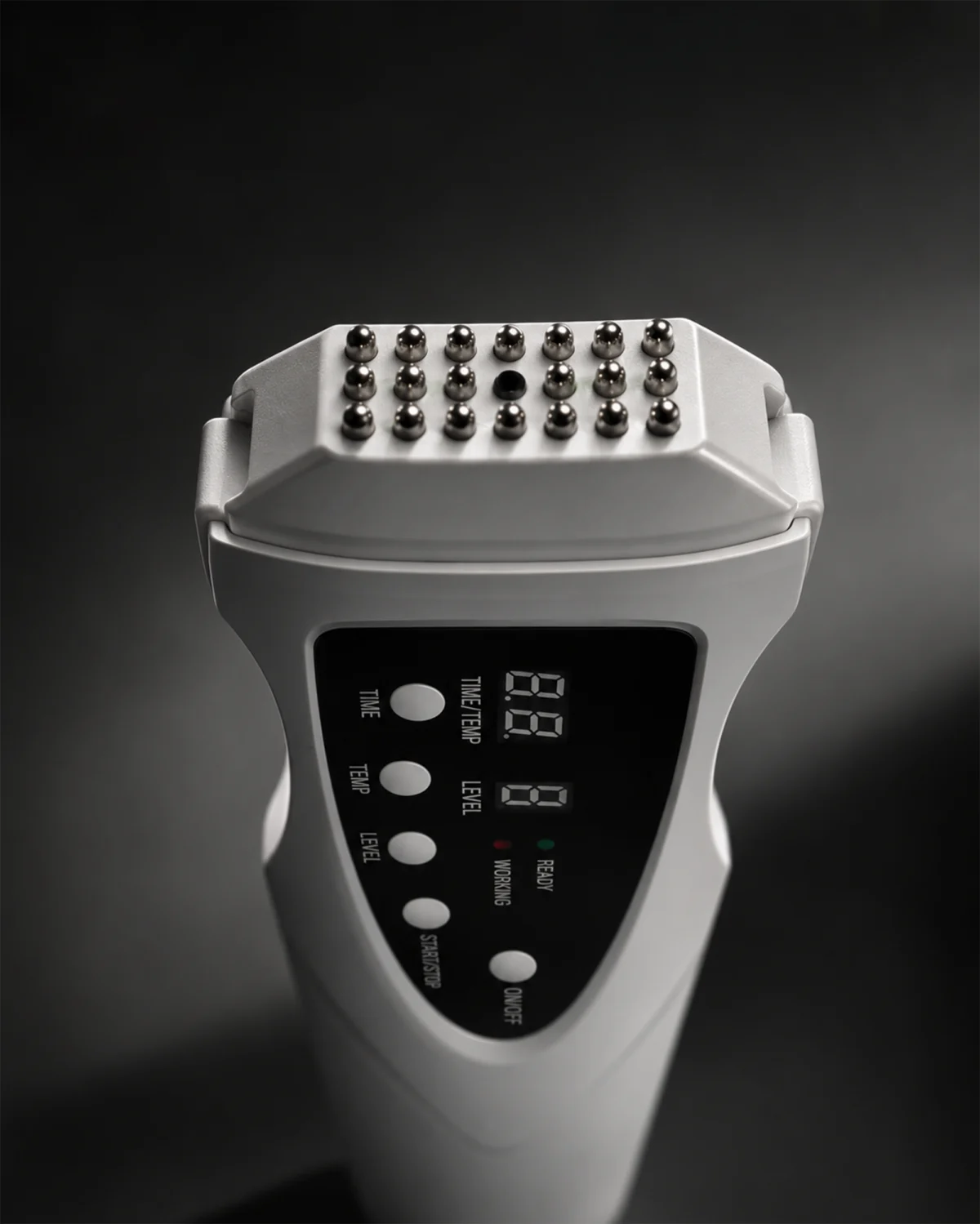
The advancement of non-invasive aesthetic treatments has taken a significant step forward with the official introduction of ThermaSense technology by prominent skincare solutions provider CACI. Designed specifically to enhance Rejuva Med’s multipolar radiofrequency (RF) treatment portfolio, the new technological integration aims to optimize clinical efficacy and patient safety during skin-tightening and rejuvenation procedures. By combining advanced energy delivery mechanisms with real-time thermal monitoring, the system seeks to address longstanding challenges in aesthetic medicine related to precise temperature regulation and collagen stimulation.
Main Facts of the Innovation
At the core of the newly introduced ThermaSense system is an advanced integrated skin temperature sensor embedded directly into the radiofrequency handset. This engineering feature is engineered to deliver thermal energy in a highly controlled manner to the targeted layers of the dermis. The primary clinical objective of this controlled delivery is to stimulate natural collagen production, ultimately promoting firmer, smoother, and more resilient-looking skin for patients undergoing anti-aging and skin-rejuvenation therapies.
Unlike traditional radiofrequency devices that rely heavily on manual operator estimation or patient feedback regarding warmth, the ThermaSense handset introduces an automated feedback loop. According to CACI, the technology monitors the exact temperature of the skin surface in real-time. Once the optimal therapeutic window—specifically established between 42 degrees Celsius and 45 degrees Celsius—is achieved, the device notifies the practitioner through distinct audio and visual indicators, utilizing a combination of an audio beep and a green light signal. Furthermore, the system intelligently regulates the energy output by cycling the RF energy on and off, ensuring that the predetermined therapeutic temperature is consistently maintained without exceeding safe thermal thresholds.
Chronology and Development Background
The integration of ThermaSense into Rejuva Med’s treatment protocols represents the culmination of extensive research and development within the aesthetic technology sector. Over the past decade, the demand for non-surgical facial and body rejuvenation has experienced exponential growth, driven by consumer preference for minimal downtime and natural-looking results. Radiofrequency technology has long been a cornerstone of this movement, prized for its ability to heat the dermal tissue and contract existing collagen fibers while triggering neocollagenesis.
Historically, however, one of the primary variables in radiofrequency treatments has been operator technique and the challenge of maintaining uniform thermal distribution across varied facial contours. Recognizing this limitation, CACI’s engineering and product development teams initiated a project several years ago to design a smart delivery system that could eliminate guesswork from the procedure. Following rigorous laboratory testing, safety trials, and clinical evaluations, the ThermaSense system was finalized for commercial release, paving the way for its deployment across partner clinics utilizing Rejuva Med protocols.
Supporting Data and Technological Mechanics
To understand the clinical significance of the ThermaSense integration, industry analysts point to the biological mechanisms of radiofrequency energy in human tissue. Scientific literature consistently demonstrates that sustained dermal heating within the 40 to 45 degree Celsius range is critical for denaturing existing collagen fibrils, which prompts an immediate tightening effect, and for activating fibroblasts to synthesize new type I and type III collagen over subsequent weeks and months.
However, clinical complications can arise if temperatures drop too low, resulting in suboptimal efficacy, or conversely, if temperatures exceed 45 degrees Celsius, which risks patient discomfort, epidermal blistering, or post-inflammatory hyperpigmentation. The ThermaSense system directly mitigates these risks through its automated switching mechanism. By maintaining the skin surface at the precise therapeutic optimum, the technology ensures that every square centimeter of treated tissue receives an efficacious dose of thermal energy without putting the patient at risk of thermal injury. Market data from aesthetic equipment surveys indicate that clinics adopting smart, sensor-driven handpieces report higher consistency in treatment outcomes and significantly enhanced patient confidence.
Official Responses and Industry Perspectives
Industry leadership has underscored the importance of precision engineering in modern aesthetic practices. Dean Nathanson, managing director of CACI, provided detailed insights into the operational mechanics and safety protocols governing the new technology.
"ThermaSense technology is a heat sensor built into our radio frequency handset that monitors the temperature of the skin and advises the user, via an audio beep and green light, when the set temperature of 42 to 45 degrees Celsius of the RF handset has been reached on the skin surface," Nathanson explained.
Elaborating on the functional safety and efficacy of the device, he added, "It then maintains the set temperature by switching the RF energy on and off to ensure that the set temperature is not exceeded."
This commentary has resonated well within the professional skincare community. Practitioners and clinical educators have long advocated for equipment that bridges the gap between high-powered energy devices and operator-dependent variables. By embedding safety parameters directly into the hardware, CACI aims to standardize treatment quality across varying levels of practitioner experience, ensuring that both seasoned dermatologists and clinical aestheticians can deliver uniform results.
Broader Market Impact and Future Implications
The introduction of ThermaSense to Rejuva Med treatments arrives at a pivotal time for the aesthetic medicine industry. As regulatory bodies globally place greater scrutiny on safety standards for energy-based devices, manufacturers are increasingly pressured to incorporate fail-safes and advanced monitoring systems into their product lines. Technologies that minimize human error while maximizing physiological response are expected to set the benchmark for future device approvals and clinical adoption.
Furthermore, the emphasis on patient comfort and predictable outcomes is reshaping consumer expectations. Patients seeking non-invasive skin rejuvenation are increasingly informed about the science behind treatments and are actively looking for clinics that utilize advanced, safety-verified technology. The ability of practitioners to demonstrate precise, sensor-monitored thermal delivery could become a significant competitive differentiator in a crowded marketplace.
As CACI continues to roll out the ThermaSense integration across its network, industry observers will be monitoring clinical feedback and long-term data regarding patient satisfaction and procedural efficacy. The successful deployment of this technology could well serve as a catalyst for broader industry-wide shifts toward intelligent, automated energy delivery systems, ultimately redefining standards of care in non-surgical dermatology and aesthetic enhancement.
