
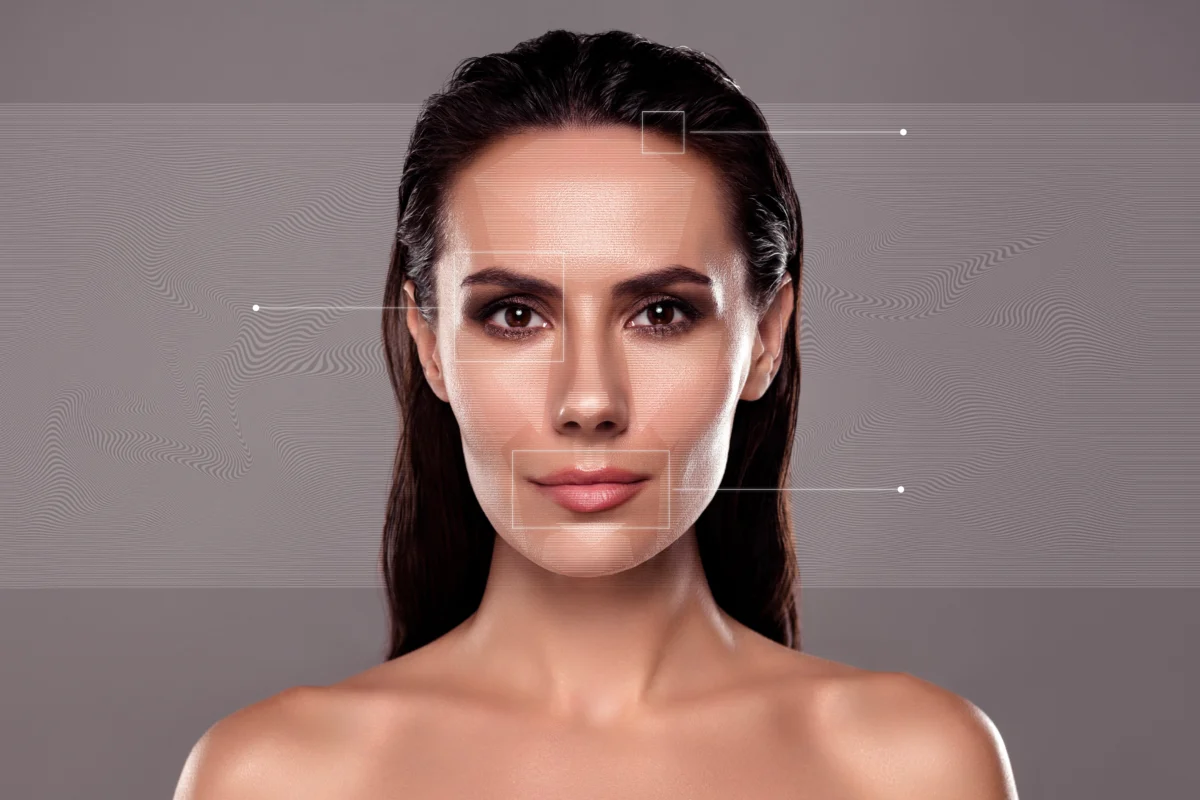
The intersection of artificial intelligence and aesthetic medicine has officially entered the clinical consultation room, presenting new challenges for medical professionals and patients alike. According to a recent survey conducted by the British Association of Aesthetic Plastic Surgeons (BAAPS), 15 percent of responding members reported treating patients who brought artificial intelligence-generated images of themselves to their appointments. This emerging trend highlights a profound shift in how individuals visualize aesthetic enhancements, moving away from traditional celebrity inspiration toward hyper-personalized, algorithmically perfected digital avatars. While generative AI tools offer unprecedented visual capabilities, medical experts warn that these technologies are blurring the critical boundary between fantasy and anatomical reality, raising concerns regarding informed consent, clinical governance, and psychological well-being.
The phenomenon, increasingly referred to in medical circles as the "AI face," involves patients using consumer-grade applications to digitally alter their own features to achieve idealized symmetry, flawless skin, and modified bone structures. Unlike historical reference points—such as bringing a photograph of a Hollywood celebrity to a consultation—AI-generated self-portraits present a psychological hurdle that is far more difficult to navigate. Because the digital rendering depicts the patient’s own face, the resulting visualization feels immediately attainable, even when the alterations defy human anatomy, biological healing processes, and structural limitations.
To understand the broader implications of this technological wave, industry publication Aesthetics engaged with leading voices in the field, including Ms. Nora Nugent, a consultant plastic surgeon and president of BAAPS, and Julie Scott, an independent nurse prescriber and ambassador for the Body Dysmorphic Disorder Foundation. Their insights illuminate the complex dynamics at play as clinics grapple with managing expectations shaped by lines of code rather than clinical feasibility.
The Chronology of Digital Visualisation in Aesthetics
The integration of imaging technology into plastic surgery and dermatology is not entirely new. For over a decade, practitioners have utilized 2D and 3D simulation software to demonstrate potential postoperative outcomes, such as the projected profile following a rhinoplasty or the volumetric changes expected from dermal fillers. These legacy systems, while helpful, were typically operated by trained medical professionals within a clinical setting. They were bound by anatomical constraints and calibrated to reflect real-world surgical techniques.
However, the rapid democratization and accessibility of generative artificial intelligence over the past three years have entirely transformed this landscape. With the proliferation of smartphone applications capable of altering facial features in seconds using deep-learning models, patients now arrive at initial consultations equipped with their own digital blueprints. This shift has inverted the traditional consultation workflow. Instead of the practitioner evaluating the patient and proposing a treatment plan based on clinical expertise, the patient presents a finished, algorithmically generated objective, tasking the medical professional with reverse-engineering a surgical or nonsurgical pathway to match the digital artifact.
This technological evolution has accelerated rapidly. Industry observers note that while early AI integrations in beauty and wellness were limited to skin analysis and surface-level blemish removal, current generative adversarial networks (GANs) and diffusion models can completely restructure craniofacial proportions, eye spacing, and jawline contours with startling photorealism. Consequently, aesthetic practitioners are increasingly finding themselves forced to double as digital literacy educators, deconstructing the mechanics of artificial imagery before discussing anatomy or surgical techniques.
Clinical Realities Versus Algorithmic Perfection
The fundamental friction between AI-generated imagery and medical practice lies in the inherent limitations of human anatomy. Algorithms operate without regard for biological variables, skin elasticity, underlying bone structure, vascular supply, or individual healing timelines.
Addressing this disconnect, Ms. Nugent emphasizes the distinct challenges practitioners face when confronting a patient clutching a digitally perfected selfie. Once an individual visualizes themselves through the lens of an AI filter, that image solidifies as a powerful psychological benchmark. Explaining that the human body cannot simply replicate every modification made by an algorithm requires delicate and meticulous communication. While skilled surgeons and practitioners can significantly enhance and refine natural features, they cannot fundamentally rewrite anatomy or guarantee a mathematically symmetrical outcome that defies biological norms.
Furthermore, BAAPS has raised alarm bells regarding the broader cultural impact of widespread AI usage. The association fears that the constant influx of symmetrical, digitally altered images is actively shifting public perceptions of normal human variation. Over time, exposure to these homogenized aesthetics risks establishing an unrealistic baseline for beauty, potentially devaluing the unique, natural ethnic characteristics and individual asymmetries that define human diversity.
Scott echoes these concerns, noting that while patients may not always demand exact replicas of their AI avatars, they are increasingly gravitating toward a generalized, hyper-refined look. The danger, she explains, is a gradual erosion of appreciation for natural individuality, pushing populations toward a standardized archetype of perfection.
Governance, Informed Consent, and Psychological Screening
The influx of AI-generated imagery into clinical settings also forces a critical re-evaluation of medical governance, informed consent, and patient safety protocols. Informed consent has always extended far beyond a mere recital of procedural risks; it requires a comprehensive mutual understanding of expected outcomes and realistic limitations. When a patient’s expectations are anchored to a frictionless, algorithmically generated ideal, achieving true informed consent becomes significantly more complex.
Practitioners must carefully scrutinize how AI visualizations are integrated into the consultation process. Scott stresses that clinicians must maintain strict data governance standards, remaining fully aware of how patient photographs are processed, stored, and protected when uploaded to third-party AI platforms. Furthermore, maintaining a clear paper trail—documenting precisely which images were reviewed, what limitations were discussed, and how those visualizations influenced the patient’s decision-making process—has become an essential component of modern clinical record-keeping.
Crucially, the inability to reach a shared, realistic understanding between practitioner and patient must serve as a natural stopping point in the treatment journey. Scott advocates for structured pauses in care. If, following an exhaustive consultation regarding anatomical limitations, a patient’s expectations remain fundamentally unachievable, the practitioner has an ethical obligation to halt the treatment process. This pause provides the individual with necessary time for reflection, ensuring that any subsequent choices are grounded in medical reality rather than digital illusion.
This cautious approach is particularly vital when addressing psychological vulnerabilities such as Body Dysmorphic Disorder (BDD). AI-generated imagery poses a distinct risk for individuals struggling with BDD, as it can reinforce and validate distorted self-perceptions, feeding an endless cycle of dissatisfaction. BAAPS and psychological advocates emphasize that comprehensive psychological screening should remain a core pillar of aesthetic care. When BDD is suspected, the clinical priority must pivot away from attempting to recreate a digital image and toward compassionate psychological assessment, support, and appropriate specialist referral.
Industry Recommendations and the Future of Consultations
In response to these evolving trends, professional bodies are actively establishing guidelines to protect both patients and practitioners. BAAPS recommends that aesthetic practitioners request both the unedited original photograph and the AI-altered version during the preliminary consultation phase. By analyzing both images side-by-side alongside professional clinical photography, practitioners can bridge the gap between imagination and reality, using the AI image purely as a conversational tool to understand the patient’s underlying aesthetic desires rather than as a clinical blueprint.
Ultimately, medical authorities stress that the growing prevalence of generative AI underscores the absolute necessity of seeking care from properly qualified, registered medical professionals. As technology continues to advance and blur the lines between the physical and the digital, the core tenets of aesthetic medicine must remain anchored in clinical expertise, individualized care, and an unwavering commitment to patient safety and psychological well-being.
