
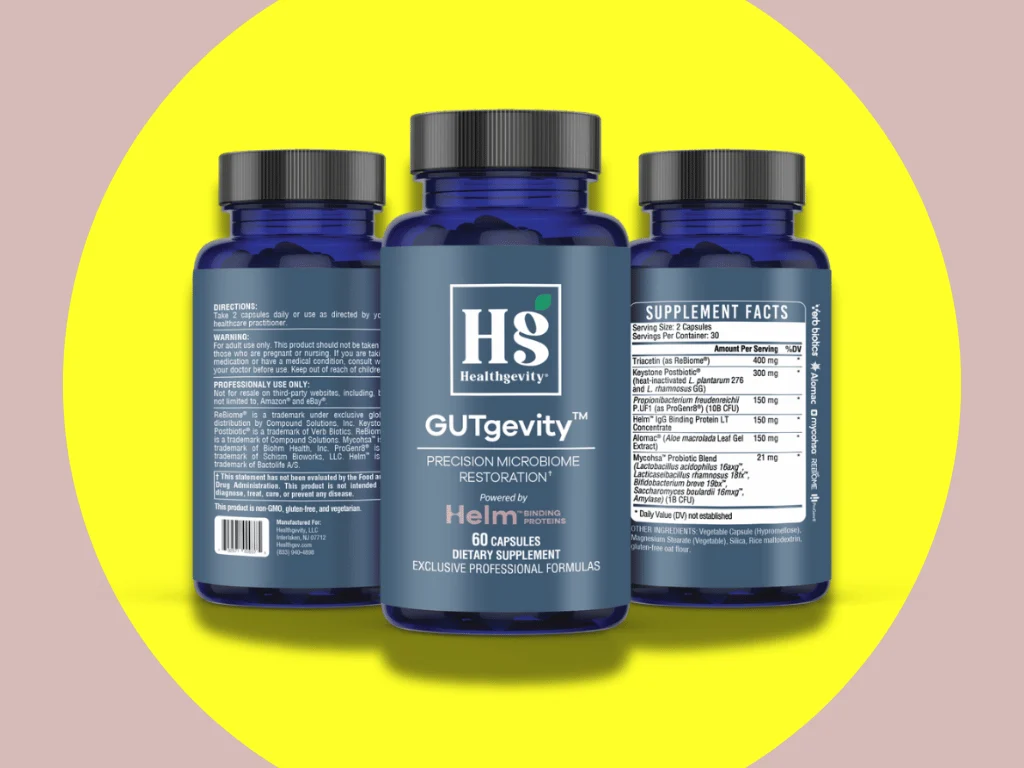
The global landscape of digestive wellness is undergoing a structural evolution, moving past the traditional binary of probiotics and prebiotics into a new era of targeted molecular engineering. Bactolife, a pioneering biotechnology startup headquartered in Denmark, has officially made its highly anticipated entry into the United States market. This strategic milestone is realized through an exclusive commercial partnership with Miami-based healthy aging company Healthgevity, marking the introduction of Bactolife’s proprietary Helm line of binding proteins to American consumers and healthcare practitioners.
This US debut follows closely on the heels of a successful €30 million funding round secured by Bactolife earlier in the year. The capital injection was earmarked specifically to facilitate international regulatory navigation, scaling operations, and launching its innovative binding protein technology across North American markets. By collaborating with Healthgevity, Bactolife is deploying its flagship technology within a specialized dietary supplement formulation named Gutgevity. This formulation is explicitly tailored for the proactive health and wellness market, targeting healthcare practitioners seeking advanced modalities to support patient microbiome health.
The Science of Helm Binding Proteins: Nature-Inspired Molecular Engineering
To understand the significance of Bactolife’s market entry, one must examine the fundamental science governing binding proteins. Inspired by the unique structural biology of immunoglobulins found in the milk of camelids—a mammalian family that includes camels, llamas, and alpacas—these binding proteins represent an entirely novel class of food and dietary ingredients. Camelid antibodies are renowned in biochemical research for their exceptionally small, simple, and robust structures, which possess highly targeted binding affinities.
Since their discovery and initial investigation in the early 1990s, scientists have sought to harness the precise neutralizing capabilities of these molecular structures. Bactolife utilizes advanced precision fermentation methods to engineer, produce, and commercially scale these specialized proteins. Unlike traditional antibiotics, which broadly eradicate both pathogenic and beneficial microbial populations within the gastrointestinal tract, Helm binding proteins operate via a non-destructive mechanism.
They do not kill microbes, nor do they penetrate the intestinal epithelial barrier or trigger an aggressive systemic immune response. Instead, these proteins function within the intestinal lumen by selectively binding to specific undesirable microbial metabolites and compounds. By neutralizing these disruptive agents, the proteins allow them to pass safely through the digestive tract without causing localized inflammation or microbiome dysbiosis. Furthermore, these proteins exhibit exceptional resilience, maintaining structural stability across a broad pH spectrum and resisting elevated temperatures, making them highly versatile for integration into diverse consumer product formats.
A Chronological Expansion: From Research Bench to International Commerce

The journey of Bactolife from an academic and early-stage research enterprise to a commercial biotechnology leader reflects the rapid acceleration of functional ingredient development in the life sciences sector.
In the formative years of camelid antibody research, potential applications were largely confined to pharmaceutical and clinical diagnostic settings. However, over the past decade, advances in synthetic biology and precision fermentation have enabled biotech firms to translate these complex biological molecules into scalable, food-grade ingredients. Bactolife capitalized on this scientific inflection point by developing its proprietary Helm platform, positioning the technology as a bridge between therapeutics and daily nutritional wellness.
The timeline leading to the current US launch accelerated significantly over the preceding twelve months. Following rigorous pre-clinical evaluations, including specialized intestinal and animal trials that demonstrated safety and efficacy, Bactolife secured a €30 million financing round. This funding provided the financial runway necessary to transition from European research facilities to commercialization in the highly competitive United States wellness market.
The partnership with Healthgevity serves as the primary commercial vehicle for this market entry. Moving forward, Bactolife’s strategic roadmap outlines subsequent expansions into the European and Asian markets. Additionally, the company maintains a humanitarian and global health objective to eventually make binding proteins accessible to vulnerable demographics, including women and children in low- and middle-income nations, where gastrointestinal health challenges carry severe public health implications.
Market Demographics and Consumer Perceptions in the United States
Bactolife’s entry into the US market is exceptionally well-timed, coinciding with a profound cultural and consumer shift regarding gastrointestinal wellness. Recent survey data compiled by the International Food Information Council (IFIC) indicates that nearly two-thirds—specifically 64%—of American consumers consider digestive health to be a high personal health priority. Approximately three in ten individuals actively work to support their gut microbiome through deliberate dietary modifications, such as increasing daily dietary fiber intake.
This heightened consumer awareness is driven by a convergence of cultural phenomena, digital media trends, and scientific communications. Documentaries such as Netflix’s Hack Your Health, viral social media health trends like TikTok’s "fibermaxxing" movement among Generation Z, and the explosive popularity of personalized nutrition technology platforms like Zoe have collectively propelled gut health into the mainstream consciousness.
Concurrently, the widespread adoption of GLP-1 receptor agonist weight-loss medications has directed unprecedented scientific and consumer attention toward the gut-brain axis and metabolic health. Dietary fibers and prebiotics naturally stimulate the production of short-chain fatty acids (SCFAs) in the gut, which in turn trigger the natural release of the GLP-1 hormone from intestinal L-cells. As consumers seek synergistic ways to support metabolic and digestive health, novel ingredients that optimize the intestinal environment are experiencing unprecedented demand.
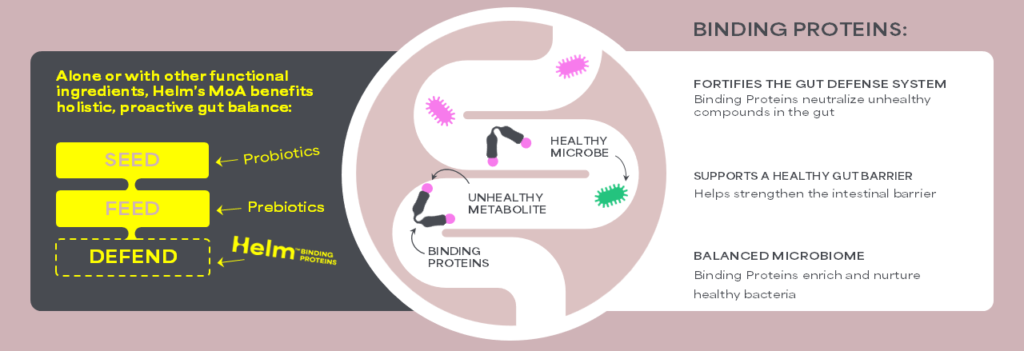
Integrating the "Seed, Feed, and Defend" Framework
For decades, the commercial gut health industry has been dominated by a singular paradigm: introducing live beneficial microbes (probiotics), providing them with nutritional substrates (prebiotics), or utilizing the non-viable components and metabolic byproducts of these microbes (postbiotics). While effective, Bactolife argues that these approaches leave critical gaps in comprehensive microbiome management.
Bactolife’s philosophy centers on a comprehensive "seed, feed, and defend" operational framework. While probiotics seed the gut and prebiotics feed them, Helm binding proteins introduce a vital defense mechanism. Sebastian Söderberg, Chief Executive Officer of Bactolife, emphasized this distinction during the US launch announcement, stating that going beyond traditional biotics does not mean replacing them, but rather addressing a previously unoccupied segment of the gut health equation.
Michael Antonelli, founder and CEO of Healthgevity, echoed this sentiment regarding the clinical integration of the technology. According to Antonelli, the partnership grants healthcare practitioners access to a completely unprecedented mechanism of action. By incorporating Bactolife’s IgG Binding Protein LT into the Gutgevity supplement, the formulation establishes an additional layer of resilience designed to protect and nourish the intestinal ecosystem.
Anatomy of the Gutgevity Formulation
The Gutgevity supplement represents a sophisticated convergence of multiple biochemical mechanisms designed to address gastrointestinal health holistically. Rather than relying on a single ingredient, the formulation integrates Bactolife’s Helm binding proteins with five distinct, complementary functional mechanisms spanning prebiotics, probiotics, postbiotics, botanical extracts, and fungal-derived components.
Within this matrix, the primary function of the Helm binding protein is to act as a targeted molecular scavenger within the intestinal lumen. By binding undesirable microbial metabolites that threaten microbiome stability and intestinal barrier integrity, the protein prevents these disruptive compounds from inducing localized oxidative stress or dysbiosis.
Simultaneously, the complementary components of the formulation work to support microbial metabolism, enhance barrier junction proteins, modulate immune system communication, and maintain an optimal balance between bacterial and fungal populations within the microbiome. Because the binding proteins exhibit a rapid onset of action and remain effective at remarkably low daily inclusion rates, users can experience supportive benefits shortly after ingestion without experiencing the physiological adaptation periods typically associated with high-dose probiotic introductions.

Broader Industry Implications and Future Outlook
The commercialization of binding proteins in the dietary supplement sector signals a broader maturation of biotechnology applications within everyday consumer goods. As precision fermentation matures, the ability to manufacture complex, nature-inspired proteins at scale is transforming the functional food, beverage, and nutraceutical industries.
From an analytical perspective, Bactolife’s market strategy illustrates a shifting trend toward mechanism-specific ingredient branding. By establishing Helm as an independent ingredient brand licensed to established health companies like Healthgevity, Bactolife can rapidly scale its market footprint without building a direct-to-consumer retail infrastructure from scratch. This B2B ingredient model mirrors the historical success trajectories of major biotech innovations in the nutritional space, such as branded probiotics and specialized enzyme formulations.
As regulatory bodies continue to scrutinize the efficacy and safety claims of microbiome products, companies that invest heavily in pre-clinical trials, intellectual property protection, and peer-reviewed scientific validation—such as Bactolife—are uniquely positioned to capture market share. The successful deployment of binding proteins in the US market will likely serve as a litmus test for the commercial viability of next-generation biologic ingredients in everyday preventive healthcare.
Ultimately, Bactolife’s venture across the Atlantic represents more than a simple product launch; it signifies the introduction of proactive resilience as a foundational pillar of modern wellness. By expanding the nutritional toolkit available to healthcare practitioners and consumers alike, the integration of camelid-inspired binding proteins into daily regimens offers a sophisticated, scientifically rigorous approach to cultivating lifelong digestive health.
