

Polycystic ovary syndrome (PCOS) stands as the most prevalent endocrine and metabolic disorder affecting women of reproductive age, yet it remains notoriously difficult to identify promptly. Clinical research indicates that obtaining a formal diagnosis is frequently a protracted ordeal, taking up to two years and requiring a minimum of three distinct physician visits. For the millions of women grappling with symptoms such as menstrual irregularities, hyperandrogenism, and fertility challenges, this multi-year delay prolongs physical discomfort, exacerbates psychological distress, and postpones essential clinical interventions. In response to these systemic healthcare bottlenecks, diagnostic innovations—specifically at-home hormone testing kits—are emerging to help streamline the preliminary identification process and empower patients before they enter traditional clinical settings.
Understanding the Traditional Diagnostic Framework
To contextualize the utility of at-home diagnostic tools, it is necessary to examine how conventional medicine approaches the identification of PCOS. Medical professionals do not rely on a single, definitive test to confirm the condition. Instead, clinicians typically evaluate a combination of patient symptoms, comprehensive medical histories, and physical examinations.
The gold standard for clinical diagnosis remains the Rotterdam criteria, established in 2003. Under these guidelines, a patient must exhibit at least two of the following three manifestations:
- Oligo- or anovulation, commonly presenting as irregular menstrual cycles characterized by fewer than eight periods per year or the absence of menstruation for four consecutive months or longer.
- Clinical or biochemical signs of hyperandrogenism, which can manifest physically as excess hair growth on the face, chest, back, or abdomen (hirsutism), or conversely, as androgenic alopecia (scalp hair thinning).
- Polycystic morphology on the ovaries, identified via imaging as enlarged ovaries containing multiple small fluid-filled follicles surrounding developing eggs.
Before a definitive diagnosis of PCOS can be finalized, physicians are required to systematically rule out several differential diagnoses that present with overlapping clinical features. These include Cushing’s syndrome, congenital adrenal hyperplasia, androgen-secreting tumors, primary hypothyroidism, hyperprolactinemia, and drug-induced hirsutism.
Traditional Clinical Evaluations: Ultrasounds and Blood Panels
The investigative journey typically involves specialized diagnostic procedures administered by healthcare providers. Among these, transvaginal ultrasonography is widely utilized. This procedure involves inserting a specialized transducer into the vaginal canal to emit high-frequency sound waves, generating detailed digital images of the reproductive organs on a monitor. Clinicians use this imaging to visualize ovarian morphology and check for ovarian cysts or alternative pelvic pathologies. However, medical literature emphasizes that identifying polycystic ovaries alone is insufficient for a diagnosis; approximately 20 percent of the general female population exhibits polycystic ovarian morphology without presenting with the broader metabolic and hormonal profile of PCOS.

Concurrently, clinicians order extensive blood panels to quantify systemic hormone levels. These assays typically evaluate thyroid-stimulating hormone (TSH) to exclude thyroid disorders, prolactin to check for hyperprolactinemia, and various androgen fractions—including total and free testosterone, androstenedione, and dehydroepiandrosterone sulfate (DHEA-S)—to assess hyperandrogenism. For patients actively pursuing pregnancy, clinicians frequently measure anti-Müllerian hormone (AMH) alongside other core reproductive hormones to evaluate ovarian reserve and function.
The Emergence of At-Home Testing Solutions
Given the complexities and administrative delays inherent in traditional clinical pathways, alternative testing modalities have gained traction within the digital health sector. Among the pioneering consumer health products designed to address this gap is the at-home PCOS test kit developed by companies such as Let’s Get Checked.
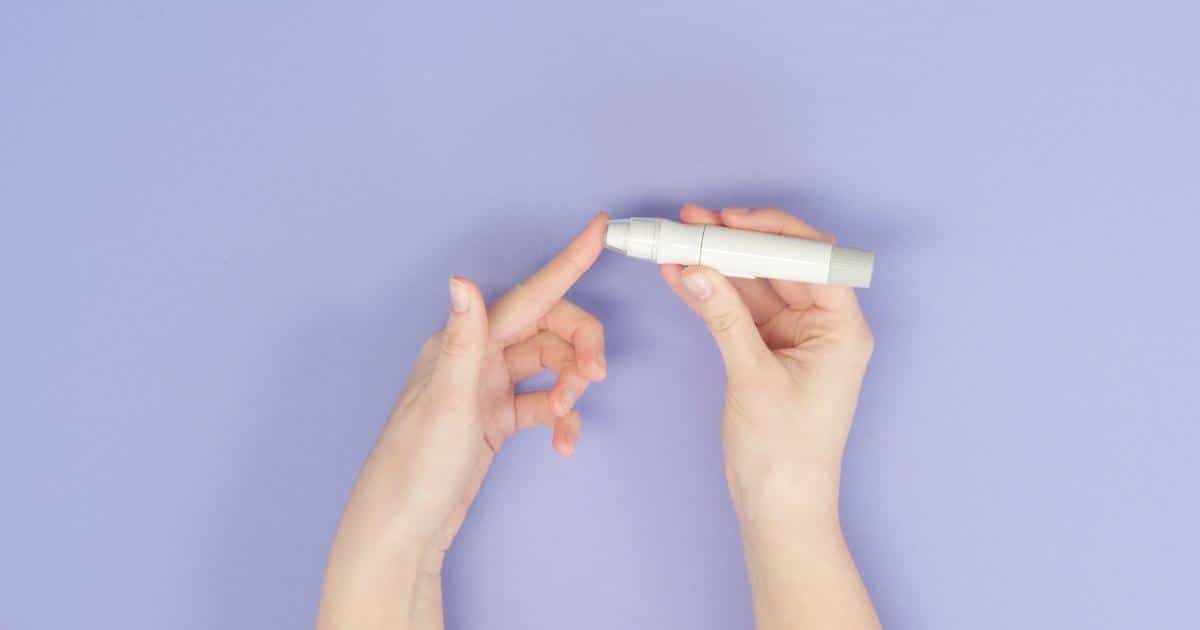
Designed to facilitate preliminary screening from a domestic environment, these kits utilize capillary blood collection methods. Users obtain a small blood sample via a simple finger-prick using a single-use lancet, deposit the specimen onto a collection card, and mail it directly to a certified laboratory via a prepaid return envelope.

The laboratory analysis focuses on specific endocrine markers central to the pathophysiology of the condition, including luteinizing hormone (LH), follicle-stimulating hormone (FSH), sex hormone-binding globulin (SHBG), and free testosterone. By evaluating the ratio of these reproductive hormones, specialized clinical teams can assess whether a patient exhibits hormonal imbalances consistent with a probable PCOS presentation. Following laboratory processing, clinical staff review the data and provide users with actionable guidance regarding potential next steps, which typically involve consulting a primary care physician, gynecologist, or reproductive endocrinologist for comprehensive clinical confirmation.
Protocol and Timing for Accurate Specimen Collection
The reliability of hormone assays depends heavily on precise physiological timing, as key reproductive biomarkers fluctuate significantly across the menstrual cycle. Clinical guidelines dictate specific protocols depending on the regularity of the patient’s cycle:
For individuals with regular menstrual cycles, collection must occur during the early follicular phase—specifically on days three, four, or five of the menstrual cycle, calculated as three to five days after the onset of active bleeding.
For individuals experiencing chronic menstrual irregularity or secondary amenorrhea, the testing protocol is adapted. Patients are instructed to collect samples on any three consecutive days, typically spanning Monday through Friday. Specialized laboratory teams factor in the absence of a synchronized cycle when interpreting the hormonal data, ensuring that irregular baselines do not invalidate the screening outcome.
Crucially, medical professionals advise against undergoing hormone-based testing while actively utilizing hormonal contraceptives. Medications such as combined oral contraceptive pills, patches, or hormonal intrauterine devices artificially suppress hypothalamic-pituitary-ovarian axis activity and alter circulating sex hormone-binding globulin levels, which can distort test results and lead to false negatives or misinterpretations.
Clinical Implications and Broader Health Risks
Identifying polycystic ovary syndrome extends far beyond addressing immediate cosmetic or reproductive concerns. The chronic hormonal imbalances and insulin resistance frequently associated with the condition impose significant long-term systemic health risks. Epidemiological data indicates that individuals with untreated or unmanaged PCOS face an elevated probability of developing several secondary medical conditions, including:

- Type 2 diabetes mellitus and impaired glucose tolerance
- Dyslipidemia, characterized by elevated low-density lipoprotein (LDL) cholesterol and triglycerides
- Cardiovascular disease and hypertension
- Endometrial hyperplasia and increased risk of endometrial cancer due to chronic, unopposed estrogen exposure
- Obstructive sleep apnea and non-alcoholic fatty liver disease (NAFLD)
Because of these profound metabolic and oncological implications, early identification is essential for mitigating long-term morbidity. While home test kits do not formally diagnose the syndrome—as definitive diagnosis requires clinical correlation under the Rotterdam criteria—they serve as a valuable triage tool. By providing concrete laboratory data, these tests can equip patients with objective evidence to present to their healthcare providers, potentially bypassing the protracted diagnostic delays that have historically characterized the patient experience.
Validation, Cost, and Accessibility
Modern at-home diagnostic providers typically utilize the same accredited laboratory infrastructure employed by conventional hospitals and outpatient clinics. These laboratories adhere to stringent regulatory standards, including routine quality control monitoring and proficiency testing. Furthermore, reputable direct-to-consumer platforms incorporate physician oversight, meaning every completed panel is reviewed by licensed clinical staff before results are communicated to the consumer.
Economically, direct-to-consumer testing options provide an alternative for individuals facing prohibitive out-of-pocket costs or long waiting lists within specialized public health systems. Standard retail pricing for comprehensive hormone panels generally hovers around $119, inclusive of shipping and laboratory analysis, though various health advocacy partnerships frequently offer promotional discounts to improve accessibility.

Conclusion and Future Outlook
The persistent two-year diagnostic delay associated with polycystic ovary syndrome highlights structural inefficiencies within standard reproductive healthcare models. While at-home hormone screening kits cannot replace a comprehensive clinical evaluation involving physical examinations and imaging, they represent a significant step toward decentralizing healthcare diagnostics. By bridging the gap between initial symptom recognition and formal clinical consultation, these tools offer patients a proactive pathway to secure timely medical attention, optimize long-term metabolic health outcomes, and alleviate the diagnostic burden historically placed upon women navigating endocrine disorders.
