

The global next-generation fermentation sector is undergoing a quiet operational revolution, driven by the need to transition from bespoke laboratory-scale experimentation to standardized industrial-scale manufacturing. Addressing one of the industry’s most persistent bottlenecks—the complex, error-prone preparation of media components—Hamburg-headquartered agrifood giant Cremer Group has announced the rollout of its Y-Base Blend. Developed under the company’s recently launched FermBase platform, the new trace element product line is engineered specifically to simplify yeast fermentation processes across diverse commercial applications, ranging from alternative proteins and functional foods to cosmetics and industrial biochemicals.
This strategic expansion follows the initial debut of the FermBase platform in February, which positioned itself as an all-encompassing "competence center and one-stop shop" for fermentation feedstock and media. By leveraging Cremer’s deep logistical roots in raw material sourcing, processing, and global supply chain management, the platform aims to alleviate the high operational overheads, procurement friction, and reproducibility hurdles that routinely plague alternative protein and precision fermentation companies.
The Anatomy of a Supply Chain Bottleneck
In advanced biotechnology, media formulation is rarely a straightforward endeavor. While trace elements and minerals constitute a minute fraction of a total bioreactor charge, their precise composition exerts a profound influence on cellular growth kinetics, metabolic efficiency, and overall process stability. Historically, individual companies engaged in yeast fermentation have opted to formulate their own proprietary trace element solutions.
This decentralized approach introduces multiple operational vulnerabilities. Sourcing, storing, weighing, and dosing numerous individual salts separately increases the probability of human error, complicates inventory management, and drives up development costs. Furthermore, variations in raw material quality and handling across different production sites can compromise experimental reproducibility, rendering the scaling-up process from laboratory benchtop to industrial bioreactor an expensive and risky undertaking.
Recognizing these systemic pain points, Cremer initiated a comprehensive review of industry requirements. Internal discussions with numerous fermentation firms revealed a striking paradox: while most operators shared remarkably similar technical requirements for yeast cultivation, nearly all insisted on formulating their trace element solutions independently. This realization served as the catalyst for the development of the Y-Base Blend, a standardized, highly soluble formulation designed to eliminate the need for custom, multi-ingredient preparation.
Data-Driven Development and the Path to Standardization
The creation of the Y-Base Blend involved an exhaustive data-driven development process. To engineer a formulation robust enough to support diverse yeast strains across varied operational environments, Cremer partnered with Differential Bio, a Munich-based spinoff from the Technical University of Munich renowned for its expertise in automated fermentation experiments and machine learning-driven data evaluation.
The collaborative development timeline spanned several rigorous phases:
- Initial Screening: Cremer and its partners analyzed an expansive universe of over 50,000 potential trace element combinations.
- High-Throughput Experimentation: This massive data set was systematically narrowed down through approximately 3,300 distinct laboratory experiments conducted across a variety of yeast strains.
- Bioreactor Validation: From this extensive testing pool, nine high-performing formulations were evaluated at the microlitre scale, ultimately culminating in the selection of the single optimal composition that would become the Y-Base Blend.
This rigorous methodology ensured that the final product was not merely optimized for static laboratory conditions, but engineered for the hydrodynamic and metabolic stresses encountered within active industrial bioreactors.
Trial Results and Performance Validation
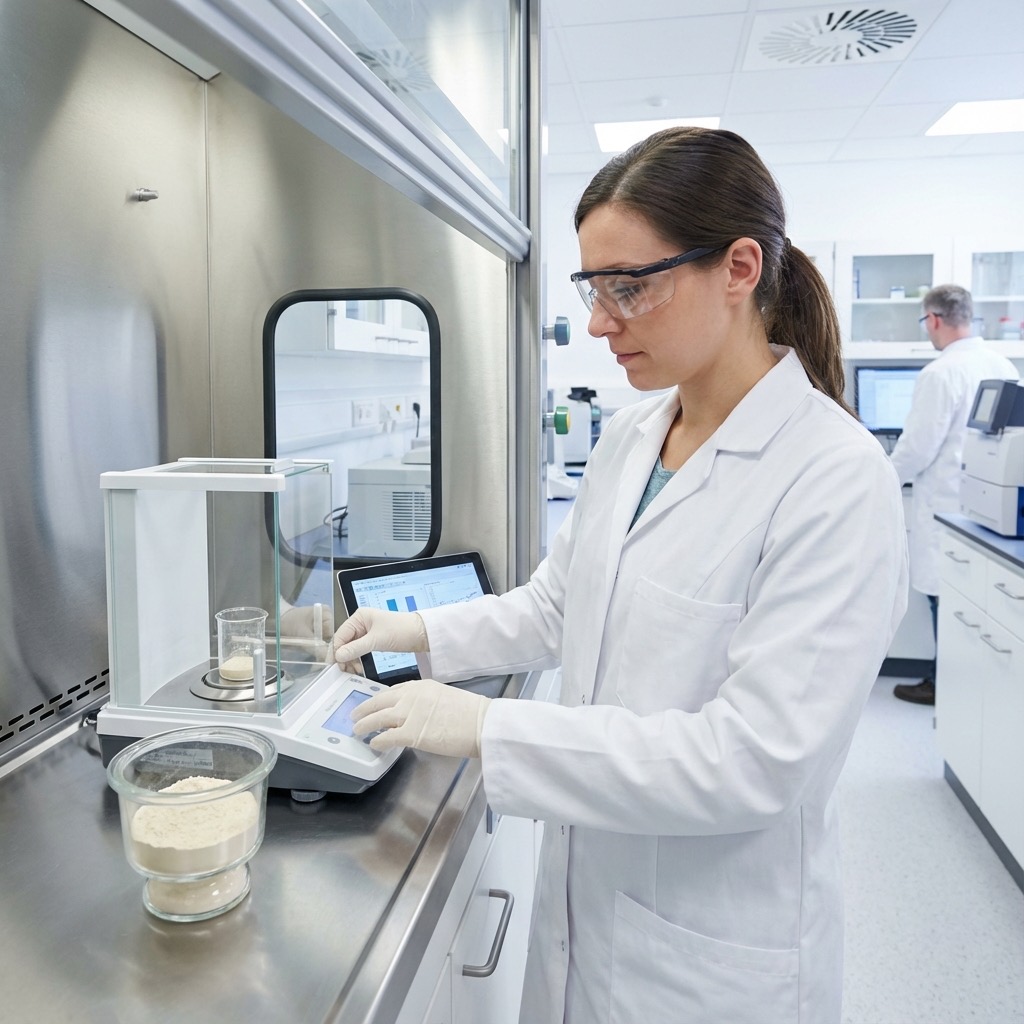
Prior to the commercial rollout, Cremer subjected the Y-Base Blend to a comprehensive early-access trial phase. Working alongside select industry partners operating across a wide spectrum of fermentation applications, the company evaluated the performance of the standardized blend against legacy, in-house formulations.
The results of these trials offered strong validation for Cremer’s standardization thesis. In every tested instance, the Y-Base Blend performed comparably to custom formulations. More significantly, in over 50 percent of the trial cases, the Y-Base Blend outperformed the clients’ proprietary in-house blends, yielding improvements in growth rates, process stability, or product consistency.
"For us, it was particularly important not only to develop Y-Base Blend under laboratory conditions, but also to validate it in customer processes using bioreactors," noted Gerlis von Haugwitz, product manager at Cremer. "The fact that our standardised blend often performed even better than individually developed in-house blends confirms our approach."
Scalability and Logistics Across the Enterprise Lifespan
A critical differentiator for the FermBase platform is its acute awareness of scale transitions. Emerging biotech companies frequently struggle when moving a successful process from a 1-liter benchtop vessel to a 50,000-liter industrial fermenter, often due to subtle variations in media quality and availability at different volumes.
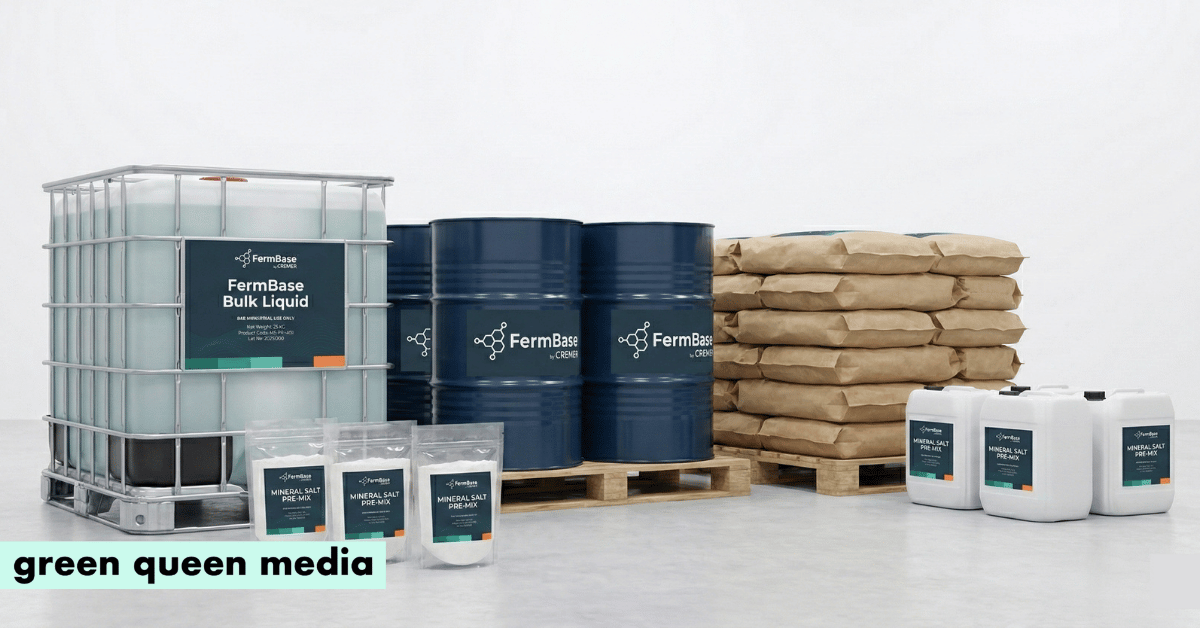
The Y-Base Blend has been architected to maintain absolute compositional and specification consistency across all volume tiers. The product is commercially available in a flexible packaging architecture:

- 1-kilogram units designed for initial laboratory-scale R&D and screening trials.
- 25-kilogram units tailored for pilot plants and early-stage scale-up operations.
- Multi-tonne bulk shipments configured for full-scale industrial manufacturing.
By offering identical specifications from benchtop to production, Cremer removes a primary variable from the scaling equation, allowing bioprocess engineers to focus on yield optimization rather than media reconstitution chemistry.
Broader Industry Implications and Cremer’s Strategic Trajectory
The introduction of the Y-Base Blend arrives at a critical juncture for the global agrifood and biotechnology sectors. As consumer demand for sustainable, precision-fermented, and plant-based products accelerates, the infrastructure supporting these industries must mature. High production costs and supply chain fragilities remain the primary hurdles preventing alternative proteins and bio-based materials from achieving price parity with conventional agriculture.
By outsourcing the operational complexities of feedstock procurement, mineral blending, and global logistics to established commodity experts like Cremer, biotech startups can significantly lower their capital expenditures and operational burn rates. This division of labor allows innovators to concentrate their intellectual capital on strain engineering, genetic optimization, and downstream processing.
Cremer itself is no stranger to the alternative protein and sustainability landscape. The broader corporate entity possesses extensive experience in planet-friendly nutrition solutions, most notably through its Cremer Sustainable Foods division. This arm operates a dedicated 1,000-square-meter alternative protein facility capable of producing up to 1,300 tonnes of product annually, anchoring the group’s manufacturing credibility within the exact markets it now supplies through FermBase.
As the FermBase platform continues to expand beyond its initial trace element offerings, industry analysts anticipate further product lines targeting other microorganisms, such as fungi and bacteria used in precision fermentation. For a sector striving to transition from a nascent technology sector into a globally resilient industrial powerhouse, standardized, high-performance inputs like the Y-Base Blend represent an essential step toward commercial maturity.
