
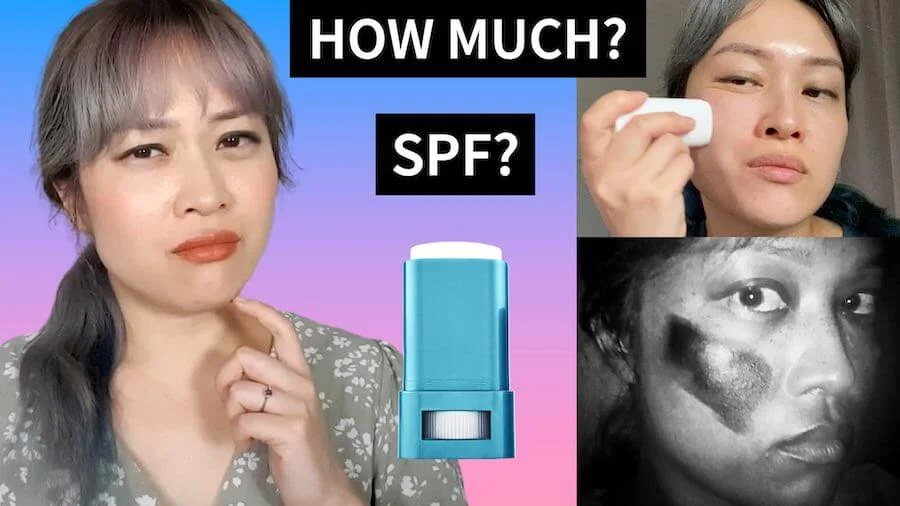
A recent investigation by Lab Muffin Beauty Science, published on June 25, 2026, reveals that sunscreen sticks, despite their growing popularity and convenience, often provide significantly less sun protection than their advertised SPF rating, challenging common application practices and widely circulated recommendations. The study, conducted by Dr. Michelle Wong, highlighted a substantial gap between the amount of product users typically apply and the quantity required to achieve the full SPF benefits, raising concerns about potential under-protection in real-world scenarios.
The Rising Popularity of Sunscreen Sticks and Underlying Concerns
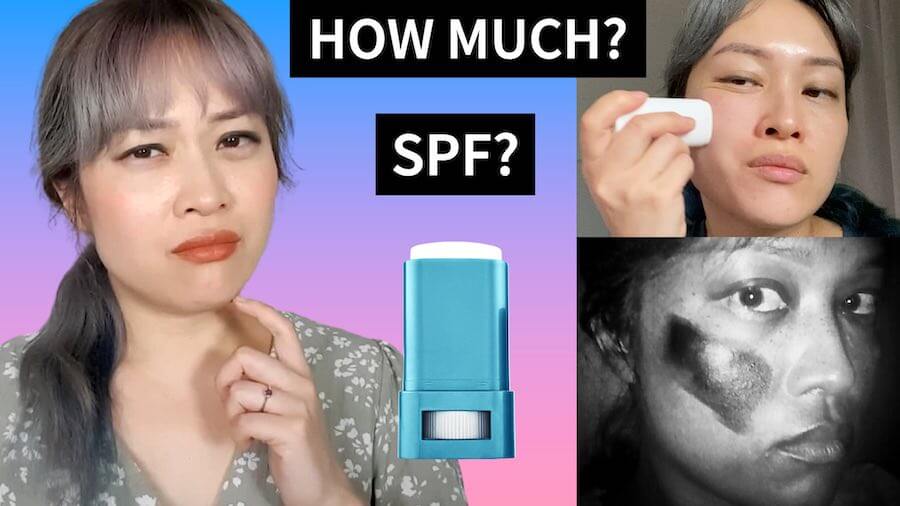
Sunscreen sticks have become a staple in many skincare routines due to their portability, mess-free application, and ease of reapplication, especially over makeup. This convenience has made them a go-to for many seeking quick and effective sun protection on the go. However, Dr. Wong’s research aimed to address a critical, yet often overlooked, question: are users applying enough sunscreen stick to actually achieve the protection level stated on the product label? The industry standard for SPF testing dictates a coverage of 2 milligrams per square centimeter (2 mg/cm²) of skin, a benchmark often difficult for consumers to meet with various sunscreen formats, particularly sticks, without specific guidance or tools. Previous studies have consistently shown that most individuals apply far less than the recommended amount of sunscreen, diminishing its efficacy. This new research specifically targeted the unique challenges posed by stick formulations.
Methodology: Quantifying Real-World Application
To investigate the efficacy of sunscreen stick application, Dr. Wong devised a rigorous experimental methodology. The primary objective was to quantify the actual amount of sunscreen stick transferred to the skin during a "generous" application, correlate this to an estimated SPF, and analyze the application process itself.
The study employed precision jewellery scales, calibrated for accuracy to within ±0.02 grams, to measure the weight of the sunscreen sticks before and after application. The participant, Dr. Wong herself, served as the consistent test subject. This approach mitigated variability that could arise from different individuals’ application styles, while acknowledging that it represents a single user’s experience. For her face, Dr. Wong had previously determined that 0.76 grams of sunscreen was required to achieve the labelled SPF, based on the 2 mg/cm² standard.
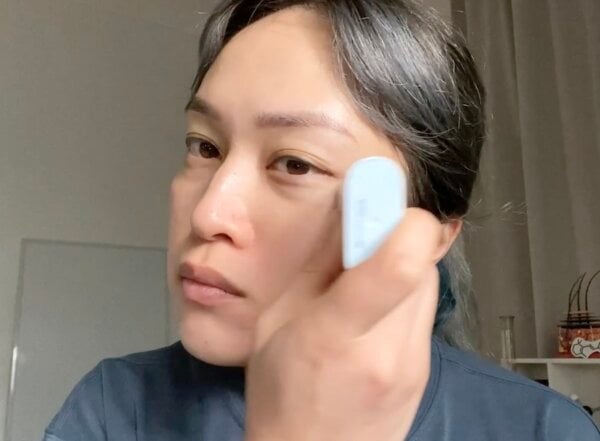
The testing involved three popular Korean SPF 50+ sunscreen sticks: Tocobo, Abib, and Benton. These were chosen to represent a range of textures commonly found in the market. The application process was meticulously filmed in selfie mode, allowing Dr. Wong to observe her own application and ensure what she considered a "generous" layer. Each stick was applied in three consecutive "layers," with the stick reweighed after each application to track the cumulative amount. The estimated SPF was then calculated assuming a linear relationship between the amount applied and the SPF achieved, relative to the 0.76g benchmark for SPF 50.
Beyond quantitative measurements, the study also captured qualitative data. Dr. Wong painstakingly analyzed the video footage to measure the exact "time on face" for each stick, cutting out any moments when the stick was not in contact with the skin. This metric aimed to provide a more intuitive reference point for consumers who do not own scales. Furthermore, the number of "passes" (strokes) across different facial areas was counted, and a UV camera was utilized to visually assess coverage uniformity and identify any missed spots. The texture and appearance of the applied layers were also noted, providing insight into the user experience.
Key Findings: A Discrepancy in Protection
The results of the investigation were striking and revealed a significant disparity between perceived and actual sun protection from sticks.
1. Substantial Under-Application:
The most critical finding was the consistent under-application of sunscreen. On average, a single "generous" layer of sunscreen stick applied to the face amounted to only 0.29 grams. For an SPF 50+ product, this translates to an estimated SPF of merely 19.1. This means that users applying what they perceive as a sufficient initial layer are likely receiving less than 40% of the advertised SPF protection.
Even after applying three consecutive "generous" layers, the average total amount applied was only 0.64 grams. This figure still falls short of the 0.76 grams required for full SPF coverage on Dr. Wong’s face. Intriguingly, achieving this amount took an average of 152.5 seconds (over 2.5 minutes) of direct contact with the skin, which is nearly four times longer than the 60 seconds it typically takes Dr. Wong to apply a full 0.76 grams of a lightweight lotion sunscreen. This suggests that achieving adequate protection with sticks is not only less effective but also more time-consuming for the user.
2. Challenging the "4 Passes" Recommendation:
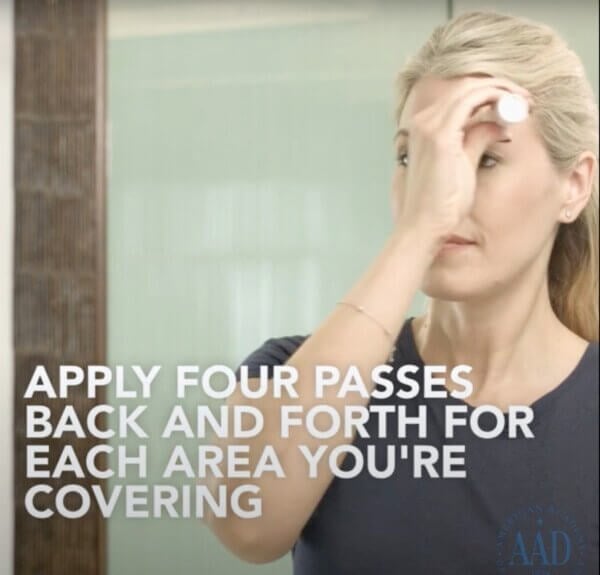
The American Academy of Dermatology (AAD) famously recommends "4 passes" of a sunscreen stick for sufficient coverage. Dr. Wong’s research directly challenged the practicality and effectiveness of this guideline. Her facial application tests showed that even for a single "generous" layer, the number of passes across different areas of the face (cheeks, forehead, chin) ranged from 7 to 16, significantly more than the AAD’s suggestion.
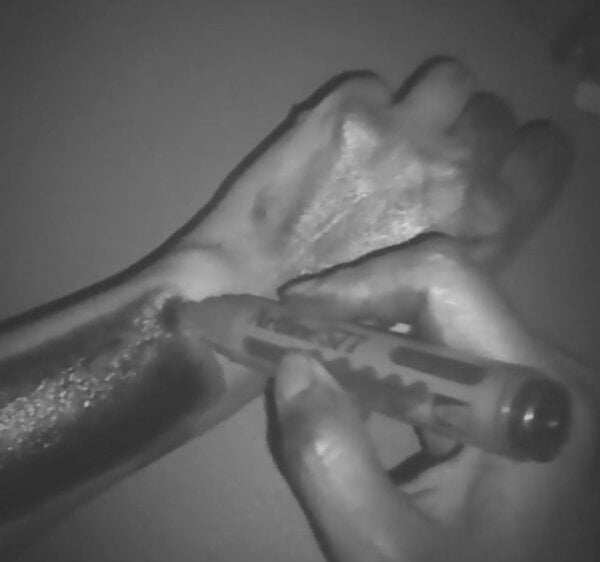
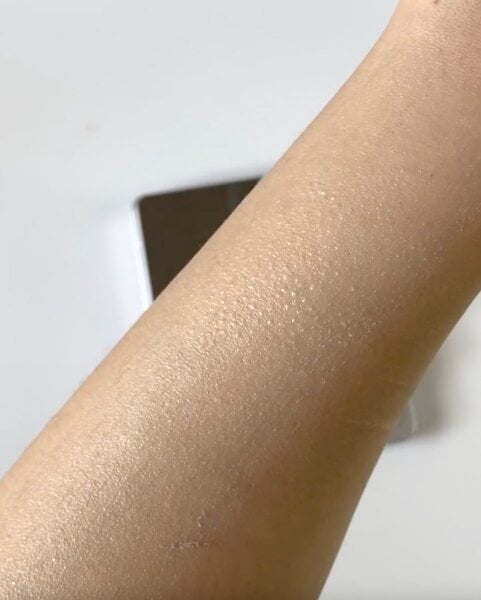
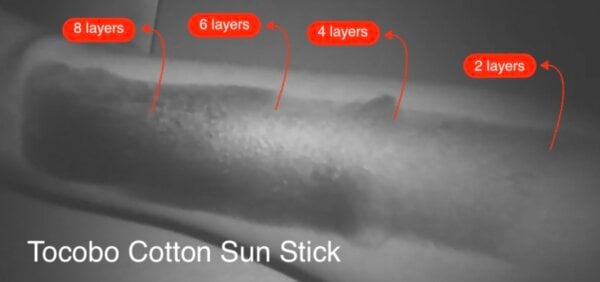
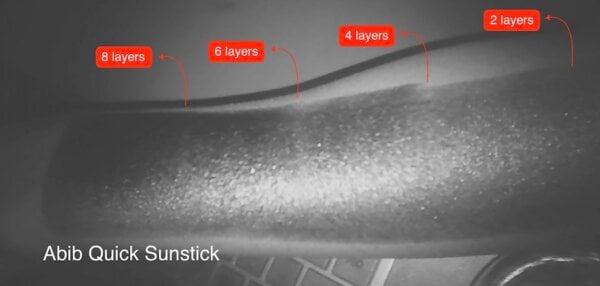
Further controlled tests on a flat arm surface provided even starker results. To achieve the 2 mg/cm² standard, approximately 16-21 passes were needed for the Tocobo stick, and a staggering 40-64 passes for the Abib stick. The Abib stick, with its slicker texture, demonstrated less product transfer with each pass, necessitating more strokes. This data strongly indicates that the "4 passes" recommendation is woefully inadequate for achieving optimal protection, especially considering that the AAD’s demonstration video shows non-overlapping passes, which would further reduce coverage. The visual assessment with a UV camera also revealed that the perceived darkness of the sunscreen patch didn’t change significantly after 4 passes, highlighting the limitations of relying solely on visual cues or UV cameras for SPF estimation.
3. Missed Spots and Application Challenges:
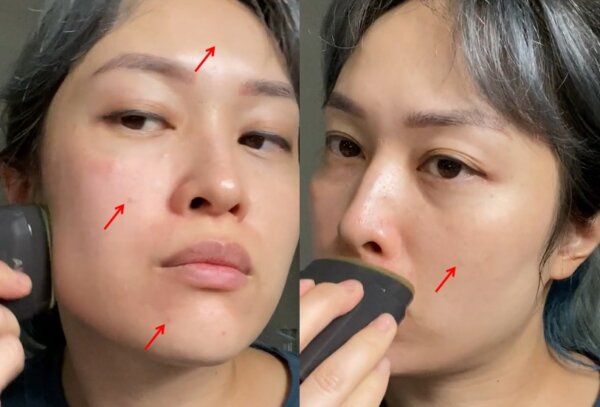
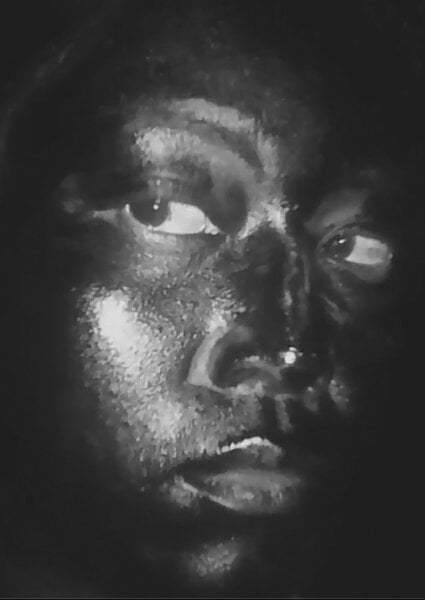
The UV camera analysis proved invaluable in identifying common areas of the face that are frequently missed when applying sunscreen sticks. Even with careful application and self-observation via selfie mode, Dr. Wong noted missed patches on the middle of her nose, inside the brow bone, near the hairline, and around the nostrils. These areas, characterized by their irregular contours and ridges, are ergonomically challenging for a stiff stick applicator compared to the flexibility of fingertips used for lotions. The lack of tactile feedback from a stick, compared to rubbing in a cream, further contributes to patchy coverage. While these missed spots could be corrected by rubbing the product in, this additional step negates some of the stick’s primary convenience.
4. Texture, Appearance, and User Experience:
The study also provided insights into the sensory experience of applying multiple layers of sunscreen stick. Unlike lotions, which often contain volatile solvents like water, alcohol, or cyclopentasiloxane that evaporate, stick formulations typically have fewer such ingredients. Consequently, most of the applied product remains on the skin, leading to a much thicker overall layer.
After the first layer (average 0.29g), all three sticks felt pleasant and acceptable. The Tocobo stick appeared matte and silky, while the Abib stick was dewy, and the Benton mineral stick left only a slight white cast. However, as layers accumulated, the user experience deteriorated. After the second layer, textures became "slidey," potentially interfering with makeup application. By the third layer, all sticks created a "slippery mess," with the Benton mineral stick exhibiting a pronounced, "ghastly" white cast and leaving white grease on fingers upon touch. This aesthetic and textural discomfort likely serves as a significant barrier to users applying the truly sufficient amount of product.
Broader Implications and Expert Commentary
These findings carry significant implications for public health, product development, and consumer education. The consistent under-application and patchy coverage from sunscreen sticks could lead to a false sense of security among users, unknowingly exposing them to harmful UV radiation. This increased exposure elevates the risk of sunburn, premature skin aging, and potentially skin cancers like melanoma.
While Dr. Wong’s study involved a single participant, the meticulous methodology and clear results offer a robust starting point for further discussion. Dermatological associations and regulatory bodies may need to re-evaluate and update their official application guidelines for sunscreen sticks, providing more realistic and actionable advice that considers real-world user behavior. Generic recommendations like "4 passes" appear to be scientifically insufficient and could be detrimental if strictly followed.

Manufacturers of sunscreen sticks might also consider these findings during product formulation. Developing sticks that transfer more product per pass or formulations that feel lighter and less greasy at higher application volumes could improve user compliance and, consequently, actual protection. Clearer, more precise instructions on product packaging, possibly including visual aids or weight-based recommendations for home users with scales, could empower consumers to apply correctly.
This independent research by Lab Muffin Beauty Science exemplifies the critical role of scientific inquiry in bridging the gap between laboratory testing and practical consumer use. It underscores the need for ongoing investigation into how cosmetic products perform in the hands of everyday users, rather than solely relying on idealized lab conditions.

Recommendations for Optimal Sun Protection
Based on these observations, Dr. Wong advises caution regarding the use of sunscreen sticks as the primary form of sun protection, especially during prolonged sun exposure. While convenient, their inherent characteristics make it challenging to achieve the full, labelled SPF.

For optimal protection, especially in situations with high UV exposure, traditional lotion or cream sunscreens remain the preferred choice. These formulations generally allow for easier and more even application of the required 2 mg/cm².
Sunscreen sticks, however, retain value in specific, limited situations:
- Targeted Areas: They are excellent for applying to smaller, more exposed areas like the ears, nose, or back of the hands, which are often overlooked.
- Reapplication: Their portability makes them ideal for quick touch-ups throughout the day, particularly over makeup, where reapplying a liquid sunscreen might be impractical.
- Specific Activities: For areas prone to sweating or needing extra protection during activities like swimming (though reapplication after water exposure is always crucial).
For users committed to using sunscreen sticks as their main form of protection, Dr. Wong offers practical advice:
- Apply Multiple Layers: Do not rely on just a few passes. Aim for significantly more than the commonly recommended 4 passes. Apply several layers, ensuring each area of the face feels adequately covered.
- Rub It In: To ensure even distribution and avoid missed spots, gently rub the sunscreen into the skin after applying, particularly in contoured areas like around the nose, eyes, and hairline. This helps to spread the product uniformly and ensure full contact.
- Consider "Time on Face": While not as precise as weighing, aim for prolonged contact of the stick with the skin—far longer than a quick swipe. Dr. Wong’s study suggests that even 43 seconds of continuous contact only yielded about one-third of the required amount.
- Personal Assessment: For those keen on verifying their application, using an inexpensive jewellery scale (accurate to 0.01g) and filming the application in selfie mode can help gauge the amount applied and identify personal application habits. Taring the scale with the stick and noting the weight change after application can provide valuable feedback.
Ultimately, effective sun protection hinges on applying enough product uniformly. While sunscreen sticks offer undeniable convenience, consumers must be aware of their limitations and adjust their application techniques to ensure they are truly protected from the sun’s harmful rays. The insights from Lab Muffin Beauty Science serve as a crucial reminder that when it comes to sun care, more is often better, and informed application is paramount.
