
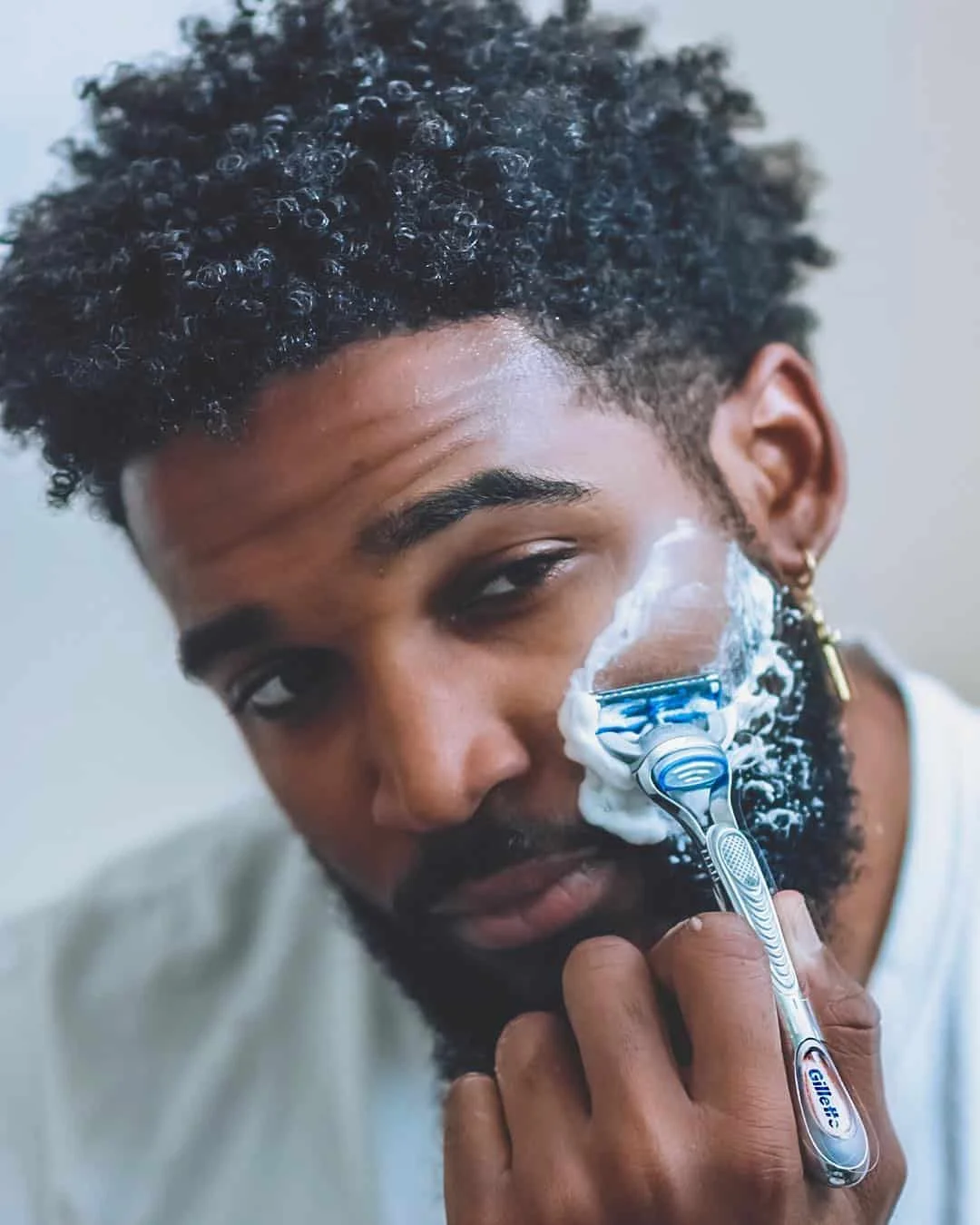
The daily ritual of shaving remains a cornerstone of men’s grooming, yet for many, it continues to be a source of dermatological frustration. Clinical data suggests that a significant percentage of men experience some form of post-shave irritation, ranging from minor razor burn to painful ingrown hairs. While technological advancements in blade design—such as the transition from single-edge steel to multi-blade, pivoting cartridge systems—have improved the efficacy of the cut, the underlying skin biology requires adequate preparation. The application of high-quality shaving creams, gels, or foams acts as the vital, yet frequently overlooked, interface between aggressive steel and sensitive dermal layers.

According to dermatological consensus, the primary function of a shaving medium is to create a physical buffer that reduces friction while simultaneously hydrating the hair follicles. By softening the keratin in the hair, the razor encounters less resistance, which directly correlates to a reduction in micro-abrasions. Research into the grooming sector indicates that while the market is saturated with artisanal soaps and high-end formulations, legacy brands like Gillette continue to maintain dominance due to consistent manufacturing standards and the integration of advanced moisturizing agents such as Vitamin E, shea butter, and aloe vera.
The Evolution of Shaving Formulations
The history of shaving preparations has evolved from the rudimentary use of soap and water in the 19th century to the sophisticated, chemically balanced aerosols and gels prevalent today. The introduction of the pressurized foam canister in the mid-20th century revolutionized the grooming industry by offering convenience and speed. However, modern consumer demand has shifted toward formulas that address specific skin concerns, such as dryness, sensitivity, and the need for precision in intricate beard styling.
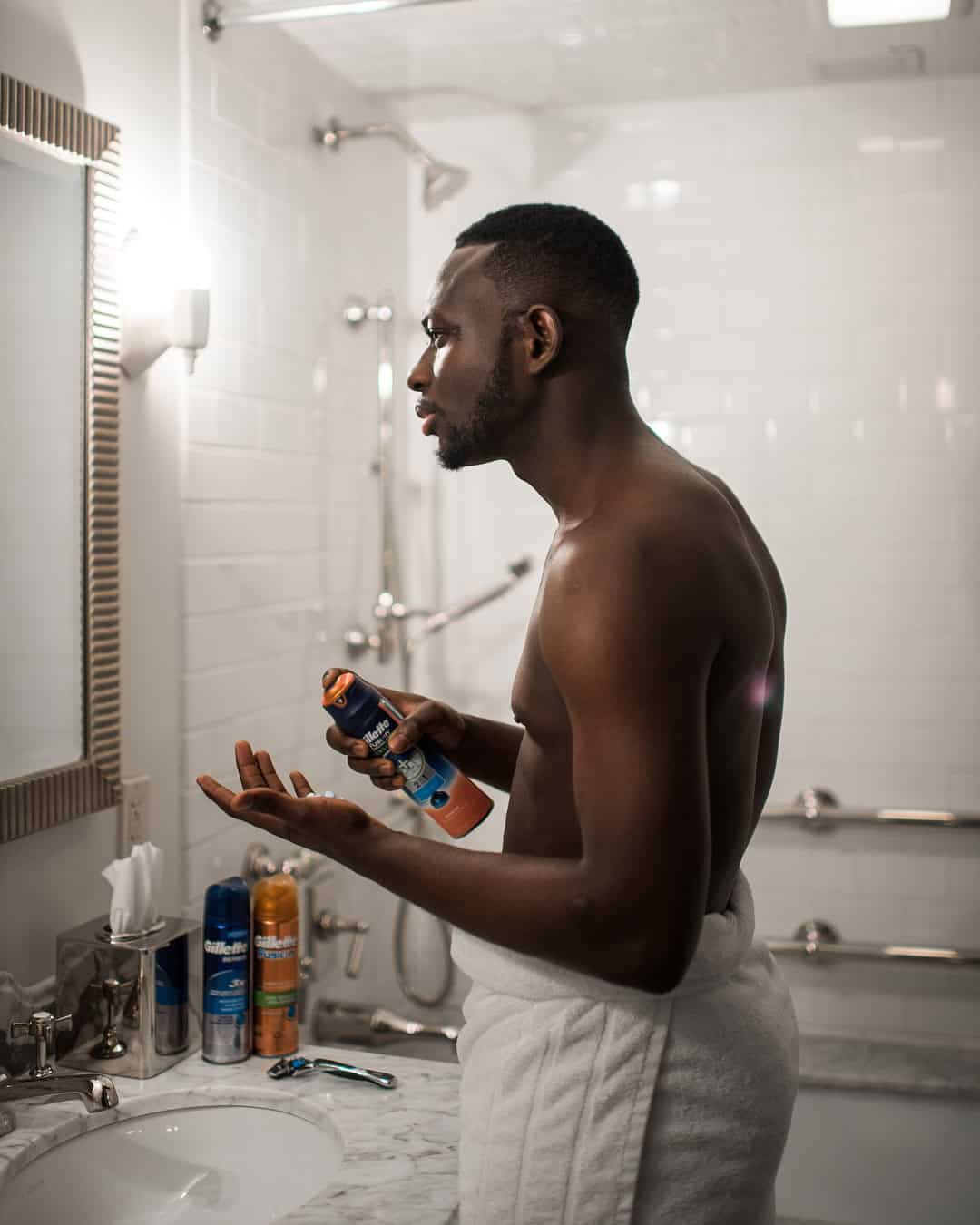
Recent market analysis shows that men are increasingly gravitating toward "cleaner" ingredient profiles, seeking products free from sulfates, parabens, and excessive alcohol content that can strip the skin of its natural oils. This trend has prompted legacy manufacturers to refine their product lines to bridge the gap between traditional convenience and modern skincare science.
Categorizing Top-Tier Grooming Solutions
For the discerning shaver, selecting the appropriate product is a process of matching the chemical composition of the cream or gel to individual skin requirements. Based on rigorous testing and consumer feedback, the current landscape of Gillette products can be categorized into several performance tiers.

The Gillette Pure Soothing Shaving Cream stands out as a benchmark for those prioritizing skin health. Its formulation is notably absent of common irritants like alcohol, parabens, and sulfates, making it an optimal choice for individuals with reactive or sensitive skin. By incorporating aloe, the cream facilitates a glide that minimizes the likelihood of nicks and cuts, while the creamy texture provides a level of hydration often lacking in standard aerosol foams.
For the cost-conscious consumer, the Gillette Skinguard Skin Protect Shave Gel represents a significant value proposition. Designed specifically to minimize contact between the blade and the skin, this gel leverages Vitamin E and shea butter to soothe the epidermis during the shave. Its effectiveness in reducing post-shave rash makes it a staple for those who shave daily.

In the premium segment, the Gillette Labs Rapid Foaming Shave Gel has gained traction for its sensory experience and functional performance. Utilizing sea kelp and vitamin B3, this product transforms from a cooling gel into a dense, rich foam. Its superior lubrication properties are particularly beneficial for those using multi-blade razors, where the risk of drag is higher.
Specialized Applications: Beyond the Face
The scope of modern shaving extends well beyond the chin and jawline. The emergence of specialized products like the Gillette Intimate 2in1 Pubic Shave Cream + Cleanser highlights the industry’s response to the growing demand for body-specific grooming. Shaving delicate areas requires a product that balances gentle cleansing with heavy-duty lubrication. The inclusion of aloe vera in this specific formula serves a dual purpose: it provides the necessary slickness for safe shaving in sensitive zones while acting as a cleanser that respects the skin’s pH balance.

Furthermore, for those who maintain complex, sculpted beard styles, visibility is paramount. The King C. Gillette Transparent Shave Gel addresses the "blind shaving" problem inherent with thick, opaque foams. Because the gel remains transparent upon application, it allows for high-precision edging and line maintenance, ensuring that the razor does not inadvertently remove hair from areas that should remain styled.
Analytical Considerations for the Consumer
When selecting a shaving medium, consumers should weigh three primary factors: texture, skin type, and intended use.

- Texture and Delivery Systems: Foams are ideal for men who value speed and convenience. They are lightweight and rinse away effortlessly. Gels, conversely, provide superior lubrication due to their higher polymer content, making them the preferred choice for those prone to irritation.
- Skin Type Compatibility: Men with dry skin should prioritize gels containing moisturizing agents such as shea butter or glycerin. Those with oily or acne-prone skin might find that thinner, water-based foams cause less pore clogging.
- Application Precision: For head shaving or full-body grooming, the ability to see the skin surface is a safety advantage. Transparent gels or low-lather creams are superior in these instances to ensure every stroke is intentional and safe.
The Role of Technique in Shaving Efficacy
While the choice of cream is fundamental, it is only one component of a successful shave. The preparation of the skin, often referred to as "pre-shave conditioning," is equally critical. Dermatologists emphasize that shaving immediately after a warm shower—when pores are open and hair is hydrated—significantly improves outcomes.
Furthermore, the mechanical aspect of the shave should involve minimal pressure. A high-quality cream is designed to do the work of lifting the hair away from the skin; therefore, the razor should be allowed to glide over the surface rather than being pressed into it. Regularly rinsing the blade during the process prevents the buildup of hair and cream, which can otherwise cause the razor to skip or drag across the skin.

Broader Implications of Grooming Standards
The grooming industry’s ongoing investment in research and development reflects a broader cultural shift toward men’s self-care. The transition from the "bare-minimum" approach to a structured, science-backed skincare routine has forced manufacturers to prioritize ingredient transparency and product efficacy.
The data confirms that men who adopt a comprehensive shaving routine—which includes cleaning, moisturizing, and the correct application of a dedicated shaving medium—report higher levels of satisfaction and fewer dermatological issues. As technology continues to evolve, we can expect to see further innovations in "smart" shaving products that may incorporate even more advanced protective barriers or post-shave therapeutic agents directly into the delivery system.

In conclusion, the "best" Gillette shaving product is not a singular entity but rather the one that aligns with the user’s specific dermatological profile and grooming objectives. Whether opting for the classic convenience of the Foamy line, the sensitive-skin-focused Pure series, or the precision offered by the King C. Gillette range, the key to a superior shave lies in the synergy between the product and the technique. By understanding the chemical properties of these grooming tools, the modern man can effectively mitigate the risks associated with daily shaving and maintain skin health in an era that increasingly values well-groomed, professional appearances.
