
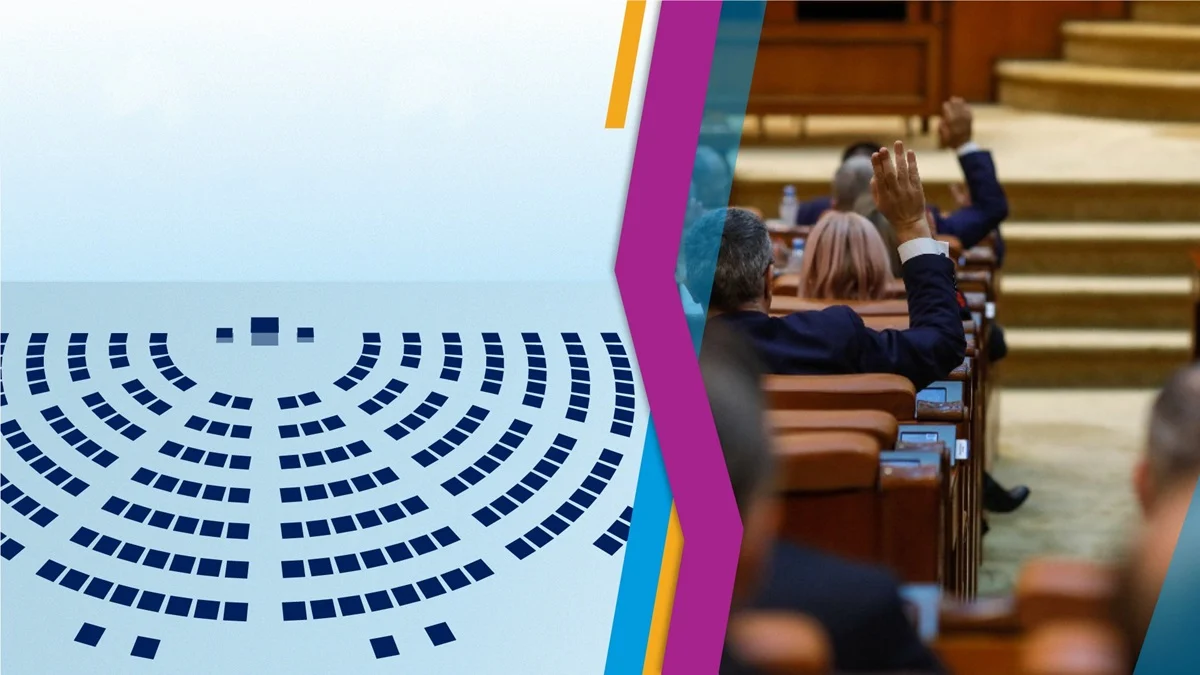
The Legislative Mandate in Public Health
The COVID-19 pandemic served as a visceral reminder that public health is not solely the domain of clinicians, epidemiologists, or ministries of health. Rather, it is a whole-of-government endeavor that requires the active, informed participation of those who draft the laws and authorize the spending. Parliamentarians hold the unique authority to translate scientific recommendations into binding national policies. By exercising their constitutional roles—which include the enactment of health legislation, the scrutiny of executive actions, and the appropriation of public funds—lawmakers act as the ultimate guarantors of a country’s health security architecture.
The WHO’s new training initiative acknowledges that, historically, legislative bodies have often been sidelined in health emergency planning. To rectify this, the curriculum is structured into seven rigorous modules that demystify the complexities of global health governance. The course aims to transition parliamentarians from passive observers of public health policy to active architects of health resilience.
Chronology of a Global Need
The momentum for this training course can be traced back to the catastrophic failures exposed during the 2020-2022 period. A brief timeline illustrates the evolution of this requirement:
- 2005: The World Health Assembly adopts the International Health Regulations (IHR), the foundational legal instrument for managing international public health emergencies. Despite their importance, national legislative integration of the IHR remained inconsistent for over a decade.
- 2020: The rapid escalation of SARS-CoV-2 creates a global systemic shock, highlighting the inadequacy of legislative frameworks to manage lockdowns, vaccine distribution, and emergency procurement.
- 2021: Independent reviews, including the Independent Panel for Pandemic Preparedness and Response (IPPPR), emphasize that political leadership is the primary determinant of a successful pandemic response.
- 2023: The WHO Member States begin intense negotiations on a potential Pandemic Treaty, underscoring the necessity for parliamentary ratification and domestic implementation strategies.
- 2024: The WHO launches the formal training curriculum, acknowledging that legislative capacity is a prerequisite for the success of any future pandemic treaty or updated IHR protocols.
Data-Driven Imperatives
The necessity of this training is supported by a growing body of data regarding health system vulnerabilities. According to the Global Health Security Index (GHS Index), which tracks the capacity of 195 countries to prevent, detect, and respond to health emergencies, no country is fully prepared for a major biological event. The 2021 GHS report revealed that the average global score was a mere 38.9 out of 100.
A critical component of these low scores is the "political and security risk" category, where many nations failed to demonstrate the existence of clear, legislative-backed emergency response plans. Furthermore, the World Bank has estimated that the COVID-19 pandemic caused a $12.5 trillion global economic loss by 2024. Parliamentarians, who are responsible for national budgets, are uniquely positioned to understand that the cost of prevention is a fraction of the cost of crisis management. By equipping lawmakers with the tools to prioritize health in fiscal planning, the WHO hopes to close the "preparedness gap" that currently leaves the global economy exposed to systemic biological risks.
The Curriculum: A Strategic Framework
The seven modules offered by the WHO are designed to provide a practical toolkit for the modern parliamentarian. The syllabus covers:
- Foundations of Health Security: Understanding the IHR (2005) and the legal obligations of sovereign states.
- Legislative Oversight: How to scrutinize executive decisions during an emergency without hindering the speed of the response.
- Budgetary Allocation: Identifying and protecting "health security budgets" from being diverted during economic downturns.
- Public Trust and Representation: The role of the representative in countering misinformation and communicating risk to constituents.
- Multi-sectoral Collaboration: Engaging with civil society, private health sectors, and international organizations.
- Accountability Mechanisms: Establishing independent inquiries and audit processes for health expenditures.
- Policy Implementation: Translating international best practices into local laws that withstand political transitions.
By focusing on these areas, the course emphasizes that health security is not a luxury, but a core component of national sovereignty and economic stability.
Expert Perspectives and Implications
The launch of this course has been welcomed by policy experts and international health advocates. Dr. Maria Van Kerkhove, a leading voice within the WHO, has repeatedly noted that "preparedness is an investment, not a cost." From the perspective of international observers, the inclusion of parliamentarians is a vital step toward depoliticizing health. When health security is anchored in legislation rather than executive decrees, it becomes more resilient to shifts in political administrations.
However, the implications of this initiative extend beyond mere training. There is a broader, systemic goal: the creation of a global network of parliamentarians who can speak a common language regarding biological threats. This "parliamentary diplomacy" could prove essential for the ratification of international agreements, such as the Pandemic Accord. When lawmakers from diverse jurisdictions understand the shared risks of global health, they are more likely to support international cooperation and resource sharing, even during times of geopolitical tension.
Addressing the Capacity Gap
One of the primary obstacles to effective health security has been the information asymmetry between public health experts and legislative bodies. Parliamentarians often face a steep learning curve when dealing with technical aspects of pandemic management, such as the intricacies of surveillance, supply chain logistics for medical countermeasures, and the ethics of triage protocols. The OpenWHO platform acts as a bridge, offering high-level, evidence-based content that is accessible to individuals with varying degrees of scientific background.
The training also encourages the creation of "Parliamentary Health Committees," which allow for a dedicated focus on the oversight of national health security. By institutionalizing these roles, nations can ensure that health preparedness is an ongoing legislative priority rather than an ad-hoc reaction to crisis.
The Path Forward: Towards a Resilient Future
The effectiveness of this training will ultimately be measured by its adoption rate and the subsequent actions taken by national legislatures. If even a small percentage of the world’s thousands of parliamentarians incorporate these strategies into their legislative agendas, the cumulative effect on global health security would be profound.
As nations look toward the next decade, the threat of emerging infectious diseases, antimicrobial resistance, and zoonotic spillovers remains a persistent reality. The WHO’s initiative recognizes that while science provides the tools to fight these threats, the law provides the authority to deploy them. By empowering those in the halls of power, the international community is taking a proactive stance in safeguarding public health for future generations.
Interested stakeholders, including legislative staffers, policy advisors, and members of parliament, are encouraged to access the training at OpenWHO. As the WHO continues to refine its global response mechanisms, this course stands as a testament to the fact that effective pandemic preparedness begins with an informed and engaged legislature, capable of navigating the complex intersection of law, finance, and human health. The goal is clear: to foster a global community that is not only prepared to face the next health emergency but is legally and politically equipped to prevent it from escalating into a global catastrophe.
