
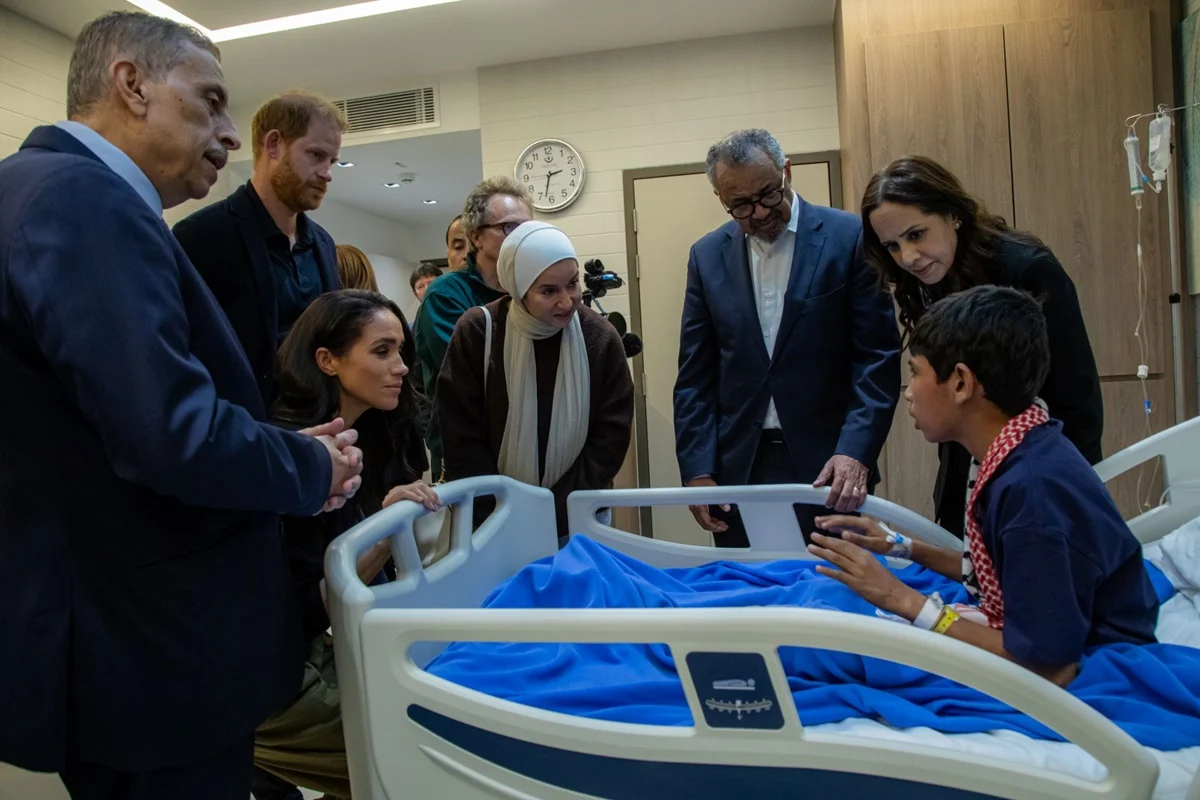
The World Health Organization (WHO) Director-General, Dr. Tedros Adhanom Ghebreyesus, has concluded a pivotal two-day State visit to the Hashemite Kingdom of Jordan, a diplomatic mission designed to reinforce the strategic synergy between the United Nations’ health agency and the Jordanian government. This visit, characterized by high-level dialogue and on-the-ground assessment, underscored Jordan’s expanding role as a regional anchor for humanitarian health operations, universal health coverage (UHC) initiatives, and specialized medical care for populations displaced by conflict.
A Diplomatic Focus on Regional Resilience
The cornerstone of the visit was a formal audience with His Majesty King Abdullah II, where the two leaders deliberated on the pressing challenges facing the Middle East’s health infrastructure. The discussion was centered on the sustainability of health systems in the face of ongoing regional instability, specifically focusing on the integration of refugees into national health frameworks and the urgent requirements of the medical evacuation corridor serving patients from Gaza.
Jordan’s commitment to hosting over three million refugees—primarily from Syria and Gaza—remains a defining feature of its national policy. During the meeting, Dr. Tedros commended the Kingdom’s proactive stance, noting that Jordan’s resilience in providing comprehensive health services to non-nationals serves as a global benchmark for humanitarian diplomacy. The discussions emphasized that such efforts are not merely charitable acts but essential components of regional stability and health security.
Chronology of the State Visit
The itinerary for the visit was structured to bridge high-level policy discussions with field-level humanitarian reality:
- Day One: Policy and Patient Care. The day began with a series of high-level meetings at the royal palace, followed by a visit to a WHO-supported hospital. Here, Dr. Tedros engaged with medical teams treating children evacuated from Gaza, focusing on pediatric oncology and trauma care. The day concluded with a roundtable involving donor nations, UN agencies, and global philanthropies to address the financing gap for mental health services in refugee-hosting nations.
- Day Two: Institutional Resilience. The second day shifted focus toward Jordan’s domestic health infrastructure, specifically the National Center for Rehabilitation of Addicts and the King Hussein Cancer Center. These visits were designed to showcase how Jordan has successfully integrated specialized care into its primary health system, a key objective of the WHO’s global strategy for Universal Health Coverage.
Data-Driven Context: The Burden of Healthcare in Jordan
Jordan’s health sector operates under significant pressure, compounded by a demographic surge that has placed substantial strain on public resources. According to data provided by the Ministry of Health and supported by WHO monitoring, the Kingdom has made remarkable strides in maintaining health outcomes despite this influx.
Approximately 80% of the healthcare provided to refugees in Jordan is delivered through the public health system, which includes primary health centers and tertiary hospitals. The "Medical Corridor" initiative, personally championed by His Majesty King Abdullah II, has been instrumental in facilitating the transfer of hundreds of critically ill children from Gaza to Jordan for specialized cancer treatment and complex surgical interventions. This logistical success highlights the necessity of international funding; the WHO and its partners are currently advocating for a 30% increase in humanitarian health funding for the region to maintain these specific corridors throughout the next fiscal year.
The Role of Philanthropic Partnership
A notable element of the visit was the participation of the Duke and Duchess of Sussex, Prince Harry and Meghan, who joined the delegation in their capacity as founders of Archewell Philanthropies. Their presence underscored a multi-year partnership with the WHO aimed at destigmatizing mental health.
Prince Harry, a vocal advocate for mental health in military and civilian settings, participated in sessions dedicated to the psychosocial impact of conflict on children. In a joint statement, the couple emphasized that mental health is a fundamental human right rather than a luxury, particularly for populations enduring the trauma of displacement. Their philanthropic focus aligns with the WHO’s "Special Initiative for Mental Health," which seeks to ensure that by 2030, 100 million more people have access to quality, affordable mental health services.
Analysis: Implications for Global Health Strategy
The visit carries significant implications for how the WHO conceptualizes "health security" in the 21st century. The organization is shifting away from purely pandemic-response models toward a "resilient systems" approach. By partnering with Jordan, the WHO is testing a model where a host country’s domestic health system is strengthened to the point that it can absorb external shocks—such as sudden refugee inflows or regional conflicts—without collapsing.
Experts suggest that the success of this model depends on three variables:
- Sustained Funding: Shifting from emergency short-term funding to multi-year development grants.
- Integration: Moving away from parallel, separate refugee clinics to fully integrated national systems that serve both citizens and displaced populations.
- Regional Cooperation: Utilizing Jordan as a hub for regional training and medical supply chain management.
Official Statements and Future Outlook
Reflecting on the visit, Dr. Tedros highlighted the necessity of unity. "Jordan continues to show the world what it truly means to put health and humanity first," he stated during a press briefing. The WHO Director-General emphasized that the global community must view health as a pillar of peace-building.
For his part, Prince Harry echoed this sentiment, noting, "Mental health is fundamental to recovery, dignity, and long-term peace." This alignment between institutional policy and philanthropic advocacy is intended to keep the plight of displaced populations in the public eye, preventing the "compassion fatigue" that often affects long-term humanitarian crises.
As the visit concluded, the focus turned toward the future. Dr. Tedros’s visit to the King Hussein Cancer Center served to highlight the next phase of the partnership: regional collaboration on non-communicable diseases. Cancer care, often overlooked in the immediate aftermath of conflict, is now being prioritized as a critical element of long-term healthcare for displaced persons.
The WHO’s engagement in Jordan is expected to set a template for other nations in the region. By formalizing the medical corridor and strengthening mental health integration, the organization hopes to transform the perception of refugee health from a logistical burden to a sustainable, collaborative effort in human development. The success of these initiatives will be monitored closely in the upcoming World Health Assembly, where Jordan’s model is expected to be presented as a case study in effective health governance under pressure.
The WHO Media Team and Communications Officer Paul Garwood confirmed that while the State visit has concluded, the operational projects discussed—ranging from the expansion of mental health services to the strengthening of primary care infrastructure—will continue with intensified support from the international donor community, ensuring that the momentum generated by this visit translates into tangible, long-term health improvements for those in the region.
