
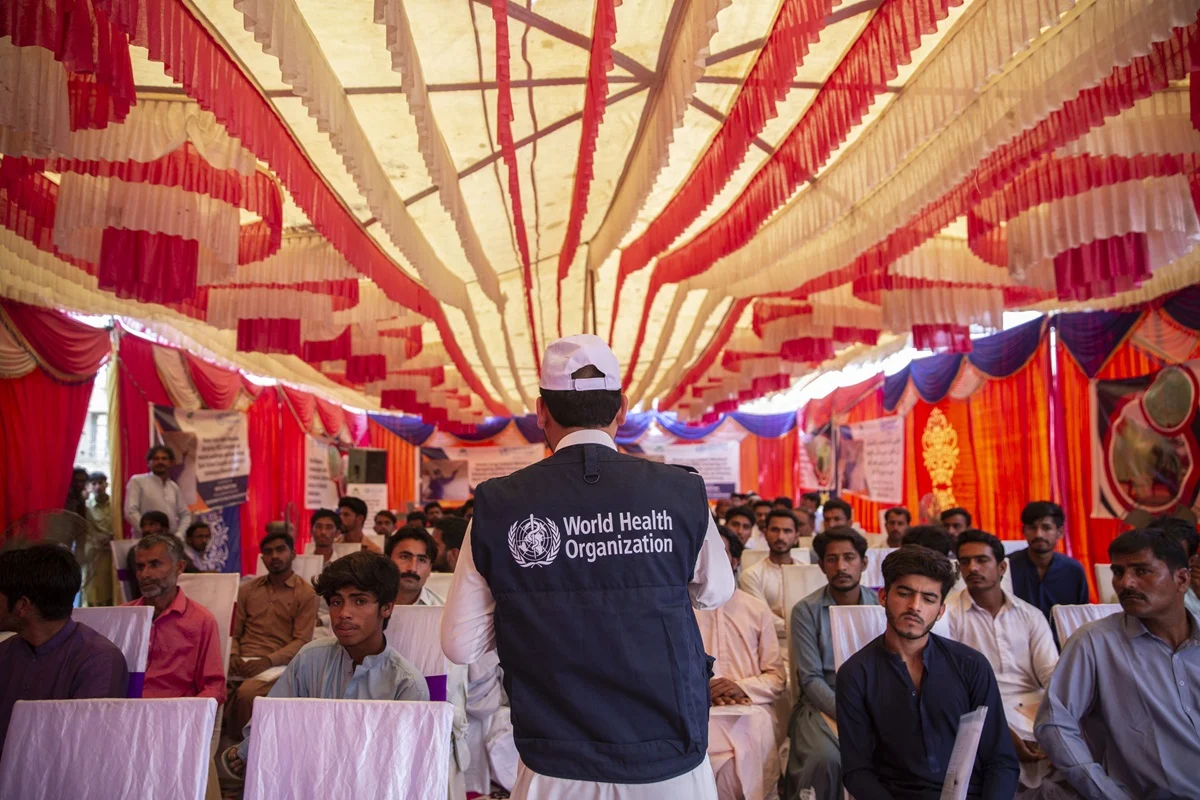
In a strategic move to reinforce international health security, the Qatar Fund for Development (QFFD) and the World Health Organization (WHO) have formalized a new Core Contribution Agreement. This agreement, which provides a US$ 4 million injection of flexible funding, was signed in the lead-up to the Seventy-seventh World Health Assembly in Geneva. The initiative is designed to bolster the implementation of the WHO’s extended Thirteenth General Programme of Work (GPW13), a critical framework aimed at navigating the complex health landscape of the 2020s and beyond. This collaboration marks another milestone in the long-standing partnership between the State of Qatar and the United Nations’ specialized agency for health, reflecting a shared commitment to universal health coverage and the mitigation of global health disparities.
The Strategic Context of the Thirteenth General Programme of Work
The Thirteenth General Programme of Work (GPW13) serves as the WHO’s strategic blueprint, originally covering the period from 2019 to 2023 but extended to 2025. It is built upon the "triple billion" targets: ensuring that one billion more people benefit from universal health coverage, one billion more are better protected from health emergencies, and one billion more enjoy better health and well-being.
The current global climate, characterized by the lingering impacts of the COVID-19 pandemic, geopolitical instability, and the exacerbation of climate-related health risks, has placed immense pressure on international health infrastructure. By providing core, flexible funding, the QFFD allows the WHO to move away from strictly earmarked project-based support, which often limits the organization’s ability to reallocate resources during sudden outbreaks or humanitarian crises. This financial flexibility is essential for the WHO to maintain its role as the lead coordinating body in global health governance.
Chronology of Qatar-WHO Cooperation
The relationship between Qatar and the WHO has evolved significantly over the past decade, shifting from sporadic assistance to a structured, long-term strategic alliance.
- 2018: The formal adoption of the GPW13 at the Seventy-first World Health Assembly, setting the stage for Qatar’s increased involvement in supporting WHO’s core mandates.
- 2020–2022: During the height of the COVID-19 pandemic, QFFD played a pivotal role in supporting the ACT-Accelerator, a global collaboration designed to speed up the development, production, and equitable access to COVID-19 tests, treatments, and vaccines.
- 2023: Increased focus on strengthening health systems in the Middle East and North Africa (MENA) region, with QFFD funding targeted at disaster recovery and primary healthcare infrastructure.
- 2024: The signing of the US$ 4 million core contribution agreement, serving as a precursor to the Seventy-seventh World Health Assembly, signaling a continued commitment to the extended GPW13 goals.
The Role of Flexible Funding in Global Health
In the field of international development, "flexible funding" is often described as the "gold standard" of donor contributions. Unlike earmarked funds, which are restricted to specific geographical regions or disease silos, flexible contributions allow the WHO to address the most pressing, underfunded, or emerging health threats.
Data from the WHO’s most recent financial reports indicate that a significant portion of its budget remains highly earmarked, which can lead to "funding gaps" in essential areas such as mental health, health workforce training, and core administrative preparedness. By contributing US$ 4 million in flexible core funding, the State of Qatar is effectively empowering the WHO’s Director-General to direct resources where they are most urgently needed—whether that is a sudden cholera outbreak in a conflict zone, the reinforcement of surveillance systems for infectious diseases, or the development of normative standards for medical technology.
Official Perspectives and Diplomatic Alignment
The partnership is viewed by both parties as a model for how sovereign wealth funds and international organizations can cooperate to meet the Sustainable Development Goals (SDGs), particularly SDG 3: Good Health and Well-being.
Mr. Sultan Ahmed Al-Aseeri, Acting Director-General of QFFD, emphasized the humanitarian dimension of the partnership. "Our partnership with WHO is a testament to our dedication to leaving no one behind in the pursuit of health equity worldwide," Al-Aseeri stated. "By supporting WHO, we aim to empower communities, enhance healthcare access, and contribute to a healthier future for all."
From the perspective of the WHO, the stability provided by Qatar’s financial commitment is vital. Dr. Tedros Adhanom Ghebreyesus, WHO Director-General, highlighted the utility of this specific contribution. "Flexible funds are critical for WHO’s life-saving work. With thanks to long-standing partners like the Qatar Fund for Development, WHO can use these funds to swiftly respond to global health needs as they arise. I am grateful to the State of Qatar for their support and for allowing us the flexibility we need to carry out our mission and mandate."
Analysis: Implications for Global Health Equity
The infusion of US$ 4 million, while modest in the context of the WHO’s multi-billion dollar biennial budget, holds outsized importance due to its classification as core, unearmarked support. The implications of this agreement are threefold:
- Systemic Resilience: By prioritizing "core" support, the agreement helps stabilize the WHO’s foundational functions—such as laboratory networking, standard-setting, and emergency response coordination—which are often the first to suffer when voluntary contributions drop.
- Addressing Crisis Contexts: The agreement specifically highlights support for countries in crisis and post-crisis contexts. With the current global humanitarian landscape strained by numerous localized conflicts, the ability to rapidly deploy technical expertise and basic medical supplies to these areas is a critical component of the WHO’s mandate.
- Diplomatic Soft Power: For the State of Qatar, this contribution reinforces its position as a key humanitarian actor on the global stage. By aligning its development aid with the WHO’s strategic goals, Qatar effectively integrates its national foreign policy with the broader international consensus on health equity.
Future Outlook and the Seventy-seventh World Health Assembly
As the Seventy-seventh World Health Assembly convenes, the discourse is expected to be dominated by the negotiations surrounding the Pandemic Agreement and the amendments to the International Health Regulations (IHR). These high-level policy negotiations require a robust and financially sound WHO.
The partnership between the QFFD and the WHO serves as a tangible demonstration of how multilateralism functions in practice. While policy debates in Geneva may often become gridlocked by the competing interests of member states, the operational cooperation between agencies like QFFD and the WHO ensures that technical work—such as training local healthcare workers, improving vaccine cold-chain logistics, and monitoring non-communicable diseases—continues uninterrupted.
In the coming months, the implementation of the funds will likely be monitored through the WHO’s standard reporting mechanisms, which track the impact of core contributions on the attainment of the "triple billion" targets. Observers note that this partnership is not merely a financial transaction; it represents a commitment to the concept of "health for all" as a fundamental human right. As the world faces an increasingly unpredictable epidemiological future, the value of reliable, flexible, and sustainable financial support cannot be overstated.
The collaboration sets a precedent for other donor nations and organizations to follow, emphasizing that the path to a resilient global health architecture requires not just specialized project funding, but the core resources necessary to keep the global health system functioning, responsive, and equitable for all populations, regardless of their geopolitical or economic status.
