

Polycystic Ovary Syndrome (PCOS) is one of the most prevalent endocrine disorders affecting individuals of reproductive age, impacting an estimated 6 to 13 percent of women worldwide. Characterized by a complex constellation of hormonal imbalances, chronic low-grade systemic inflammation, and metabolic dysfunction, PCOS frequently serves as a primary driver for an array of secondary health complications, including type 2 diabetes mellitus, cardiovascular disease, non-alcoholic fatty liver disease (NAFLD), and female infertility. In recent years, clinical researchers and nutritionists have increasingly turned their focus toward dietary interventions as foundational components of PCOS management. Among the dietary frameworks currently under investigation, the traditional Mediterranean diet has emerged as a particularly promising therapeutic strategy, supported by a growing body of peer-reviewed medical literature documenting its systemic anti-inflammatory and metabolic benefits.
Background Context of Dietary Interventions in Endocrine Disorders
Historically, the medical management of PCOS has relied heavily on pharmacological agents designed to target specific symptoms, such as oral contraceptives for menstrual regulation, anti-androgens for hirsutism and acne, and insulin-sensitizing medications like Metformin to address underlying metabolic abnormalities. While these treatments remain crucial clinical tools, healthcare providers increasingly recognize that pharmaceutical interventions must be complemented by targeted lifestyle and nutritional modifications for optimal long-term health outcomes.
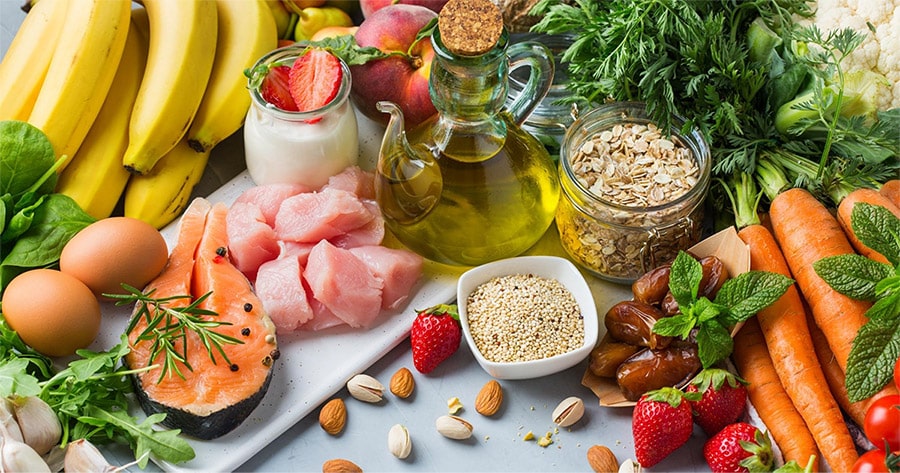
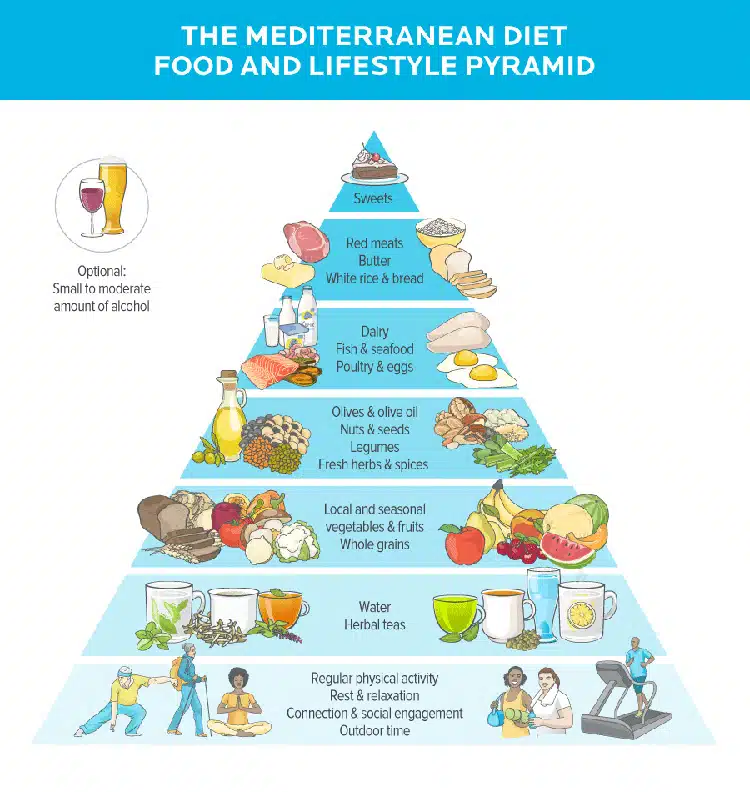
The Mediterranean diet, traditionally characterized by a high intake of fresh fruits, vegetables, whole grains, legumes, nuts, seeds, and extra virgin olive oil, alongside moderate consumption of fish and poultry, and limited intake of red meat and processed foods, offers a biochemically diverse nutrient profile. Unlike restrictive, calorie-counting diets that often lead to short-term compliance challenges, the Mediterranean diet emphasizes nutrient density and anti-inflammatory properties. As medical professionals explore multidisciplinary approaches to endocrine disorders, evaluating how this plant-forward eating pattern interacts with the unique metabolic pathways of PCOS has become a critical area of nutritional epidemiology and clinical endocrinology.
Chronology and Evolution of Research on PCOS and the Mediterranean Diet
The scientific exploration connecting the Mediterranean dietary pattern to PCOS symptom mitigation has evolved progressively over the past two decades. Early clinical research primarily investigated the Mediterranean diet in the context of cardiovascular disease prevention and the management of metabolic syndrome—a cluster of conditions affecting roughly 33 percent of women with PCOS.
By the early 2000s, clinical studies began establishing the profound prevalence of insulin resistance among PCOS patients, noting that between 50 and 70 percent of women with the syndrome exhibit impaired cellular response to insulin. This metabolic disruption was subsequently linked to heightened systemic inflammation and elevated hepatic fat accumulation. Throughout the 2010s, specialized nutritional studies—culminating in key publications in journals such as Human Reproduction and Nutrients—began isolating the specific effects of Mediterranean dietary adherence on reproductive outcomes, testosterone regulation, and gut microbiome diversity in women diagnosed with PCOS. These milestones shifted the medical consensus from viewing diet merely as a tool for weight management to recognizing it as a direct modulator of endocrine function.
Key Physiological Mechanisms and Supporting Clinical Data
The therapeutic efficacy of the Mediterranean diet for individuals with PCOS is substantiated by several distinct physiological mechanisms documented in recent clinical investigations.
Mitigation of Chronic Low-Grade Inflammation
Chronic low-grade systemic inflammation is a hallmark feature of PCOS, intrinsically linked to the pathogenesis of insulin resistance and ovarian dysfunction. Clinical studies indicate that the high concentration of polyphenols, antioxidants, and monounsaturated fatty acids present in a Mediterranean-style diet significantly suppresses inflammatory biomarkers. By dampening systemic inflammatory pathways, this dietary pattern indirectly enhances cellular insulin sensitivity, thereby ameliorating core symptoms of the syndrome.
Improvement of Insulin Sensitivity and Glucose Control
Insulin resistance underpins much of the metabolic distress associated with PCOS, accelerating weight gain, disrupting menstrual periodicity, and escalating cardiovascular risk profiles. Research demonstrates that adherence to a Mediterranean diet improves glycemic control and reduces fasting insulin levels. This metabolic enhancement parallels the mechanisms of common pharmacological insulin sensitizers, helping to regulate ovulatory cycles and mitigate long-term type 2 diabetes risk.
Reproductive Health and Fertility Outcomes
Infertility remains one of the most emotionally challenging sequelae of PCOS. Landmark studies published in reproductive health journals have evaluated the correlation between dietary patterns and assisted reproductive technology (ART) success. Findings reveal that non-obese women adhering closely to a Mediterranean diet experience a 65 to 68 percent higher likelihood of achieving successful clinical pregnancies and live births compared to those with low adherence. Furthermore, secondary analyses suggest that these dietary patterns may positively influence male partner semen quality, offering a dual-benefit approach for couples attempting conception.
Testosterone Regulation and Hyperandrogenism
Hyperandrogenism—manifesting as excess facial hair, adult acne, and scalp hair thinning—is driven by elevated circulating androgen levels. The Mediterranean diet is naturally rich in omega-3 fatty acids and healthy lipids, which clinical data associate with a reduction in total and free testosterone levels in women with PCOS. Conversely, observational studies note that patients failing to incorporate these dietary lipid profiles exhibit significantly higher androgen concentrations.
Gut Microbiome Optimization and Hepatic Health
Emerging microbiome research highlights that women with PCOS frequently display reduced gut microbial diversity compared to healthy controls. The high fiber and prebiotic content of the Mediterranean diet actively nourishes beneficial gut flora, fostering a diverse and resilient microbiome that supports systemic metabolic health. Additionally, specialized trials focusing on non-alcoholic fatty liver disease (NAFLD)—a condition to which PCOS patients are disproportionately vulnerable—show that a 12-month Mediterranean dietary intervention successfully reduces intrahepatic fat content and improves metabolic markers independently of weight loss.
Implications for Public Health and Clinical Practice
The integration of Mediterranean dietary principles into standard PCOS care carries broad implications for public health and clinical management. Because metabolic syndrome and its associated cardiovascular risks are significantly elevated in this patient population, shifting dietary paradigms toward whole, unprocessed, plant-rich foods provides a sustainable, cost-effective primary prevention strategy.
Public health analysts emphasize that the Mediterranean lifestyle extends beyond specific nutrient ratios; it encompasses behavioral aspects such as consuming locally sourced, seasonal produce and practicing mindful, unhurried eating, which enhances satiety and digestive efficiency. By addressing both the biochemical and behavioral drivers of metabolic disease, healthcare systems can potentially reduce the long-term morbidity associated with untreated or poorly managed PCOS.
Translating Dietary Frameworks into Practical Nutritional Guidelines
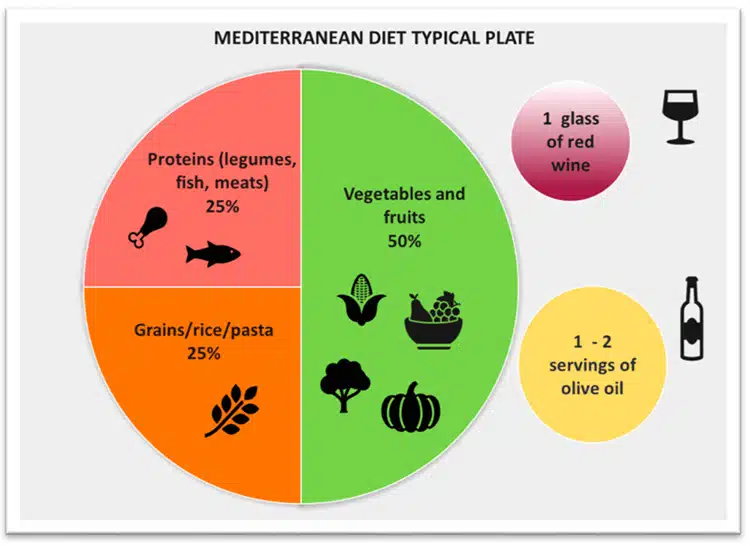
While the macronutrient profile of a traditional Mediterranean diet typically features a higher carbohydrate load than many conventional low-carbohydrate PCOS protocols, the nature of the carbohydrates utilized is fundamentally different. The diet prioritizes low-glycemic, high-fiber, unprocessed complex carbohydrates derived from whole grains, legumes, vegetables, and fruits, which elicit minimal glycemic response compared to refined sugars and white flours.
Protein sources within this framework are diversified, relying heavily on legumes, fish, and poultry, with red meat restricted to occasional consumption. Healthy fats, particularly extra virgin olive oil and raw nuts, form the cornerstone of lipid intake. Nutritional experts advise that transitioning to this dietary model should be approached progressively rather than restrictively, utilizing food journals and emphasizing the incorporation of healthy fats, lean proteins, and fibrous vegetables before adjusting grain intake. Through such structured, sustainable lifestyle modifications, individuals diagnosed with Polycystic Ovary Syndrome can achieve meaningful improvements in metabolic stability, endocrine balance, and overall quality of life.
