
Polycystic Ovary Syndrome (PCOS) is one of the most common endocrine disorders affecting individuals of reproductive age, impacting an estimated 6 to 12 percent of women globally. Characterized by a complex interplay of hormonal imbalances, insulin resistance, and metabolic dysfunction, PCOS frequently presents with a challenging constellation of symptoms. These often include irregular menstrual cycles, hirsutism (excessive facial and body hair growth), inflammatory acne, female-pattern hair loss, and chronic fatigue.
While conventional medical management typically involves oral contraceptives, anti-androgen medications, or insulin-sensitizing drugs such as metformin, many patients actively seek complementary, plant-based interventions to manage their symptoms. Among the most promising and widely discussed natural remedies in recent years is spearmint tea (Mentha spicata). Backed by an emerging body of clinical research, this accessible herbal infusion has garnered attention from endocrinologists, dietitians, and patients alike for its pronounced anti-androgen properties and metabolic benefits.
Clinical Research and Hormonal Regulation
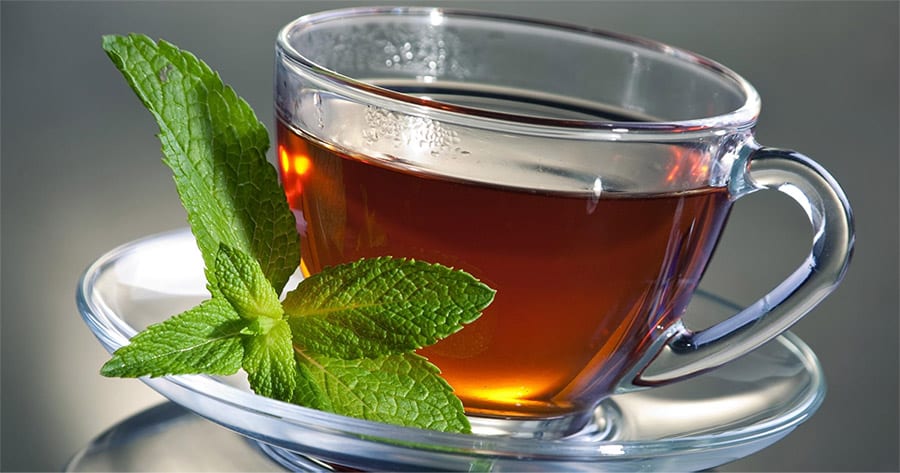
The scientific exploration of spearmint as a therapeutic agent for hyperandrogenism—a hallmark of PCOS—began to gain significant traction following landmark randomized controlled trials. In a pivotal study published in Phytotherapy Research, researchers investigated the hormonal effects of spearmint herbal tea on women diagnosed with PCOS.
The trial divided participants into two cohorts: one consuming spearmint tea twice daily for a period of one month, and a control group consuming a placebo herbal tea. The biochemical analysis yielded notable results. Women in the spearmint intervention group exhibited a statistically significant reduction in both total and free testosterone levels. Furthermore, the study observed a compensatory increase in luteinizing hormone (LH) and follicle-stimulating hormone (FSH), indicating a shift toward a more normalized endocrine profile.
Although the one-month duration of the trial was insufficient to yield measurable clinical alterations in established hirsutism, participants self-reported a subjective decrease in unwanted hair growth. Subsequent dermatological studies have reinforced these findings regarding skin health. Research highlighted by the American Academy of Dermatology demonstrated that the regular daily consumption of organic spearmint tea significantly reduced inflammatory acne lesions, noting a 25 percent decrease after one month and a 51 percent decrease after three months of consistent intake.
Metabolic Implications: Blood Sugar and Insulin Resistance
Beyond its endocrine impacts, spearmint tea offers potential benefits for the metabolic disturbances frequently accompanying PCOS. Insulin resistance affects a vast majority of women with the condition, serving as a primary driver for elevated androgen production by the ovaries and significantly increasing the long-term risk of developing type 2 diabetes and metabolic syndrome.
While direct human clinical trials evaluating spearmint’s direct impact on glycemic control remain limited, robust preclinical animal studies provide valuable mechanistic insights. Research published in the Iranian Journal of Pharmaceutical Research evaluated the aqueous extract of Mentha spicata leaves on diabetic rat models. The findings demonstrated measurable hypoglycemic, hypocholesterolemic, and antioxidant activities, suggesting that spearmint compounds may assist in improving insulin sensitivity and mitigating oxidative stress.
For patients managing PCOS, improving insulin sensitivity through a combination of dietary adjustments, targeted supplementation, and herbal infusions like spearmint tea can help break the cycle of hyperinsulinemia and subsequent hormonal disruption.

Alleviating Menstrual Irregularities and Ovarian Morphology
Menstrual dysfunction, commonly manifesting as oligomenorrhea (infrequent periods) or amenorrhea (absence of periods), is a primary diagnostic criterion for PCOS. This irregularity is frequently driven by an anovulatory state, wherein persistent hormonal imbalances prevent the regular maturation and release of eggs, leading to the accumulation of multiple small ovarian follicles.
Because spearmint tea exhibits strong anti-androgen activity, it helps counteract the suppressive effect that high levels of free testosterone and DHEA-S have on regular ovulation. By assisting in the normalization of circulating androgens, regular consumption of spearmint tea may help reduce the prevalence of unwanted ovarian follicles, thereby supporting a more predictable and regular menstrual cycle over time.
Clinical experts emphasize, however, that physiological adaptations of this magnitude require sustained consistency. Endocrinological studies indicate that structural and hormonal changes associated with herbal anti-androgen therapies generally require a minimum of three to six months of daily administration before clinical improvements become fully apparent.

Cognitive Function, Fatigue, and Antioxidant Defense
In addition to managing dermatological and reproductive symptoms, women with PCOS frequently report debilitating cognitive symptoms, often referred to as "brain fog," alongside chronic fatigue and elevated systemic inflammation.
Clinical investigations into spearmint extract have extended into cognitive performance. A notable randomized, double-blind, placebo-controlled study published in the Journal of Alternative and Complementary Medicine examined the effects of a patented spearmint extract rich in phenolic compounds on individuals experiencing age-associated memory impairment. Over a 90-day period, participants taking the spearmint extract demonstrated significant improvements in working memory, spatial recognition, and mental agility compared to the placebo group.
Furthermore, systemic oxidative stress is widely documented in the pathophysiology of PCOS, contributing to chronic low-grade inflammation and cellular damage. Spearmint is rich in natural phenolic compounds, rosmarinic acid, and various flavonoids that act as powerful antioxidants. Systematic reviews published in reproductive health literature note that neutralizing reactive oxygen species through antioxidant-rich dietary inclusions can support overall cellular health and alleviate systemic inflammatory burdens in PCOS patients.
Preparation Guidelines, Dosage, and Administration
For individuals seeking to incorporate spearmint tea into their wellness routine, proper preparation ensures the preservation of its active botanical compounds. Standard protocols derived from clinical observations suggest the following preparation method:
- Ingredients: Approximately 1 gram of dried organic spearmint leaves or one high-quality spearmint tea bag per serving.
- Water Volume: Approximately 12 ounces of freshly boiled water.
- Steeping: Pour the boiling water over the leaves or tea bag, covering the vessel to trap volatile essential oils. Allow the mixture to steep undisturbed for 10 to 15 minutes.
- Frequency: Clinical studies generally evaluated a dosage of two cups per day.
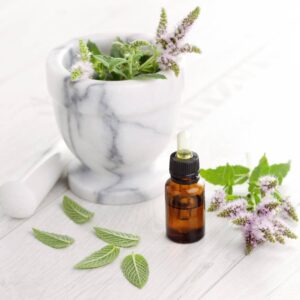
Spearmint tea can be consumed either hot or iced, depending on individual preference, without diminishing its core therapeutic properties. For those with access to fresh herbs, Mentha spicata is easily cultivated in home gardens or purchased as potted plants from local nurseries, providing a readily available source of fresh leaves.
Potential Side Effects, Cautions, and Contraindications
While spearmint tea is generally well-tolerated by the vast majority of the population, medical professionals advise caution under certain circumstances. Overconsumption—particularly through concentrated commercial extracts or essential oil supplements rather than standard brewed tea—can occasionally lead to mild gastrointestinal discomfort or allergic reactions.

Individuals diagnosed with gastroesophageal reflux disease (GERD) should exercise caution, as mint derivatives can relax the lower esophageal sphincter, potentially exacerbating acid reflux symptoms. Additionally, pregnant or breastfeeding women, as well as individuals managing specific chronic hepatic or renal conditions, should consult a qualified healthcare provider or endocrinologist before introducing therapeutic doses of any herbal supplement into their regimen.
Broader Culinary and Botanical Context
Botanically classified as Mentha spicata and belonging to the Lamiaceae family, spearmint is indigenous to regions spanning Europe, Asia, North Africa, and Australia. Historically utilized in traditional medicine systems for its carminative properties—traditionally used to alleviate dyspepsia, flatulence, and general gastrointestinal distress—spearmint has long transitioned into a staple global culinary herb.
Beyond its applications in herbal infusions, spearmint oil and extracts are widely utilized in oral hygiene products, confections, and culinary dishes. Its mild diuretic and antibacterial properties further contribute to its traditional reputation for reducing transient water retention and abdominal bloating.
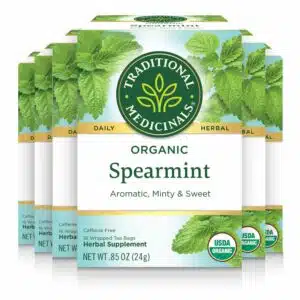
Integration Into Comprehensive PCOS Management Plans
Healthcare professionals emphasize that while spearmint tea serves as a valuable, evidence-based adjunct therapy, it should be viewed as one component of a comprehensive, multidisciplinary approach to managing PCOS. Optimal long-term outcomes typically require a holistic strategy that includes individualized nutritional counseling, structured physical activity, stress management, and appropriate pharmacological interventions supervised by a licensed endocrinologist or gynecologist.
As research into botanical medicines continues to expand, safe, accessible, and natural interventions like spearmint tea empower patients to actively participate in managing their chronic health conditions, bridging the gap between traditional dietary wisdom and modern clinical endocrinology.
