
The National Football League Alumni Association (NFLAA) has officially announced a high-profile strategic partnership with Californian food-tech startup Oobli, marking a major collaborative push to reduce national sugar consumption and introduce innovative sugar alternatives to the American public. Unveiled ahead of the 2026 NFL season, the alliance seeks to leverage the cultural reach of professional football to educate consumers on the benefits of precision-fermented sweet proteins. By combining the trusted voices of former professional athletes with cutting-edge food science, the initiative targets chronic public health crises—such as obesity, metabolic disease, and type 2 diabetes—by promoting dietary options that replace traditional carbohydrates and refined sugars with bioactive, protein-based sweetness.
Chronology and Origins of the Partnership
The groundwork for this cross-industry collaboration builds upon years of mounting scientific and commercial interest in precision fermentation. Oobli, which has raised approximately $50 million in venture funding to date, has spent several years developing and securing regulatory clearances for its proprietary sweet proteins. The startup successfully obtained regulatory approvals from the U.S. Food and Drug Administration (FDA) for three distinct sweet proteins derived from rare African fruits, including two brazzein variants and one monellin variant.
As Oobli prepared to scale its commercial partnerships—including joint ventures with ingredient giant Ingredion and global baking leader Grupo Bimbo—the company sought a mechanism to drive mass consumer awareness. Concurrently, the NFL Alumni Association, through its health and wellness division, recognized a pressing need to address nutritional literacy among former players, their families, and broader communities. The formal partnership materialized in mid-2026, culminating in a planned rollout of national education campaigns timed to coincide with the kick-off of the 2026 NFL season and scaling toward the 2027 Super Bowl in Los Angeles.
The Science of Sweet Proteins and Precision Fermentation
At the core of this partnership is an advanced biotechnological process known as precision fermentation. Naturally occurring sweet proteins like brazzein and monellin are found in low concentrations within exotic fruits indigenous to West Africa. Because extracting these proteins directly from wild plants is commercially unviable due to low yields and environmental constraints, Oobli replicates them using microbial hosts.
The production cycle begins by isolating the specific DNA sequences responsible for generating these sweet-tasting proteins and inserting them into Komagataella phaffii, a species of yeast with a decades-long history of safe use in the food manufacturing industry. These engineered microbes are introduced into large-scale industrial fermentation tanks, where they are fed a nutrient-dense broth containing simple sugars. As the yeast cultures grow, they synthesize the sweet proteins naturally. The resulting mixture undergoes rigorous filtration and purification processes to yield a clean, highly concentrated, non-GMO ingredient.
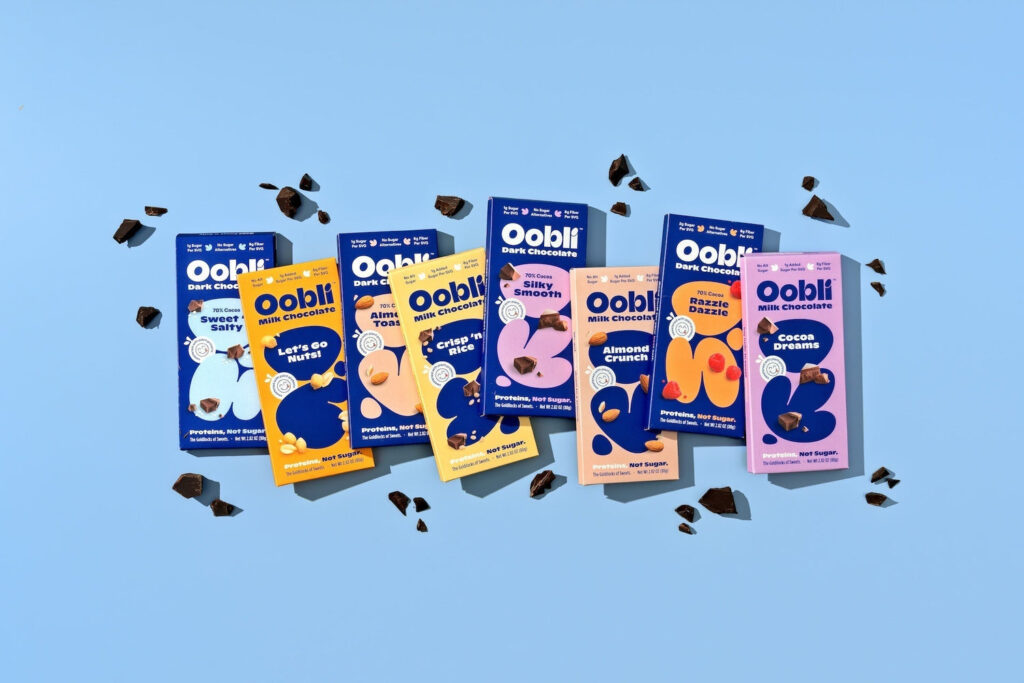
Unlike traditional sugars or artificial sweeteners, Oobli’s ingredients are structurally proteins. Brazzein, for example, is up to 1,000 times sweeter than sucrose (table sugar), while monellin exhibits an even higher relative sweetness. Because they are digested as proteins rather than simple carbohydrates, these compounds provide sweetness with negligible caloric content, leaving blood glucose levels and gut microbiomes unaffected. These versatile proteins can be seamlessly integrated into a wide spectrum of consumer packaged goods, ranging from baked goods, granolas, and chocolate confectionery to beverages such as sodas, smoothies, and dairy alternatives.
Launch of the Oobli Inside Consumer Platform
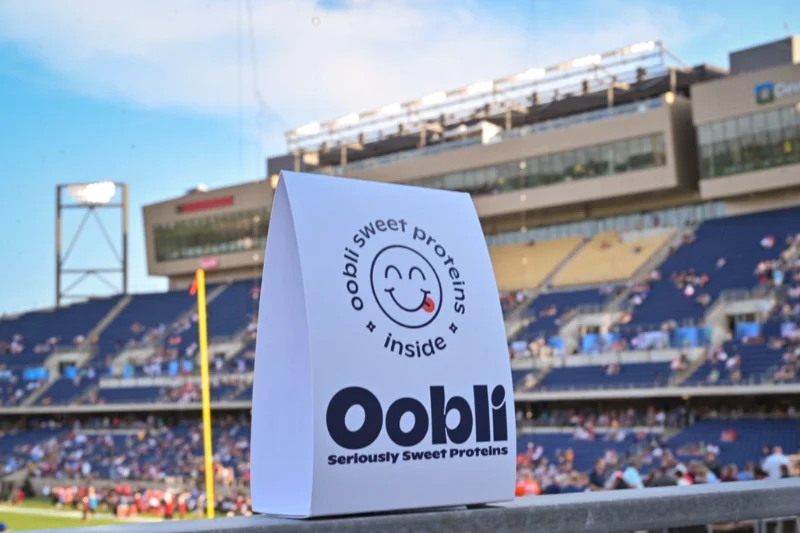
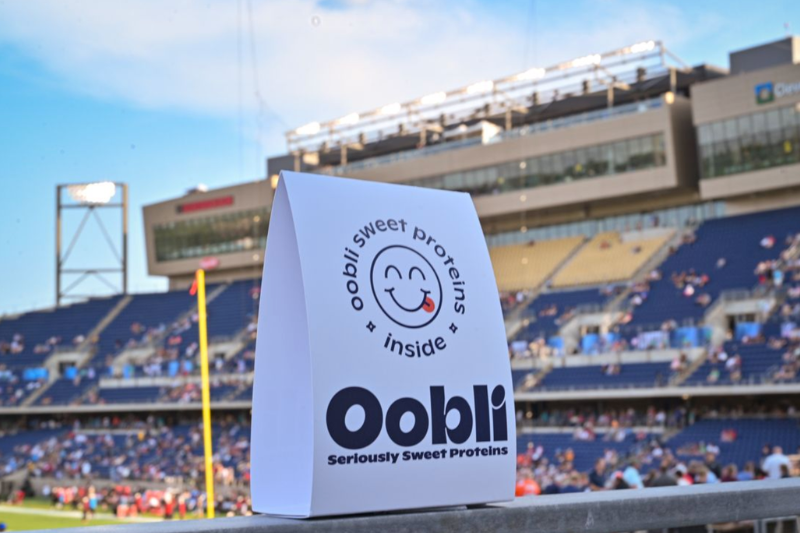
To bridge the gap between industrial food science and everyday grocery shopping, the partnership introduces "Oobli Inside," a dedicated consumer-facing trust and transparency platform. Much like historical ingredient-branding campaigns that signaled quality or specific attributes to shoppers, Oobli Inside will appear on packaging, restaurant menus, and retail displays to identify products formulated with the startup’s sweet proteins.
The initiative aims to eliminate consumer confusion regarding sugar alternatives. By establishing a recognizable seal of approval, the platform allows shoppers to identify items that deliver traditional sweetness profiles without the metabolic consequences associated with added sugars. Food manufacturers, restaurant chains, and retail brands adopting the Oobli Inside label gain access to an established framework of trust, reassuring consumers that products satisfy taste expectations while adhering to healthier nutritional profiles.
National Education Initiatives and Outreach Events
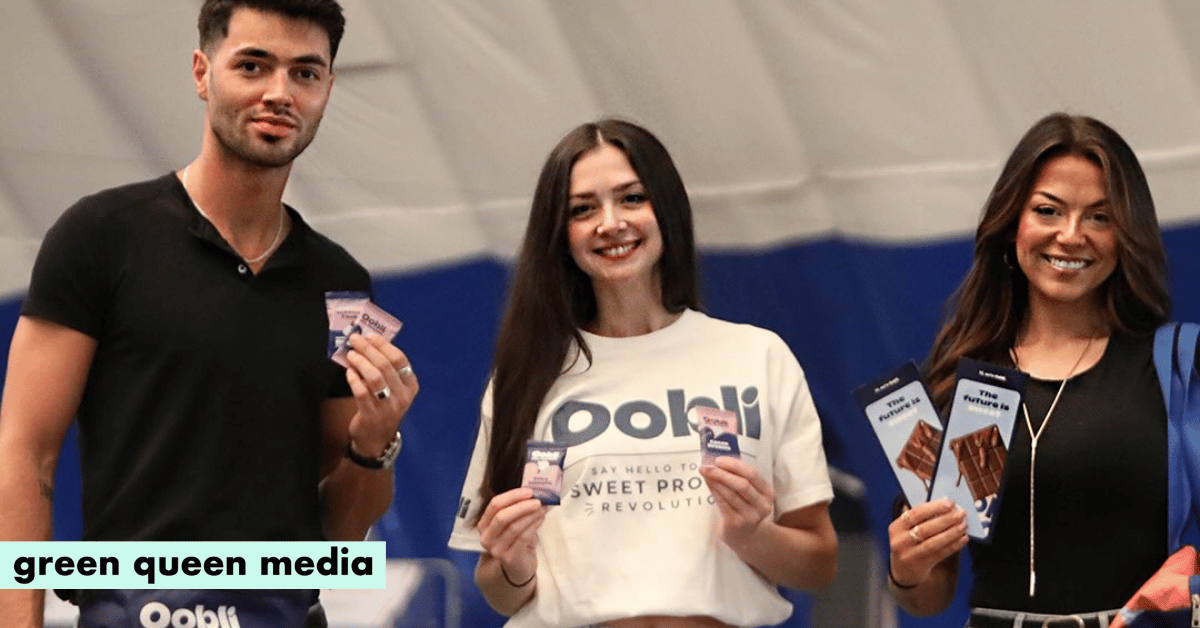
The operational strategy of the partnership hinges on grassroots community engagement and high-visibility national events. Throughout the 2026 NFL season, the NFL Alumni Association and Oobli will deploy a series of educational programs designed to reach demographics most affected by dietary-related illnesses.
Key outreach activations include:
- Youth Football Camps: Educational workshops integrated into nationwide athletic programs for children, emphasizing the foundational role of nutrition in athletic performance and long-term wellness.
- Community Health Seminars: Informational sessions hosted across alumni chapters to educate families on recognizing hidden sugars in everyday foods.
- Hall of Fame Activities: High-profile promotional events utilizing retired football legends to advocate for proactive health management.
- NFL Alumni Super Week: A concentrated series of public engagements leading up to Super Bowl LVII in Los Angeles, designed to showcase innovations in sustainable, health-conscious nutrition to a global audience.
Supporting Data and Public Health Implications
The urgency of this educational campaign is underscored by decades of alarming nutritional data within the United States. According to comprehensive studies from institutions such as the Harvard T.H. Chan School of Public Health and the Centers for Disease Control and Prevention (CDC), the average American consumes approximately 17 teaspoons of added sugar daily—a figure that drastically exceeds recommended dietary guidelines. Historical estimates indicate that national consumption of sugars and artificial sweeteners surged by roughly 53% between 1909 and 2021, accelerated further by dietary shifts during the COVID-19 pandemic.
This sustained excess of calorie-dense, low-nutrient carbohydrates has fueled a severe domestic health crisis. Obesity currently affects approximately 42% of the adult U.S. population, while over 11% of citizens live with type 2 diabetes. These systemic conditions place an unprecedented economic and logistical burden on the American healthcare system.
Consumer sentiment tracking reflects a profound psychological shift in response to these statistics. Recent market research indicates that reducing sugar intake was cited as the single highest dietary priority for 45% of consumers. Furthermore, nearly half of all shoppers (48%) consistently inspect product packaging for sugar and sweetener disclosures. Generational divides in consumer perception also favor this technological transition: younger demographics, particularly Millennials and Generation Z, demonstrate overwhelmingly positive attitudes toward alternative sweeteners, with more than half viewing them as equal to or healthier than conventional sugar.
Official Statements and Executive Perspectives
Leadership from both organizations emphasized the transformative potential of aligning elite athletic legacy with nutritional biotechnology.
"The NFL Alumni Association is committed to helping people live healthier, more active lives. Oobli represents exactly the kind of innovation partner we want to introduce to our players, families, and fans," stated Brad Edwards, CEO of the NFL Alumni Association. "The Oobli Inside initiative will give families another great way to enjoy the foods they already love while looking out for their health. That’s a mission our alumni are proud to stand behind, and we believe this partnership could make a meaningful difference in the health of millions of Americans."
Echoing these sentiments, Oobli CEO Ali Wing highlighted the cultural and commercial importance of consumer trust. "We believe people shouldn’t have to choose between health and taste," Wing remarked. "Partnering with the NFL Alumni Association lets us introduce Americans to the health benefits of sweet proteins through a trusted voice they know and respect. Oobli Inside will make it easier for consumers to recognise products made with our breakthrough ingredient and make healthier everyday choices for them and their families."
Broader Market Context and Future Outlook
Oobli operates within a rapidly expanding global ecosystem of food-tech innovators striving to eliminate refined sugar through precision fermentation and molecular farming. Alongside Oobli, companies such as Amai Proteins, MycoTechnology, Pentasweet, Nambawan Spain, Perfect Day, Melazyme, Sweegen, Microfarmtory, and Nanjing Bestzyme are actively developing alternative proteins and sweetening agents.
As regulatory bodies continue to review novel food ingredients and consumer demand for transparent, low-sugar formulations intensifies, collaborations bridging biotechnology and mainstream cultural institutions are expected to accelerate. By leveraging the immense platform of the National Football League alumni network, Oobli’s partnership sets a new precedent for how advanced food technologies can achieve large-scale commercial adoption, potentially reshaping the American dietary landscape in the years to come.
