

Navigating Polycystic Ovary Syndrome (PCOS) presents unique physiological challenges, particularly when individuals transition into family planning and pregnancy. As one of the most common endocrine disorders affecting reproductive-aged women, PCOS frequently complicates conception, gestation, and metabolic regulation. Hormonal imbalances, chronic low-grade inflammation, and insulin resistance characteristic of the syndrome require targeted nutritional interventions. Among these, selecting an appropriate prenatal vitamin formulation tailored to the metabolic and biochemical needs of individuals with PCOS is a critical component of prenatal care.
Understanding the physiological demands of PCOS during pregnancy requires examining why standard prenatal supplementation may need adjustment. Medical research consistently indicates that specialized nutritional support can significantly mitigate risks associated with the condition, optimizing both maternal health and fetal development.

The Physiological Imperative of Prenatal Supplementation in PCOS
For individuals managing PCOS, preparing the body for conception extends far beyond general wellness. Hormonal fluctuations often compromise oocyte (egg) quality, making the preconception window a vital phase for targeted nutritional therapy. Prenatal vitamins serve as a foundational element in bridging dietary gaps, supplying essential micronutrients that support both maternal physiological adaptation and embryonic growth from the moment of conception.
Medical consensus recommends initiating prenatal vitamins well before active attempts to conceive—ideally at least three months prior. This preconception window allows the body to build adequate nutrient stores, particularly for compounds like folate, which plays an immediate role during the earliest stages of embryonic development when the neural tube is formed. When a pregnancy is unplanned, healthcare providers advise starting prenatal supplementation immediately upon confirmation, continuing uninterrupted throughout the entire gestational period and postpartum lactation phase.
Core Nutritional Requirements Outlined by Medical Authorities
According to the American Pregnancy Association and leading obstetric guidelines, a comprehensive prenatal supplement must contain several core nutrients. However, for those with PCOS, specific emphasis must be placed on targeted quantities and bioavailable forms to counteract the metabolic hurdles inherent to the syndrome.

Folate and Folic Acid
Folate, a water-soluble B vitamin, is indispensable for preventing neural tube defects such as spina bifida and anencephaly. The standard recommended daily allowance (RDA) during pregnancy sits at 400 micrograms (mcg). While dietary sources include leafy green vegetables, citrus fruits, and legumes, achieving optimal systemic levels through diet alone remains statistically difficult. Consequently, supplementation is universally prescribed. For individuals with PCOS, who may experience variations in methylation pathways, bioavailable forms such as methylated folate (L-methylfolate) are frequently recommended by specialists to ensure efficient cellular utilization.
Iron
Pregnancy triggers a substantial expansion in maternal blood volume—increasing by nearly 50% to support the placenta and the developing fetus. Iron is the essential building block for hemoglobin, the protein in red blood cells responsible for oxygen transport. A deficiency during gestation frequently leads to maternal iron-deficiency anemia, associated with low birth weight and preterm delivery. The RDA for iron during pregnancy is 27 milligrams (mg) daily. Because iron absorption can be influenced by systemic inflammation—a hallmark of PCOS—maintaining adequate intake through well-tolerated formulations is paramount.
Calcium and Vitamin D Synergy
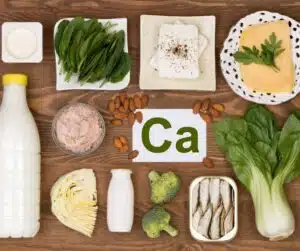
Calcium requirements during pregnancy remain high, set at approximately 1,000 mg per day. If maternal dietary intake is insufficient, the developing fetus will draw necessary calcium directly from maternal skeletal stores, increasing the long-term risk of maternal osteopenia and osteoporosis.

Vitamin D acts as a critical regulator in calcium absorption, immune function, and reproductive health. Clinical data reveals a striking correlation: approximately 80% of individuals diagnosed with PCOS exhibit a concurrent Vitamin D deficiency. This deficiency exacerbates insulin resistance and impairs follicular development. Consequently, specialized prenatal formulations for PCOS often feature elevated doses of Vitamin D—frequently up to 4,000 International Units (IU) under medical supervision—to address this widespread shortfall.
Omega-3 Fatty Acids (DHA and EPA)
Omega-3 polyunsaturated fatty acids, particularly docosahexaenoic acid (DHA) and eicosapentaenoic acid (EPA), are crucial for fetal neurodevelopment, visual acuity, and the reduction of inflammatory pathways. Given that PCOS is fundamentally characterized by chronic, low-grade systemic inflammation that worsens insulin resistance, omega-3 supplementation offers dual benefits. It supports fetal brain architecture while actively combating maternal inflammation, assisting in the regulation of circulating androgen levels. Clinical guidelines generally suggest a minimum daily intake of 300 mg of DHA during pregnancy.
Top Prenatal Supplement Options Tailored for PCOS
Evaluating the commercial market reveals numerous formulations, yet few are explicitly optimized for the complex metabolic profile of PCOS. Healthcare providers frequently recommend brands that emphasize purity, third-party testing, and targeted nutrient profiles.
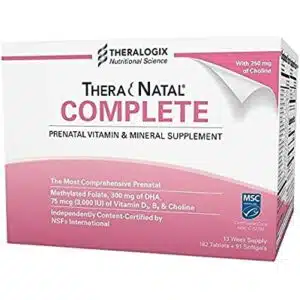
TheraNatal Complete and OvaVite
Manufactured by Theralogix—a company widely recognized within reproductive endocrinology for producing evidence-based supplements such as Ovasitol—TheraNatal Complete is engineered specifically to meet the nutritional demands of complex pregnancies. The product is independently tested, gluten-free, and free of artificial dyes. It distinguishes itself by incorporating higher levels of Vitamin D, methylated folate, choline, and pharmaceutical-grade DHA.
For the preconception phase, Theralogix offers TheraNatal OvaVite, which pairs a comprehensive prenatal vitamin with Coenzyme Q10 (CoQ10). CoQ10 is a potent cellular antioxidant clinically demonstrated to improve oocyte mitochondrial function and enhance egg quality in individuals with PCOS-related ovulatory dysfunction. When combined synergistically with an inositol supplement like Ovasitol, this regimen helps restore metabolic balance, improve insulin sensitivity, and normalize ovulation rates.
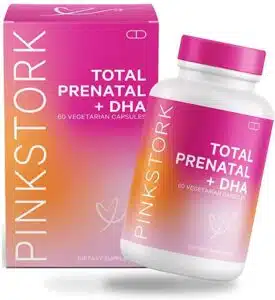
Pink Stork Total Prenatal with DHA and Folic Acid
Another widely utilized option in PCOS nutritional management is Pink Stork Total Prenatal. This formulation provides robust doses of Vitamin D and marine-sourced Omega-3 fatty acids, directly addressing the inflammatory and metabolic markers associated with Polycystic Ovary Syndrome. In addition to core micronutrients, the profile includes an expansive complex of vitamins C, E, and B-complex, alongside essential trace minerals such as zinc, selenium, copper, manganese, and chromium, which collectively support glucose metabolism and endocrine health.
Nature Made Prenatal with Folic Acid and DHA
For individuals seeking an accessible, cost-effective option without sacrificing quality, Nature Made Prenatal provides a reliable formulation containing the primary essential nutrients required for healthy fetal development, including folic acid, iron, calcium, and DHA. While it may lack the specialized high-dose Vitamin D or targeted antioxidant blends found in specialty fertility brands, it remains a standard, clinically accepted choice for general pregnancy support when budget constraints are a primary consideration.
Clinical Distinctions: Preconception Versus Prenatal Formulations
A common point of confusion among patients is the operational difference between preconception vitamins and standard prenatal vitamins. Preconception formulations are intentionally designed to prime the reproductive environment prior to fertilization. Because PCOS frequently compromises oocyte maturation and hormonal signaling, preconception products often integrate targeted compounds—such as CoQ10, myo-inositol, and higher concentrations of specific B-vitamins—to enhance cellular energy production within the ovaries and improve insulin signaling pathways.
Conversely, standard prenatal vitamins are formulated to sustain the physiological demands of an established pregnancy, focusing heavily on blood volume expansion, skeletal development, and placental support. Transitioning from a specialized preconception blend to a standard prenatal vitamin occurs under clinical guidance once pregnancy is confirmed, ensuring continuous and appropriate micronutrient delivery across all trimesters.
Broader Health Implications: Managing Gestational Risks
While targeted supplementation significantly optimizes nutritional status, vitamins alone cannot entirely eliminate the elevated systemic risks associated with PCOS during pregnancy. Clinical data confirms that individuals with PCOS face an increased statistical probability of developing gestational diabetes mellitus (GDM), pregnancy-induced hypertension, and pre-eclampsia.
Mitigating these risks requires a comprehensive multidisciplinary approach. Beyond nutritional supplementation, clinical management frequently incorporates dietary modifications focused on glycemic control, regular physical activity, and pharmacological interventions when deemed necessary by an obstetrician or maternal-fetal medicine specialist. Proactive glucose tolerance monitoring and rigorous blood pressure surveillance throughout gestation are standard protocols to ensure early detection and intervention for potential complications.
Ultimately, selecting the most appropriate prenatal vitamin requires a personalized evaluation of individual blood panels, dietary habits, and metabolic markers in consultation with a qualified healthcare provider. By bridging nutritional gaps and targeting the underlying biochemical pathways of PCOS, patients can significantly enhance their prospects for a healthy pregnancy and optimal neonatal outcomes.
