
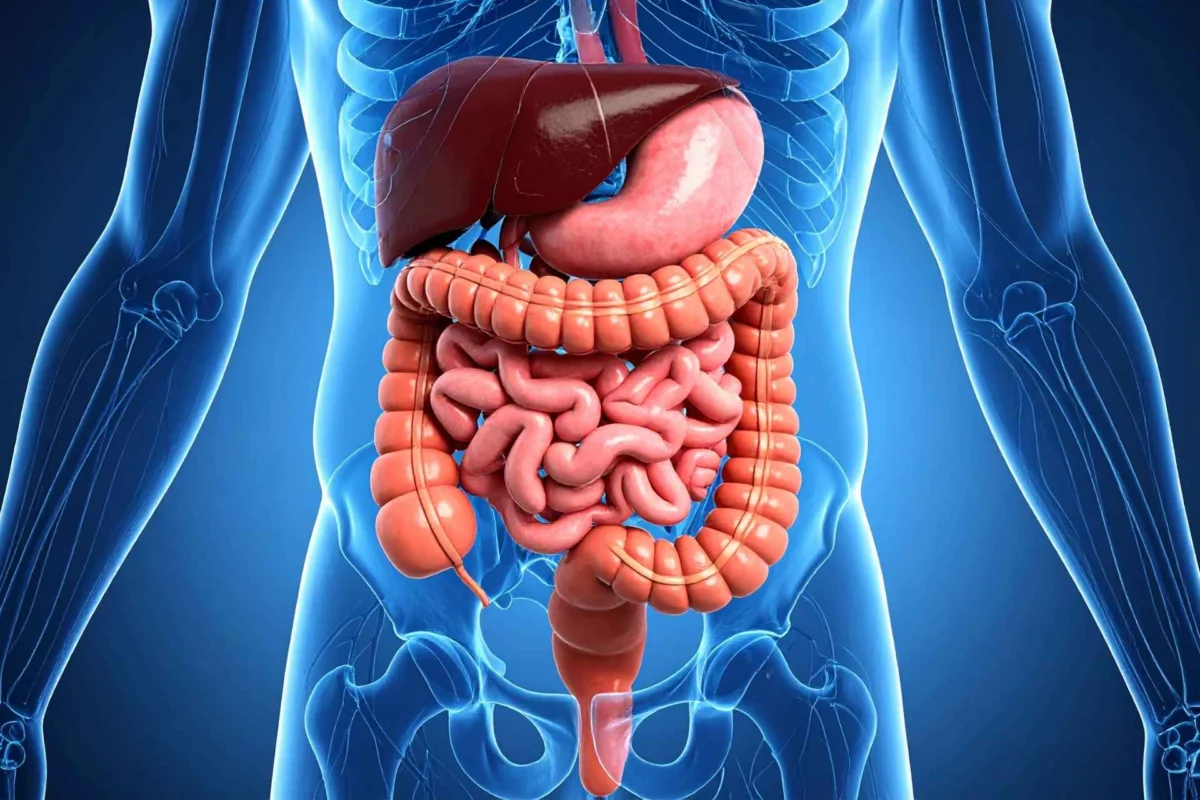
Colorectal cancer remains one of the most significant challenges in modern oncology, ranking as the third most prevalent cancer and the second leading cause of cancer-related mortality worldwide. While lifestyle, genetics, and environmental factors have long been identified as primary drivers of the disease, the complex ecosystem of the human gut—the microbiota—has emerged as a critical frontier in understanding cancer progression and treatment. In a landmark study published in the journal Cell Host & Microbe, a team of researchers led by Elisa Sorrenti at the Università della Svizzera Italiana in Bellinzona, Switzerland, has uncovered a surprising mechanism by which the gut microbe Fusobacterium nucleatum (F. nucleatum) can actually assist the immune system in targeting and destroying tumor cells. This discovery challenges previous assumptions about the role of certain bacteria in the gut and opens new avenues for personalized immunotherapy.
The Complex Relationship Between Gut Microbes and Colorectal Cancer
The human gastrointestinal tract is home to trillions of microorganisms, including bacteria, viruses, and fungi, which play a vital role in digestion, metabolism, and immune regulation. However, when the balance of this ecosystem is disrupted—a state known as dysbiosis—it can contribute to the development of various diseases, including colorectal cancer (CRC). For years, F. nucleatum was primarily viewed through a negative lens in oncological research. It was frequently found in high concentrations within colorectal tumors and was associated with promoting inflammation, suppressing the immune system, and accelerating tumor growth.
However, the immune system’s response to these bacteria is not monolithic. The recent study by Sorrenti and her colleagues highlights the "double-edged sword" nature of the immune response, specifically focusing on neutrophils. Neutrophils are the most abundant type of white blood cell and serve as the body’s "first responders" to infection and injury. In the context of cancer, their role has been historically controversial. While some studies suggest that tumor-associated neutrophils (TANs) can facilitate metastasis and tumor growth by creating a pro-inflammatory environment, other evidence suggests that, under the right conditions, they can be reprogrammed to attack and kill tumor cells.
Mechanism of Action: Chemokines and Neutrophil Recruitment
The research team began their investigation by examining how the presence of bacteria within a tumor influences the behavior of neutrophils. They observed that tumor tissues in both mice and humans produced significantly higher levels of chemical signals known as chemokines compared to healthy tissues. These chemokines act as molecular beacons, attracting neutrophils from the bloodstream into the tumor site.
The study identified that F. nucleatum plays a pivotal role in this process. When F. nucleatum is present within the tumor microenvironment, it stimulates the production of specific chemokines, such as CXCL8 (interleukin-8), which is a potent recruiter of neutrophils. Interestingly, the researchers found that this effect was not universal among all gut bacteria. For instance, Bacteroides fragilis, another common inhabitant of the gut, showed a much weaker ability to trigger these signals.
Once the neutrophils arrived at the tumor site, their interaction with F. nucleatum led to a profound transformation. In laboratory settings, neutrophils exposed to F. nucleatum became highly activated. The researchers noted visible changes in the cells’ morphology; they became more mobile and began to release a variety of antimicrobial proteins. These proteins, intended to kill bacteria, were found to have a secondary, potent effect: they were capable of inducing cytotoxicity in tumor cells, effectively turning the neutrophils into tumor-killing agents.
The Genetic Component: The Role of the Siglec-14 Receptor
One of the most significant findings of the study is the identification of the host genetic factors that dictate this immune response. The researchers discovered that the tumor-killing potential of neutrophils is heavily dependent on a specific receptor located on the surface of these cells, known as Siglec-14.
Siglec-14 is a member of the sialic acid-binding immunoglobulin-like lectin family, which is involved in regulating immune cell signaling. The study found that Siglec-14 acts as the "on switch" for the anti-tumor pathways triggered by F. nucleatum. When F. nucleatum binds to or interacts with neutrophils, Siglec-14 facilitates the intracellular signaling necessary for the release of cytotoxic proteins.
Crucially, the presence of this receptor is not uniform across the human population. Due to a genetic polymorphism, some individuals lack the gene for Siglec-14. In patients who lack this receptor, the presence of F. nucleatum may not result in the same beneficial activation of neutrophils, potentially explaining why the bacterium is associated with worse outcomes in some patients and better outcomes in others. This discovery provides a missing link in understanding why the gut microbiome’s impact on cancer varies so dramatically between individuals.
Chronology of the Research and Clinical Correlation
The research followed a rigorous multi-step process, beginning with mouse models and transitioning to the analysis of human clinical data.
- Initial Observation: The team first noted that tumors with high bacterial loads showed different immune profiles than those with lower loads.
- In Vivo Testing: Using mouse models of colorectal cancer, the researchers introduced F. nucleatum and observed a marked increase in chemokine production and neutrophil infiltration compared to control groups or those treated with B. fragilis.
- In Vitro Analysis: Neutrophils were isolated and studied in lab dishes to observe the direct impact of F. nucleatum on their behavior and their ability to kill cancer cell lines.
- Clinical Validation: Finally, the researchers analyzed tissue samples and survival data from human colorectal cancer patients. They found a strong correlation: patients who had high levels of F. nucleatum within their tumors and possessed the Siglec-14 receptor had significantly better survival rates.
This correlation suggests that the "pro-tumor" reputation of F. nucleatum may be context-dependent, relying on the host’s genetic ability to harness the bacteria for an immune attack.
Supporting Data and Statistical Significance
The data presented in the study underscores the potential impact of these findings on clinical practice. In the human cohorts analyzed, the presence of high neutrophil densities in the tumor was associated with a reduction in mortality risk, but this benefit was most pronounced in the subset of patients with high F. nucleatum levels.
Statistical analysis revealed that the combination of F. nucleatum and high neutrophil counts could serve as a powerful prognostic marker. Furthermore, the laboratory data showed that neutrophils activated by F. nucleatum increased their production of reactive oxygen species (ROS) and degranulation—two primary methods by which immune cells destroy target cells—by more than 40% compared to unstimulated neutrophils. In contrast, the response to B. fragilis was negligible, highlighting the unique therapeutic potential of F. nucleatum.
Implications for Future Immunotherapies
The implications of this research for the future of cancer treatment are profound. Currently, most immunotherapies, such as checkpoint inhibitors (e.g., PD-1/PD-L1 inhibitors), focus on activating T-cells. While successful for many, a significant portion of colorectal cancer patients—particularly those with microsatellite stable (MSS) tumors—do not respond well to these treatments.
The discovery that neutrophils can be effectively harnessed to kill tumor cells offers a new target for drug development. Potential therapeutic strategies emerging from this study include:
- Microbiome Modulation: Using probiotics or targeted bacterial delivery to increase the presence of F. nucleatum or its active components within the tumor microenvironment.
- Siglec-14 Agonists: Developing drugs that mimic the effect of F. nucleatum on the Siglec-14 receptor to activate neutrophils even in the absence of the bacteria.
- Precision Medicine: Genetic screening of CRC patients for the Siglec-14 gene to determine which individuals are most likely to benefit from treatments that leverage the microbiome-neutrophil axis.
Analysis of Potential Risks and Challenges
While the study presents a promising new frontier, experts caution that F. nucleatum remains a complex organism. Its known role in promoting inflammation and potential involvement in the early stages of carcinogenesis cannot be ignored. The challenge for future research will be to isolate the specific components of the bacteria that activate the Siglec-14 pathway without triggering the pathways that promote tumor growth or metastasis.
Furthermore, the genetic diversity of the human population regarding the Siglec-14/Siglec-5 gene complex adds a layer of complexity. Siglec-5 is a closely related receptor that often sends inhibitory signals, and the balance between Siglec-14 and Siglec-5 in an individual may dictate their overall immune response to the gut microbiota.
Conclusion and Outlook
The study led by Elisa Sorrenti and her team provides a transformative look at the relationship between the gut microbiome, host genetics, and cancer immunology. By identifying F. nucleatum as a potential ally in the fight against colorectal cancer, the research shifts the narrative from viewing the microbiome solely as a source of disease to seeing it as a reservoir of therapeutic potential.
As the scientific community continues to unravel the intricacies of the "microbiome-immune-oncology" triad, this study stands as a cornerstone for the development of next-generation immunotherapies. By harnessing the innate power of neutrophils and the specific triggers provided by our gut’s residents, the medical field moves one step closer to personalized, highly effective treatments for colorectal cancer. The work highlights that the key to overcoming one of the world’s deadliest cancers may lie not just in new synthetic drugs, but in the very bacteria that have co-evolved with us for millennia.
