
As the world navigated the unprecedented challenges of 2020 and transitioned into 2021, the pervasive influence of the COVID-19 pandemic continued to reshape nearly every facet of daily life. For a significant portion of the global population, this ongoing health crisis precipitated a cascade of unique and individual impacts, ranging from disruptions in food access and economic instability to heightened levels of emotional and psychological distress. While definitive scientific evidence directly linking specific dietary interventions to a reduced risk of contracting COVID-19 remains elusive, the paramount importance of maintaining a robust and resilient immune system has been underscored. Beyond its role in immune defense, extensive research consistently demonstrates that individuals who adhere to a set of five fundamental healthy habits significantly outlive their counterparts who do not. These cornerstones of well-being include consistently consuming a nutritious diet, engaging in regular physical activity, maintaining a healthy body weight, moderating alcohol consumption, and abstaining from smoking.
Data compiled from longitudinal studies, such as those conducted by Harvard T.H. Chan School of Public Health, indicates that individuals embracing these five lifestyle pillars can expect to live more than a decade longer than those who neglect them. Furthermore, the benefits extend beyond mere longevity, profoundly impacting the quality of life. Adults who adopt these healthy practices during middle age have been shown to experience a greater number of years free from debilitating chronic diseases, including but not limited to type 2 diabetes, cardiovascular disease, and various forms of cancer. This evidence paints a compelling picture of the long-term advantages of proactive health management, emphasizing that a commitment to these habits can lead to not only a longer life but also a healthier and more fulfilling one.
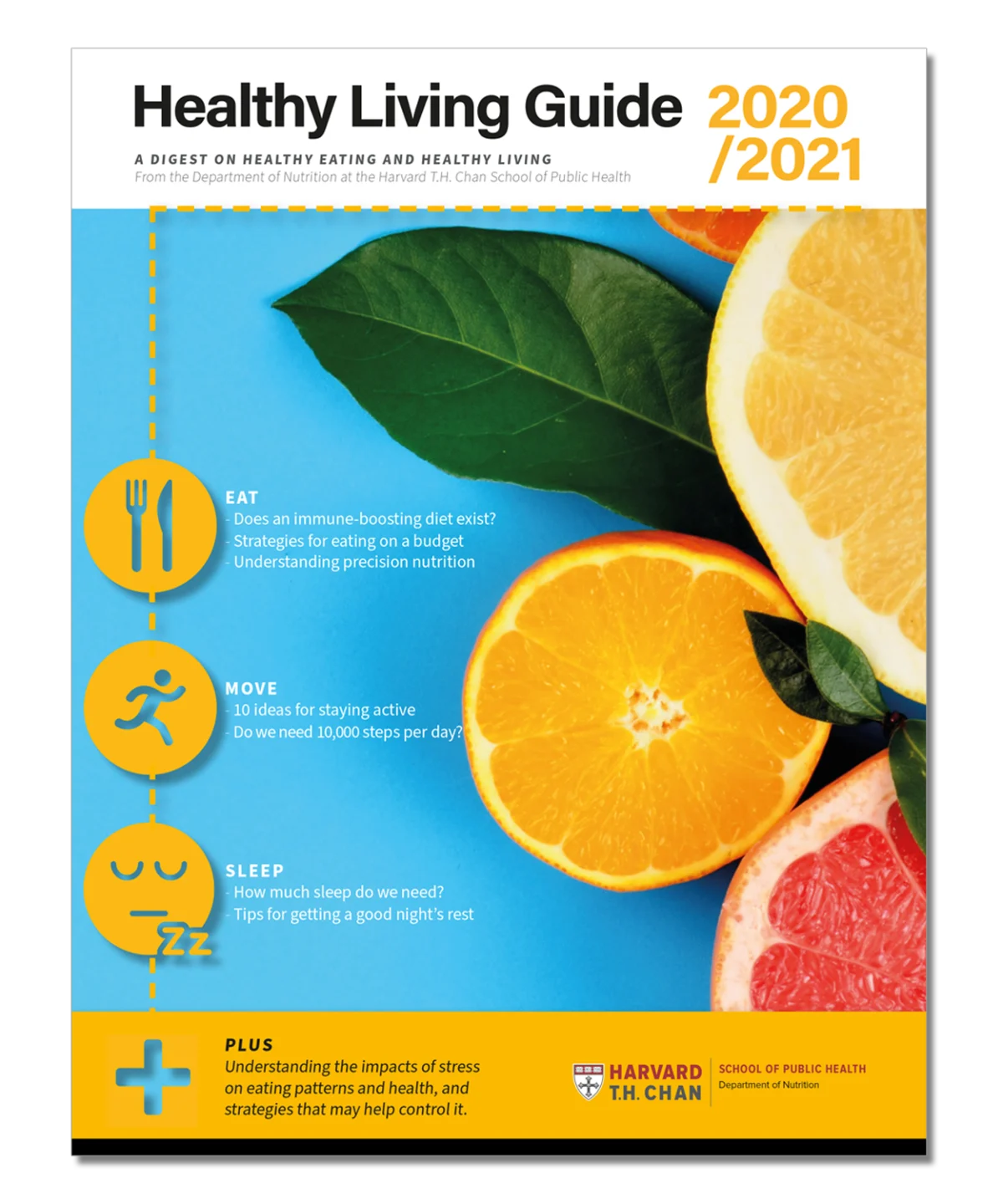
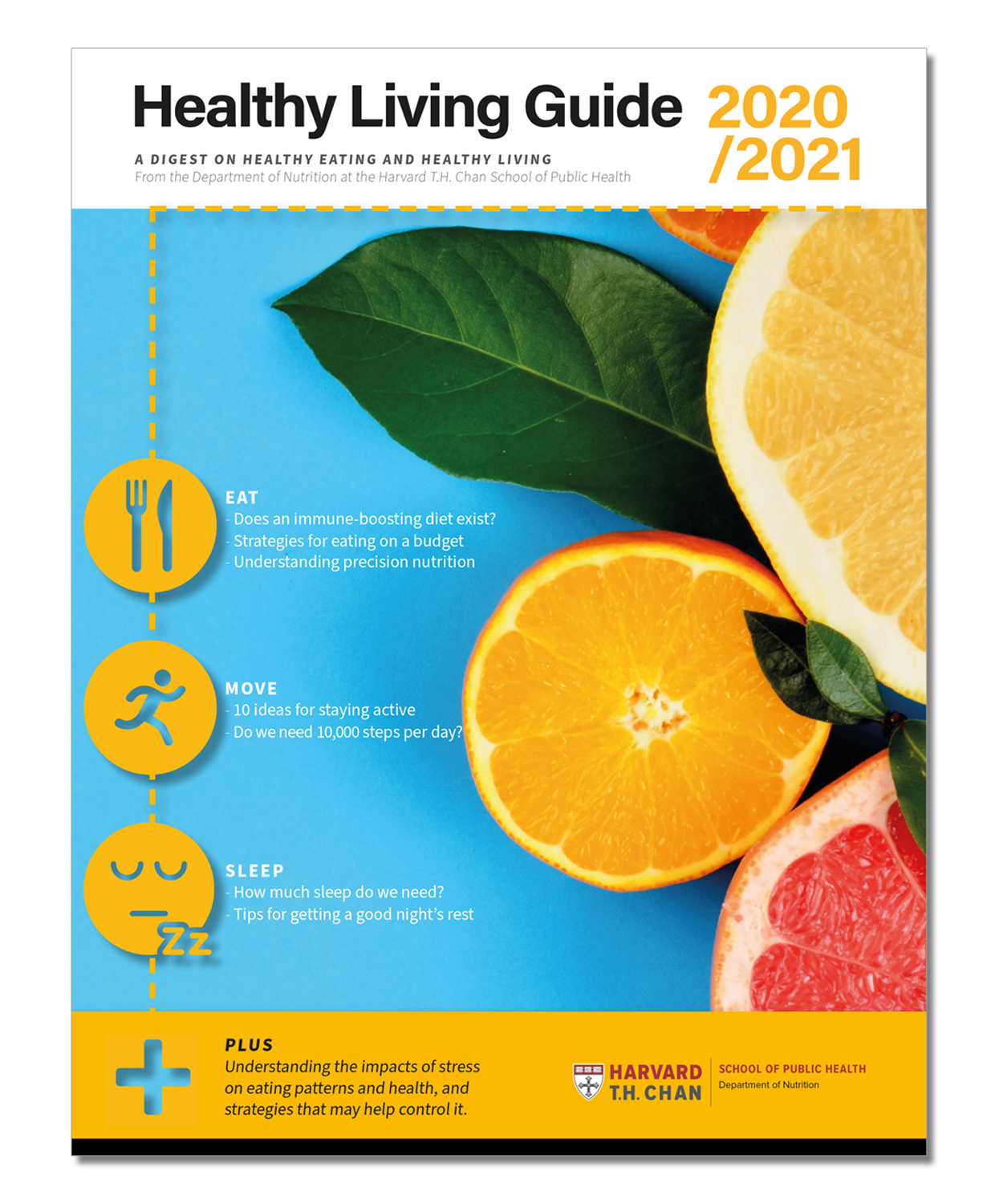
Recognizing that the consistent implementation of healthy habits can present considerable challenges, particularly amidst widespread societal disruption, resources have been developed to offer practical guidance and actionable strategies. The "Healthy Living Guide," a downloadable PDF resource, was created with the express purpose of empowering individuals to make positive changes. This initiative aims to provide accessible tips and frameworks designed to support the adoption and maintenance of healthy practices. In these particularly uncertain times, the guide encourages individuals to engage in healthy lifestyle choices to the best of their abilities, with the hope that the exploration of new recipes, the pursuit of physical activity, or the cultivation of a rewarding hobby can also serve as sources of solace and enjoyment.
The Healthy Living Guide offers a comprehensive collection of printable tip sheets and concise summaries, providing a convenient and digestible format for users. For those seeking deeper insights, the guide also provides direct links to a wealth of full online articles, allowing for more in-depth exploration of various health and wellness topics. This dual approach ensures that users can access information in a manner that best suits their learning preferences and time constraints.
Key Components of a Healthy Lifestyle
The foundational principles of healthy living, as emphasized in the guide and supported by extensive scientific literature, revolve around a synergistic interplay of diet, exercise, weight management, and the avoidance of harmful substances.
Nutritional Foundations for Well-being
A cornerstone of a healthy lifestyle is a diet rich in nutrient-dense foods. This entails prioritizing whole, unprocessed foods that provide essential vitamins, minerals, fiber, and antioxidants. The Harvard Healthy Eating Plate, a widely recognized visual guide, serves as an excellent model. It recommends filling half of one’s plate with fruits and vegetables, emphasizing a variety of colors to ensure a broad spectrum of nutrients. One quarter of the plate should be dedicated to whole grains, such as brown rice, quinoa, and whole wheat bread, which provide sustained energy and fiber. The remaining quarter should consist of healthy protein sources, including fish, poultry, beans, and nuts. Crucially, the guide also advises on limiting red meat and processed meats, and avoiding sugary drinks and refined carbohydrates, which offer little nutritional value and can contribute to adverse health outcomes.
The impact of diet on overall health is profound. For instance, a diet high in fruits and vegetables has been linked to a reduced risk of cardiovascular disease and certain types of cancer. Fiber, abundant in whole grains, fruits, and vegetables, plays a critical role in digestive health, blood sugar regulation, and cholesterol management. Conversely, diets high in saturated and trans fats, sodium, and added sugars are associated with an increased risk of obesity, type 2 diabetes, heart disease, and hypertension. The COVID-19 pandemic has further highlighted the importance of a well-nourished immune system, as individuals with pre-existing conditions, often exacerbated by poor dietary habits, have faced higher risks of severe illness.
The Indispensable Role of Physical Activity
Regular physical activity is another non-negotiable pillar of a healthy life. The recommended guidelines from organizations like the World Health Organization (WHO) suggest at least 150 minutes of moderate-intensity aerobic activity or 75 minutes of vigorous-intensity aerobic activity per week, along with muscle-strengthening activities at least two days a week. This can include brisk walking, jogging, swimming, cycling, dancing, and engaging in sports.
The benefits of exercise are multifaceted. It strengthens the cardiovascular system, improves lung capacity, helps maintain a healthy weight, reduces the risk of chronic diseases, enhances mood and cognitive function, and promotes better sleep. During periods of confinement or restricted movement, as experienced during the pandemic, finding creative ways to stay active became crucial. This included home-based workouts, online fitness classes, and incorporating more movement into daily routines, such as taking the stairs or engaging in active chores. The psychological benefits of exercise, particularly in mitigating stress and anxiety, have been invaluable during times of global uncertainty.
Maintaining a Healthy Body Weight
Achieving and maintaining a healthy body weight is a complex interplay of diet and physical activity. Body Mass Index (BMI) is often used as a screening tool, though it’s important to note its limitations. A healthy weight is generally associated with a BMI between 18.5 and 24.9. Being overweight or obese significantly increases the risk of developing a wide range of health problems, including heart disease, stroke, type 2 diabetes, certain cancers, and sleep apnea.
Weight management is not solely about aesthetics; it is fundamentally about metabolic health. Excess body fat, particularly visceral fat around the abdomen, can lead to insulin resistance, inflammation, and hormonal imbalances that contribute to chronic disease development. Sustainable weight management strategies focus on gradual, long-term lifestyle changes rather than quick fixes, emphasizing balanced nutrition and consistent physical activity.
Moderation in Alcohol Consumption and Smoking Cessation
The detrimental effects of excessive alcohol consumption and smoking are well-documented and represent significant risk factors for numerous health conditions. The guidelines for moderate alcohol consumption typically suggest up to one drink per day for women and up to two drinks per day for men. Excessive alcohol intake can lead to liver disease, heart problems, pancreatitis, various cancers, and can impair cognitive function and mental health.
Smoking remains one of the leading preventable causes of death worldwide. Tobacco smoke contains thousands of harmful chemicals, including carcinogens, that damage nearly every organ in the body. Smoking is a primary cause of lung cancer, heart disease, stroke, chronic obstructive pulmonary disease (COPD), and numerous other respiratory and cardiovascular ailments. The decision to quit smoking, regardless of the duration of the habit, yields immediate and long-term health benefits. Resources and support systems are widely available to assist individuals in their efforts to quit.
The "Healthy Living Bingo Challenge" Initiative
In an effort to make healthy living more engaging and accessible, particularly during challenging times, the "Healthy Living Bingo Challenge" was introduced. This innovative approach gamifies the process of adopting healthy habits, transforming them into a fun and achievable pursuit. The challenge typically involves a bingo card filled with various healthy activities, encouraging participants to check off squares as they complete them. This could include actions such as drinking eight glasses of water, eating five servings of fruits and vegetables, engaging in 30 minutes of exercise, or practicing mindfulness for 10 minutes.
The psychological impact of such challenges can be significant. By breaking down larger health goals into smaller, manageable steps, individuals can experience a sense of accomplishment and build momentum. The visual representation of progress on a bingo card can be highly motivating, fostering a sense of accountability and encouraging consistent effort. This approach can be particularly effective for individuals who find traditional health advice overwhelming or difficult to implement. The social aspect of participating in such challenges, whether individually or with family and friends, can also provide a valuable support system and enhance motivation.
Broader Implications and Future Outlook
The sustained impact of the COVID-19 pandemic has undeniably amplified the urgency for individuals and communities to prioritize health and well-being. The disruptions to healthcare systems, economic inequalities, and the psychological toll of the pandemic have underscored the vulnerability of populations with pre-existing health conditions. Investing in public health initiatives that promote healthy lifestyles, improve access to nutritious food, and encourage physical activity is no longer merely a matter of individual choice but a societal imperative.
The data unequivocally demonstrates that a commitment to healthy eating, regular exercise, weight management, and the avoidance of harmful substances can lead to not only extended lifespans but also significantly improved quality of life. By reducing the burden of chronic diseases, individuals can live more active, productive, and fulfilling lives, contributing to stronger and more resilient communities. As the world continues to adapt to the post-pandemic landscape, the principles of healthy living will remain a critical cornerstone for individual and collective well-being, paving the way for a healthier future. The availability of resources like the "Healthy Living Guide" and engaging initiatives such as the "Healthy Living Bingo Challenge" represent vital tools in empowering individuals on this essential journey toward optimal health.
