
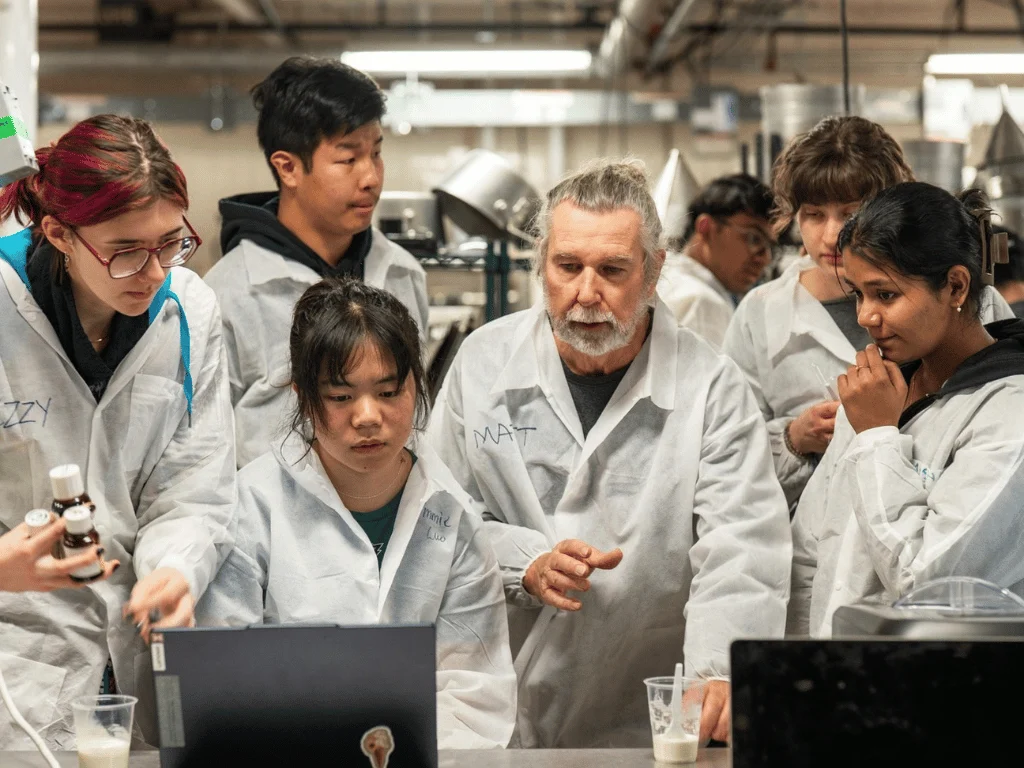
The University of Massachusetts Amherst has officially launched a sweeping $120 million Future of Food Initiative designed to overhaul research, development, and commercialization within the global agricultural and food sectors. Unveiled to address mounting climate pressures, shifting consumer demands, and population growth, the initiative will establish cutting-edge research and development hubs focused on novel proteins, sustainable food production, precision nutrition, and advanced food safety technologies.
The ambitious project relies on a multi-stakeholder funding model divided into four equal $30 million tranches. Contributions originate from PBM Capital CEO Paul Manning and his wife, Diane; the state of Massachusetts; the university itself; and the remainder slated for fundraising through the UMass Amherst Foundation. This public-private partnership highlights a growing recognition among academic, governmental, and commercial leaders that the modern food system requires immediate, systemic modernization to ensure long-term global food security.
A Structured Approach to Agrifood Innovation
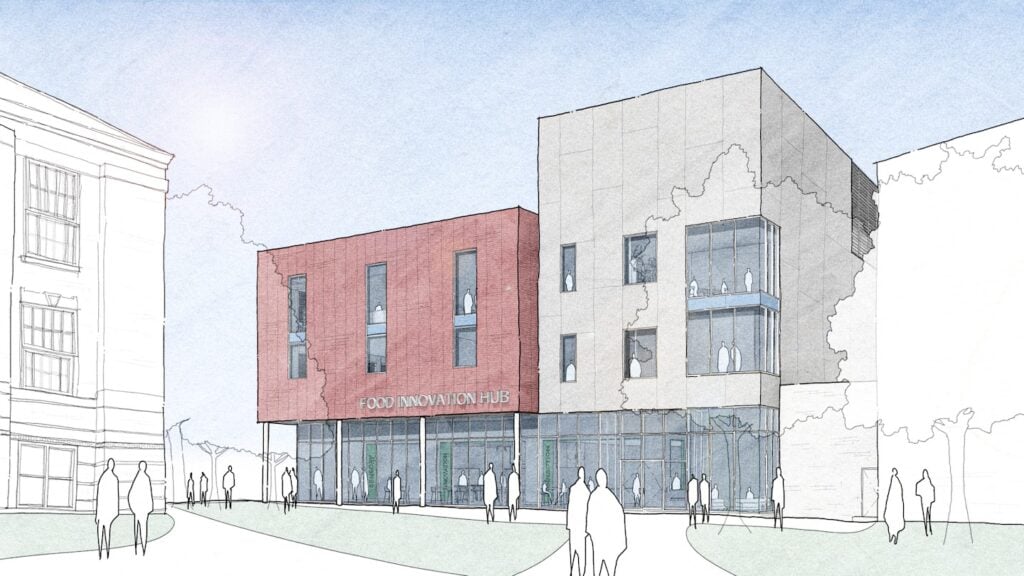
At the physical core of the initiative is the construction of the 36,000-square-foot Paul and Diane Manning Food Innovation Hub, projected to break ground in late 2027. Attached directly to the university’s existing Chenoweth Laboratory, the new facility will dramatically expand the institution’s capabilities in collaborative research, sustainable product development, sensory analysis, and consumer feedback testing.
The building’s infrastructure will house specialized spaces tailored to modern food science, including:
- Sensory testing laboratories for evaluating consumer preferences.
- Advanced innovation kitchens for rapid prototyping of food items.
- A food-grade pilot plant capable of scaling up production processes.
- Clinical testing facilities to study the direct health impacts of emerging food products.
- Demonstration kitchens to facilitate industry workshops and entrepreneurial training.
In tandem with the physical hub, the university is establishing the Center for the Future of Food (CFF). This organizational framework will bridge top-tier faculty across agricultural sciences, nutrition, and dining services with external industry partners. The CFF will leverage the translational research infrastructure of the Institute of Applied Life Sciences to tackle complex challenges ranging from soil cultivation, seed efficacy, and clean water management to food chemistry, security, and novel processing methods.
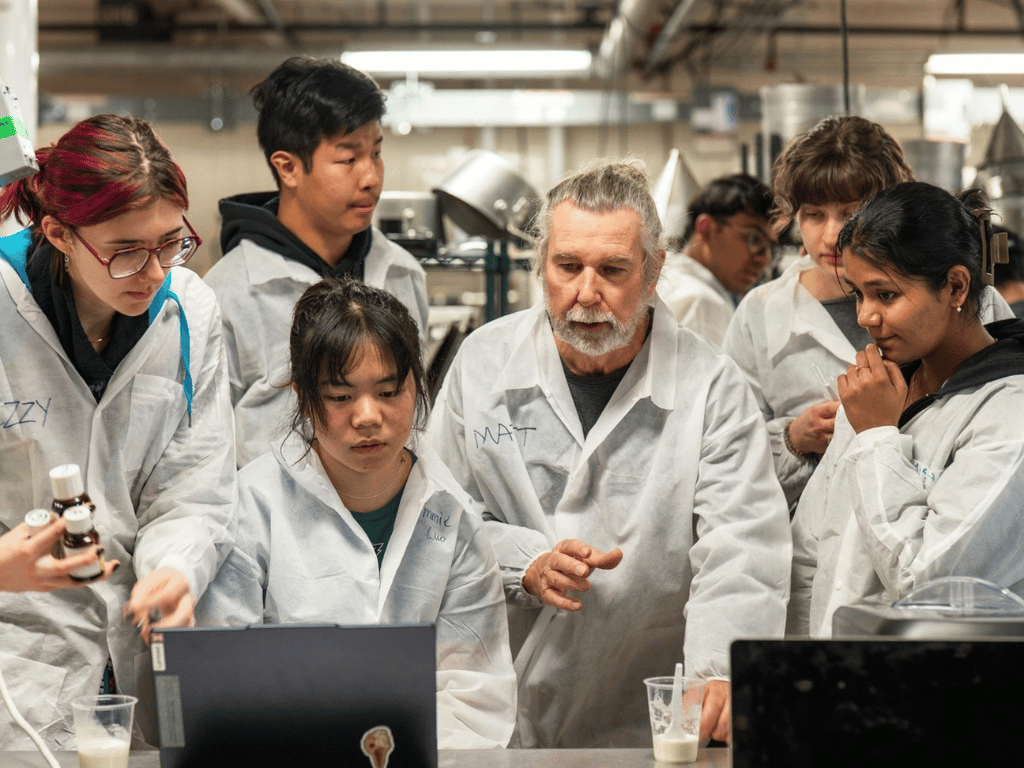
Furthermore, the funding package supports five permanent endowments—including a dedicated food science chair—alongside interdisciplinary professorships and a specialized catalyst fund designed to accelerate long-term, groundbreaking research and commercialization efforts.
Chronology and Strategic Development
The genesis of the Future of Food Initiative is the culmination of years of strategic planning within the Massachusetts agrifood ecosystem. While the formal launch establishes the comprehensive $120 million framework, the groundwork has been laid through regional economic studies and legislative actions over the past decade.
- 2024: The Commonwealth of Massachusetts demonstrates strong legislative support for the sector by pledging $2.2 billion toward climate technology and alternative proteins via the Economic Development Bill. Regional economic analyses, including a report by the Western Massachusetts Economic Development Council, formally designate food science, non-pharmaceutical biomanufacturing, and the broader food ecosystem as top economic growth priorities.
- Late 2026: UMass Amherst formally announces the $120 million Future of Food Initiative, backed by the second-largest philanthropic donation in university history from Paul and Diane Manning, alongside matching state and institutional funds.
- 2027 (Projected): Groundbreaking for the 36,000-square-foot Paul and Diane Manning Food Innovation Hub, marking the physical expansion of the university’s research capabilities.
- Beyond 2027: Full operational integration of the Center for the Future of Food, driving academic outputs, workforce development pipelines, and commercial spin-offs in the regional economy.
Stakeholder Perspectives and Official Reactions
The unprecedented financial backing and cross-sector collaboration have drawn praise from regional and academic leaders who view the initiative as a crucial step toward environmental and economic sustainability.
Massachusetts Governor Maura Healey emphasized the dual economic and societal benefits of the project during the announcement. "By bringing together researchers and partners across disciplines, this initiative will tackle some of the biggest challenges facing our food system, create new opportunities here in Massachusetts, and help build a safer, healthier, and more sustainable future," she stated.
University leadership similarly underscored the global and local significance of the undertaking. Marty Meehan, president of UMass Amherst, noted that the substantial philanthropic contribution from the Manning family reflects profound institutional confidence. "This historic donation will enable UMass Amherst to continue to lead the nation to find solutions to address the enormous challenges ahead, such as the impacts of climate change on agriculture, feeding a growing world population, and better addressing connections between nutrition and public health," Meehan said.
Mike Fox, dean of the College of Natural Sciences, pointed to the pressures of a changing environment. "With a changing environment and a growing global population, the future of food and agriculture is one of the most critical grand challenges facing our planet," Fox remarked. "UMass Amherst is preparing to lead the nation in providing innovative solutions to real-world problems associated with food production, food safety, food sustainability, and foods for health and wellness."
Broader Economic and Industrial Implications
The launch of the Future of Food Initiative arrives at a critical juncture for both the global food supply chain and the New England regional economy. The global food system faces a profound technological and operational transformation, driven by artificial intelligence, advanced automation, novel protein synthesis, precision nutrition, and sustainable packaging solutions like biofilms.
Locally, the stakes are exceptionally high. The agrifood sector accounts for approximately 45% of all food system sales and employment across New England, making UMass Amherst a vital engine for regional food security and workforce development. Unlike many industrial sectors that have stagnated, the agrifood cluster has demonstrated consistent growth in Massachusetts over the past ten years.
By investing heavily in research infrastructure, UMass Amherst aims to solidify the state’s position as a national leader in food technology. This initiative complements existing state-backed ventures, such as Tufts University’s Center for Cellular Agriculture and the newly opened Foodtech Engineering for Alternative Sustainable Technologies (FEAST) hub, which received backing from the state’s public innovation agency, MassTech.
Ultimately, the Future of Food Initiative is designed to generate far-reaching ripple effects across the regional economy. Beyond producing academic research and consumer products, the program is expected to incubate new startup businesses, support local agricultural producers, expand talent pipelines for specialized industries, and create mutually beneficial synergies with adjacent sectors such as advanced biomanufacturing, renewable energy, and sustainable animal feed production. As climate pressures mount and consumer expectations shift toward personalized nutrition and food-as-medicine paradigms, the investment positions Massachusetts at the vanguard of the next agricultural revolution.
