
The year 2022 marked a pivotal inflection point in the American public health discourse, characterized most notably by the Biden-Harris Administration’s White House Conference on Hunger, Nutrition, and Health. This landmark event, held in September, served as the first federal summit of its kind since the seminal 1969 conference that laid the groundwork for modern food assistance programs like the Special Supplemental Nutrition Program for Women, Infants, and Children (WIC). The modern iteration of the summit sought to address the systemic challenges of food insecurity and diet-related diseases—such as type 2 diabetes, obesity, and hypertension—with a stated goal of ending hunger and increasing physical activity across the United States by 2030.
A Historical Context of Federal Nutrition Policy
To understand the gravity of the 2022 conference, one must look back to the 1969 White House Conference on Food, Nutrition, and Health. That original summit was instrumental in shaping the American social safety net, leading to significant expansions of the Supplemental Nutrition Assistance Program (SNAP) and the creation of standardized school lunch programs. However, the nutritional landscape of the 21st century is vastly different from that of the late 1960s. Today, the challenge is not merely caloric insufficiency, but the prevalence of "hidden hunger"—the consumption of calorie-dense, nutrient-poor foods that contribute to chronic illness.
The 2022 strategy, unveiled shortly after the conference, serves as a blueprint for federal action. It identifies five core pillars: improving food access and affordability, integrating nutrition and health, empowering consumers to make healthy choices, supporting physical activity, and enhancing nutrition and food security research. By setting a deadline of 2030, the administration has introduced a degree of accountability rarely seen in federal nutrition policy.
The 2022 Chronology of Action
The momentum leading to the September summit began early in the year, with various task forces conducting regional listening sessions to gather public input. The conference itself acted as a focal point for interdisciplinary collaboration, bringing together policymakers, health advocates, private sector stakeholders, and academic researchers.
Following the conference, the administration released its National Strategy, which included several high-profile commitments. Among these was the promise to expand the reach of SNAP, broaden eligibility for free school meals, and explore the integration of medically tailored meals—nutrition-dense, doctor-prescribed diets—into Medicare coverage. These policy shifts are designed to treat food as a medical intervention, reflecting a growing consensus that nutrition is a fundamental determinant of health outcomes.
Critical Analysis and Expert Perspectives
While the administration’s roadmap has been lauded for its ambition, leading experts in the field of public health have pointed to significant gaps in the strategy. Drs. Frank Hu, Walter Willett, and Lilian Cheung of the Harvard T.H. Chan School of Public Health have been vocal in their critique. While they recognize the value of the conference as a catalyst for awareness, they argue that the current policy framework lacks the teeth required for systemic change.
One major omission noted by these experts is the absence of robust regulations regarding the marketing of ultra-processed foods to children. Despite the proliferation of digital advertising and its influence on youth consumption patterns, federal oversight remains limited. Furthermore, the experts emphasize that the strategy falls short in addressing the intersection of nutrition and climate change. As global food systems face threats from environmental instability, the researchers argue that any truly sustainable health policy must pivot toward regenerative agriculture and food systems that prioritize planetary health as much as human health.
The consensus among these public health leaders is that a sustainable future requires a "whole-of-society" approach. This includes:
- Public-Private Partnerships: Encouraging corporations to reformulate products to reduce sodium, added sugars, and saturated fats.
- Academic and Philanthropic Investment: Funding long-term research into the socio-economic drivers of dietary habits.
- Individual Empowerment: Providing citizens with the tools, such as the newly updated Healthy Living Guide, to make informed, incremental changes to their daily behaviors.
Supporting Data on the Nutrition Crisis
The urgency of these policy discussions is underscored by alarming health statistics. According to the Centers for Disease Control and Prevention (CDC), more than 40% of American adults are classified as obese, a figure that has risen steadily over the past two decades. The economic impact of diet-related chronic diseases is estimated to cost the U.S. healthcare system hundreds of billions of dollars annually.
Data from the U.S. Department of Agriculture (USDA) suggests that "food deserts"—areas where residents have limited access to affordable and nutritious food—remain a persistent barrier to healthy living. In many of these regions, the proximity to fast-food outlets far outpaces the availability of grocery stores stocking fresh produce. This structural inequality is a primary target of the administration’s strategy, which proposes investments in urban farming, mobile markets, and increased support for community-based food hubs.
Broader Implications for Public Health
The implications of the 2022 White House strategy extend beyond immediate policy implementation; they represent a fundamental shift in how the government defines the relationship between the individual, the state, and the food industry. By framing nutrition as a national security and public health priority, the administration is moving away from a purely voluntary, education-based model toward one that considers structural reform.
However, the efficacy of these policies remains subject to political and economic cycles. Achieving the 2030 targets will require sustained bipartisan support and the ability to navigate intense lobbying from the food and beverage industries. The history of nutrition policy in the United States is replete with instances where industry interests have successfully lobbied against stricter labeling requirements or taxes on sugary beverages. For the 2022 strategy to succeed where others have stalled, it must overcome these traditional legislative hurdles.
Practical Steps Toward Healthy Living
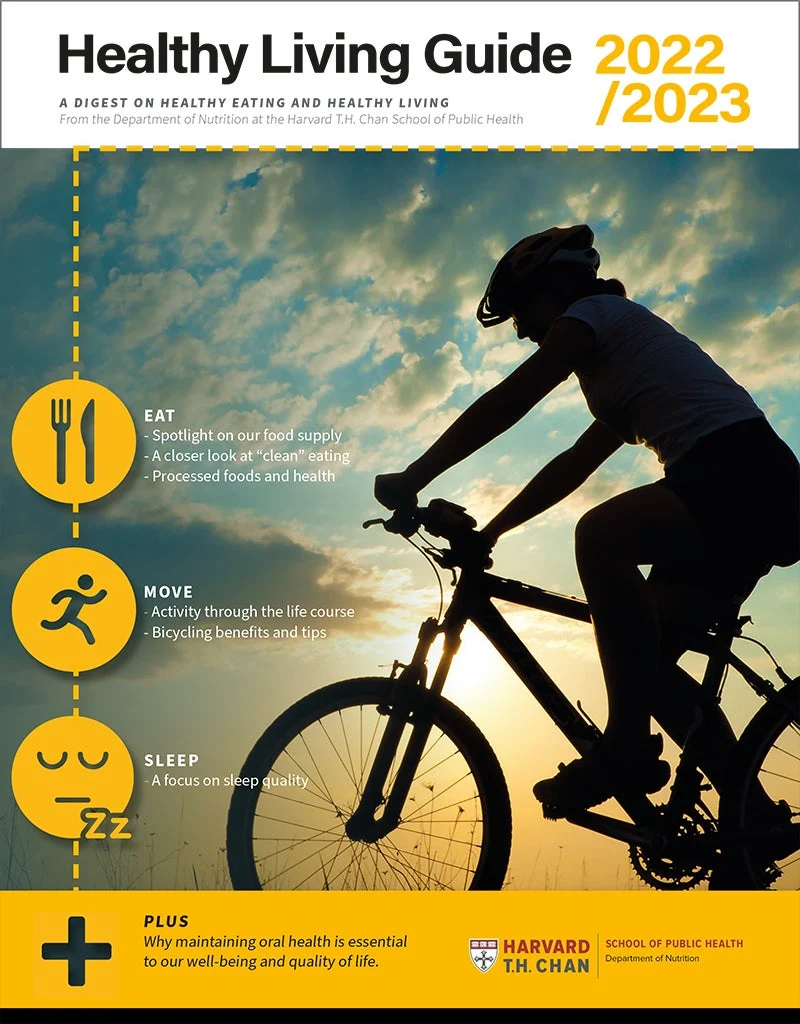
While the macro-level policy changes are pending, the responsibility for personal health remains a priority for the individual. The Harvard T.H. Chan School of Public Health has synthesized much of the latest research into its annual Healthy Living Guide. This resource emphasizes that health is not a destination but a process characterized by consistent, incremental improvements.
Key takeaways from the current guidance include:
- Dietary Diversification: Prioritizing whole grains, legumes, lean proteins, and a wide array of vegetables.
- Hydration and Caloric Awareness: Reducing the intake of sugar-sweetened beverages, which remain a leading contributor to excess calorie consumption.
- Physical Activity: Incorporating movement into daily routines, even in small increments, to support metabolic health.
- Mindful Consumption: Paying closer attention to food labels and understanding the impact of processed ingredients on long-term systemic inflammation.
The release of the 2022-2023 Healthy Living Guide provides a structured way for the public to engage with these findings. By offering printable tip sheets and actionable summaries, the guide serves as a bridge between high-level academic research and the practicalities of daily life.
Conclusion
The path toward a healthier nation is undoubtedly complex, requiring a synthesis of government action, scientific innovation, and individual commitment. As we move further into the decade, the 2022 White House Conference on Hunger, Nutrition, and Health will likely be viewed as the starting line for a necessary transformation in how the United States views its food supply.
While critics are right to point out the shortcomings in marketing regulation and climate-conscious planning, the existence of a formal, national strategy is, in itself, a significant achievement. The success of these initiatives will depend on the continued vigilance of public health experts and the willingness of policymakers to prioritize the long-term well-being of the population over short-term political or economic convenience. For now, the integration of health-conscious behaviors into everyday life remains the most immediate, effective strategy for those seeking to mitigate the risks of chronic, diet-related disease. As the 2030 deadline approaches, the collective effort to refine these policies and personal practices will define the future of American public health.
