
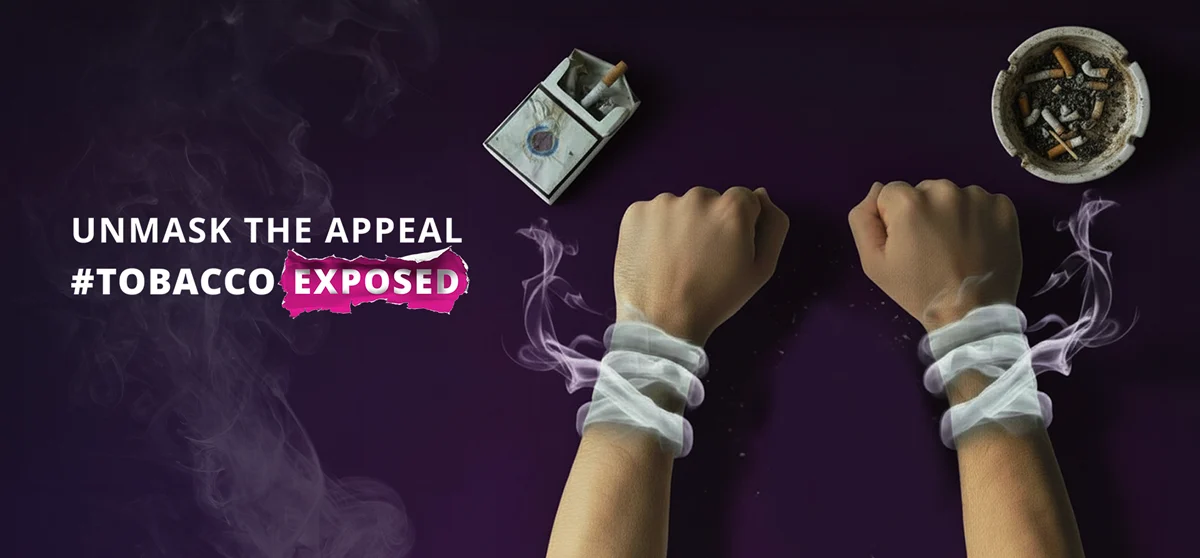
The World Health Organization (WHO) has issued a stark warning to the international community ahead of World No Tobacco Day on May 31, revealing that at least 40 million children aged 13 to 15 are currently using tobacco products globally. This alarming statistic is compounded by the rapid proliferation of e-cigarettes and nicotine pouches, which are increasingly finding their way into the hands of adolescents. The health body is calling upon governments to implement immediate and rigorous protections to prevent a new generation from falling into a lifelong cycle of nicotine addiction, citing a calculated shift in industry tactics that specifically targets younger demographics.
According to the WHO, the tobacco and nicotine industries have entered a phase of aggressive "reinvention." As traditional cigarette consumption faces mounting regulatory pressure and declining social acceptance in many regions, major corporations are pivoting toward "next-generation products." These include flavored e-cigarettes (vapes), heated tobacco products, and nicotine pouches. The WHO asserts that these products are not merely alternatives for adult smokers but are being deliberately engineered with flavors, sleek designs, and high nicotine concentrations to maximize appeal to minors and ensure rapid dependency.
The Strategic Pivot of the Tobacco Industry
Dr. Etienne Krug, Director of the Department of Health Determinants, Promotion, and Prevention at the WHO, highlighted the duality of the industry’s current business model. He noted that while traditional tobacco continues to claim millions of lives annually, companies are simultaneously pushing newer, high-tech nicotine delivery systems. These products are often marketed under the guise of "harm reduction," yet the WHO warns that their primary function is to hook the next generation of consumers.
The engineering of these products is a central concern for public health officials. Modern nicotine delivery systems often utilize nicotine salts, which allow for higher concentrations of the substance to be inhaled with less throat irritation. For an adolescent with a developing brain, this high-dosage exposure can lead to rapid neurological changes, making the addiction harder to quit than traditional combustible cigarettes. The WHO emphasizes that nicotine is a potent neurotoxin, particularly damaging to the prefrontal cortex—the area of the brain responsible for executive function, impulse control, and attention—which does not fully mature until the mid-20s.
The Rise of Nicotine Pouches and Regulatory Gaps
A significant portion of the WHO’s recent concern is directed at nicotine pouches, one of the fastest-growing segments in the global nicotine market. These small, white bags are placed between the lip and gum, requiring no combustion or vaporization, making them incredibly discreet and easy to use in environments where smoking or vaping is prohibited, such as schools.
A recent WHO report found that approximately 160 countries currently have no specific regulations in place for nicotine pouches. This legislative vacuum has allowed the industry to utilize "lifestyle branding" and social media influencers to reach millions of young people. By using bright, candy-like packaging and flavors such as strawberry, mint, and "blue razzle," companies mirror the tactics once used to market flavored cigarettes before those were banned in many jurisdictions. The lack of regulation means these products often bypass age-verification requirements, advertising bans, and health warning label mandates that apply to traditional tobacco products.
The surge in sales of these pouches is not accidental. Data suggests that influencer-led campaigns on platforms like TikTok and Instagram have been instrumental in normalizing nicotine use among Gen Z and Gen Alpha. By framing nicotine use as a trendy, high-tech habit rather than a health hazard, the industry has successfully bypassed many traditional public health barriers.
Historical Context and the 2026 World No Tobacco Day Awards
World No Tobacco Day was established by the WHO in 1987 to draw global attention to the tobacco epidemic and the preventable death and disease it causes. Over the decades, the focus has shifted from the health risks of smoking to the environmental impact of tobacco farming, and now, to the digital and chemical frontiers of nicotine addiction.
On May 19, 2026, the WHO recognized global leaders who have successfully countered these sophisticated industry tactics. The 2026 World No Tobacco Day Awards celebrated individuals and organizations that have implemented bold tobacco control measures. These awards serve as a reminder that while the industry is innovative, public health policy can be equally adaptive. The recognized efforts often include the implementation of the WHO Framework Convention on Tobacco Control (FCTC), a global treaty designed to reduce both the supply and demand for tobacco.
Local Success Stories: The Case of Rio de Janeiro
While national policies are essential, the WHO highlighted the city of Rio de Janeiro, Brazil, as a gold standard for local intervention. Rio de Janeiro has taken a proactive stance against the "vaping epidemic" by intensifying enforcement of existing bans on e-cigarette sales and advertising.
The city’s strategy involved a multi-pronged approach:
- Coordinated Inspections: Hundreds of inspections were conducted across retail outlets to ensure compliance with smoke-free and vape-free laws.
- Legislative Updates: The city strengthened its local legislation to explicitly include all forms of nicotine delivery, ensuring that e-cigarettes and pouches were not hidden in legal loopholes.
- Public Awareness: Large-scale campaigns were launched to educate parents and educators about the discreet nature of new nicotine products, dismantling the industry’s "harmless" narrative.
This localized effort demonstrates that even in the face of global marketing campaigns, rigorous enforcement at the municipal level can significantly curb the availability and social normalization of nicotine products among youth.
Global Health and Economic Implications
The human cost of tobacco use remains staggering. Tobacco kills more than 7 million people every year, making it a leading cause of preventable death. It is a primary driver of non-communicable diseases (NCDs), including cardiovascular diseases, chronic respiratory illnesses, and over 20 different types of cancer.
Beyond the health toll, the economic impact is profound. The global economy loses trillions of dollars annually due to healthcare expenditures related to tobacco-induced illnesses and the loss of productivity caused by premature death and disability. In low- and middle-income countries, where the tobacco industry is currently focusing its most aggressive expansion efforts, these costs can cripple already strained healthcare systems and trap families in cycles of poverty.
The WHO analysis suggests that the current trend of youth nicotine use will lead to a "double burden" for future healthcare systems: managing the long-term effects of traditional tobacco use while simultaneously addressing the emerging health complications of long-term e-cigarette and pouch use, many of which are still being studied.
Strategic Recommendations for Governments
To combat this rising tide of addiction, the WHO recommends a comprehensive set of policy interventions. These "MPOWER" measures, developed by the WHO, have been proven to reduce tobacco use:
- Flavor Bans: Removing candy, fruit, and dessert flavors that are primary drivers of youth initiation.
- Plain Packaging: Mandating standardized, unappealing packaging for all nicotine products to eliminate lifestyle branding.
- Total Advertising Bans: Prohibiting all forms of advertising, promotion, and sponsorship, including "stealth marketing" via social media influencers.
- Vape-Free Public Spaces: Expanding smoke-free laws to include e-cigarettes and all nicotine products to protect non-users and de-normalize use.
- Taxation: Increasing taxes on all nicotine products to make them less affordable for minors.
Conclusion: A Call to Action for May 31
As May 31 approaches, the WHO is calling on the world’s estimated 1 billion tobacco and nicotine users to take the first step toward quitting. The organization has provided a "Quitting Toolkit" to assist individuals in breaking free from addiction.
However, the primary message of World No Tobacco Day 2026 is one of protection. The WHO underscores that the responsibility of ending the tobacco epidemic cannot rest solely on the individual. It requires a systemic dismantling of the predatory marketing structures that target children. Without immediate intervention to regulate nicotine pouches and e-cigarettes with the same rigor as traditional cigarettes, the progress made in tobacco control over the last three decades risks being entirely undone. The goal is clear: to ensure that the 40 million children currently using tobacco do not become a permanent statistic in the global death toll of 7 million people per year.
