
Achieving the perfect hairstyle is rarely a matter of luck; it is a calculated grooming ritual that relies heavily on selecting the correct styling agent. While the "effortless" look sported by silver-screen icons often suggests a lack of maintenance, the reality is that such results are typically achieved through the application of high-quality pomades. As the men’s grooming market continues to expand—projected to reach a global valuation exceeding $80 billion by the end of the decade—the sheer volume of available hair products can be overwhelming. Choosing between water-based versus oil-based formulas, or matte versus high-shine finishes, requires a foundational understanding of hair biology and product chemistry.

The evolution of hair pomades reflects broader shifts in men’s fashion. Historically dominated by heavy, petroleum-based greases popularized in the mid-20th century, the modern market has pivoted toward sophisticated, water-soluble formulas that offer superior hold without the long-term buildup associated with traditional mineral oil products. Today’s grooming standards prioritize scalp health, ingredient transparency, and ease of use, with top-tier brands integrating conditioning agents like aloe, keratin, and botanical extracts to ensure that hair remains healthy even under the stress of daily styling.
Understanding the Mechanics of Modern Hair Styling
To select the appropriate product, one must first categorize their hair type and desired aesthetic. Hair texture—whether fine, medium, or coarse—dictates the viscosity and hold required. Fine hair, which lacks diameter and density, is prone to being weighed down by heavy waxes, whereas thick, unruly hair requires a product with a higher concentration of emulsifiers to maintain structural integrity throughout a sixteen-hour day.

The hold of a pomade is categorized generally as light, medium, or strong. A light hold is suitable for those seeking a natural, textured look where movement is desired, while a strong hold is essential for structured styles such as the classic pompadour, the side part, or the contemporary textured crop. Furthermore, the finish—ranging from high-gloss to matte—defines the character of the hairstyle. High-shine products reflect light, creating a slick, polished appearance often associated with formal wear. Conversely, matte finishes absorb light, providing a "no-product" look that is currently the industry standard for casual and professional settings alike.
Top Tier Selections: A Comparative Analysis
Market research and consumer sentiment analysis highlight ten standout products that dominate the current grooming landscape. Each has been evaluated based on ingredient efficacy, versatility, and performance longevity.

Blind Barber 90 Proof Pomade currently stands as the benchmark for versatility. By utilizing hops—a byproduct of the brewing process—the formula provides natural thickening properties. Its paste-like consistency allows for a firm, matte hold that does not result in the "crunch" often associated with hair gels. It is specifically formulated to be water-soluble, ensuring that residue is easily removed during a standard shower, which is a critical consideration for those concerned with long-term scalp health.
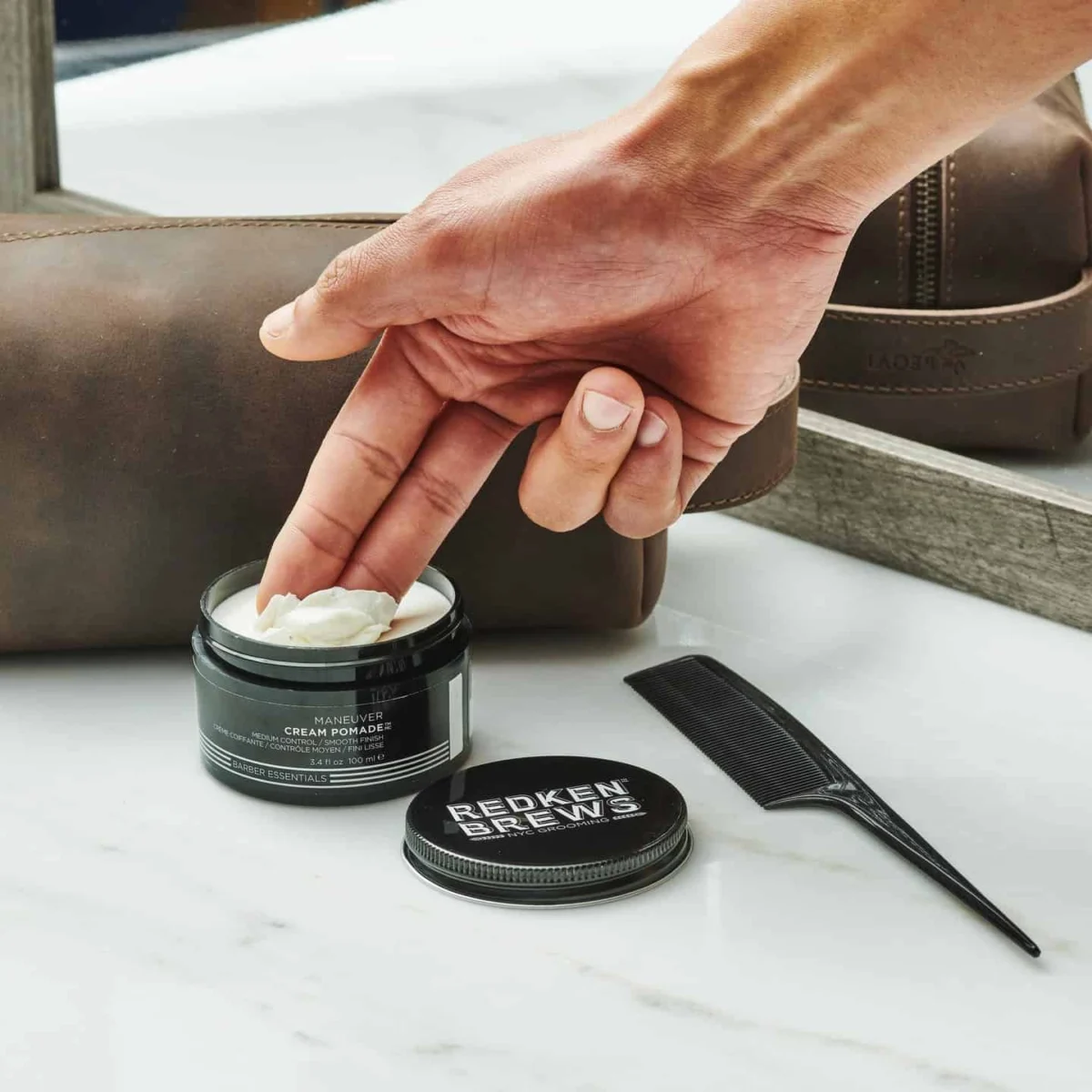
For those requiring a daily driver, Redken Brews Cream Pomade offers a balanced, medium-hold solution. This product is frequently recommended for men with medium-density hair who prefer a flexible, volumized finish. Because it is cream-based rather than wax-based, it allows for easy restyling throughout the day, making it ideal for the active individual who transitions from the office to the gym.

Fine-haired individuals often find success with Malin + Goetz Hair Pomade. Unlike many of its competitors, this product is designed to provide "piecey" texture and separation without stickiness. It emphasizes a natural finish, making it a staple for those who avoid the aesthetic of heavy styling products entirely.
For the luxury segment, the Kerastase Genesis Homme range offers a sophisticated approach to thinning hair. Utilizing creatine and ginger root, this styling wax does more than just hold hair in place; it promotes density and fortifies the hair shaft against breakage. It represents the intersection of high-end skincare technology and traditional barbering.

The professional, high-control segment is occupied by Layrite Superhold and Upper-Cut Deluxe. Layrite’s offering is a favorite for those with coarse, curly, or unruly hair that defies standard products. It provides a firm hold that remains malleable. Upper-Cut Deluxe, meanwhile, is the gold standard for water-based, high-shine products. It is the preferred choice for those maintaining vintage-inspired hairstyles, such as classic slick-backs, where shine is a functional requirement.
Budget-conscious consumers continue to rely on American Crew, which has maintained its market share through consistent performance and accessibility. Its medium-hold pomade remains one of the most widely used products in professional barbershops, serving as a reliable entry point for those beginning their journey into hair styling.

Buying Considerations and Scientific Context
When purchasing a pomade, the ingredient list is the most accurate indicator of performance. Consumers are increasingly moving away from synthetic parabens and sulfates, looking instead for natural oils and proteins. Ingredients like mango butter and aloe leaf juice, found in products like Shear Revival’s Crystal Lake, provide deep conditioning that prevents the hair from drying out—a common side effect of lesser-quality synthetic pomades.
Chronologically, the transition from oil-based to water-based formulas has been the most significant development in the last decade. Oil-based pomades, while traditional, require specific shampoos or degreasers to remove completely. If left in the hair, they can clog follicles and contribute to breakouts along the hairline. Modern water-based formulas, however, have reached a level of technological maturity where they can mimic the shine and hold of oil-based products without the associated maintenance difficulties.

The Role of Professional Barbering in Product Development
The rise of the "modern barber" has played a pivotal role in the refinement of these products. Professional stylists emphasize that the application technique is as important as the product itself. Applying pomade to damp hair generally results in a higher-shine, more controlled finish, while applying it to dry hair offers a more textured, matte look with increased volume.
The industry has responded to this by creating products that are "reworkable," meaning they contain specific polymers that do not fully harden. This allows the wearer to correct their hair after wearing a hat or participating in physical activity. This flexibility is a hallmark of the 2026 grooming standards, reflecting a move toward convenience and efficiency.

Broader Implications and Future Trends
The implications of these advancements are clear: men are taking an increasingly proactive role in their personal care. This is not merely a trend of vanity but a shift in the standard of professional appearance. As corporate dress codes become more fluid, the hair styles permitted in professional environments have expanded to include more creative, textured, and expressive cuts.
Looking toward the remainder of 2026, we expect to see further integration of skincare-grade ingredients into styling pomades. Brands are already experimenting with UV-protective agents and anti-pollution barriers that protect hair from environmental stressors. The ultimate goal is a product that serves as a multi-functional tool—a styling agent that simultaneously acts as a leave-in conditioner and a protective shield.

Final Assessment
Choosing the right pomade is an individual process that requires balancing hair biology with personal aesthetic goals. For the majority of users, the Blind Barber 90 Proof remains the most versatile recommendation, offering a balance of performance, ease of use, and price. However, those with specific needs—such as fine hair, extreme texture, or a preference for high-gloss finishes—should look to the specialized offerings from Kerastase, Layrite, or Upper-Cut.
As the market continues to evolve, consumers are encouraged to prioritize products that offer transparency in their ingredient lists and support hair health. Whether one is maintaining a classic pompadour or a modern, textured crop, the correct pomade remains the foundational element of a well-curated appearance. By understanding the interaction between product chemistry and hair type, the average consumer can transition from basic maintenance to mastering a refined, professional grooming routine.
