
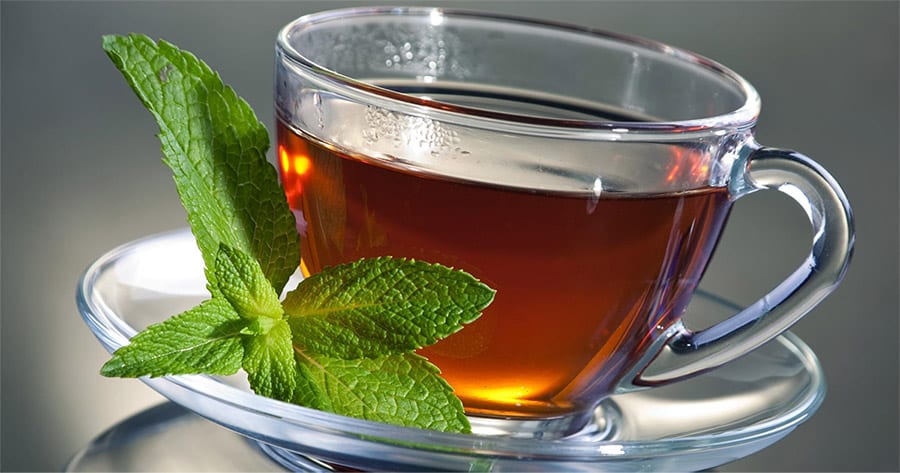
Polycystic Ovary Syndrome (PCOS) remains one of the most common endocrine disorders affecting individuals of reproductive age, impacting an estimated 6 to 12 percent of women globally. Characterized by hormonal imbalances, metabolic dysfunction, and ovulatory irregularities, the condition often presents a complex clinical management challenge. Patients frequently navigate a myriad of symptoms, including hyperandrogenism—manifested as hirsutism, acne, and alopecia—alongside insulin resistance, chronic fatigue, and cognitive fog. While conventional pharmacological interventions such as oral contraceptives, anti-androgens, and insulin-sensitizing agents like metformin are standard, a growing segment of patients and medical practitioners are exploring adjunctive, plant-based therapies. Among these, spearmint (Mentha spicata) tea has emerged as a subject of significant scientific inquiry due to its documented anti-androgen and antioxidant properties.
Background Context and Hormonal Mechanisms
The exploration of spearmint as a therapeutic agent for hyperandrogenism stems from its biochemical profile. As a member of the Lamiaceae family, spearmint contains high concentrations of polyphenols and essential oils, notably carvone and menthone, which researchers theorize influence endocrine pathways. In the context of PCOS, the primary pathological driver is an excess of circulating androgens, primarily testosterone, produced by the ovaries and adrenal glands. This hormonal surplus disrupts normal follicular development, leading to anovulation, irregular menses, and the physical manifestations of hyperandrogenism.
For decades, herbal remedies have been utilized in traditional medicine systems to address female reproductive health. However, recent clinical investigations have sought to substantiate these historical practices with empirical data. The intersection of phytotherapy and endocrinology has provided a clearer framework for understanding how dietary interventions, such as regular consumption of spearmint tea, can systematically alter hormonal parameters without the heavy side effect profile often associated with synthetic hormone therapies.
Chronology of Clinical Findings

The scientific validation of spearmint tea as an endocrine modulator gained momentum with landmark clinical trials conducted over the past two decades. In 2009, a pivotal randomized controlled trial investigated the effects of spearmint herbal tea on women diagnosed with PCOS. Over a 30-day intervention period, participants were divided into two cohorts: one consuming spearmint tea twice daily, and a control group consuming a placebo herbal infusion.
The findings of this trial indicated a statistically significant reduction in both free and total testosterone levels among the participants in the spearmint group. Furthermore, the study observed a compensatory increase in luteinizing hormone (LH) and follicle-stimulating hormone (FSH). Although objective clinical scoring of hirsutism did not show a marked physical transformation within the brief one-month timeframe, subjective reporting from patients indicated a perceived reduction in unwanted hair growth.
Subsequent dermatological research expanded upon these endocrine findings. A notable 2015 study published through dermatological research channels evaluated the efficacy of organic spearmint tea consumption on inflammatory acne lesions. The trial demonstrated that individuals ingesting two cups of spearmint tea daily experienced a 25 percent reduction in inflammatory lesions after one month, which progressed to a 51 percent reduction by the three-month mark. These temporal markers established a clearer timeline for patient expectations, suggesting that while biochemical changes occur relatively quickly, visible dermatological improvements require sustained, long-term adherence.

Metabolic Implications and Insulin Resistance
Beyond its anti-androgenic effects, PCOS is intimately linked with metabolic complications, most notably insulin resistance and compensatory hyperinsulinemia. Up to 70 percent of women with PCOS exhibit some degree of insulin resistance, which independently exacerbates ovarian androgen production and elevates the long-term risk of developing type 2 diabetes mellitus.
While comprehensive human clinical trials specifically targeting insulin resistance via spearmint tea remain limited, preclinical animal studies provide mechanistic insights. Research evaluating aqueous extracts of Mentha spicata in diabetic rodent models has demonstrated notable hypoglycemic and hypocholesterolemic effects. Scientists postulate that the antioxidant compounds present in spearmint help mitigate systemic oxidative stress—a factor heavily implicated in impaired insulin signaling pathways. By reducing oxidative burden and supporting metabolic regulation, regular consumption of the herbal infusion may serve a supportive role in comprehensive metabolic management plans for prediabetic PCOS patients.

Cognitive and Antioxidant Benefits
Clinical manifestations of PCOS extend beyond the reproductive and dermatological systems, frequently encompassing neurological and psychological symptoms. Many patients report chronic fatigue, diminished concentration, and subjective cognitive impairment, often colloquially referred to as "brain fog." These neurological hurdles are compounded by elevated systemic inflammation and chronic psychological stress.
Investigative studies focusing on spearmint extracts rich in rosmarinic acid have shed light on potential cognitive enhancements. A multi-week clinical evaluation involving subjects with age-associated memory impairment revealed that daily supplementation with spearmint extract significantly improved working memory, spatial recognition, and sustained attention compared to a placebo group. While these specific cognitive trials utilized concentrated extracts rather than standard brewed tea, the underlying botanical constituents remain consistent. Additionally, the potent antioxidant capacity of spearmint aids in neutralizing reactive oxygen species, thereby offering cellular protection against the heightened oxidative stress characteristic of polycystic ovary syndrome.
Preparation, Dosage, and Administration
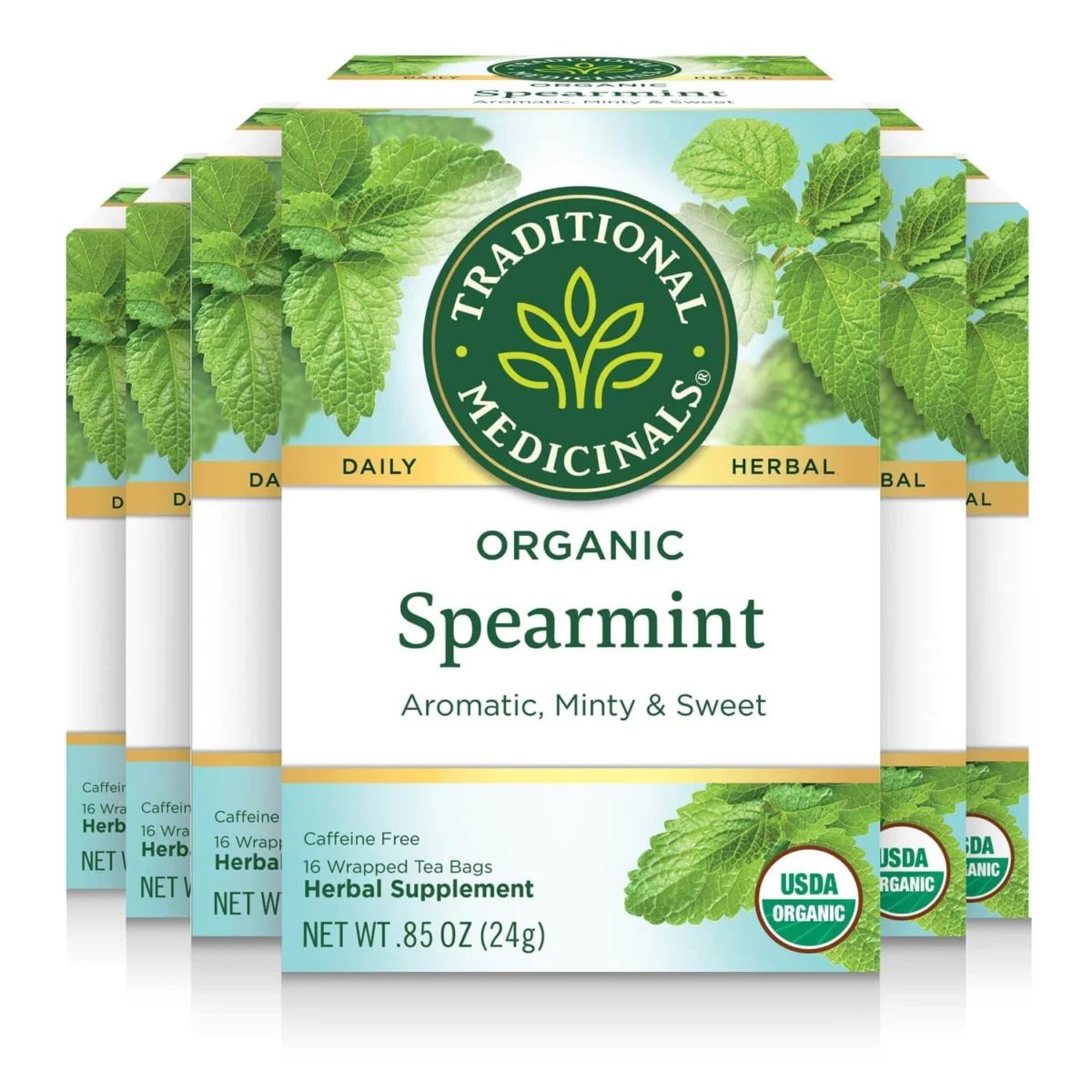
Translating clinical findings into practical daily routines requires careful consideration of preparation methods and dosage standardization. Botanical literature and clinical trial protocols typically recommend a standardized intake of two cups of spearmint tea per day to achieve the hormonal parameters observed in research settings.
Preparation generally involves steeping approximately one gram of dried spearmint leaves—or a standard tea bag—in roughly 12 ounces of freshly boiled water. Allowing the mixture to steep covered for 10 to 15 minutes ensures the optimal extraction of volatile oils and water-soluble polyphenols. The beverage can be consumed either hot or iced, depending on individual preference, without diminishing the active botanical compounds. For those with access to fresh produce, cultivating Mentha spicata domestically via seeds or starter plants offers a sustainable alternative to commercially packaged infusions.

Safety Profile, Cautions, and Contraindications
Despite its classification as a natural dietary beverage, spearmint tea is pharmacologically active and warrants careful integration, particularly for individuals with pre-existing medical conditions. Gastrointestinal tolerance varies among patients; overconsumption of concentrated spearmint extracts has occasionally been associated with mild gastric upset. Furthermore, individuals diagnosed with gastroesophageal reflux disease (GERD) are generally advised to exercise caution or avoid mint-based products entirely, as relaxant effects on the lower esophageal sphincter can exacerbate acid reflux symptoms.
Medical professionals also emphasize precautionary measures for specific populations. Pregnant and breastfeeding women should consult their primary healthcare providers prior to introducing therapeutic quantities of spearmint tea or supplements into their diets, due to a lack of comprehensive safety data regarding embryonic and neonatal development. Similarly, patients currently managing hormone-sensitive conditions or pharmaceutical regimens should seek formal medical guidance to prevent potential pharmacological interactions.
Integration into Comprehensive PCOS Management
The integration of spearmint tea into a PCOS management regimen represents a low-risk, patient-administered adjunctive strategy. However, healthcare specialists consistently underscore that botanical infusions should not replace comprehensive medical care. Effective management of PCOS typically requires a multidisciplinary approach, combining dietary modifications, structured physical activity, targeted pharmacological treatments, and regular endocrine monitoring.
As research continues to bridge the gap between traditional herbal practices and modern evidence-based medicine, spearmint tea stands out as a scientifically supported, accessible dietary tool. By addressing specific pathways of hyperandrogenism, mitigating oxidative stress, and offering potential dermatological benefits, it provides a viable complementary option for patients seeking holistic avenues to navigate the multifaceted challenges of polycystic ovary syndrome.
