

Polycystic Ovary Syndrome (PCOS) affects an estimated 8 to 13 percent of reproductive-aged women globally, making it one of the most common endocrine disorders. Despite its prevalence, clinical management often remains challenging, relying heavily on symptom suppression through oral contraceptives, insulin-sensitizing medications like Metformin, and lifestyle interventions. In recent years, healthcare practitioners and researchers within communities such as PCOS Foodies have increasingly turned their attention toward dietary frameworks that address the root physiological drivers of the condition rather than merely treating surface symptoms. Among these, the traditional Mediterranean diet has emerged as a subject of significant scientific interest.
Recent clinical literature suggests that while research specifically tailored to PCOS and Mediterranean nutrition was once limited, existing studies increasingly validate its efficacy. The dietary pattern—characterized by a high intake of fresh fruits, vegetables, whole grains, legumes, nuts, and extra virgin olive oil, paired with moderate consumption of fish and minimal reliance on processed foods and red meat—offers multifaceted benefits. Medical experts note that adopting this eating style can help mitigate chronic low-grade inflammation, improve type 2 diabetes risk markers, optimize gut microbiome diversity, and enhance overall fertility outcomes for women navigating PCOS.
Understanding the Physiological Impetus: Chronic Inflammation and Insulin Resistance
To comprehend why the Mediterranean diet is uniquely suited for managing PCOS, one must examine the core pathological mechanisms of the syndrome. Clinical data indicates that between 50 and 70 percent of women with PCOS suffer from underlying insulin resistance. When cells fail to respond effectively to insulin, the pancreas compensates by producing higher quantities of the hormone. This hyperinsulinemia triggers the ovaries to overproduce androgens, primarily testosterone, which in turn leads to classic clinical manifestations such as hirsutism, acne, irregular menstrual cycles, and difficulties with weight management. Furthermore, elevated insulin levels and hormonal imbalances stimulate systemic, chronic low-grade inflammation, elevating long-term risks for cardiovascular disease, stroke, and non-alcoholic fatty liver disease (NAFLD). In fact, epidemiological data highlights that approximately 33 percent of women with PCOS ultimately meet the diagnostic criteria for metabolic syndrome.
Nutritional science demonstrates that the Mediterranean diet directly counters these metabolic disruptions. Rich in monounsaturated fatty acids—primarily from extra virgin olive oil—and polyunsaturated omega-3 fatty acids from fish, the diet exerts powerful anti-inflammatory effects. Research published in endocrinology journals confirms that adherence to Mediterranean nutritional patterns significantly reduces systemic inflammatory markers, including C-reactive protein (CRP). By dampening this inflammatory cascade, insulin receptor sensitivity improves, facilitating better blood glucose regulation and lowering fasting insulin levels without relying solely on pharmaceutical intervention.
Impact on Fertility and Reproductive Health
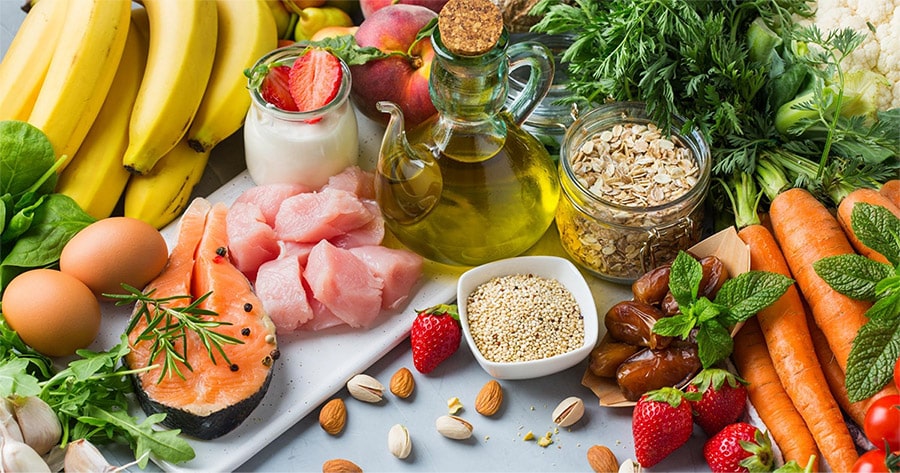
Infertility remains one of the most distressing complications for women diagnosed with PCOS, as anovulation prevents regular egg release. Clinical investigations published in prominent reproductive journals, including Human Reproduction, have highlighted a strong correlation between dietary patterns and assisted reproductive technology (ART) success.
A landmark study evaluating non-obese women undergoing fertility treatments found that those who strictly adhered to a Mediterranean-style diet experienced a 65 to 68 percent higher likelihood of achieving a successful clinical pregnancy and live birth compared to participants with low adherence. Researchers attribute this success to the abundance of antioxidants, vitamins, and high-quality fats found in plant-based produce, legumes, and fish, which collectively improve oocyte quality and uterine receptivity. Additionally, secondary analyses suggest that male partners who adopt similar dietary patterns also exhibit improvements in semen quality, presenting a dual-benefit nutritional strategy for couples trying to conceive.
Hormonal Balance and Endocrine Regulation
Elevated androgen levels are a hallmark diagnostic feature of PCOS, driving physical symptoms that profoundly impact patients’ quality of life. Clinical studies investigating dietary impacts on hormonal profiles have identified a direct link between Mediterranean nutrition and testosterone reduction.
Because the diet prioritizes omega-3-rich foods—such as wild-caught fish, walnuts, and flaxseeds—it modulates lipid profiles and suppresses the synthesis of androgens. Clinical observations evaluating women with PCOS note that individuals who deviate farthest from a Mediterranean dietary pattern consistently display higher circulating free testosterone levels. Conversely, incorporating these healthy fats helps normalize androgen levels, gradually reducing symptoms like unwanted facial hair growth and scalp hair thinning over time.
Broader Metabolic Implications: Gut Health and Liver Function
The therapeutic reach of the Mediterranean diet extends beyond reproductive hormones into gastroenterology and hepatology. Emerging microbiome research reveals that women with PCOS frequently exhibit reduced gut microbial diversity compared to healthy controls, a disparity linked to systemic inflammation and metabolic dysfunction. The high fiber content found in the vegetables, whole grains, and legumes native to the Mediterranean diet acts as a powerful prebiotic, fostering a diverse and resilient gut microbiome that supports optimal metabolic and immune function.
Moreover, women with PCOS face an elevated susceptibility to non-alcoholic fatty liver disease (NAFLD), driven largely by insulin resistance and visceral adiposity. Clinical intervention studies examining patients with NAFLD demonstrate that adhering to a Mediterranean dietary framework for 12 months significantly reduces hepatic fat accumulation and improves insulin sensitivity, independent of significant weight loss. This positions the diet as an invaluable clinical tool for protecting long-term hepatic and cardiovascular health.
Contrasting the Mediterranean Diet with the Standard Western Diet
To fully appreciate the clinical benefits of the Mediterranean approach, nutritionists frequently contrast it with the standard Western diet. Typical Western dietary patterns are heavily skewed toward ultra-processed foods, refined carbohydrates (such as white bread and pastries), added sugars, trans fats, and high quantities of red and processed meats. These components actively promote postprandial hyperglycemia, exacerbate chronic inflammation, disrupt gut integrity, and accelerate weight gain—accelerating the progression of PCOS symptoms.
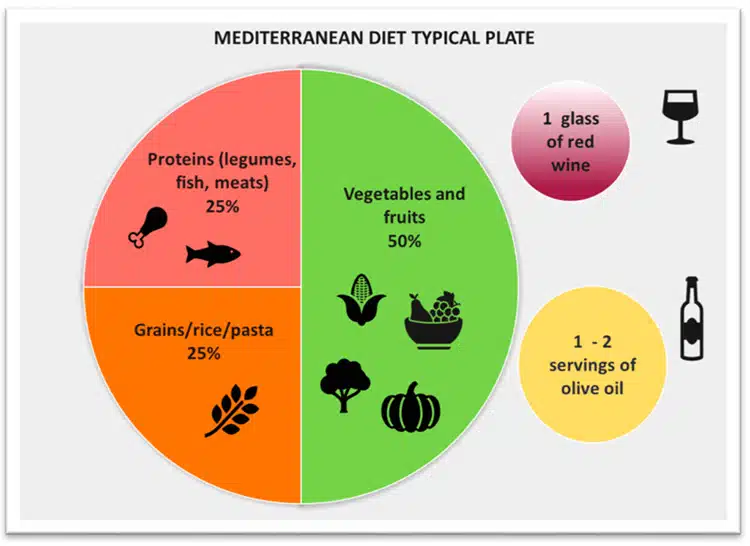
In contrast, the Mediterranean model replaces refined grains with complex, low-glycemic carbohydrates and substitutes saturated animal fats with plant-based oils and nuts. While the diet is occasionally higher in total carbohydrates than some specialized low-carb PCOS protocols, the emphasis on unrefined, fiber-rich plant matter ensures a minimal glycemic response, protecting against the insulin spikes that aggravate hormonal imbalances.
Lifestyle Factors Beyond the Plate
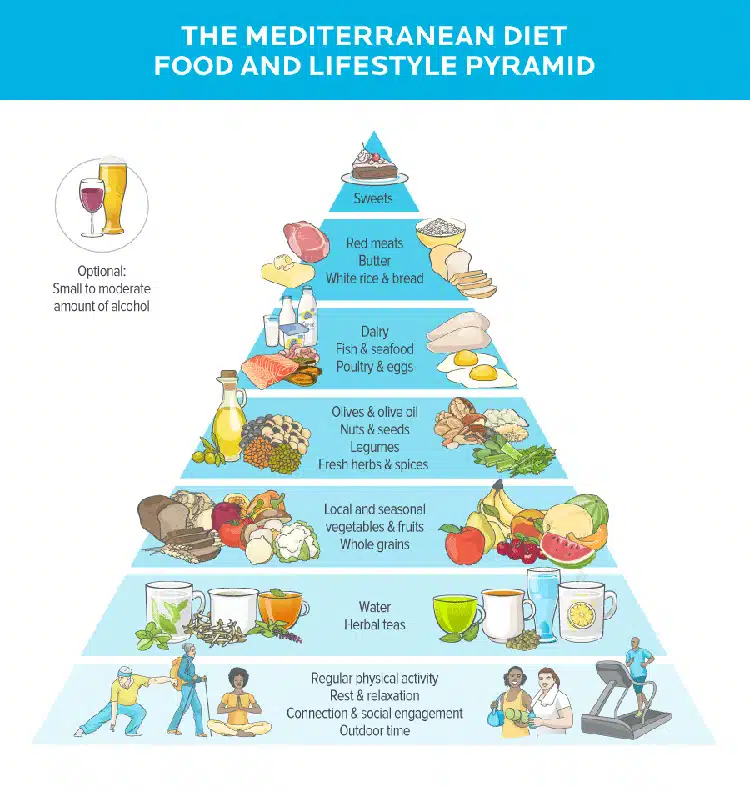
Medical anthropologists and public health experts emphasize that the Mediterranean diet is not merely a set of dietary restrictions, but an integrated lifestyle. Key lifestyle elements embedded within this cultural framework offer additional health dividends for individuals managing chronic conditions like PCOS.
-
Local and Seasonal Consumption: Prioritizing locally sourced, seasonal fruits, vegetables, and fish ensures maximal nutrient density while minimizing exposure to the preservatives and processing agents common in industrial food supply chains. Supporting local producers also fosters sustainable agricultural practices and community engagement.
-
Mindful Eating Habits: The Mediterranean lifestyle places a cultural emphasis on slow, deliberate eating. Clinical studies show that eating slowly improves satiety signaling, allowing the brain adequate time to register fullness. This behavioral practice is particularly advantageous for women with PCOS, who frequently struggle with disrupted hunger cues and leptin resistance.
Practical Implementation and Long-Term Sustainability
Healthcare providers generally advise against abrupt or overly restrictive dietary overhauls, which can lead to compliance fatigue and nutritional deficiencies. Instead, successful adoption of a Mediterranean eating pattern involves gradual, sustainable integration.
- Breakfast Adjustments: Initiating the day with hydrating choices like warm lemon water followed by nutrient-dense meals, such as poached eggs paired with avocado, olives, and fresh herbs, establishes stable blood sugar control early in the day.
- Nutrient-Dense Lunches and Suppers: Emphasizing large, colorful vegetable salads incorporated with legumes (such as chickpeas or lentils), whole grains (like quinoa or brown rice), and generous drippings of extra virgin olive oil provides sustained energy and fiber. Evening meals featuring grilled fish seasoned with lemon and herbs alongside roasted vegetables deliver optimal protein and healthy fats without excess calories.
Furthermore, dietary tracking and prioritizing protein, healthy fats, and fibrous vegetables before introducing complex carbohydrates can ease the transition for patients accustomed to a standard Western diet. Clinical data consistently shows that the Mediterranean diet enjoys higher long-term adherence rates compared to restrictive fad diets, making it a sustainable lifelong strategy for metabolic wellness.
Implications for Clinical Practice and Public Health
The accumulation of clinical evidence supporting the Mediterranean diet underscores a broader shift in modern medicine toward lifestyle medicine as a primary therapeutic modality. For the millions of women diagnosed with PCOS, dietary interventions that simultaneously address insulin resistance, inflammation, hormonal dysregulation, and fertility provide a comprehensive, low-risk alternative or adjunct to conventional pharmacology.
As ongoing research continues to illuminate the complex interplay between nutrition, the gut microbiome, and endocrine health, health authorities increasingly advocate for the inclusion of Mediterranean dietary counseling as a standard component of PCOS clinical care protocols. By empowering patients with sustainable, evidence-based nutritional strategies, clinicians can significantly improve both immediate symptom management and long-term metabolic health outcomes.
