
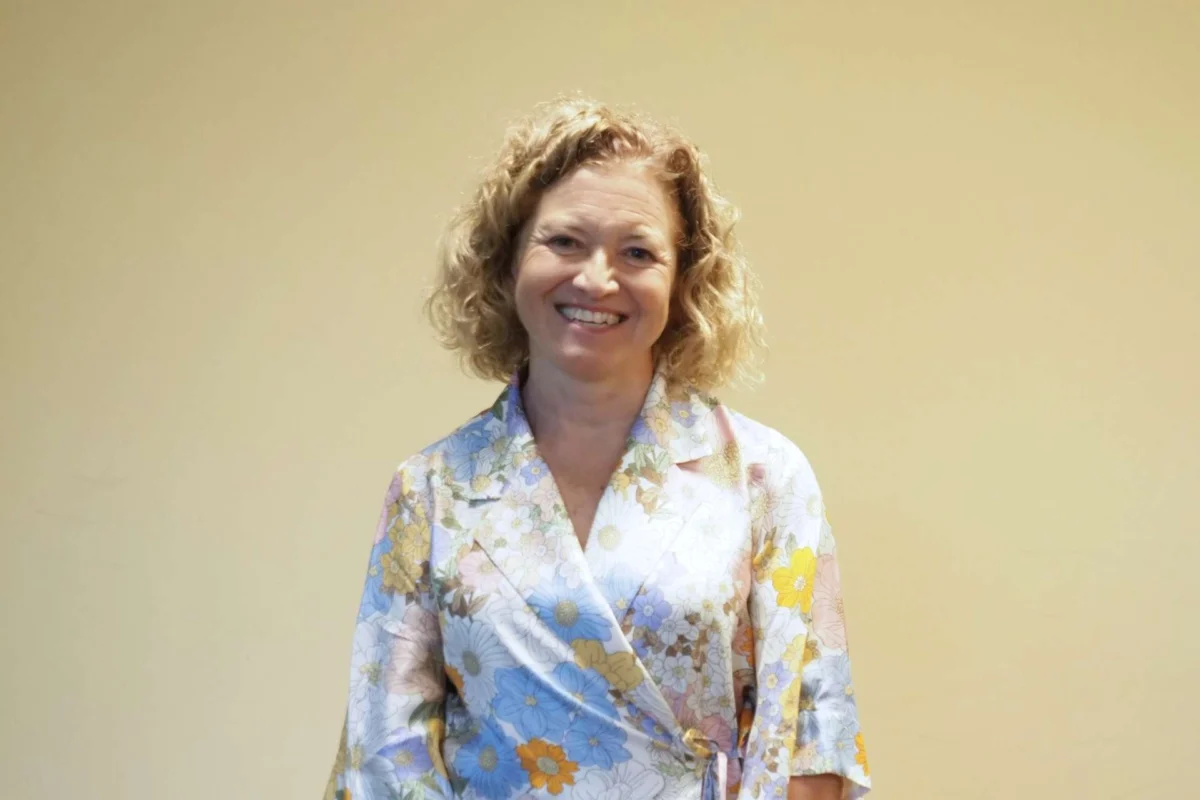
The intersection of gastroenterology and immunology has emerged as one of the most transformative frontiers in modern medicine, fundamentally altering the understanding of how systemic autoimmune conditions develop and progress. At the center of this shift is the human gut microbiome, a complex ecosystem of trillions of microorganisms that play a decisive role in "educating" the immune system. Recent insights shared by Marika Falcone, a leading researcher at the San Raffaele Hospital in Milan, highlight a significant paradigm shift: the gut is no longer viewed merely as a digestive organ but as a primary site where the fate of autoimmune responses—even those occurring in the brain or the pancreas—is determined. This research underscores the growing evidence linking intestinal dysbiosis to extra-intestinal autoimmune diseases, specifically multiple sclerosis (MS) and type 1 diabetes (T1D), providing a new roadmap for clinical intervention.
The Mechanistic Link Between the Gut and Systemic Immunity
For decades, autoimmune diseases were studied primarily through the lens of the target organs. Multiple sclerosis was viewed strictly as a central nervous system (CNS) disorder, while type 1 diabetes was seen as a localized failure of the pancreatic beta cells. However, the work of Falcone and her colleagues at San Raffaele suggests that the "ignition" of these diseases often occurs in the gut-associated lymphoid tissue (GALT). The GALT is the largest component of the immune system, constantly exposed to a vast array of antigens from food and commensal bacteria.
The core of the research involves self-reactive T lymphocytes. These are immune cells that, due to genetic or environmental triggers, lose their ability to distinguish between foreign pathogens and the body’s own tissues. Falcone’s research demonstrates that these autoreactive T cells are modulated within the intestinal environment. When the delicate balance of the gut microbiota is disrupted—a state known as dysbiosis—the signals sent to these T cells become pro-inflammatory. Instead of remaining quiescent or being suppressed by regulatory T cells (Tregs), these autoreactive cells are activated. Once primed in the gut, they possess the ability to migrate through the bloodstream, breach the blood-brain barrier in the case of MS, or infiltrate the islets of Langerhans in the pancreas in the case of T1D.
Chronology of Discovery: From Observation to Modulation
The timeline of microbiome research in autoimmunity has moved rapidly over the last two decades. In the early 2000s, the "Hygiene Hypothesis" suggested that a lack of early childhood exposure to diverse microbes was contributing to the rising incidence of autoimmune conditions in developed nations. By 2010, the completion of the first phase of the Human Microbiome Project provided a baseline for what a "healthy" microbiome looks like, allowing researchers to identify specific deviations in diseased populations.
Between 2015 and 2020, the focus shifted from identifying "who" is in the gut (bacterial composition) to "what they are doing" (metabolic function). Falcone’s group at San Raffaele has been instrumental in this phase, identifying specific alterations in microbiota-derived metabolites in patients with MS. These metabolites, such as short-chain fatty acids (SCFAs), act as signaling molecules. In healthy individuals, SCFAs like butyrate promote the expansion of anti-inflammatory regulatory T cells. In patients with autoimmune conditions, researchers have frequently observed a deficiency in these beneficial metabolites, creating a permissive environment for the activation of pathogenic T cells.
Most recently, in 2023 and 2024, the research has entered the "migration" phase. Studies have successfully tracked T cells from the gut to the site of inflammation in animal models and, increasingly, through surrogate markers in human subjects. This confirms that the gut is not just a passive observer but an active driver of disease onset and progression.
Supporting Data: The Impact of Dysbiosis on MS and T1D
Quantitative data from clinical cohorts support these findings. In studies of patients with multiple sclerosis, researchers have noted a significant reduction in bacterial taxa such as Faecalibacterium, which are known for their anti-inflammatory properties. Conversely, there is often an overrepresentation of Akkermansia and Acinetobacter, which have been shown in laboratory settings to induce pro-inflammatory responses in human peripheral blood mononuclear cells.
In the context of type 1 diabetes, longitudinal studies of children at high genetic risk have shown that changes in gut microbiota composition often precede the appearance of autoantibodies—the first clinical markers of the disease. Specifically, a decrease in microbial diversity and a shift toward a "leaky gut" phenotype—where the intestinal barrier becomes more permeable—allows bacterial products to enter the circulation, further stimulating the immune system.
The San Raffaele Hospital data indicates that the gut-immune axis is not a one-way street. The inflammation present in the body can also influence the gut, creating a feedback loop that sustains the disease. By analyzing the metabolic profiles of MS patients, Falcone’s team has found that the gut’s metabolic output is fundamentally "rewired," favoring pathways that support chronic inflammation rather than resolution.
Emerging Therapeutic Strategies: Beyond Traditional Immunosuppression
The realization that the gut microbiota drives systemic autoimmunity has profound implications for treatment. Traditional therapies for MS and T1D have focused on broad immunosuppression or targeted biological agents that dampen the immune response once it has already begun to attack the target organ. While effective, these treatments often come with significant side effects, including an increased risk of infection and malignancy.
The new therapeutic frontier involves "microbiota modulation," which aims to treat the root cause of the immune imbalance rather than just the symptoms. Falcone outlines several key strategies currently under investigation:
Probiotics and Prebiotics
While over-the-counter probiotics have existed for years, the next generation of "live biotherapeutics" involves specific, high-potency strains designed to restore missing functions in the autoimmune gut. Prebiotics—non-digestible fibers that feed beneficial bacteria—are also being tested for their ability to naturally increase the production of SCFAs like butyrate.
Dietary Interventions
Diet is the most potent modulator of the microbiome. Clinical trials are currently evaluating high-fiber diets, the Mediterranean diet, and intermittent fasting for their ability to shift the microbiome toward an anti-inflammatory state. These interventions are being studied not just as lifestyle adjuncts, but as formal medical therapies that can enhance the efficacy of existing drugs.
Fecal Microbiota Transfer (FMT)
Perhaps the most radical approach is FMT, which involves transferring the entire microbial ecosystem from a healthy donor to a patient. While already a standard treatment for Clostridioides difficile infections, its use in autoimmunity is more complex. Falcone notes that current research is exploring the use of "super-donors"—individuals with particularly diverse and anti-inflammatory microbial profiles. Furthermore, there is interest in using "autologous" transfers or transfers from patients who have shown an exceptional response to immunoregulatory therapies, essentially "transplanting" the state of remission.
Official Responses and Scientific Consensus
The broader scientific community has responded to these findings with cautious optimism. Leading organizations, such as the National Multiple Sclerosis Society and the Juvenile Diabetes Research Foundation (JDRF), have increased funding for microbiome-related research, recognizing its potential for early intervention.
However, experts caution that the "one-size-fits-all" approach does not apply to the microbiome. The human gut is highly individualized, influenced by genetics, geography, and life history. Therefore, the consensus among researchers, including those at San Raffaele, is that the future of this field lies in personalized medicine. Rather than giving every MS patient the same probiotic, clinicians may one day sequence a patient’s gut microbiome to identify specific metabolic gaps and fill them with targeted microbial or dietary interventions.
Analysis of Implications and Future Outlook
The implications of Marika Falcone’s research extend far beyond MS and type 1 diabetes. If the gut is indeed the training ground for systemic autoimmunity, this framework could apply to rheumatoid arthritis, lupus, and even certain neurodegenerative diseases like Parkinson’s, which some researchers believe may begin in the enteric nervous system of the gut.
From a public health perspective, this research emphasizes the importance of gut health from an early age. The rise in autoimmune diseases in the 21st century may be, in part, a "maladaptation" to modern lifestyles, characterized by highly processed diets and the overuse of antibiotics. By understanding the signals the microbiota sends to the immune system, medical science may move closer to preventing these diseases before they ever reach the target organs.
The shift toward gut-centric therapies also offers a more holistic approach to patient care. By addressing the intestinal environment, clinicians may be able to reduce the dosage of systemic immunosuppressants, thereby improving the quality of life for patients. As clinical trials progress, the next decade is likely to see the integration of microbiome diagnostics and therapies into the standard of care for autoimmune diseases, marking a new era in the fight against these chronic and debilitating conditions.
In conclusion, the work being conducted at San Raffaele Hospital serves as a critical bridge between laboratory discovery and clinical application. By identifying how the gut microbiota primes the immune system for "extra-intestinal" attacks, researchers like Marika Falcone are providing the tools necessary to dismantle the mechanisms of autoimmunity at their source. The journey from the gut to the brain and pancreas is no longer a mystery; it is a metabolic and cellular pathway that science is finally learning how to navigate and, ultimately, repair.
