
Seoul-based food technology startup Intake is making a significant strategic pivot, announcing the full-scale expansion of its business-to-business (B2B) operations with the launch of Takein. This new ingredient brand is poised to become the central pillar of Intake’s offerings, focusing on its proprietary yeast-derived protein and fiber ingredients. The move signifies Intake’s accelerated transition into a "materials-focused" food tech company, a crucial step in its ambitious trajectory towards a public listing. This expansion follows a year of substantial growth and technological advancement, including a successful Series C funding round.
A Strategic Shift Towards B2B Ingredient Supply
The unveiling of Takein marks a pivotal moment for Intake, signaling a deliberate shift from a primarily consumer-facing model to a robust B2B ingredient supplier. The company will now actively supply its precision-fermented yeast protein and fiber to a global network of food manufacturers. This strategic redirection is driven by the burgeoning demand for innovative, sustainable, and high-performance ingredients within the rapidly evolving global food industry. By focusing on its core technological competencies in precision fermentation, Intake aims to position itself as a key enabler for other food companies seeking to develop next-generation alternative protein products and functional foods.
The transition into a materials-focused entity is not merely a change in operational strategy but a fundamental recalibration of Intake’s market positioning. This approach allows the company to leverage its unique technological innovations across a broader spectrum of food applications, thereby increasing its market reach and potential for scalability. The ambition to become a publicly listed firm further underscores the significance of this strategic maneuver, as a strong B2B ingredient portfolio often presents a more predictable and scalable revenue model, attractive to investors.
The Science Behind Intake’s Yeast-Derived Innovations
Intake’s core innovation lies in its sophisticated use of precision fermentation to cultivate novel yeast strains for protein and fiber production. At the heart of this technology is a unique wild yeast strain, meticulously developed from locally grown grapes. This strain is engineered to produce protein with significantly higher yields – approximately 1.5 times more than conventional yeast strains. This achievement was realized through a rigorous process of adaptive evolution applied to non-GMO Saccharomyces cerevisiae, commonly known as brewer’s yeast.
The cultivation process involves optimizing the yeast strain through advanced biofoundry techniques, including the use of artificial intelligence (AI) and data analytics. These technologies enable Intake to fine-tune critical parameters such as culture medium composition, incubation periods, and overall production yields. The AI-driven approach facilitates step-by-step validation and scaling of the production process, ensuring consistency and efficiency.
Following cultivation, the yeast cells are harvested and disrupted to extract the valuable protein fractions. This protein isolate is positioned as a "third-generation" ingredient, designed as a superior alternative to traditional whey protein derived from cow’s milk. Intake’s yeast protein boasts a complete amino acid profile, with a biological value and amino acid score comparable to whey. Furthermore, it offers enhanced digestibility and absorption rates, coupled with a reduced propensity to cause allergies or skin irritations, addressing key consumer concerns associated with conventional dairy proteins.
Beyond protein, Intake has also developed a unique dietary fiber ingredient derived from the yeast cell walls. This fiber is obtained through a meticulous separation and extraction process after the protein fractionation. It is rich in beneficial compounds such as yeast-derived beta-glucan and mannose. Yeast beta-glucans, with their distinct molecular structure compared to plant-derived counterparts, are known for their immune-boosting properties. Mannose, on the other hand, acts as a prebiotic, promoting a healthy gut microbiome by inhibiting the growth of harmful bacteria.
Regulatory Landscape and Consumer Trust
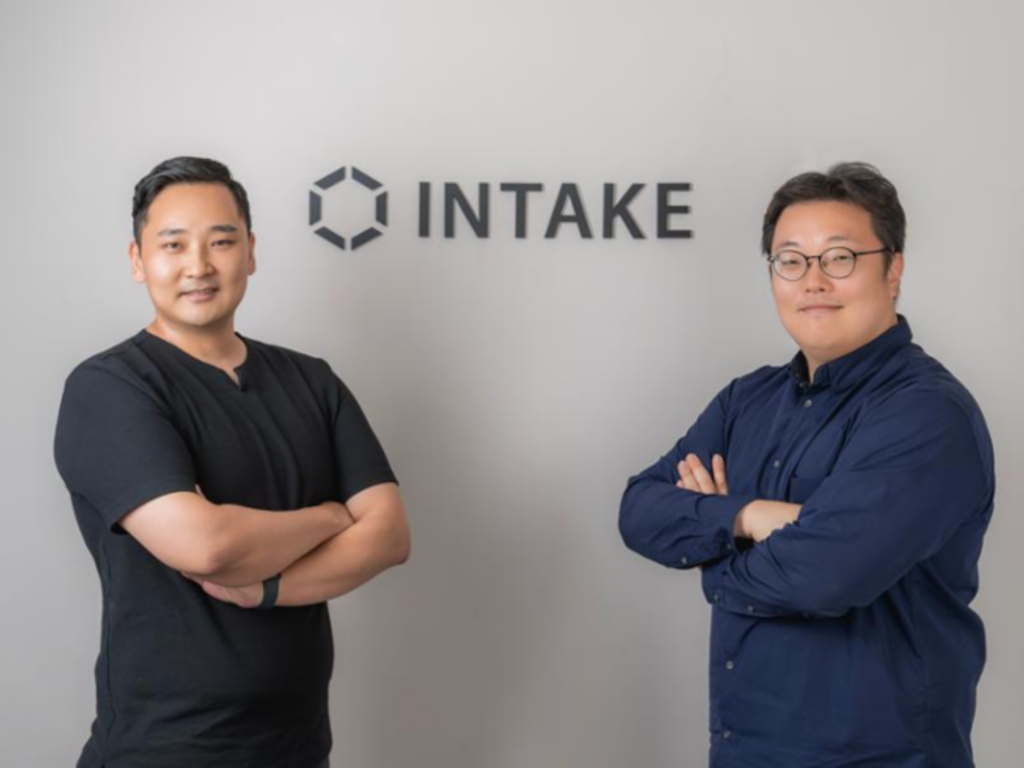
A key aspect of Intake’s innovation strategy, as highlighted by founder Han Nok-yeob, is the regulatory compliance and consumer trust surrounding its ingredients. The company emphasizes that its yeast strain is naturally evolved and not genetically modified, placing it outside the scope of many stringent GMO regulations. This approach simplifies regulatory hurdles in certain markets. However, Intake remains committed to ensuring the highest standards of safety and transparency. The company is proactively compiling comprehensive data to secure U.S. Food and Drug Administration (FDA) approvals, including New Dietary Ingredient (NDI) and Generally Recognized As Safe (GRAS) designations. This proactive stance aims to preempt any potential safety concerns and build confidence among global food manufacturers and, by extension, consumers.
The Genesis of Takein: Responding to Market Demands
The strategic decision to launch Takein as a dedicated B2B brand is directly influenced by evolving consumer preferences and market dynamics. Intake observes a significant and growing trend among consumers to meticulously scrutinize ingredient lists and understand the origins of the raw materials in their food. This heightened awareness underscores the importance of functional, sustainable, and transparent sourcing in today’s food landscape.
Takein is designed to meet this demand by offering ingredients that are not only nutritionally superior and functionally versatile but also rooted in sustainable production practices. The brand’s foundation is built upon six core values: taste and flavor enhancement, operational efficiency for manufacturers, ease of usability in product development, environmental sustainability throughout the supply chain, inherent functionality for product innovation, and a commitment to nutritional balance in finished goods. These pillars are intended to resonate with food manufacturers seeking to create products that appeal to health-conscious and ethically-minded consumers.
A Deep Dive into Takein’s Product Portfolio and Capabilities
Takein’s initial product offerings will center on its precision-fermented yeast protein isolate and yeast-derived dietary fiber. The protein isolate is designed to be a highly versatile ingredient, capable of replacing whey in a wide array of applications, including protein powders, bars, dairy alternatives, and meat analogues. Its neutral taste profile and excellent emulsifying and gelling properties make it amenable to incorporation into various food matrices without compromising sensory attributes.
The yeast-derived fiber presents opportunities for enhanced texture, mouthfeel, and nutritional fortification in processed foods. Its prebiotic properties also open avenues for the development of functional foods aimed at gut health. Manufacturers can leverage this ingredient to improve the fiber content of baked goods, snacks, beverages, and confectionery products, while simultaneously imparting health benefits.
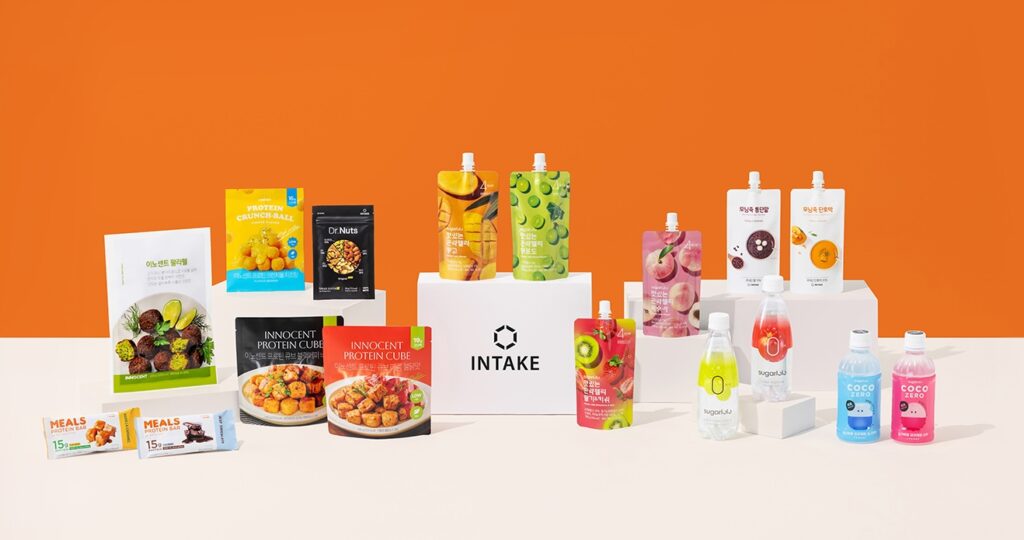
Intake’s existing B2C portfolio serves as a powerful testament to the potential of its proprietary ingredients. Brands such as Innocent (plant proteins and meat alternatives), Sugarlolo (sugar-free konjac jellies and drinks), ProteeOne (protein powders), Muse:Habit (beauty and wellness), and Morningjook (porridge) showcase the diverse applications of Intake’s innovations. The company is actively exploring the commercial viability of integrating its precision-fermented yeast protein into its own product lines, with a phased application planned for the ProteeOne range. Similarly, the yeast-derived fiber is slated for incorporation into Sugarlolo’s product formulations to enhance their functional attributes. This internal validation serves as a strong proof of concept for potential B2B partners.
Market Implications and Future Outlook
The launch of Takein is more than just an expansion; it represents a significant strategic evolution for Intake. By focusing on its core material science capabilities, the company is positioning itself to become a key player in the global alternative protein and functional food ingredient markets. The precision fermentation sector, in particular, is experiencing rapid growth, driven by the need for sustainable and scalable solutions to traditional food production challenges.
Intake’s emphasis on non-GMO and naturally evolved yeast strains, coupled with its proactive approach to regulatory approvals, could provide a competitive edge in markets where regulatory pathways for novel ingredients are complex. The company’s commitment to R&D, underscored by its AI and biofoundry investments, suggests a pipeline of future innovations aimed at addressing unmet needs in the food industry.
The B2B ingredient market is characterized by long lead times and the need for deep technical collaboration with manufacturers. Intake’s strategic shift indicates a readiness to engage in these partnerships, providing technical support and co-development opportunities to its clients. The success of Takein will hinge on its ability to deliver consistent quality, competitive pricing, and demonstrable value to food manufacturers seeking to innovate and differentiate their products.
As Han Nok-yeob stated, "The launch of the Takein brand marks an important turning point for Intake as it expands into a materials-focused food tech company. We will continue to expand our portfolio of sustainable, high-performance materials and provide differentiated solutions to respond to changes in the future food market." This forward-looking statement encapsulates Intake’s ambition to not only participate in the future of food but to actively shape it through its advanced ingredient technologies. The coming years will be critical in demonstrating Takein’s ability to capture market share and solidify Intake’s position as a leader in the global food tech landscape.
