
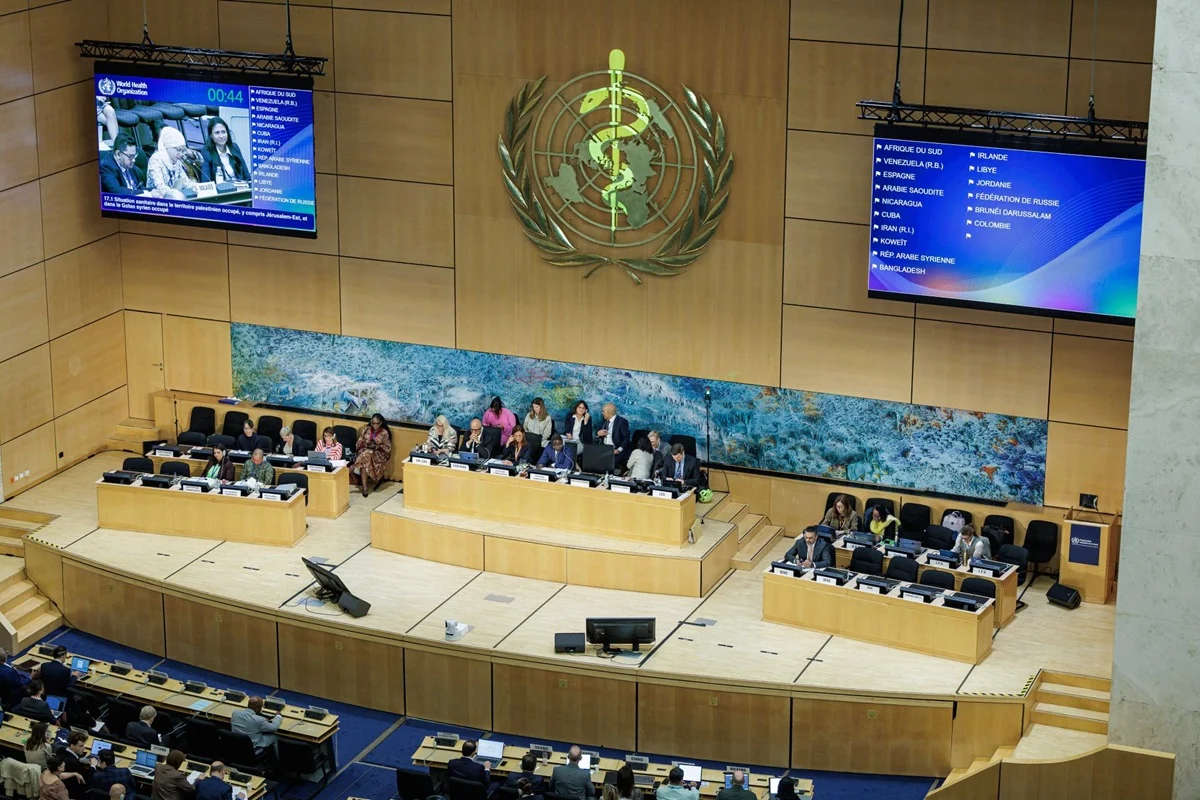
The World Health Assembly has formally endorsed a landmark decision requesting the Director-General of the World Health Organization (WHO) to develop a comprehensive post-2030 tuberculosis (TB) strategy, marking a pivotal shift in the global approach to one of history’s most persistent infectious killers. This decision, reached during the latest sessions of the Assembly, mandates a consultative process involving Member States and a broad spectrum of health stakeholders to draft a framework that will be submitted for final approval at the Eighty-first World Health Assembly in 2028. The move signals a proactive effort by the international community to look beyond the current "End TB Strategy" and the 2030 Sustainable Development Goal (SDG) deadlines, ensuring that the momentum gained in recent years is not lost to emerging global health threats or shifting political priorities.
The forthcoming strategy is designed to serve as a North Star for the global TB response, integrating cutting-edge scientific advancements, such as novel vaccine candidates and shortened treatment regimens, with current epidemiological realities. Central to this new vision is a reinforced alignment with primary health care (PHC) systems. By embedding TB services within the broader framework of Universal Health Coverage (UHC) and global health security agendas, the WHO aims to ensure that TB prevention and care are resilient against future shocks. This strategic alignment is particularly critical as the world prepares for the 2028 United Nations High-Level Meeting on TB, where heads of state will be expected to renew their commitments to total eradication.
A Chronology of Progress and the Resurgence of Tuberculosis Challenges
To understand the necessity of a post-2030 strategy, the Assembly reviewed a detailed report on the implementation of the current End TB Strategy. The data presents a complex narrative of triumph and setback. Since the turn of the millennium, global efforts have yielded extraordinary results; between 2000 and 2024, the expansion of TB diagnostic and treatment services saved an estimated 83 million lives. This figure underscores the efficacy of international cooperation and the scaling of standardized care protocols. Furthermore, 2024 represented a significant milestone in the post-pandemic recovery phase, recording the first decline in TB incidence since the COVID-19 crisis began, alongside the highest-ever levels of access to essential TB services.
However, these gains remain fragile. Despite the recorded progress, TB remains one of the world’s leading infectious causes of death, frequently ranking alongside or above HIV/AIDS in terms of annual mortality. The Assembly noted with concern that the global targets set under the End TB Strategy and the 2030 Agenda for Sustainable Development are currently off track. The reasons for this stagnation are multifaceted. Chronic underfunding remains a primary barrier, with a significant gap between the resources needed for research and implementation and the actual capital allocated by donor and high-burden nations.
Beyond finances, the global TB response is grappling with the "four horsemen" of modern health crises: pandemic-related disruptions that weakened health infrastructure, widening socioeconomic inequality, protracted violent conflicts, and climate-related displacement. These factors create "hotspots" of vulnerability, where overcrowding and malnutrition allow the airborne bacteria to flourish. The post-2030 strategy will specifically need to address these social determinants of health to reach the most marginalized populations who bear the brunt of the TB burden.
Recognizing Steatotic Liver Disease as a Global NCD Priority
In a significant shift in the landscape of noncommunicable diseases (NCDs), delegates at the World Health Assembly approved a resolution recognizing steatotic liver disease (SLD) as a major and rapidly growing contributor to the global disease burden. Formerly known under the umbrella of "fatty liver disease," the rebranding to SLD reflects a more precise medical understanding of the condition and seeks to reduce the stigma associated with previous terminology. Current estimates suggest that SLD affects a staggering 1.7 billion people worldwide, making it one of the fastest-growing causes of chronic liver disease and a leading reason for liver transplants in many jurisdictions.
The Assembly highlighted that SLD is not an isolated condition but is intricately linked to the global rise in metabolic disorders. It is closely associated with obesity, type 2 diabetes, cardiovascular disease, and other metabolic syndromes. While alcohol-associated liver disease continues to be a major contributor to liver-related morbidity, the rise of non-alcoholic variants—driven by sedentary lifestyles and high-sugar diets—has reached epidemic proportions. If left unmanaged, SLD can progress from simple steatosis to liver fibrosis, cirrhosis, and eventually hepatocellular carcinoma (liver cancer).
The newly adopted resolution calls for a multisectoral response. Member States are urged to integrate SLD into their existing national NCD strategies, focusing on the shared risk factors that drive heart disease and diabetes. This includes promoting physical activity and healthy diets while strengthening primary health care to allow for earlier screening and diagnosis. The WHO has been tasked with providing technical support to countries to improve surveillance systems, ensuring that health departments can accurately track the prevalence of SLD and allocate resources accordingly. There is a specific emphasis on protecting children and adolescents, as the early onset of SLD in younger populations portends a future wave of severe chronic illness.
Closing the Equity Gap for Haemophilia and Bleeding Disorders
The World Health Assembly also turned its attention to rare diseases, endorsing a resolution to recommit global action on haemophilia and other hereditary bleeding disorders. This move is seen as a vital step toward closing a long-standing equity gap in global health. For decades, individuals with bleeding disorders in low- and middle-income countries have faced truncated life expectancies and severe disabilities due to a lack of access to specialized care. It is estimated that nearly 70% of people living with haemophilia worldwide remain undiagnosed, a statistic that the Assembly described as a "silent crisis."
Haemophilia and related conditions, such as von Willebrand Disease, impair the blood’s ability to clot, leading to prolonged bleeding from minor injuries and, in severe cases, spontaneous internal bleeding into joints and muscles. Without prophylactic treatment—the regular administration of clotting factor concentrates—these episodes cause irreversible joint damage and life-threatening hemorrhages.
Through this resolution, Member States have pledged to integrate the management of bleeding disorders into national health policies, specifically within the contexts of NCDs, primary health care, and maternal health. A key component of the commitment is the inclusion of life-saving therapies in national Essential Medicines Lists. This includes traditional factor concentrates as well as novel "non-factor" therapies that offer easier administration and better outcomes. By strengthening diagnostic capacity and ensuring timely referral to specialized centers, the WHO aims to ensure that a person’s geography no longer determines their survival when living with a clotting deficiency.
Addressing the "Infodemic" and Rebuilding Trust in Science
Recognizing that medical interventions are only effective if the public trusts them, the Assembly held a high-level Strategic Roundtable on the growing threat of health mis- and disinformation. Leaders from government, science, and civil society gathered to discuss how the "infodemic"—the overabundance of information, including false or misleading content—undermines public health responses.
The consensus among participants was that disinformation is no longer merely a communication hurdle; it is a structural threat to health security. Whether regarding vaccine hesitancy or the promotion of unproven cures, the spread of inaccuracies can lead to real-world mortality. The roundtable emphasized that the solution lies in "information integrity" and the creation of resilient information ecosystems. This involves moving beyond reactive fact-checking toward proactive engagement.
Key strategies discussed included:
- Empowering Frontline Workers: Recognizing that doctors and community health workers are the most trusted voices, they must be equipped with the tools to address patient concerns accurately.
- Whole-of-Government Approaches: Collaborating with technology platforms to prioritize credible health information and limit the reach of malicious actors.
- Transparent Communication: Building trust through the honest admission of scientific uncertainties and the timely release of evidence-based data.
The roundtable concluded that WHO’s role as a normative authority is more important than ever. By convening scientific networks and providing clear guidance, the organization serves as a global anchor for truth in an increasingly fragmented digital landscape.
Implications for the Future of Global Health Governance
The decisions made at this Assembly reflect a broader evolution in global health governance. By planning for a post-2030 TB strategy now, the WHO is acknowledging that the eradication of complex diseases requires generational commitment rather than short-term cycles. The recognition of SLD and the renewed focus on haemophilia indicate a shift toward a more holistic view of health—one that accounts for both massive metabolic epidemics and the needs of those with rare, often-ignored conditions.
As the world moves toward the 2028 milestone, the success of these resolutions will depend on the ability of Member States to translate high-level policy into local action. The integration of these diverse health challenges into the primary health care model suggests that the future of global health will not be found in siloed programs, but in integrated, patient-centered systems that treat the individual rather than just the disease. The path forward is marked by significant challenges, but the unified stance of the Assembly provides a clear mandate for progress in the years to come.
