
Polycystic Ovary Syndrome (PCOS) is one of the most prevalent endocrine disorders affecting individuals of reproductive age, yet many of its secondary dermatological and cosmetic manifestations remain poorly understood by the general public. While modern beauty standards have progressively evolved to embrace a diverse spectrum of physical appearances, the intrinsic confidence derived from personal wellness and physical comfort continues to be a priority for many. Among the myriad symptoms associated with PCOS—ranging from metabolic disruptions to irregular menstrual cycles—hyperandrogenism-induced dermatological changes, particularly excessive scalp sebum production, present a persistent daily challenge for millions of women worldwide.
Clinical data indicates that PCOS affects approximately 8 to 13 percent of reproductive-aged women globally, with up to 70 percent of cases remaining undiagnosed. The syndrome is fundamentally characterized by hormonal imbalances, notably the overproduction of androgens, such as testosterone, by the ovaries. While patients and medical professionals frequently focus on the metabolic and reproductive implications of these elevated androgen levels, the external manifestations—such as treatment-resistant greasy hair, adult acne, and hirsutism—carry a significant psychological burden. Understanding the physiological mechanisms driving these symptoms is the first critical step in developing effective, long-term management protocols.
The Physiological Mechanism of PCOS-Related Sebum Overproduction
The primary driver behind rapid hair oil accumulation in individuals with PCOS is hyperandrogenism. Androgens stimulate the sebaceous glands attached to hair follicles, causing them to hypertrophy and secrete excessive amounts of sebum. Consequently, a patient may wash their hair thoroughly in the morning, only to observe a heavy, lacklustre appearance by mid-afternoon.
Dermatologists and endocrinologists emphasize that this phenomenon is not the result of poor personal hygiene or incorrect product selection, but rather an internal physiological response. The sebaceous glands are directly sensitive to circulating androgen concentrations. When systemic hormone levels are elevated, these glands operate at an accelerated rate, continuously coating the hair shaft and blocking follicles. Over time, this chronic sebum accumulation can obstruct hair growth, compromise scalp health, and lead to secondary scalp conditions such as folliculitis or seborrheic dermatitis.

Furthermore, hyperandrogenism is frequently intertwined with insulin resistance, a metabolic condition affecting a vast majority of PCOS patients, regardless of their body mass index. Insulin resistance causes the pancreas to secrete higher amounts of insulin to maintain normal blood glucose levels. Elevated circulating insulin not only promotes weight gain and metabolic syndrome but also stimulates the ovaries to produce even more testosterone, creating a self-reinforcing cycle that exacerbates both internal metabolic distress and external dermatological symptoms.
Chronology of Hormonal Interventions and Hair Management Evolution
Historically, the management of PCOS-related cosmetic symptoms was approached through isolated, topical treatments that offered only temporary relief. Throughout the late 20th century, dermatological recommendations focused primarily on aggressive surfactant-based cleansers designed to strip oil from the scalp. However, clinical observations over the past two decades have revealed that this approach is largely counterproductive.
In the early 2000s, dermatological research began to highlight the rebound effect of over-washing. Stripping the scalp of its natural lipid barrier signals the sebaceous glands to compensate by producing even larger quantities of sebum. By the 2010s, endocrinologists and trichologists adopted a more holistic paradigm, recognizing that external hair management must be paired with internal metabolic and hormonal regulation. Modern clinical guidelines now advocate for a multi-pronged approach encompassing specialized scalp care, dietary modifications, targeted supplementation, and lifestyle interventions designed to stabilize insulin and androgen levels simultaneously.
Comparative Analysis of Scalp Care Protocols: Traditional vs. Modern Approaches
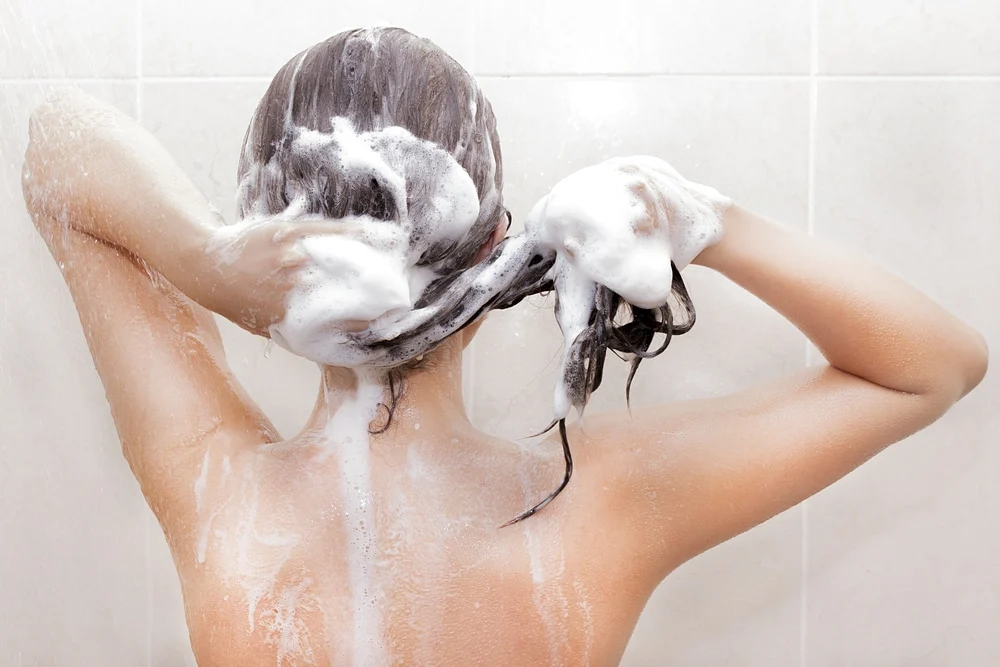
Effective management of PCOS-induced greasy hair requires a fundamental reassessment of daily hair care routines. Many commercial hair products available in retail environments contain harsh cleansing agents, including sodium lauryl sulfate (SLS), parabens, and heavy silicones. While these ingredients create a rich lather and leave a temporary illusion of cleanliness, they frequently deposit a chemical residue on the scalp and hair shaft.

Modern trichological protocols advise transitioning to sulfate-free, paraben-free formulations. Although these products produce significantly less foam—a characteristic that often leads users to believe they are ineffective—they cleanse the scalp gently without triggering a compensatory surge in oil production.
In addition to daily cleansing adjustments, clinical experts recommend incorporating a clarifying treatment into the hair care routine once every week or fortnight. Clarifying shampoos are specifically formulated to break down stubborn product build-up and excess sebum that standard cleansers fail to remove. However, because these formulations are potent, overuse can strip the hair shaft of essential moisture, underscoring the importance of balancing clarification with appropriate hydration and conditioning agents.
Dietary and Lifestyle Strategies for Systemic Hormone Regulation
Because the root cause of excessive scalp oil production lies in hormonal dysregulation, targeted interventions must address the endocrine system directly. Medical professionals recommend beginning with a comprehensive hormonal panel administered by a general practitioner or endocrinologist to establish a baseline of circulating androgens, insulin, and glucose levels.
Dietary modifications play a central role in mitigating the systemic effects of PCOS. Clinical nutritionists emphasize a three-pillar approach to stabilizing insulin levels: prioritizing low-glycemic index foods, increasing dietary fiber intake, and moderating refined carbohydrate consumption. Because carbohydrates stimulate insulin release, individuals with insulin resistance process these molecules inefficiently, leading to sustained hyperinsulinemia and subsequent ovarian androgen synthesis. By shifting toward a nutrient-dense, low-glycemic diet, patients can effectively lower systemic insulin levels, thereby reducing testosterone production and its downstream dermatological effects.
Physical activity is another cornerstone of PCOS management. Regular exercise improves insulin sensitivity, allowing cells to utilize glucose more effectively without requiring excess insulin production. Furthermore, maintaining an active lifestyle assists in weight management, reducing the inflammatory pressures and metabolic strain associated with obesity, which can otherwise intensify the severity of PCOS symptoms.

The Role of Targeted Supplementation: Omega-3 Fatty Acids
In tandem with dietary adjustments, clinical research supports the integration of specific supplements to modulate hormonal pathways. Omega-3 polyunsaturated fatty acids have emerged as a valuable therapeutic adjunct for individuals managing PCOS.
Studies indicate that omega-3 supplementation possesses significant anti-inflammatory properties and has been shown to assist in lowering circulating testosterone levels. Beyond its systemic endocrine benefits, the essential fatty acids found in omega-3 supplements support overall follicular health by nourishing the scalp from within. Maintaining a balanced lipid profile at the cellular level ensures that the hair follicles neither suffer from dehydration nor experience the hyper-seborrheic activity characteristic of untreated hyperandrogenism.
Short-Term Management and Interim Solutions
While long-term hormonal balancing and scalp rehabilitation yield sustainable results, patients often require immediate, practical solutions to manage daily symptoms during the transition period.
Dry shampoo has become a standard recommendation among hair care professionals for managing excess oil between washes. By applying an aerosol or powder-based dry shampoo approximately 30 centimeters from the scalp, users can effectively absorb excess sebum at the root. The fine powder particles bind to oil molecules, which are subsequently brushed or massaged out, restoring a clean appearance and adding natural volume to finer hair textures.

Additionally, spacing out wash days—transitioning from daily washing to cleansing every second or third day—allows the scalp’s sebaceous glands to recalibrate their output. While this adjustment period may present temporary discomfort, it breaks the cycle of over-washing and rebound oil production, ultimately leading to a more manageable baseline.
Broader Impact and Clinical Implications
The intersection of dermatology, endocrinology, and patient quality of life highlights the necessity of comprehensive care for individuals living with PCOS. Dermatological symptoms such as treatment-resistant greasy hair are not merely superficial concerns; they serve as visible indicators of underlying endocrine and metabolic disruptions.
Medical consensus increasingly favors an integrated care model where patients receive multidisciplinary support encompassing endocrinology, dietetics, and specialized dermatological care. By addressing the root causes—specifically hyperandrogenism and insulin resistance—while implementing evidence-based scalp care protocols, patients can achieve sustained symptom relief and improved overall well-being. As clinical research continues to advance, a deeper understanding of these interconnected physiological systems promises more refined, personalized therapeutic interventions for the millions of individuals navigating PCOS globally.
