

Managing Polycystic Ovary Syndrome (PCOS) presents complex clinical challenges, particularly for individuals planning a family, undergoing fertility treatments, or navigating the intricate physiological demands of pregnancy. As one of the most prevalent endocrine disorders among women of reproductive age—affecting an estimated 6% to 12% of the global population—PCOS is characterized by hormonal imbalances, chronic low-grade inflammation, insulin resistance, and irregular ovulation. These systemic factors not only complicate natural conception but also elevate the risk profile of gestational complications. Consequently, specialized nutritional optimization and targeted prenatal supplementation have emerged as critical components of comprehensive prenatal care for patients diagnosed with PCOS.
Understanding the unique metabolic and physiological requirements of this patient population requires examining the foundational role of prenatal vitamins, the timeline for supplementation, essential micronutrients, and evidence-based product formulations designed to support maternal health and fetal development.

The Physiological Imperative of Prenatal Supplementation in PCOS
For individuals with PCOS, preparing the body for conception extends far beyond standard nutritional intake. Hormonal dysregulation directly impacts oocyte (egg) quality, endometrial receptivity, and metabolic stability. Clinical research indicates that targeted prenatal supplementation serves a dual purpose: it provides the essential building blocks required for standard fetal development while simultaneously mitigating some of the core metabolic drivers of PCOS.
The rationale for initiating supplementation prior to conception is rooted in embryology. Major structural developments, including the closure of the neural tube, occur within the first 28 days of gestation—often before an individual is aware they are pregnant. In the context of PCOS, where anovulatory cycles can make the exact timing of conception unpredictable, establishing optimal nutrient reserves well in advance is clinically vital. Experts recommend starting a high-quality prenatal or preconception regimen at least three to six months before actively trying to conceive. This window allows micronutrient saturation in maternal tissues, directly supporting improved cellular function and oocyte maturation.
Core Nutritional Requirements Outlined by Clinical Standards
The American Pregnancy Association, alongside leading obstetric and gynecological bodies, emphasizes several key micronutrients that are indispensable during pregnancy. For individuals managing PCOS, specific nutrients demand heightened attention due to documented deficiencies and metabolic interactions.

Folate and Folic Acid
Folate, a water-soluble B vitamin, is universally recognized for its role in preventing neural tube defects, such as spina bifida and anencephaly, as well as reducing the incidence of congenital heart defects and oral clefts. The standard recommended daily allowance (RDA) for pregnant individuals is 400 micrograms (mcg). However, clinicians frequently evaluate whether a patient’s supplement utilizes synthetic folic acid or bioactive methylated folate (L-methylfolate), particularly for individuals with genetic variations such as MTHFR polymorphisms, which impair the body’s ability to convert synthetic folic acid into its active, usable form.
Iron
Iron requirements escalate significantly during pregnancy due to a nearly 50% expansion in maternal blood volume. Adequate iron intake ensures sufficient oxygen transport to the developing fetus and prevents maternal iron-deficiency anemia, a condition associated with low birth weight and preterm delivery. The RDA for iron during pregnancy is 27 milligrams (mg) daily. Because gastrointestinal side effects such as constipation can accompany iron supplementation—and overlap with common digestive complaints in PCOS—formulations with gentle, highly bioavailable iron chelates are frequently preferred.
Calcium
During gestation, the developing fetal skeleton requires substantial mineral accrual, which the fetus draws directly from maternal stores if dietary intake is insufficient. Maintaining an intake of 1,000 mg of calcium daily safeguards maternal bone mineral density while supporting proper skeletal, dental, and muscular development in the fetus.

Vitamin D
Epidemiological studies reveal a striking correlation between PCOS and vitamin D deficiency, with estimates suggesting that up to 80% of individuals with the syndrome have suboptimal serum levels. Vitamin D functions more like a hormone than a traditional vitamin, influencing calcium absorption, immune function, insulin sensitivity, and ovarian steroidogenesis. Clinical guidelines frequently emphasize higher-potency vitamin D3 supplementation within prenatal regimens for PCOS patients to help correct baseline deficiencies and support both fertility and gestational health.
Omega-3 Fatty Acids
Chronic systemic inflammation is a hallmark of PCOS, exacerbating insulin resistance and hyperandrogenism (elevated male hormone levels). Omega-3 fatty acids, specifically docosahexaenoic acid (DHA) and eicosapentaenoic acid (EPA), exhibit potent anti-inflammatory properties. Beyond mitigating maternal systemic inflammation, DHA is fundamental for the structural development of the fetal brain, nervous system, and retina. Clinical recommendations often target a minimum of 300 mg of DHA daily, sourced preferably from purified marine oils to ensure optimal bioavailability and freedom from heavy metal contamination.
Evaluating Specialized Prenatal Formulations for PCOS
Given the distinct biochemical profile of PCOS, standard over-the-counter prenatal vitamins may occasionally fall short of addressing specific metabolic needs. Consequently, specialized formulations have been developed by clinical nutrition companies to bridge this gap.

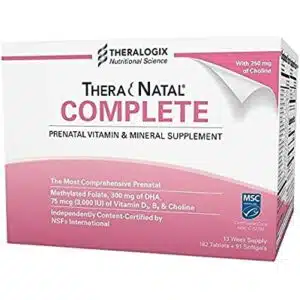
TheraNatal Complete and OvaVite
Produced by Theralogix—a nutraceutical company recognized for rigorous independent third-party testing, NSF International certification, and allergen-free manufacturing—TheraNatal Complete is formulated specifically to meet the enhanced nutritional demands of pregnancy. It provides elevated levels of vitamin D3, methylated folate, choline, and purified marine-source DHA.
For the preconception phase, Theralogix offers TheraNatal OvaVite, which integrates standard preconception vitamins with Coenzyme Q10 (CoQ10). CoQ10 is a powerful intracellular antioxidant that supports mitochondrial energy production within the oocytes, a critical factor given the compromised egg quality frequently observed in PCOS. Clinical integration often pairs these preconception products with myo-inositol and D-chiro-inositol supplements (such as Ovasitol) to support insulin sensitivity, restore regular ovulatory cycles, and improve metabolic markers prior to pregnancy.
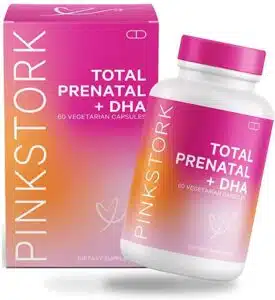
Pink Stork Total Prenatal with DHA and Folic Acid
Another prominent option in specialized maternal health is Pink Stork Total Prenatal. This formulation combines standard dosages of folate and DHA with therapeutic levels of vitamin D3, vitamin C, vitamin E, a comprehensive B-complex spectrum, and essential trace minerals including zinc, selenium, copper, and chromium. Chromium, in particular, has been studied for its supportive role in glucose metabolism, making formulations containing trace minerals appealing for individuals managing insulin-resistant phenotypes of PCOS.
Nature Made Prenatal with Folic Acid and DHA
For patients seeking a widely accessible and economically viable option without sacrificing quality, Nature Made Prenatal provides a balanced spectrum of core pregnancy nutrients, including essential B-vitamins, iron, calcium, and DHA. While lacking the specialized high-dose vitamin D or targeted antioxidant additions found in clinical-grade formulations, it adheres strictly to regulatory safety standards and offers a reliable foundational supplement for uncomplicated pregnancies.
Addressing Clinical Questions: Preconception, Fertility, and Gestational Risk
Distinguishing Preconception from Prenatal Formulations
A frequent point of confusion among patients is the distinction between preconception and prenatal vitamins. Preconception formulas are engineered to prepare the internal cellular environment for fertilization, often emphasizing antioxidants, oocyte-supporting compounds like CoQ10, and higher concentrations of specific B-vitamins. In contrast, prenatal vitamins are optimized to sustain maternal physiological changes and fetal growth once pregnancy is established. For individuals with PCOS, initiating a targeted preconception regimen can address foundational challenges related to oxidative stress and oocyte maturation before transitioning to a standard prenatal vitamin upon confirmation of pregnancy.
Do Prenatal Vitamins Directly Treat Infertility?
It is clinically vital to clarify that prenatal and preconception vitamins are not standalone cures for PCOS-related infertility. While they correct nutritional deficits, lower systemic inflammation, and support healthy cellular development, restoring fertility in PCOS typically requires a multifaceted, personalized intervention plan. This may include targeted insulin-sensitizing agents (such as prescription metformin or over-the-counter inositols), medically supervised ovulation induction therapies, and structured lifestyle modifications focusing on anti-inflammatory nutritional patterns and sustainable weight management.
Mitigating Gestational Risk Factors
Patients with PCOS face a statistically elevated risk of developing pregnancy-related complications, most notably gestational diabetes mellitus (GDM) and pre-eclampsia. While high-quality prenatal vitamins and targeted supplements like inositols play a supportive role in optimizing metabolic health, nutritional supplementation alone is insufficient to entirely eliminate these risks. Comprehensive prenatal care must include rigorous obstetrical monitoring, structured glucose tolerance testing throughout gestation, blood pressure surveillance, and close collaboration with maternal-fetal medicine specialists where indicated.
Summary and Professional Guidance
Managing PCOS during the preconception and prenatal periods demands an informed, proactive approach to nutrition and supplementation. By prioritizing evidence-based micronutrients—such as methylated folate, high-potency vitamin D3, bioavailable iron, calcium, and anti-inflammatory omega-3 fatty acids—patients can actively support both their own metabolic health and the optimal development of their child. Because individual health profiles, metabolic phenotypes, and nutritional requirements vary widely, patients are strongly advised to consult with an obstetrician, reproductive endocrinologist, or registered dietitian specializing in endocrine health before initiating or modifying any supplement regimen.
