
A Canadian lawyer grappling with the enduring consequences of severe acne scarring has shared a poignant account of its pervasive impact on her daily life, underscoring a broader struggle faced by millions worldwide. "Every day is a struggle, and the emotional wounds feel just as raw as the physical ones," describes the 40-year-old South Asian woman, who has chosen to remain anonymous to protect her privacy. Her testimony brings to light the often-overlooked psychological and social burdens associated with chronic skin conditions, challenging simplistic notions of self-acceptance in a society fixated on flawless appearances.
"It is easy to say ‘accept yourself, love yourself,’ but the reality is that we carry many scars with us, and when you also carry them on your face, that weight becomes very heavy," she articulates, capturing the immense pressure and isolation that can accompany visible disfigurement. Her experience serves as a stark reminder that skin conditions are not merely cosmetic concerns but profound health issues with significant implications for mental well-being, social engagement, and overall quality of life.
The Unfolding Journey: A Personal Chronology of Dermatological Distress
The lawyer’s battle with acne began in her early twenties, coinciding with her entry into university, a period often marked by new stresses and hormonal changes. Initially, the condition was manageable, a common experience for many young adults. However, the trajectory of her skin health dramatically shifted in her early thirties. "The progression of my acne was swift and relentless," she recounts, detailing a rapid escalation into severe cystic acne within a span of months. This aggressive form of acne is characterized by large, painful, pus-filled cysts that extend deep into the skin, causing significant inflammation and often leading to permanent scarring.

Compounding the physical distress was the added challenge of hyperpigmentation, a condition where inflamed skin leaves behind dark spots. For individuals with skin of colour, like the lawyer, the risk of post-inflammatory hyperpigmentation (PIH) is significantly higher due to the increased melanin content in their skin. This phenomenon, she explains, "further complicat[ed] my condition and leav[ing] me with even less treatment options." The combination of deep scarring and persistent dark spots created a complex dermatological landscape that was not only physically painful but profoundly disfiguring.
The sudden transformation of her skin was deeply traumatic. "The sudden change was not just a physical burden — it was deeply traumatic and emotionally devastating," she recalls. "Seeing my once-clear skin covered in large, dark and pus-filled hills made me feel helpless and shattered my confidence immensely." This period marked a turning point, leading to heightened emotional and physical sensitivity, a reluctance to look in mirrors, and an overwhelming sense of embarrassment that curtailed social interactions. The judgment, real or perceived, became a constant companion, forcing her into a self-imposed isolation.
Societal and Cultural Layers of Suffering
The challenges she faced were further exacerbated by her cultural background. "My cultural background (South Asian) added another layer of pain as insensitive comments about skin conditions are unfortunately common and something I experienced regularly which made the experience even more isolating," she explains. In many South Asian communities, societal beauty standards often prioritize clear, unblemished skin, and skin conditions can carry significant stigma. "Often cruel and unsolicited comments would be thrown my way with callous disregard to my situation," she states, highlighting the lack of empathy and understanding that frequently accompanies visible differences. This cultural dimension of judgment amplified her feelings of isolation and shame, making her personal struggle even more arduous.
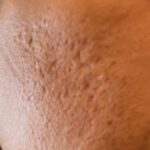
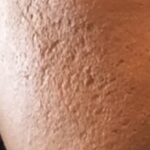
The lawyer’s daily life continues to be dictated by the visible reminders of her past skin struggles. "To date, there are days when I won’t go out in public," she admits. The unforgiving nature of certain lighting conditions and the limitations of make-up in concealing deep, uneven texture mean that her appearance remains a source of significant anxiety. As she ages, the loss of skin elasticity further accentuates the scarring, making it more pronounced. Consequently, she actively limits her engagement with social media and in-person socialization, a poignant illustration of how deeply acne scarring can erode one’s quality of life and sense of belonging.
The Broader Landscape of Acne and Its Impact: Supporting Data and Context
Acne vulgaris, commonly known as acne, is one of the most prevalent skin conditions globally, affecting an estimated 85% of young people aged 12-24 years. While often dismissed as a rite of passage, severe forms like cystic acne can have devastating long-term physical and psychological consequences. Approximately 1 in 5 individuals with acne will develop scarring, and this percentage increases significantly with the severity and duration of the condition, especially if left untreated or inadequately managed.
The psychological burden of acne and its scarring is immense. Studies consistently demonstrate a strong correlation between acne and mental health issues, including anxiety, depression, social phobia, body dysmorphic disorder, and suicidal ideation. A meta-analysis published in the British Journal of Dermatology found that individuals with acne are 63% more likely to develop depression. The visible nature of facial scarring makes it particularly challenging, as it directly impacts self-perception and how one is perceived by others. The lawyer’s testimony aligns perfectly with these findings, illustrating the profound distress that can lead to social withdrawal and impaired daily functioning.
Furthermore, the issue of post-inflammatory hyperpigmentation (PIH) in skin of colour is a critical aspect of dermatological care that often receives insufficient attention. PIH is more common, more severe, and more persistent in Fitzpatrick skin types III-VI (individuals with olive to dark skin tones). This demographic also faces unique challenges in treatment, as many standard acne and scar treatments can inadvertently worsen hyperpigmentation or lead to other adverse effects. The lack of culturally competent dermatological care and products specifically formulated for diverse skin tones further complicates effective management, creating disparities in outcomes.
Expert Perspectives on Management and Mental Health
Dermatologists emphasize that early and aggressive treatment of severe acne is crucial to prevent scarring. Dr. Amina Khan, a Toronto-based dermatologist specializing in ethnic skin, explains, "For cystic acne, waiting is not an option. Each cyst can cause permanent damage, and the longer it persists, the higher the risk of deep, irreversible scars. For patients with skin of colour, we also have to simultaneously manage the risk of hyperpigmentation, often requiring a multi-faceted approach with topical agents, oral medications, and sometimes procedures like chemical peels or lasers, chosen very carefully." However, even with the best care, some scarring is unavoidable, and its treatment can be protracted, expensive, and not always fully effective.
Mental health professionals routinely acknowledge the profound link between visible skin conditions and psychological well-being. Dr. Sarah Chen, a clinical psychologist focusing on body image, states, "The face is central to identity and social interaction. When it is significantly altered by scarring, it can lead to a profound sense of loss and grief, akin to a disfigurement. Patients often internalize societal judgments, leading to shame and a diminished sense of self-worth. It’s critical that dermatological care is integrated with psychological support to address the emotional scars alongside the physical ones." The lawyer’s struggle to "accept myself" despite external pressures highlights the ongoing internal battle.
Advocacy and Resources: A Call for Greater Awareness and Support
Organizations like AcneAction.ca, whose mission is to improve the lives of Canadians affected by acne, play a vital role in addressing these complex issues. These groups work to raise public awareness, provide educational resources, and advocate for better access to effective treatments and support services. Their efforts are crucial in destigmatizing acne and its sequelae, fostering a more empathetic environment for those affected. The lawyer’s advice, "do your research thoroughly," resonates with the increasing availability of reliable information through such platforms.
The journey of living with severe acne scarring is a testament to resilience, but also a call to action for society to re-evaluate its beauty standards and cultivate greater compassion. The lawyer’s candour about her ongoing struggle with self-esteem, despite her professional achievements and personal growth, is a powerful message. "I wish I could offer some wisdom about accepting yourself and finding peace despite the acne and scars but I can’t — I’m not there. I still grapple with self-esteem issues." This honesty is vital in countering the pervasive narrative of instant self-love and acceptance often pushed in mainstream media.

Beyond Personal Struggle: Implications for Healthcare and Society
The implications of this individual’s story extend far beyond her personal experience. It highlights systemic challenges in healthcare, including the need for:
- Improved access to dermatological care: Early intervention is critical, yet many individuals face long wait times or financial barriers.
- Culturally sensitive treatment protocols: Greater research and development into treatments specifically tailored for diverse skin tones are essential to address disparities in outcomes for conditions like PIH.
- Integrated mental health support: Recognizing the intrinsic link between skin health and mental well-being, healthcare systems must facilitate access to psychological counselling alongside dermatological treatments.
- Public education and destigmatization: Challenging unrealistic beauty standards and fostering empathy for those with visible differences can reduce the social burden and isolation experienced by individuals like the lawyer.
Despite the persistent challenges, the lawyer has drawn a profound positive from her experience: "I have developed deep compassion and empathy for people who have had injuries to their face and others who have suffered facial disfigurement." This newfound empathy underscores a universal truth – that shared human vulnerability can be a powerful catalyst for understanding and connection. "If this is how intense I feel about pitted acne scars, my heart, compassion and love go out to them even more to their extremely difficult challenges," she concludes, offering a poignant message of solidarity to others navigating similar battles. Her story is not just a personal confession of struggle but a compelling narrative that calls for greater societal understanding, improved medical support, and a more inclusive definition of beauty that embraces, rather than shuns, the marks of life’s complex journey.
