
Polycystic Ovary Syndrome (PCOS) remains one of the most common endocrine disorders affecting women of reproductive age, impacting an estimated 6 to 12 percent of women in the United States alone, or as many as 5 million individuals according to the Centers for Disease Control and Prevention (CDC). Characterized by hormonal imbalances, irregular menstrual cycles, and the presence of small ovarian cysts, PCOS is a leading cause of female subfertility. For many individuals diagnosed with the condition, the journey to conception requires a comprehensive approach that integrates medical supervision with targeted nutritional and lifestyle interventions.

The clinical landscape of PCOS-related infertility is largely driven by metabolic dysfunction, specifically insulin resistance. When the body’s cells fail to respond effectively to insulin, the pancreas produces higher amounts of the hormone to compensate. Elevated circulating insulin levels stimulate the ovaries to overproduce testosterone and other androgens, which in turn disrupt normal follicular development and inhibit regular ovulation. Consequently, women with PCOS frequently experience anovulatory cycles, making natural conception unpredictable and often prolonged.
The Diagnostic Journey and the Quest for Family Planning
For many patients, receiving a formal diagnosis of PCOS occurs only after encountering hurdles in family planning. The initial realization that conception may not happen as effortlessly as anticipated often brings a complex mix of frustration and urgency. While some individuals may achieve pregnancy relatively quickly with minor adjustments, others face years of medical treatments, ranging from ovulation-inducing medications like letrozole to assisted reproductive technologies such as in vitro fertilization (IVF).

The emotional toll of managing an unpredictable reproductive cycle while dealing with an endocrine disorder is well-documented by psychological researchers specializing in reproductive health. The uncertainty surrounding ovulation dates, coupled with irregular menses, places considerable psychological stress on patients. Medical professionals emphasize that addressing both the physical and emotional dimensions of PCOS is vital for those attempting to expand their families.
Nutritional Foundations: Managing Insulin and Hormonal Balance
Dietary management serves as a cornerstone in the holistic management of PCOS. Because every nutrient ingested influences endocrine signaling, clinicians and nutrition researchers advocate for dietary patterns that stabilize blood sugar and mitigate hyperinsulinemia.
To counteract the insulin-testosterone cascade, nutritional guidelines for PCOS management strongly recommend prioritizing low-glycemic index (GI) carbohydrates. Unlike high-GI foods that cause rapid spikes in blood glucose and subsequent surges in insulin, low-GI foods—such as whole grains, legumes, and non-starchy vegetables—digest slowly, promoting stable glycemic control. Pairing these carbohydrates with adequate lean protein and healthy fats further buffers the glycemic response, protecting against the hormonal disruptions that hinder ovulation.
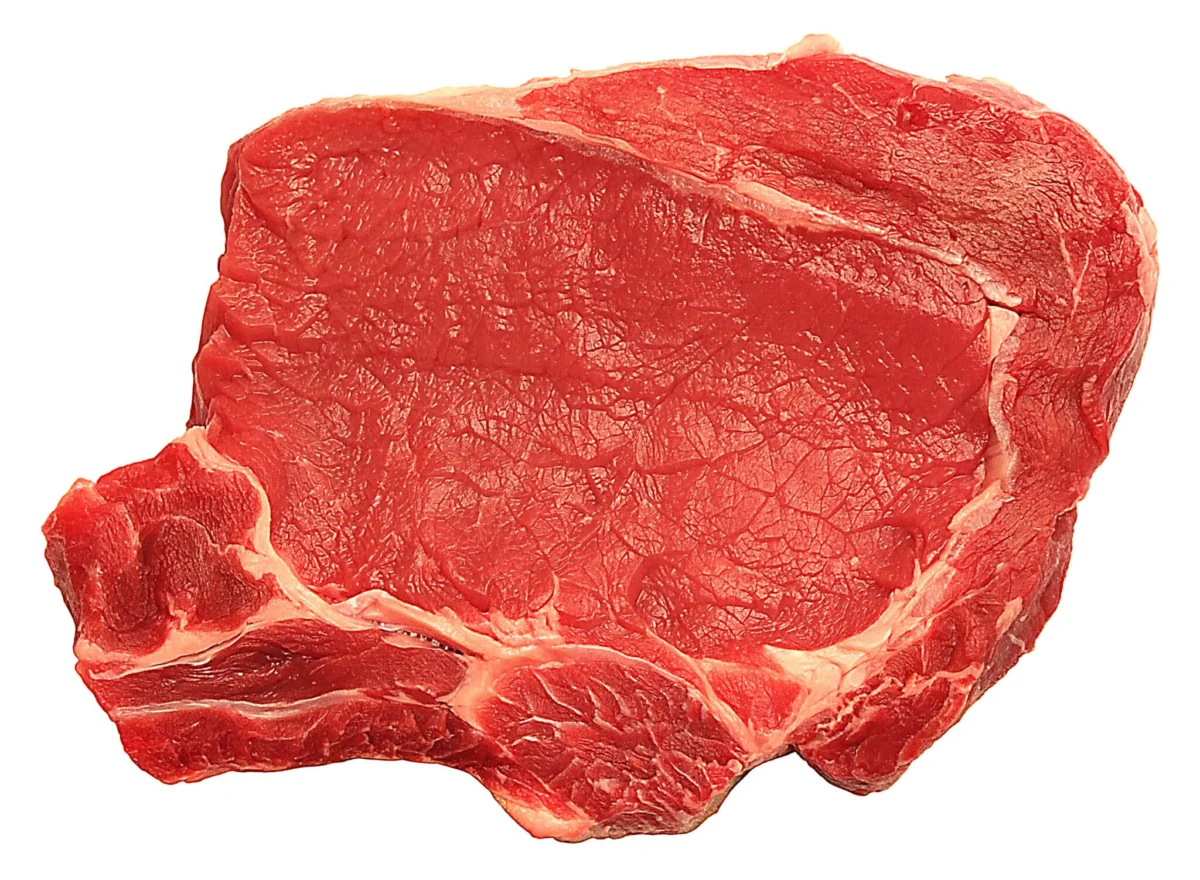
In addition to managing insulin, addressing estrogen balance is critical for reproductive success. Women with PCOS frequently experience estrogen dominance, a state exacerbated by both internal metabolic factors and external influences. Environmental xenoestrogens, synthetic compounds found in plastics, pesticides, and certain cosmetics, can mimic natural estrogen in the body and bind to estrogen receptors. Furthermore, conventional animal products may contain residual exogenous hormones administered during livestock production. To minimize exposure, many reproductive health experts recommend sourcing organic, grass-fed animal proteins and emphasizing plant-based foods, while remaining mindful of specific phytoestrogens, such as soy, which clinical studies suggest may influence ovulation timing in some individuals.
The Critical Role of Weight Management
Weight regulation is frequently discussed in the context of PCOS, though clinicians note that weight loss can be disproportionately challenging for patients due to underlying metabolic resistance. Nevertheless, extensive clinical research indicates that modest weight reduction yields significant physiological benefits. Studies demonstrate that losing even 5 to 10 percent of total body weight can help restore spontaneous ovulation, regularize menstrual periodicity, and markedly improve pregnancy rates among women with PCOS. Rather than focusing on rapid weight loss, medical guidelines recommend sustainable, long-term dietary modifications that support metabolic health and reduce systemic inflammation.
Targeted Supplementation to Support Ovulation and Pregnancy
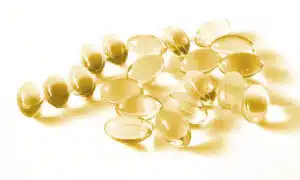
Beyond dietary adjustments, targeted micronutrient supplementation is frequently utilized to correct nutritional deficiencies common in patients with PCOS. Because these deficiencies can impair metabolic function and egg quality, clinicians often recommend specific evidence-based supplements as part of a preconception plan.
Multivitamins and Metabolic Cofactors
A high-quality foundational multivitamin ensures adequate baseline nutritional status. Among specific micronutrients, chromium has garnered significant attention for its role in glucose metabolism. Chromium enhances the action of insulin, helping to clear glucose from the bloodstream more efficiently. By improving insulin sensitivity, chromium supplementation can indirectly reduce ovarian androgen production, thereby supporting more favorable conditions for ovulation. Endocrinologists, however, advise caution for patients concurrently utilizing pharmaceutical insulin-sensitizing agents, as combined therapies can occasionally precipitate hypoglycemia.
Vitamin D and Calcium
Vitamin D deficiency is markedly prevalent among women with PCOS, with studies suggesting rates exceeding 70 percent in certain cohorts. Adequate Vitamin D status is closely linked to insulin sensitivity, ovarian function, and overall metabolic health. Clinical trials evaluating the co-supplementation of Vitamin D and calcium have shown promising results in regulating menstrual cycles and increasing the yield of mature ovarian follicles, both of which are critical benchmarks for fertility enhancement.

B-Vitamins and Folate
The B-vitamin complex plays an indispensable role in reproductive endocrinology. Vitamin B6, for instance, assists in modulating progesterone levels and supporting an optimal luteal phase length. Concurrently, folic acid (Vitamin B9) is universally recommended for all individuals planning pregnancy to support proper neural tube closure and reduce the risk of congenital anomalies such as spina bifida during the earliest stages of gestation.
Omega-3 Fatty Acids
Essential fatty acids, particularly Omega-3 polyunsaturated fats found in fatty fish and high-quality supplements, are vital components of cellular membranes and hormone synthesis. Research indicates that Omega-3 supplementation can significantly lower serum testosterone levels in women with PCOS, offering a dual benefit of ameliorating dermatological or metabolic symptoms while fostering a more hospitable hormonal environment for conception.

Broader Implications and Medical Guidance
While nutritional and lifestyle modifications offer powerful tools for optimizing fertility, medical professionals stress that every patient’s biochemical profile is unique. Guidance from qualified endocrinologists, reproductive endocrinologists, and registered dietitians specializing in hormonal health is essential to tailor interventions safely.
As research into the interplay between metabolism, nutrition, and reproductive medicine continues to evolve, patients equipped with evidence-based strategies are better positioned to navigate the complexities of PCOS. By proactively managing insulin resistance, optimizing nutrient intake, and working closely with healthcare providers, individuals with PCOS can significantly enhance their prospects of achieving a healthy pregnancy and laying the groundwork for long-term metabolic wellness.
