
The year 2021 presented a complex landscape for public health and individual well-being, marked by a continued societal adaptation to the "new normal" that emerged in the wake of the COVID-19 pandemic. While many individuals re-engaged with pre-pandemic routines, the period also saw the solidification of new habits and the persistence of challenges that underscored the ongoing need for robust health strategies. A significant U.S. consumer survey conducted in 2021, as reported by the International Food Information Council (IFIC) Food & Health Survey, revealed shifts in dietary behaviors compared to the initial lockdown phase of 2020. Notably, the percentage of Americans reporting increased snacking declined from 32% in 2020 to 18% in 2021. Similarly, the proportion of individuals who stated they were "eating more in general" dropped from 20% in 2020 to 11% in 2021.
However, this apparent return to pre-pandemic norms was not uniform across all aspects of food consumption. The same survey indicated a decrease in home cooking, with 47% of consumers reporting this behavior in 2021, down from 60% in 2020. This trend suggests a potential resurgence in reliance on dining out or prepared meals, which can have implications for nutritional intake and overall dietary quality. Beyond these shifts, the survey also highlighted persistent and significant disparities in food security across different demographic groups, a critical issue exacerbated by the economic fallout of the pandemic.
The persistent presence of COVID-19, underscored by the emergence of new viral variants, continued to serve as a stark reminder of the global health imperative for increased vaccination rates. This urgency is particularly pronounced in low- and lower-middle-income countries, where access to vaccines and healthcare infrastructure remains a critical challenge.
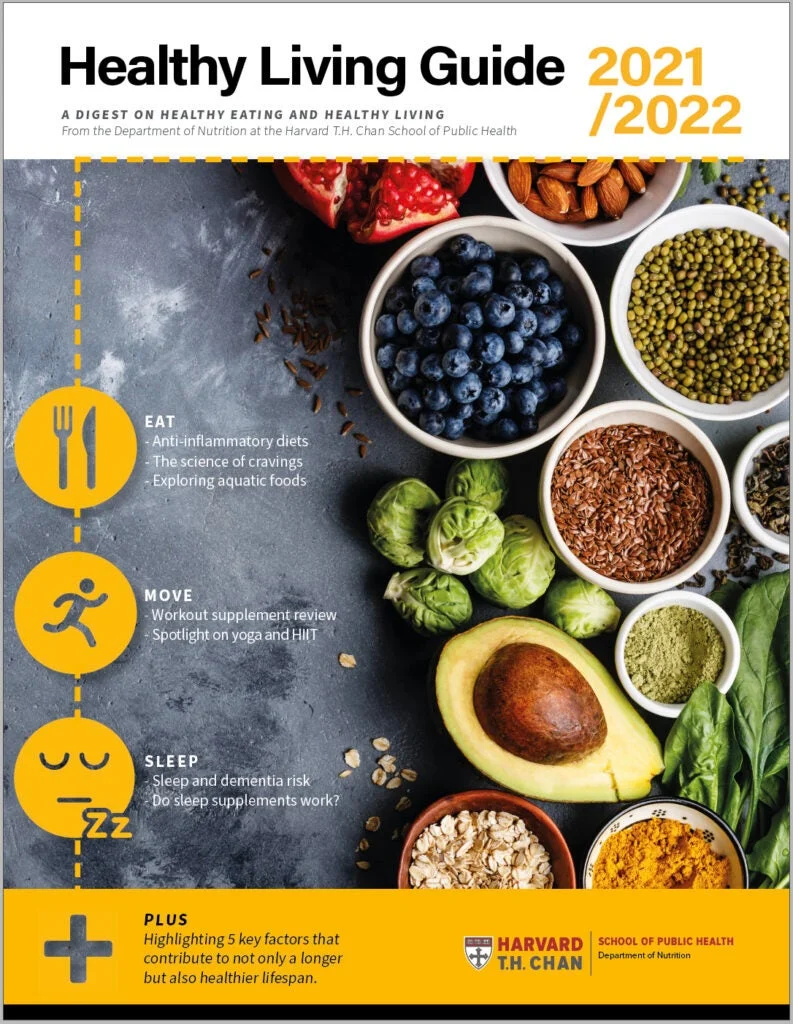
In response to these evolving circumstances and the enduring importance of proactive health management, the Harvard T.H. Chan School of Public Health’s Nutrition Source has once again released its annual Healthy Living Guide. This comprehensive resource aims to equip individuals with evidence-based information and practical strategies to foster healthy eating, physical activity, and adequate sleep. The 2022 edition, building upon the themes of previous years, offers selected research highlights and in-depth explorations of popular nutrition and lifestyle topics, serving as a valuable tool for navigating the complexities of maintaining well-being in the current environment.
Navigating the "New Normal": Shifts in Consumer Behavior
The period between 2020 and 2021 represented a critical juncture in how the public approached daily life amidst the ongoing COVID-19 pandemic. The initial shock and widespread lockdowns of 2020 spurred significant behavioral changes, many of which were temporary or evolved as societies adapted. The IFIC Food & Health Survey provides a quantifiable glimpse into these shifts, particularly concerning dietary habits.
Timeline of Key Behavioral Trends (2020-2021):
- Early Pandemic (2020): Widespread lockdowns, increased uncertainty, and a shift towards home-based activities. This period saw a surge in home cooking, increased snacking, and a general increase in overall food consumption for many.
- Adaptation Phase (2021): A gradual return to some pre-pandemic routines, alongside the integration of new habits formed during the lockdowns. Consumer surveys indicated a tempering of some of the more extreme behavioral shifts observed in 2020.
The decrease in reported "snacking more" from 32% to 18% suggests a potential return to more structured meal patterns or a reduction in the perceived need for constant grazing, possibly linked to increased workplace attendance or a more regulated daily schedule. Similarly, the decline in "eating more in general" from 20% to 11% could reflect a normalization of energy expenditure and a less anxiety-driven approach to food consumption.
However, the simultaneous drop in home cooking from 60% to 47% is a noteworthy counter-trend. This suggests that while some aspects of pandemic-induced behaviors have receded, the appeal of convenience and the resumption of external social and professional engagements may be leading individuals to rely more on external food sources. This trend has significant implications for public health, as home-cooked meals often offer greater control over ingredients, portion sizes, and nutritional content compared to restaurant meals or processed convenience foods.
Supporting Data: Food Security and Disparities
The IFIC survey also brought into sharp focus the persistent issue of food insecurity, highlighting that the pandemic’s impact was not evenly distributed. While specific figures for food security disparities were not detailed in the provided excerpt, the mention of "significant disparities in food security" underscores a critical public health concern. According to the USDA’s Household Food Security in the United States report, in 2020, 10.5% of households (13.5 million people) were food insecure. The pandemic disproportionately affected low-income households, minority populations, and individuals in urban and rural areas facing economic hardship.
These disparities are often linked to factors such as unemployment, underemployment, lack of access to affordable and nutritious food retail outlets (food deserts), and systemic inequalities. The continued reliance on external food sources in 2021, as indicated by the decrease in home cooking, could exacerbate food insecurity for vulnerable populations if they are forced to choose less nutritious, more affordable options or face difficulties accessing adequate meals.
The Enduring Impact of COVID-19 and the Call for Global Health Equity
The emergence of new COVID-19 variants throughout 2021 and into 2022 served as a persistent global health challenge. The Omicron variant, for instance, demonstrated the virus’s capacity for rapid transmission, necessitating ongoing public health measures and a renewed emphasis on vaccination.
Background Context: The COVID-19 pandemic, which began in late 2019, rapidly evolved into a global health crisis. The development and rollout of vaccines in 2020 and 2021 offered a significant tool for mitigation, but equitable distribution and access remained a major concern.
Timeline of Global Vaccination Efforts:
- Late 2020 – Early 2021: Initial rollout of vaccines in high-income countries, focusing on frontline workers and vulnerable populations.
- Mid-2021: Efforts to expand global access through initiatives like COVAX, but significant disparities emerged. High-income nations secured a disproportionate share of early vaccine supplies.
- Late 2021 – Early 2022: Continued global vaccination campaigns, with the emergence of new variants like Omicron highlighting the need for widespread immunization to curb transmission and reduce the risk of further mutations.
Statements and Reactions (Inferred): Public health organizations and international bodies consistently emphasized the ethical and practical necessity of global vaccine equity. Statements from the World Health Organization (WHO) and UNICEF repeatedly highlighted that the pandemic would not truly end until it was controlled everywhere. The scientific consensus was clear: widespread vaccination globally is crucial not only for protecting individual lives but also for preventing the emergence of new, potentially more dangerous variants that could threaten even vaccinated populations.
Analysis of Implications: The uneven distribution of vaccines created a two-tiered global health landscape. While many high-income countries achieved high vaccination rates, large portions of the global population, particularly in Africa and parts of Asia, remained unvaccinated or under-vaccinated. This not only led to higher mortality and morbidity rates in these regions but also created a fertile ground for viral evolution, posing a risk to the entire world. The continued emergence of variants underscores that the pandemic’s end is contingent upon a concerted global effort to achieve equitable vaccine access and robust public health infrastructure worldwide.
The Healthy Living Guide: A Resource for Proactive Well-being
In recognition of these multifaceted health challenges, the Harvard T.H. Chan School of Public Health’s Nutrition Source continues to provide accessible and authoritative guidance on healthy living. The 2022 Healthy Living Guide is presented as a vital resource for individuals seeking to incorporate evidence-based practices into their daily routines.
The guide’s core themes—eating well, being active, and getting enough sleep—remain fundamental pillars of public health. These elements are interconnected and collectively contribute to robust immune function, mental well-being, and the prevention of chronic diseases.
Key Features of the 2022 Healthy Living Guide (as indicated by the original article’s structure):
- Revisiting Core Themes: The guide re-examines the foundational principles of healthy eating, physical activity, and sleep.
- Selected Research Highlights: It presents summaries of recent scientific findings relevant to these areas, offering readers updated insights.
- In-depth Look at Popular Topics: The guide delves into contemporary nutrition and lifestyle trends, providing evidence-based perspectives.
- Printable Tip Sheets and Summaries: For practical application, the guide includes downloadable resources that can be easily integrated into daily life.
- Links to Full Online Articles: Readers are provided with access to more detailed information through hyperlinks to the Nutrition Source’s extensive online archive.
The inclusion of a "Test your healthy living knowledge" section, with answers found in previous editions, further encourages engagement and reinforces learning. This interactive element serves as a valuable tool for self-assessment and for identifying areas where individuals might benefit from further information or habit adjustment. Access to the full 2020-2021 edition is also provided, ensuring continuity and a comprehensive resource base for readers.
Broader Implications for Public Health Strategy
The trends observed in consumer behavior and the persistent global health challenges highlight the need for multifaceted public health strategies. The decrease in home cooking, for instance, suggests that public health initiatives may need to address not only nutritional education but also the accessibility and affordability of healthy food options outside the home. This could involve partnerships with the food service industry, initiatives to promote healthier menu options, and policies that support healthier food environments.
Furthermore, the persistent disparities in food security and vaccine access underscore the importance of addressing social determinants of health. Effective public health interventions must consider the underlying economic, social, and environmental factors that influence health outcomes. This includes advocating for policies that promote economic stability, ensure access to affordable housing and healthcare, and dismantle systemic inequalities.
The Harvard T.H. Chan School of Public Health’s Healthy Living Guide represents a crucial component of this broader effort. By providing accessible, evidence-based information, it empowers individuals to make informed choices about their health. However, these individual efforts must be complemented by systemic changes and robust public health policies that create environments where healthy choices are the easiest choices for everyone. The ongoing adaptation to the "new normal" necessitates a continuous evaluation of public health strategies, ensuring they are responsive to evolving societal behaviors and persistent global inequities.
