
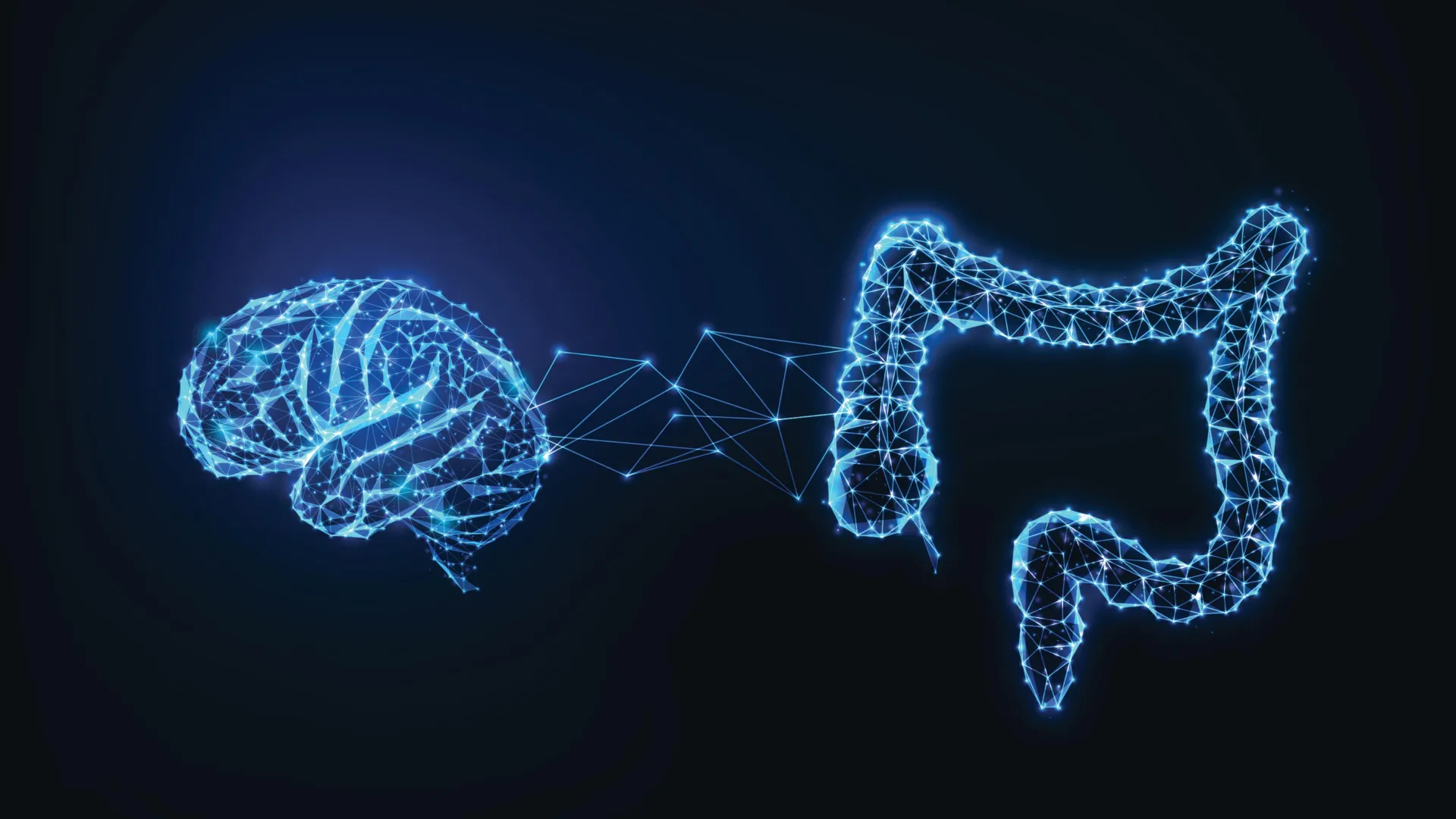
Researchers at Case Western Reserve University have unveiled a groundbreaking discovery that promises to revolutionize the understanding and treatment of Amyotrophic Lateral Sclerosis (ALS) and Frontotemporal Dementia (FTD), two of the most debilitating neurological conditions. Their pioneering work has pinpointed an unexpected and critical player in the progression of these diseases: the intricate community of bacteria residing within the human gut. This finding establishes a direct link between gut microbes and the neurodegeneration characteristic of ALS and FTD, offering novel therapeutic avenues and a deeper comprehension of disease etiology.
The scientific team’s meticulous investigation revealed a significant correlation between specific bacterial byproducts in the digestive system and the neuronal damage observed in patients afflicted with ALS and FTD. Crucially, they identified how certain sugars produced by gut bacteria can instigate immune responses that ultimately lead to the destruction of brain cells. Furthermore, and perhaps most optimistically, the researchers have elucidated mechanisms to interrupt this destructive cascade, opening a new frontier in the fight against these devastating illnesses.
Understanding the Devastation of ALS and FTD
Amyotrophic Lateral Sclerosis (ALS), often referred to as Lou Gehrig’s disease, is a progressive neurodegenerative disorder that primarily affects the motor neurons—the nerve cells responsible for controlling voluntary muscle movement. As these neurons degenerate, muscles weaken and atrophy, leading to progressive paralysis. This condition tragically impacts a person’s ability to speak, swallow, breathe, and move, ultimately proving fatal. The onset of ALS typically occurs between the ages of 40 and 70, with an average survival rate of two to five years after diagnosis, though some individuals live much longer.
Frontotemporal Dementia (FTD) is a group of brain disorders characterized by the progressive loss of neurons in the frontal and temporal lobes of the brain. These regions are critical for personality, behavior, language, and executive functions. Consequently, FTD manifests as profound changes in personality and behavior, such as apathy, impulsivity, or social inappropriateness, as well as significant difficulties with language comprehension and expression. FTD is a significant cause of early-onset dementia, often affecting individuals between the ages of 45 and 65. It is estimated to account for 10-20% of all dementia cases.
Despite decades of intensive research, the precise underlying causes of both ALS and FTD remain largely elusive. Scientists have explored a wide array of potential contributing factors, including genetic predispositions, environmental exposures, traumatic brain injuries, and dietary influences. However, the complex interplay of these elements and the specific mechanisms driving neurodegeneration have continued to pose significant challenges.
Unraveling the Gut-Brain Axis: A Novel Mechanism for Disease Risk
The groundbreaking study, published in the esteemed journal Cell Reports, provides a compelling answer to a persistent question that has long puzzled researchers: why do some individuals develop these devastating diseases, particularly those with genetic predispositions, while others with similar genetic profiles remain unaffected? The research uncovers a previously unrecognized molecular pathway that directly links the activity within the gut microbiome to the progression of brain damage, especially in individuals carrying specific genetic mutations known to increase their risk for ALS and FTD.
Dr. Aaron Burberry, assistant professor in the Department of Pathology at Case Western Reserve School of Medicine, articulated the core of their discovery: "We found that harmful gut bacteria produce inflammatory forms of glycogen, a type of sugar. These bacterial sugars, in turn, trigger immune responses that are directly damaging to brain cells." This revelation shifts the focus from solely intrinsic neuronal vulnerabilities to the influence of external factors modulated by the gut environment.
The research team analyzed a cohort of 23 patients diagnosed with ALS or FTD. Their findings were striking: approximately 70% of these patients exhibited elevated levels of this specific harmful bacterial glycogen. In stark contrast, only about one-third of individuals without these neurodegenerative diseases showed comparable levels of the inflammatory sugar. This significant statistical difference underscores the direct association between the presence of this bacterial byproduct and the diseases under investigation.
New Therapeutic Targets and a Beacon of Hope for Patients
These findings carry immense and immediate clinical relevance, offering a paradigm shift in how doctors might approach the management of ALS and FTD. By identifying harmful gut sugars as a principal driver of disease progression, researchers now possess concrete and actionable targets for the development of novel therapeutic interventions. The study also points to the potential for identifying specific biomarkers within the gut microbiome that could aid clinicians in stratifying patients and identifying those who might most benefit from therapies specifically designed to modulate the gut environment.
The implications of this research are far-reaching. It paves the way for the creation of innovative treatments aimed at neutralizing or breaking down these damaging sugars within the digestive system. Furthermore, it strongly supports the development of pharmaceutical agents designed to specifically target and regulate the complex communication network between the gut and the brain. This offers tangible hope for individuals at risk or in the early stages of ALS and FTD, suggesting the possibility of slowing, or even potentially preventing, disease progression.
Dr. Alex Rodriguez-Palacios, assistant professor in the Digestive Health Research Institute at the School of Medicine, expressed enthusiasm for the translational potential of their work. He noted that in their experimental models, the team was successfully able to reduce the levels of these harmful sugars. The results of these interventions were profoundly encouraging, leading to "improved brain health and extended lifespan" in the affected subjects. This demonstrates the direct impact of modulating the gut microbiome on the course of these neurological disorders.
The Role of Gut Bacteria in Genetic Predisposition to Disease
This discovery holds particular significance for individuals who carry genetic mutations known to increase their susceptibility to ALS and FTD. The most common genetic cause of these diseases is the C90RF72 mutation. However, a critical aspect of this mutation is that not all carriers develop the disease. This observation has long been a source of scientific inquiry. The current research offers a compelling explanation for this variability, suggesting that the presence of the C90RF72 mutation may render individuals more vulnerable to the detrimental effects of specific gut bacteria.
The findings strongly indicate that gut bacteria can act as an environmental trigger, a crucial factor that influences whether the disease ultimately manifests in genetically predisposed individuals. In essence, the genetic predisposition may create a fertile ground, but the presence and activity of specific harmful gut microbes may be the catalyst that initiates and drives the disease process. This concept of gene-environment interaction is fundamental to understanding complex diseases and offers a new angle for intervention.
Innovative Research Methodologies Pave the Way for Breakthroughs
The remarkable breakthrough achieved by the Case Western Reserve University team was made possible by the implementation of cutting-edge laboratory methodologies housed within the university’s Department of Pathology and Digestive Health Research Institute. A cornerstone of their investigative approach involved the utilization of germ-free mouse models. These specialized animals are meticulously raised in completely sterile environments, devoid of any microbial colonization. This highly controlled setting allows researchers to precisely isolate and study the specific effects of individual microbes or microbial communities on disease development and progression, free from confounding factors.
This innovative research program is under the distinguished leadership of Fabio Cominelli, Distinguished University Professor and director of the Digestive Health Research Institute. A critical component enabling this advanced research is an exceptionally rare and sophisticated "cage-in-cage" sterile housing system, ingeniously developed by Dr. Rodriguez-Palacios. This unique infrastructure possesses the capability to support large-scale, comprehensive studies of the gut microbiome. Traditional research methods often restrict scientists to studying only a limited number of animals at any given time, significantly hindering the scope and depth of microbiome investigations. The "cage-in-cage" system, however, facilitates the study of a much larger number of subjects, allowing for more robust and conclusive findings regarding the intricate communication pathways between the gut and the brain.
Future Directions: Clinical Trials on the Horizon
Looking ahead, the research team is poised to embark on the next crucial phase of their investigation. Dr. Burberry outlined their immediate plans: "To understand when and why harmful microbial glycogen is produced, the team will next conduct larger studies surveying gut microbiome communities in ALS/FTD patients before and after disease onset." This longitudinal approach will provide invaluable insights into the temporal dynamics of microbial changes and their correlation with disease progression.
Furthermore, the findings strongly support the initiation of clinical trials. Dr. Burberry stated that "Clinical trials to determine whether glycogen degradation in ALS/FTD patients could slow disease progression are also supported by our findings and could begin in a year." This suggests a rapid translation of their laboratory discoveries into tangible patient benefits. The prospect of developing interventions that target the gut microbiome to alleviate the burden of ALS and FTD is now a realistic and exciting possibility.
Broader Implications for Neurological Health
The implications of this research extend beyond the immediate focus on ALS and FTD. The identification of a direct gut-brain axis mechanism for neuroinflammation and neuronal damage could have profound implications for understanding and treating a spectrum of neurological disorders. Conditions such as Alzheimer’s disease, Parkinson’s disease, and even certain psychiatric disorders have increasingly been linked to alterations in the gut microbiome. This study provides a concrete example of how specific microbial products can directly influence brain health and offers a blueprint for future research into these interconnected conditions.
The ability to modulate the gut microbiome through dietary interventions, probiotics, prebiotics, or targeted pharmacological approaches represents a novel and potentially powerful strategy for neuroprotection. This research underscores the critical importance of maintaining a healthy and balanced gut ecosystem for overall health, particularly for the intricate and vulnerable landscape of the brain. As our understanding of the gut-brain axis continues to deepen, the potential for innovative therapeutic interventions that leverage this connection will undoubtedly grow, offering new hope for millions affected by neurological diseases worldwide.
