
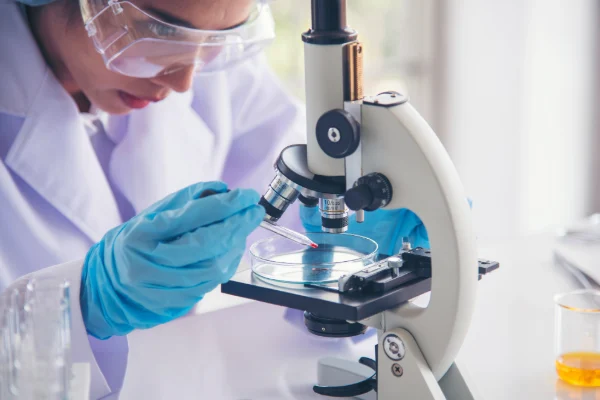
A monumental £50 million initiative has officially commenced in the United Kingdom, establishing the Medical Research Council (MRC) Centre for Research Excellence in Restorative Immunology. Spearheaded by the University of Birmingham, this ambitious collaborative enterprise aims to radically shift the paradigm of how the medical community approaches immune-mediated diseases. By moving beyond mere symptom management and temporary suppression of the immune system, the newly formed centre will dedicate its vast resources to unlocking biological pathways that can genuinely restore immune tolerance and heal damaged tissues.
The launch addresses a critical and growing healthcare challenge. Immune-mediated inflammatory diseases (IMIDs) currently impact more than four million individuals across the United Kingdom, placing a severe burden on both patients and the National Health Service (NHS). The centre’s multidisciplinary research network will directly target some of the most debilitating and prevalent of these conditions, including inflammatory arthritis, inflammatory bowel disease (IBD), autoimmune liver disease, and Sjögren’s disease. Through a unified strategy combining fundamental biological discovery, clinical trials, and patient engagement, the initiative aims to rewrite the future for millions living with chronic pain and progressive disability.
The Scope and Target Conditions of Restorative Immunology
Immune-mediated diseases occur when the human immune system, designed to protect the body against foreign pathogens, misidentifies healthy cells and tissues as threats. This breakdown in self-tolerance leads to chronic, unremitting inflammation. Over time, this inflammatory response causes progressive tissue destruction, persistent pain, severe fatigue, and, in many cases, permanent physical disability or organ failure.
Among the primary targets of the new £50 million centre are inflammatory arthritis conditions, such as rheumatoid arthritis and psoriatic arthritis, which ravage joint linings and cause cartilage and bone erosion. Inflammatory bowel disease—encompassing Crohn’s disease and ulcerative colitis—causes agonizing, chronic inflammation of the digestive tract, frequently requiring invasive surgical interventions and lifelong medical management. Autoimmune liver diseases, including primary biliary cholangitis and autoimmune hepatitis, attack the liver’s bile ducts and cells, potentially leading to cirrhosis and liver failure. Finally, Sjögren’s disease, a systemic autoimmune condition characterized by severe dryness of the eyes and mouth, can also damage vital organs, including the kidneys, lungs, and nervous system.
Historically, therapeutic approaches for these conditions have relied heavily on broad-spectrum immunosuppressants and biologic agents. While these medications have revolutionized care by reducing inflammation and slowing disease progression for many patients, they come with significant drawbacks. They often leave patients vulnerable to severe infections, lose efficacy over time, and fail to repair the structural damage already inflicted on tissues. Furthermore, a substantial subset of patients fails to respond to existing therapies entirely.
The pioneering concept of "restorative immunology" seeks to reverse this paradigm. Rather than simply turning off the immune system, researchers at the new centre will investigate the precise molecular and cellular mechanisms that allow healthy tissues to maintain their integrity. By understanding why inflammation becomes entrenched in certain individuals and how the body can be coaxed into repairing itself, the centre hopes to develop therapies that re-establish permanent immune balance and regenerate lost or damaged tissue function.
Collaborative Framework and Institutional Partnership
To tackle scientific challenges of this magnitude, the newly established centre relies on a deeply integrated, collaborative framework. Led by the University of Birmingham—an institution globally recognized for its leadership in inflammation and aging research—the initiative bridges eight premier UK universities. This academic consortium brings together world-leading immunologists, rheumatologists, gastroenterologists, hepatologists, data scientists, and bioengineers.
Beyond traditional academic boundaries, the £50 million enterprise incorporates a diverse array of sector partners, including major medical research charities, patient advocacy groups, and public engagement organizations. This deliberate integration ensures that the research agenda remains anchored to the lived experiences and real-world priorities of patients. By embedding patient and public involvement (PPI) at every stage of the research pipeline, the centre aims to accelerate the translation of laboratory discoveries into clinical trials and, ultimately, approved therapies available to NHS patients.
The funding structure of the initiative reflects a strategic commitment by the Medical Research Council—part of UK Research and Innovation (UKRI)—to invest in transformative, challenge-led science. The £50 million investment is designed to provide long-term stability, allowing research teams to pursue high-risk, high-reward investigative pathways that individual grants could not ordinarily support. This sustained backing enables the recruitment of top-tier global talent, the acquisition of cutting-edge single-cell analysis and spatial biology technologies, and the creation of standardized clinical cohorts across the participating university hospital trusts.
Chronology and Strategic Roadmap to the Launch
The genesis of the MRC Centre for Research Excellence in Restorative Immunology traces back through a multi-year strategic evaluation of the UK’s clinical research landscape regarding chronic inflammatory diseases.
In the years leading up to the launch, health economists and public health officials increasingly highlighted the escalating societal cost of autoimmune and inflammatory conditions. With aging populations and shifting environmental factors, the prevalence of IMIDs has climbed steadily. Recognizing that fragmented, siloed research approaches were yielding incremental rather than transformative progress, the MRC began developing a framework for large-scale, cross-disciplinary research centers capable of tackling major biomedical challenges.
The competitive application process invited leading academic institutions to submit comprehensive bids demonstrating world-class research capabilities, robust clinical trial networks, and visionary scientific leadership. The University of Birmingham emerged as the anchor institution following a rigorous peer-review process that evaluated scientific merit, translational potential, and collaborative breadth.
Following the formal announcement and release of the £50 million funding allocation, the immediate timeline focuses on operationalizing the centre’s infrastructure. Over the upcoming months, leadership teams will finalize governance structures, establish data-sharing agreements across the participating universities, and initiate recruitment for doctoral training positions and postdoctoral research fellowships. Pilot studies utilizing newly acquired spatial transcriptomics and high-dimensional flow cytometry platforms are scheduled to commence before the end of the calendar year, setting the stage for the first wave of clinical translation initiatives within the next 24 to 36 months.
Official Perspectives and Expert Analysis
The announcement of the £50 million funding package has drawn widespread praise from the scientific community, healthcare leaders, and patient organizations, who view the initiative as a watershed moment for UK life sciences.
Dr Ceri Williams, Executive Director of the Challenge Led Portfolio at the Medical Research Council, emphasized the transformative potential of the collaborative network. Speaking on the strategic rationale behind the investment, Dr Williams stated:
"By bringing together expertise from across disciplines, sectors and countries to tackle these fundamental questions, this centre has the potential to transform our understanding of inflammatory disease and accelerate the development of treatments that deliver lasting benefits for patients."
Academic leaders at the University of Birmingham echoed these sentiments, noting that the institution’s decades-long history of excellence in inflammation research uniquely positions it to lead the charge. Professors involved in the steering committee highlighted that the centre will bridge the historical divide between fundamental immunology—the study of immune system mechanics—and regenerative medicine, which focuses on repairing damaged organs. By fusing these two fields, researchers expect to uncover novel therapeutic targets that were previously invisible to investigators working within traditional disciplinary boundaries.
Independent medical analysts and clinical immunologists have also weighed in on the broader implications of the initiative. Experts point out that while the UK has historically punched above its weight in biomedical discovery, translating those discoveries into commercialized therapies and clinical practice has occasionally faced bottlenecks. The inclusion of industrial partners, clinical trial networks, and regulatory experts within the core design of the restorative immunology centre is seen as a deliberate structural safeguard to prevent such translation gaps.
Broader Socioeconomic Impact and Future Implications
The establishment of the MRC Centre for Research Excellence in Restorative Immunology carries profound implications that extend far beyond academic laboratories and hospital wards. From a public health perspective, the successful development of restorative therapies could fundamentally alter the trajectory of chronic disease management in the United Kingdom.
Autoimmune and inflammatory diseases are notoriously burdensome on the workforce and the economy. Because conditions like inflammatory arthritis and inflammatory bowel disease frequently manifest during early adulthood—often striking individuals in their twenties, thirties, and forties—they lead to significant productivity losses, long-term sickness absence, and early retirement. By aiming for lasting remission and tissue repair rather than lifelong palliative symptom control, the research conducted at the centre holds the promise of keeping patients active in the workforce and dramatically reducing direct healthcare expenditures related to repeated hospitalizations, complex surgeries, and intensive pharmacological management.
Furthermore, the £50 million investment reinforces the United Kingdom’s position as a premier global hub for life sciences and immunological research. In an increasingly competitive international landscape, securing large-scale, visionary funding for foundational science helps attract and retain top global scientific talent, encourages foreign direct investment from pharmaceutical and biotechnology firms, and stimulates the domestic bio-economy through spin-out companies and intellectual property generation.
As the MRC Centre for Research Excellence in Restorative Immunology officially opens its doors and commences its expansive research program, the global medical community will be watching closely. For the four million people in the UK living with the daily uncertainty and physical toll of immune-mediated diseases, this unprecedented £50 million commitment represents more than just a scientific endeavor—it represents a tangible, scientifically grounded hope for a future defined not by chronic illness, but by lasting recovery and restored health.
