
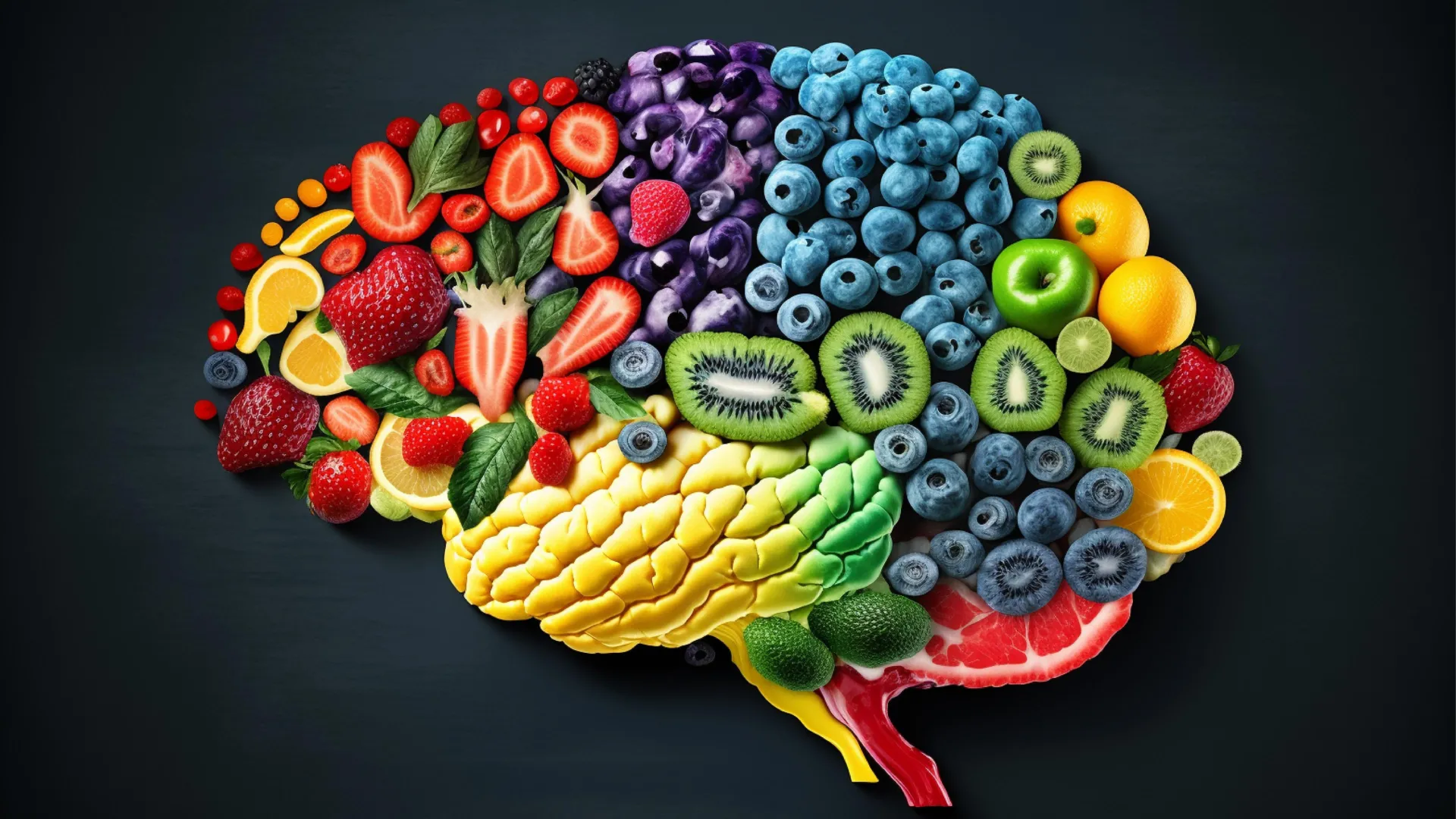
As global populations age, researchers and public health officials increasingly turn their attention toward preserving not just lifespan, but "healthspan"—the period of life spent in good health, free from debilitating chronic and neurodegenerative conditions. Among the most pressing concerns for aging populations are cognitive decline and neurodegenerative diseases such as Alzheimer’s and Parkinson’s. Recent scientific inquiry has increasingly zeroed in on lifestyle factors, particularly nutrition, as vital modifiable determinants of long-term brain health.
A comprehensive study published online in the Journal of Neurology Neurosurgery & Psychiatry sheds new light on this dynamic, suggesting that a specific hybrid dietary pattern can help preserve brain tissue and mitigate structural alterations typically associated with chronological aging. The research indicates that greater adherence to the MIND diet—a nutritional framework combining elements of the Mediterranean diet with the Dietary Approaches to Stop Hypertension (DASH) plan—is significantly linked to reduced brain tissue loss, particularly in critical grey matter regions, and a slower rate of ventricular enlargement over time.
Understanding the MIND Diet Framework
The MIND diet, formally known as the Mediterranean-Dietary Approaches to Stop Hypertension Diet Intervention for Neurodegenerative Delay, was developed specifically to promote cognitive health and protect against neurodegeneration. By synthesizing the core protective components of the Mediterranean diet—widely celebrated for its cardiovascular and neurological benefits—with the blood-pressure-lowering strategies of the DASH diet, researchers created a targeted nutritional prescription for the aging brain.
The eating pattern prioritizes specific food groups rich in antioxidants, vitamins, and healthy fats while discouraging elements associated with inflammation and vascular impairment. Specifically, the MIND diet emphasizes:
- Green leafy vegetables
- A wide variety of other vegetables
- Berries (particularly blueberries and strawberries, known for high flavonoid content)
- Nuts and whole grains
- Fish, poultry, and beans
- Extra virgin olive oil as the primary cooking and dressing fat
- Moderate consumption of wine
Conversely, the diet prescribes strict moderation or avoidance of several food groups linked to poor cardiometabolic and neurological outcomes. These include butter and margarine, cheese, red meat, pastries and sweets, and fried fast foods. Prior to this latest study, while epidemiological data had connected the MIND diet to better general cognitive performance, the exact mechanisms and direct relationships between the diet and longitudinal structural changes in the brain remained less clearly defined.
Decades of Observation: The Study Methodology
To bridge the knowledge gap between diet and structural brain preservation, an investigative team turned to one of the world’s most enduring and robust epidemiological resources: the Framingham Heart Study Offspring cohort (FOS). Initiated decades ago to track multigenerational cardiovascular health trends, the FOS provided a rich longitudinal dataset for examining neurological trajectories.
The study enrolled 1,647 middle-aged and older adults, with an average baseline age of 60 years. To establish a reliable timeline of health and dietary behaviors, participants underwent rigorous health evaluations every four to eight years. The tracking methodology spanned several key operational phases:
- Dietary Assessment: Food intake was evaluated using at least one comprehensive food frequency questionnaire (FFQ) administered during structured check-ups across three distinct historical blocks: 1991–1995, 1995–1998, and 1998–2001.
- Baseline Neuroimaging Screening: Starting in 1999, participants began receiving regular magnetic resonance imaging (MRI) brain scans spaced two to six years apart. Crucially, all individuals included in the final analysis showed no clinical evidence of stroke or dementia at the time of their initial MRI scan.
- Longitudinal Follow-Up: Participants were followed for an average period of 12 years, during which repeated MRI assessments tracked structural evolution within the brain.
Across the cohort, the average baseline MIND diet score sat just under 7 out of a possible 15 points, where 15 indicated the strongest adherence to the prescribed eating pattern. Demographic and lifestyle analyses revealed that individuals in the highest third of MIND diet adherence shared several distinct characteristics: they were more likely to be women, possessed higher levels of education, and were less likely to smoke or suffer from obesity. Furthermore, high adherence correlated with a lower prevalence of systemic conditions known to compromise cerebral microvascular integrity, including type 2 diabetes, hypertension, and cardiovascular disease.
Key Findings: Sparing Grey Matter and Limiting Ventricular Expansion
Over the course of the 12-year average follow-up, serial MRI scans captured the typical, expected structural markers of brain aging across the study population. These age-related changes included progressive volumetric reductions in total brain tissue, grey matter, white matter, and the hippocampus—a seahorse-shaped structure embedded deep within the temporal lobe that plays a vital role in memory consolidation and spatial navigation.
Concurrently, researchers observed age-typical expansions in cerebrospinal fluid volumes, ventricular enlargement (the fluid-filled cavities within the brain that naturally expand as surrounding parenchyma shrinks), and an increase in white matter hyperintensities—bright patches visible on MRI scans that often signal small-vessel ischemic tissue damage.
Despite these universal aging trends, the rate of structural decline varied significantly according to dietary habits. Participants who maintained higher MIND diet scores experienced a measurably slower loss of grey matter, the neural tissue layer rich in neuron cell bodies that governs memory, learning, decision-making, and information processing.
The statistical models revealed clear, quantifiable protective associations:
- For every 3-point increase in a participant’s MIND diet score, researchers recorded a slower grey matter loss equivalent to 0.279 cubic centimeters per year. This attenuation represented roughly 20% less age-related structural decline, translating to the functional equivalent of 2.5 years of delayed brain aging.
- A similarly favorable pattern emerged regarding ventricular enlargement. Each 3-point rise in the MIND diet score was associated with a slower expansion of total ventricular volume by 0.071 cubic centimeters per year, corresponding to 8% less tissue loss and approximately 1 year of delayed brain aging.
Micro-Components: The Impact of Specific Foods
While the overall dietary pattern demonstrated broad protective benefits, deeper analysis into specific food categories revealed that certain dietary items exerted disproportionate influences on structural brain outcomes.
Higher intake of berries, for instance, showed a strong independent link to slower increases in ventricular volume. Similarly, poultry consumption was associated with both slower ventricular enlargement and a reduced rate of grey matter decline. Nutritional scientists attribute these localized benefits to specific biochemical mechanisms. Berries are exceptionally rich in anthocyanins and other polyphenols, which possess potent antioxidant and anti-inflammatory properties capable of reducing oxidative stress and mitigating neuronal damage. Poultry provides high-quality lean protein and essential amino acids necessary for cellular repair and maintenance without introducing the saturated fats often found in red meat.
On the other hand, the data highlighted the detrimental structural correlates of less healthy dietary choices. Higher consumption of sweets was consistently associated with faster ventricular enlargement and accelerated hippocampal atrophy. Likewise, frequent consumption of fried and fast foods—which are typically loaded with unhealthy trans fats, saturated fats, and advanced glycation end-products—correlated directly with a larger decline in hippocampal volume. Researchers noted that these foods likely promote systemic inflammation, endothelial dysfunction, and vascular damage that compromises the delicate capillary networks feeding cerebral tissues.
Anomalies and Unexpected Outcomes
Interestingly, not all individual food categories conformed to the anticipated hypotheses. Certain items produced unexpected statistical associations that challenge simplistic nutritional dogmas.
Most notably, higher intake of whole grains—traditionally hailed as a cornerstone of metabolic and cardiovascular health—was unexpectedly associated with several unfavorable structural changes in this cohort, including faster rates of grey matter loss, accelerated hippocampal volume reduction, and more rapid ventricular enlargement.
Conversely, cheese consumption exhibited the exact opposite pattern. Greater reported intake of cheese was associated with slower declines in both grey matter and hippocampal volume, reduced ventricular expansion, and fewer white matter hyperintensities. Epidemiologists and nutritional researchers caution against overinterpreting these isolated food anomalies, noting that single-food analyses in observational studies can be confounded by broader dietary patterns, socioeconomic factors, or reporting biases within food frequency questionnaires.
Modifying Factors and Population Vulnerabilities
The protective associations identified by the research team remained statistically consistent across multiple secondary analytical models. Furthermore, the apparent benefits of the MIND diet were notably stronger among older participants within the cohort.
This age-dependent gradient suggests that adopting a brain-healthy dietary pattern may be particularly impactful for individuals facing an elevated risk of accelerated brain aging or those exhibiting wider variations in the trajectory of age-related atrophy. Stronger associations were also observed among participants who maintained higher levels of physical activity and those who avoided being overweight or obese.
These synergistic observations lend clinical weight to the hypothesis that combining a targeted neuroprotective diet with complementary lifestyle interventions—such as regular aerobic exercise and weight management—creates a multi-modal defense against neurodegenerative pathologies. Public health advocates suggest that such integrative approaches offer a practical, scalable blueprint for minimizing late-life cognitive impairment.
Methodological Limitations and Cautions
Despite the robust scale and longitudinal design of the Framingham-based study, the authors emphasized several important methodological caveats that preclude definitive causal claims:
- Observational Nature: Because the research is observational, it cannot definitively establish that adherence to the MIND diet directly caused the observed slowing of brain structural changes. Unmeasured confounding variables may play a role.
- Recall Bias: Dietary intake was assessed using food frequency questionnaires, which rely heavily on participants’ retrospective memory. Human recall of dietary habits over extended periods is notoriously imperfect and prone to misreporting.
- Uncaptured Baseline Factors: Researchers could not entirely rule out the presence of subclinical mild cognitive impairment at the time of the initial MRI scans, nor could they fully account for longitudinal shifts in dietary habits or the underlying influence of genetic risk factors, such as the APOE ε4 allele associated with Alzheimer’s disease.
- Demographic Homogeneity: The study cohort was composed predominantly of individuals of European descent (White participants). Consequently, the findings may not be fully generalizable to diverse populations from different ethnic, cultural, or socioeconomic backgrounds.
Implications for Public Health and Future Research
As demographic trends point toward a rapidly aging global population, identifying actionable strategies to extend cognitive healthspan remains a paramount objective for the medical community. While acknowledging the limitations inherent in observational nutritional epidemiology, the authors of the study maintain that the findings offer meaningful clinical encouragement.
"These findings reinforce the potential of the MIND diet as a brain-healthy dietary pattern and support its role in strategies aimed at slowing neurodegeneration in aging populations," the researchers concluded in their published paper.
As chronic neurological conditions continue to impose profound emotional, social, and economic burdens on healthcare systems worldwide, research into modifiable lifestyle factors provides a beacon of proactive empowerment. By highlighting how everyday nutritional choices correlate with the physical preservation of grey matter and the structural integrity of the aging brain, studies of this nature help lay the groundwork for future randomized controlled trials and evidence-based dietary guidelines designed to safeguard neurological function across the human lifespan.
